REVIEW · FUERTEVENTURA
Fuerteventura: Trekking Tour Through the North of the Island
Book on GetYourGuide →Operated by Pie de Caracol S.L. · Bookable on GetYourGuide
Fuerteventura’s volcano trails feel ancient. This 5.5-hour north-of-the-island trekking tour takes you through 50,000-year-old volcanic terrain, with panoramic photo stops built into the day. You’ll go with a tight group (up to 8), so you can actually ask questions instead of shouting over a bus of people.
Two things I love right away are the crater-edge views from Calderón Hondo and the way the expert geological guide makes the scenery click. When guides like Pepe or Maura are leading, the mix is part science, part storytelling, and yes, a good sense of humor helps you remember what you’re seeing.
One consideration: even at an easy level, this is still walking over uneven volcanic ground. It’s not suitable for children under 8, and it’s not set up for people with mobility impairments—and food and drinks aren’t included, so plan on buying something in town.
In This Review
- Key things about this North Fuerteventura trek (that you’ll feel on day one)
- Why the north of Fuerteventura hits harder than the postcard coastline
- Calderón Hondo near Lajares: crater-edge walking with Lanzarote in view
- Fossil dunes and La Cañada de Melian: walking through time, not just rocks
- El Cotillo for lagoons and a real break from hiking
- Tostón Lighthouse: ocean viewpoints and natural water features
- How the 5.5 hours actually feel: pace, photos, and not getting rushed
- What to pack for a comfortable north-coast hike (without overthinking it)
- Price and value: is $47 a good deal for this Fuerteventura north trek?
- Who should book this trek, and who should skip it
- Should you book this North Fuerteventura trekking tour?
- FAQ
- How long is the Fuerteventura trekking tour?
- What’s included in the ticket price?
- Is food and drink included?
- What time does pickup happen and when do we return?
- Where do they pick you up from?
- How difficult is the hike?
- What age and mobility limits apply?
- FAQ
- What languages is the live guide available in?
- Can I cancel for a full refund?
- Is there a museum stop?
- What should I bring?
- How big is the group?
- What kind of sights will I see?
Key things about this North Fuerteventura trek (that you’ll feel on day one)
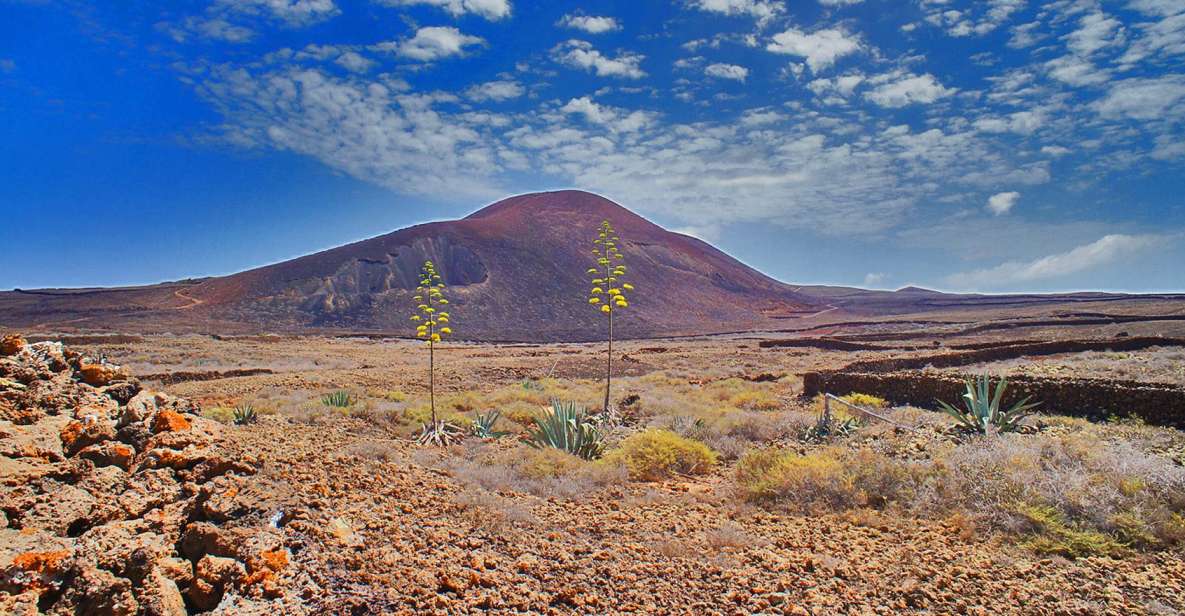
- Calderón Hondo crater views: a walk to the cone edge with wide north-shore perspective, including sights toward Lanzarote.
- Fossil dunes and ravines: the ground you step on was shaped by long erosion, creating canyon-like cuts you can explore on foot.
- Small-group feel (max 8): better pacing, more photo time, and easier conversations with the guide.
- El Cotillo’s lagoons and beaches: time in a genuine coastal village rather than just quick look-and-go stops.
- Tostón Lighthouse coastal viewpoints: ocean outlooks plus natural water features along the north coastline.
Why the north of Fuerteventura hits harder than the postcard coastline
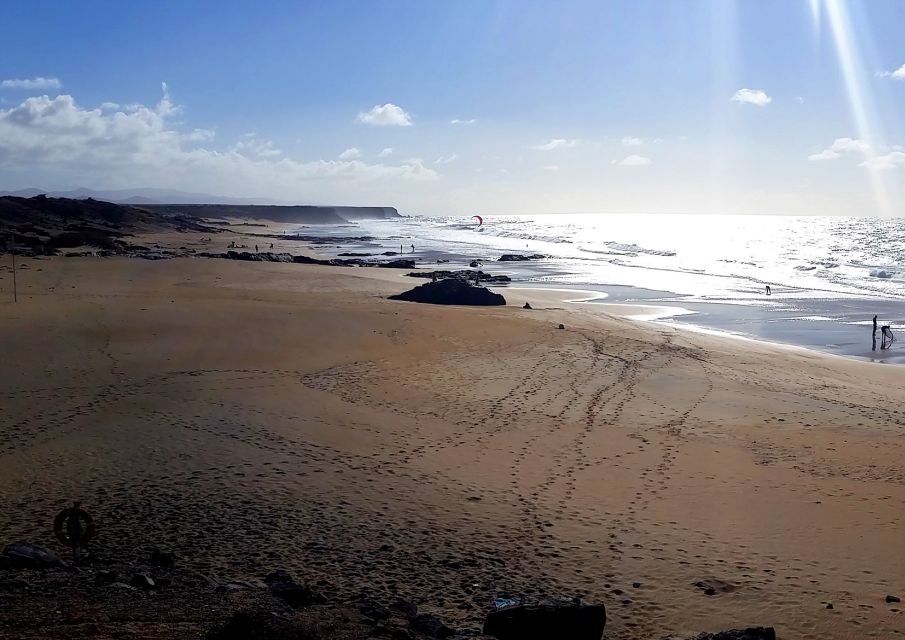
Fuerteventura’s north coast has a different personality than the more famous resort strips. Here, the big drama is the geology: volcanic cones, eroded ravines, and dune formations that look like they were built by slow time, not quick weather. The trekking route leans into that, so you’re not just sightseeing—you’re walking through the island’s “how it formed” story.
I like tours that help you read the terrain. With an expert geological guide, you start noticing patterns: why certain slopes look the way they do, what the canyon cuts suggest about erosion, and how the coastline changes as you move along the north. And because the group is small, you can pause for photos without feeling rushed back to a meeting point.
One more practical bonus: you’re based in the north (pickup from Corralejo, Lajares, La Oliva, Villaverde, or El Cotillo). That cuts down on time spent crossing the island just to reach your first viewpoint.
You can also read our reviews of more tours and experiences in Fuerteventura.
Calderón Hondo near Lajares: crater-edge walking with Lanzarote in view
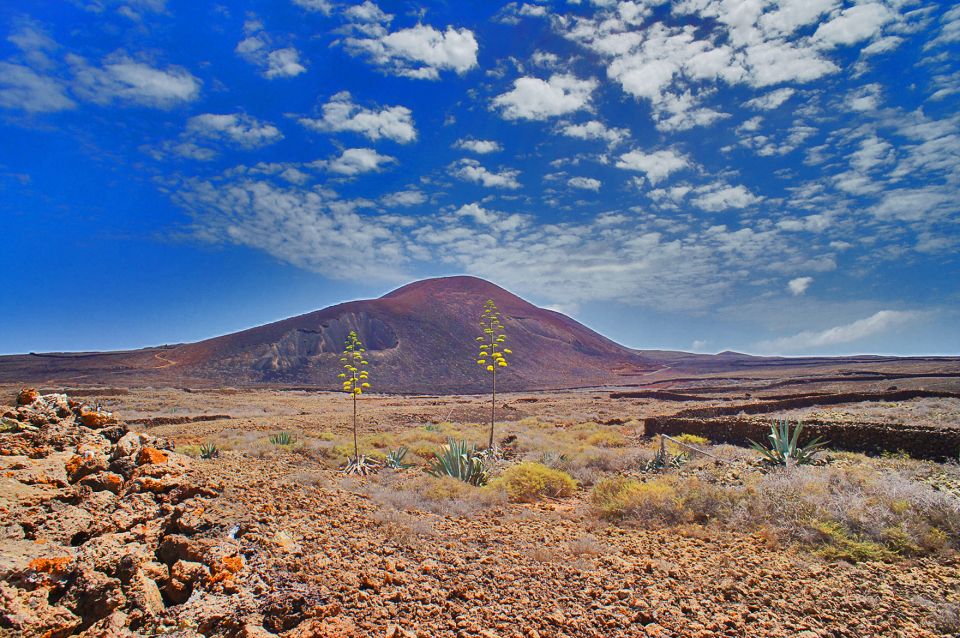
Your day’s big early payoff is Calderón Hondo near Lajares—one of the best-preserved volcanoes on the island. The walk focuses on an easy and comfortable path, which matters because it lets you enjoy the scenery instead of managing your footing the whole time.
What you’re really going for is the crater experience. You’ll climb to the edge of the cone and stand at a panoramic balcony spot where the depth of the volcano cone comes into focus. This is the moment where you can stop treating Fuerteventura as just “beach time” and see it as a living volcanic classroom.
Photo note: plan your camera for wide angles. The best shots here tend to include both the crater depth and the broader north-shore horizon. The guide’s commentary helps you frame what you’re seeing, which is huge if you like learning without turning the trip into a lecture.
Fossil dunes and La Cañada de Melian: walking through time, not just rocks
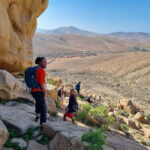
After the volcano, the route shifts into something really atmospheric: fossilized dunes and canyon-like ravines formed by millions of years of erosion. This is where the terrain gets visually mysterious—paths cut through ravines, with shapes that can look strange until you understand what erosion has been doing over a very long timeline.
You’ll walk through La Cañada de Melian (the canyon setting), and the best way to enjoy it is to slow down for your senses. Look at how the ground texture changes. Notice how wind and water carve lines into the rock and sand. When you have an expert explaining what shaped the area, your brain stops seeing random rocks and starts seeing a process.
Practical drawback: “easy level” doesn’t mean “smooth.” Volcanic environments can be rocky and uneven, so good shoes matter more than you’d think. If you’re sensitive to rough footing, this section is the one that will demand the most attention.
El Cotillo for lagoons and a real break from hiking
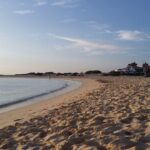
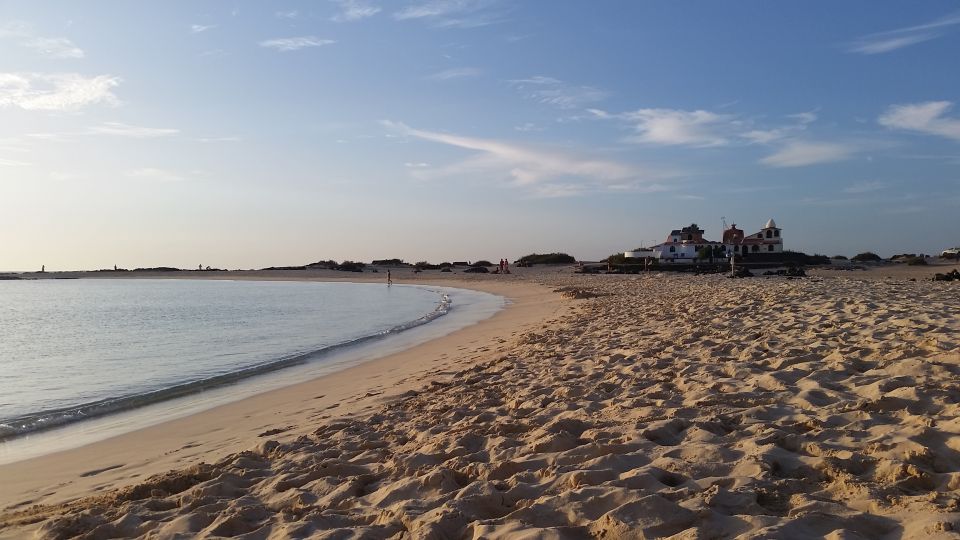
Next, the tour shifts from hiking mode to coastal-chill mode. You’ll reach El Cotillo, a typical north-eastern village known for its charming beaches and lagoons. This stop is valuable because it’s not just a quick photo break; you get time to relax and wander.
The mood change is the whole point. After walking through crater terrain and canyon erosion, El Cotillo gives you space to breathe, reset your legs, and soak up a town vibe that feels more local than staged. You’ll also have time to visit a local bar or restaurant downtown—perfect for grabbing a drink or something simple to eat (since food isn’t included).
If your photography style is “small scenes,” El Cotillo works. Think calm water in lagoon pockets, shoreline textures, and the way light changes along the coast. And if you’re the type who likes to check out a place on foot, this is the segment that lets you do it without feeling like you’re sprinting between viewpoints.
Tostón Lighthouse: ocean viewpoints and natural water features
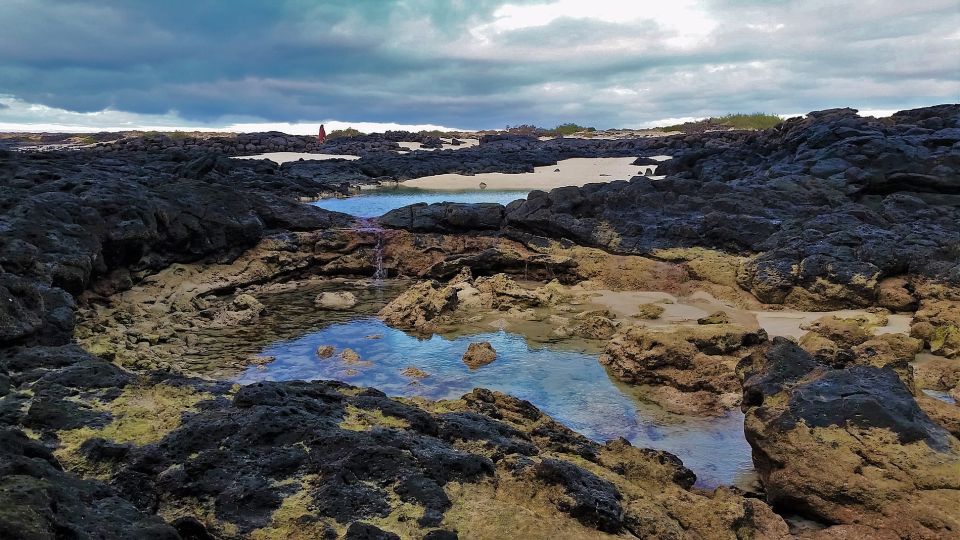
The last major highlight is the Tostón Lighthouse area. You’ll walk around the lighthouse grounds to admire the ocean views, with attention drawn to natural lakes or water features along the north coastline.
This part of the day is great for two reasons. First, the walking is more “wander and look” than “climb and hike,” so your body gets a break before you head back. Second, lighthouse viewpoints are naturally good for photography—especially when you want wide horizons and dramatic sea edges.
Timing helps, too. Because you’re doing the lighthouse after El Cotillo, you’re already near the coast for the “full effect.” You’ll end up with a day that moves from geology (volcano + erosion) to coastline (beaches + lighthouse outlook).




How the 5.5 hours actually feel: pace, photos, and not getting rushed
This tour runs about 5.5 hours, with pickup between 9:00 and 9:30 AM and return between 2:30 and 3:00 PM. That’s a smart length: long enough to earn the views, short enough to keep the rest of your day flexible.
The easy-level trekking aspect means you’ll be moving continuously, but you shouldn’t feel like you’re in a hardcore endurance event. Still, you’ll be on your feet for stretches, and you’ll want to treat it like a hike, not a stroll.
The small-group format (maximum 8) is what makes the experience work. In a large group, crater edges become race tracks and canyon paths become traffic jams. Here, the group size helps the guide manage pace and timing, which also helps you get your photos without standing in a line.
What to pack for a comfortable north-coast hike (without overthinking it)
Bring the basics and you’ll be fine. For this trek, I’d focus on the items that directly affect comfort and enjoyment:
- Comfortable shoes with grip (volcanic ground can be uneven)
- A sun hat and sunscreen (you’ll be outside for a big chunk of the morning)
- Camera (the crater and coast deliver wide shots)
- Water (food and drinks aren’t included, so hydration is on you)
If you’re hoping to do more than just take photos—like reading the terrain carefully or lingering at viewpoints—carry a little extra water buffer for peace of mind.
Price and value: is $47 a good deal for this Fuerteventura north trek?
At about $47 per person for a 5.5-hour guided hike, the value comes from three things you’re not likely to get on your own: hotel pickup/drop-off, a guide who explains the geology, and the compact group size.
Pickup matters on Fuerteventura. You’re not just walking around one neighborhood—you’re moving from volcano territory to canyon terrain to El Cotillo and the lighthouse area. Having that transport and timing handled makes the experience smoother, especially if you’re not renting a car.
And the guide is the difference between seeing rocks and understanding why they look that way. You’re paying for interpretation, not just footsteps. With a small group, you also get more interaction, which is a real value multiplier for learning and photo guidance.
The one trade-off: food and drinks aren’t included, so your total day cost depends on what you buy in El Cotillo. Plan on budgeting for that rather than expecting the tour price to cover lunch.
Who should book this trek, and who should skip it
This tour makes the most sense if you want a geology-focused day without a strenuous climb. If you’re comfortable walking outdoors on uneven ground and you like learning how landscapes are formed, you’ll likely enjoy it a lot.
You should also appreciate the structure: easy trekking with meaningful stops, a town break in El Cotillo, then coastal viewpoints at Tostón Lighthouse. That blend is great for people who want variety in one morning.
Skip it if any of the following apply:
- You need something designed for mobility impairments (this one isn’t suitable)
- You’re traveling with children under 8
- You want a fully catered day with food included (you’ll need to buy meals or snacks yourself)
Should you book this North Fuerteventura trekking tour?
If your goal is to see the real north side of Fuerteventura—crater edge views, fossil dunes, erosion ravines, then El Cotillo and a lighthouse coastline—this tour is a strong fit. The small-group cap and geological guide turn it from a generic hike into a day that teaches you what you’re looking at.
Book it if:
- You want a single morning/day that covers multiple highlights
- You like photos but also like understanding the setting
- You’re staying in or near Corralejo, Lajares, La Oliva, Villaverde, or El Cotillo and want pickup
Think twice if:
- You don’t like walking over rough ground, even at an easy level
- You prefer tours where lunch is handled
- Your group includes someone who needs accessibility support this route can’t provide
FAQ
How long is the Fuerteventura trekking tour?
It lasts about 5.5 hours. You’re picked up in the morning and returned in the early afternoon.
What’s included in the ticket price?
Hotel pickup and drop-off are included, along with an expert geological guide on the Canary Islands.
Is food and drink included?
No. Food and drinks are not included, so you’ll want to plan to buy something during the time in El Cotillo.
What time does pickup happen and when do we return?
Pickup is between 9:00 and 9:30 AM, and you return between 2:30 and 3:00 PM.
Where do they pick you up from?
Pickup is in front of your hotel or private apartment in the north of Fuerteventura, including Corralejo, Lajares, La Oliva, Villaverde, or El Cotillo.
How difficult is the hike?
The trekking is described as easy level, and the volcano walk is on an easy and comfortable path.
What age and mobility limits apply?
It’s not suitable for children under 8, and it’s not suitable for people with mobility impairments.
FAQ
What languages is the live guide available in?
The tour guide is available in English, French, Italian, and Spanish.
Can I cancel for a full refund?
Yes—free cancellation is offered up to 24 hours in advance for a full refund.
Is there a museum stop?
No, a museum visit is not included.
What should I bring?
Bring comfortable shoes, sun hat, camera, water, and sunscreen.
How big is the group?
The group is limited to a small maximum of 8 participants.
What kind of sights will I see?
You’ll visit Calderón Hondo volcano crater areas, fossil dunes and canyon terrain, the town of El Cotillo, and the Tostón Lighthouse with ocean views.