REVIEW · FUERTEVENTURA
Cheese Making Workshop in Fuerteventura with Breakfast
Book on Viator →Operated by Curioseety SRLS · Bookable on Viator
Morning starts early, but the cheese tastes worth it. This hands-on Majorero cheese making workshop takes you through the full farm process, from milking Majorera goats to pressing, packing, and labeling your own creation. I also like that it includes a proper Canarian breakfast with mojos and homemade jams, not just a snack.
One thing to consider: it’s a farm day. You’ll be in work gear, around goats, and doing hands-on steps that can feel a bit messy, even with the protective equipment provided.
In This Review
- Key Points to Know Before You Go
- A Goat Farm Morning in Los Alares: Where the Workshop Starts
- Welcome Coffee and Farm Intro: Learning the Goat Routine First
- Milking Majorera Goats: Manual Technique Meets the Machine
- Shaping Fresh Cheese in the Production Room: The Hands-On Part
- Canarian Breakfast on the Garden Patio: Mojos, Jams, and Cheese Sandwiches
- Press, Vacuum Pack, and Label: Your Take-Home Cheese
- Price and Value for $85.54: What’s Actually Included
- Who This Workshop Fits Best (and Who Might Skip It)
- Should You Book This Goat-to-Cheese Workshop in Fuerteventura?
- FAQ
- What time does the cheese making workshop start?
- Where is the meeting point?
- How long is the experience?
- What’s included in the breakfast?
- What do I take home?
- Can I cancel for a refund?
Key Points to Know Before You Go
- 2.5-hour goat-to-cheese experience with a structured flow: milk, make, press, and pack
- Small group size (max 10), so instructions are clear and you actually get hands-on time
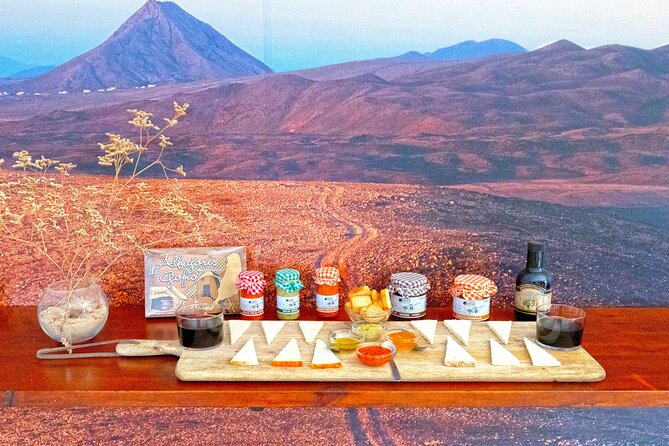
- Canarian breakfast included mid-workshop, served with mojos, homemade jams, and local cheese
- Protective gear is provided (work covers, tights, gloves, and more) for the hands-on parts
- You take home your own cheese, vacuum-packed and labeled by you
A Goat Farm Morning in Los Alares: Where the Workshop Starts
This workshop runs from 8:00 am, right in Fuerteventura at Quesería La casa del Queso cabrera PérezLlano, 35638 Los Alares, Las Palmas, Spain. That early start is part of why it works: you’re learning the process while the day is still cool and the farm is already active.
The group stays small, with a maximum of 10 travelers, and that matters. In a bigger class you can end up watching more than doing. Here, you get the kind of attention that helps when milking is not as easy as it looks in travel videos.
You’ll also want to plan for a practical morning rhythm. It’s a mobile ticket experience, and since this is a farm-based activity, arriving on time helps you avoid stress before the milking section.
You can also read our reviews of more tours and experiences in Fuerteventura.



Welcome Coffee and Farm Intro: Learning the Goat Routine First
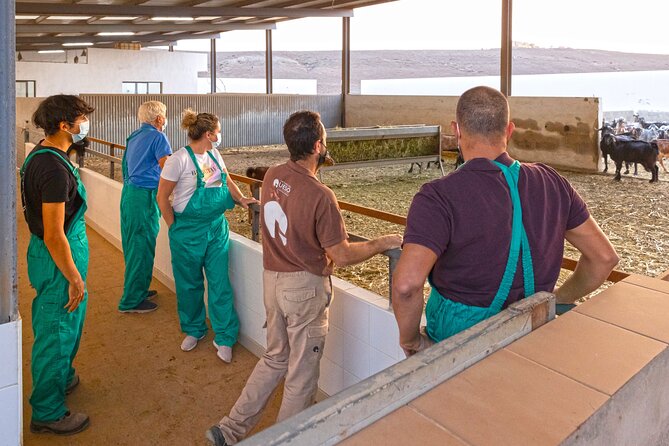
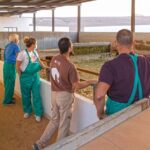
The experience begins with a welcome coffee while your host introduces the farm and what you’ll do during the workshop. This isn’t just a warm-up chat. You get the big picture on how the goats are cared for and how the day connects to cheese making.
From the start, the tone is respectful toward the animals. You’re learning that the process isn’t only about technique; it’s about consistent care and management. If you care about food that starts with real animal husbandry, this part sets the right mood.
English is offered, and one standout detail from past participants is that the English explanations were clear and easy to follow. That matters most right before you switch from listening to doing.
Milking Majorera Goats: Manual Technique Meets the Machine
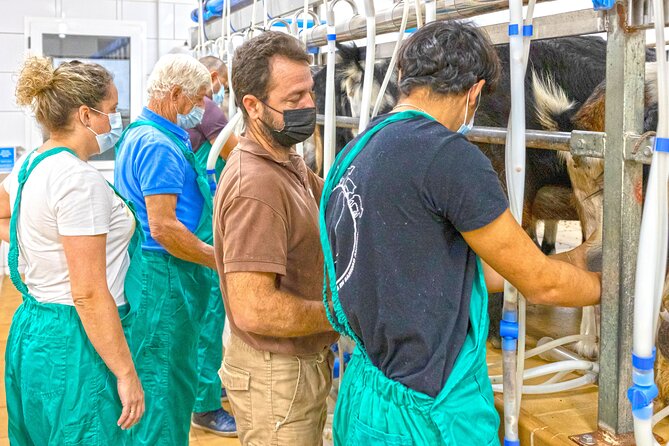
Now comes the fun, and it’s also the part that most people remember. You’ll learn manual and machine milking techniques, with hands-on help as you try it yourself. You even start with the basics like placing treats into the bowls for the goats, which helps the process move smoothly.
In practical terms, milking can feel awkward at first. Your hands learn faster when you’re coached step-by-step, so don’t worry if you’re slow on your first attempt. The process is built so you get guidance while you’re doing the work, not after you’ve already struggled through it.
One of the most interesting add-ons is tasting gofio made with milk straight from the goat. It’s a simple taste test, but it gives you a real sense of how the farm’s milk becomes part of Canarian food culture. You’re not just making cheese in a vacuum; you’re experiencing how local people use what the goats produce.
After milking, you’ll also feed the goats and help with adding hay/straw for different herds. If you like animals, this is where you really see their routines, and you’ll likely get the chance to interact in a calm, supervised way.
A small but memorable detail: there’s mention of a friendly farm dog called Wolfy. It sounds like a silly footnote, but on a short workshop it’s the kind of personal touch that makes the place feel lived-in rather than staged.
Shaping Fresh Cheese in the Production Room: The Hands-On Part
Once you’ve worked with the milk, the workshop shifts into cheese making steps where you literally put your hands on the process. You’ll work with cheese moulds, learning how the milk becomes fresh cheese shapes.
You should expect some waiting too. Cheese needs time to rest and settle, and part of the activity structure is that you don’t rush the process. That pause is useful because it keeps the experience from turning into a frantic grab for photos.
At a certain point, the cheese rests in the press. You’re not just witnessing it; you’re part of the routine that leads to pressing, and later the packaging stage. This is one of the best values in the workshop: your “work” has a visible output you can take home.
There’s also time to taste cheeses and accompaniments sold in the shop before the packaging and take-home step. That tasting helps you understand what you just made compared to other versions you can buy locally. It’s also a nice break if you’ve been standing and working for a while.
Sanitation is taken seriously here. Participants specifically noted that the hands-on parts were handled in a clean, sanitary way. When you’re working with farm materials and tools, that cleanliness makes the difference between a fun mess and a stressful mess.
Canarian Breakfast on the Garden Patio: Mojos, Jams, and Cheese Sandwiches
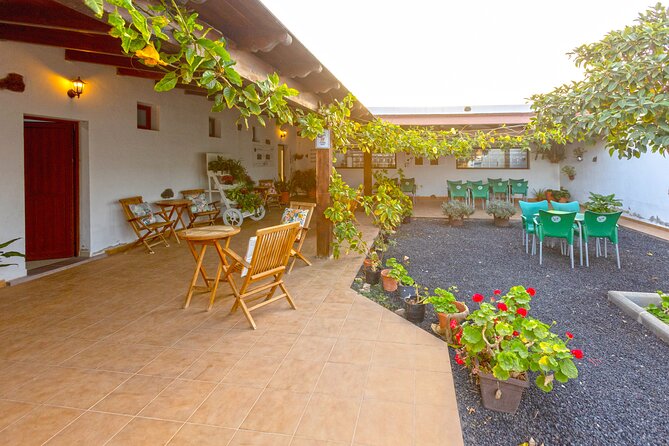
Midway through the workshop, you get a traditional Canarian breakfast in a garden patio setting. This is not an afterthought. It’s timed so you can reset your energy before the final steps, including pressing rest and then packing your cheese.
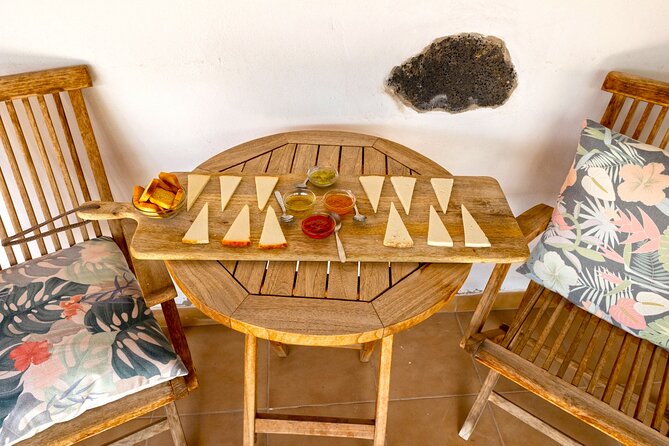
The breakfast includes:
- a fresh cheese sandwich
- a local cheese board
- Canarian mojos plus homemade jams
- one drink of your choice (coffee, tea, Tenerife wine, beer, soft drinks, or water)
The moj o and jam combo is a great way to taste Fuerteventura without turning the meal into a long lecture. You get salty, tangy, and sweet in one sitting, and it makes your cheese taste experience more complete.
One practical note: only one drink is included. If you want more, it’s listed as €10.00 per person. For most people that’s totally fine, but it’s worth keeping in mind so you don’t get a surprise at the table.



Press, Vacuum Pack, and Label: Your Take-Home Cheese
After the cheese has rested in the press, you head back to the production room for the final part: vacuum packing and labeling. This is where your workshop becomes a souvenir you can actually eat later.
Vacuum packing matters because it helps keep the cheese fresh for travel and reduces mess in your bag. Labeling is more than cute paperwork. It gives you a reference for what you made and how to treat it later.
You’ll take home your own cheese from the press. Past participants also mentioned eating it fresh right away or curing it longer afterward if you want to keep it developing. If you like planning ahead, consider how you’ll store it after pickup. If you’re checking into a hotel, bring a cooler bag if you think you’ll be walking around the next few hours.
Price and Value for $85.54: What’s Actually Included
At $85.54 per person for about 2 hours 30 minutes, the real question is value. This price works because the workshop includes a farm visit, hands-on instruction, a full breakfast, and your edible take-home product.
You’re not paying only for a viewing experience. You’re paying for:
- milking instruction (manual and machine)
- cheese making steps from milk to moulds to pressing
- vacuum packing and labeling your cheese
- a traditional Canarian breakfast mid-workshop
- equipment like work covers, tights, and gloves
The small group size also affects value. You’re less likely to feel like a ticket number in a crowd. You can ask questions, and the process supports hands-on participation.
Also, this kind of experience is popular on Fuerteventura. It’s commonly booked about a month in advance, so if your travel dates are firm, don’t treat it like a last-minute gamble.
Who This Workshop Fits Best (and Who Might Skip It)
This is a strong match if you want real Fuerteventura food culture. If you like animal-based traditions, hands-on cooking lessons, or local cheese stories with practical steps, you’ll probably enjoy the workshop a lot.
It’s also a good fit for couples and small groups who want to share a structured morning activity without being rushed. With a max of 10 people, you’ll get a more personal feel than many tour options.
Families might like it too. One past participant brought a child around 4 years old and reported that the experience worked well, especially during the feeding and goat interaction time. That said, this is still a working farm, so go in expecting farm smells, movement, and hands-on tasks.
If you hate early mornings or you don’t want to be around animals, then this might feel like the wrong kind of activity. In that case, you might prefer a food tour that stays in kitchens and tasting rooms only.
Should You Book This Goat-to-Cheese Workshop in Fuerteventura?
If you want an activity that connects the island’s most iconic cheese to the actual farm work behind it, this workshop is easy to recommend. The combination of hands-on Majorero cheese making plus a real Canarian breakfast plus a take-home cheese makes the time feel worthwhile, not padded.
I’d book it if you’re the type who learns best by doing and you enjoy food that comes with a story you can taste. Go early, wear the provided gear without overthinking it, and treat the milking and moulding steps like part practice, part fun.
Skip it only if you strongly dislike farm animal settings or you know you won’t enjoy hands-on work. Otherwise, this is the kind of morning that sticks with you long after the cheese is gone.
FAQ
What time does the cheese making workshop start?
It starts at 8:00 am and ends back at the meeting point.
Where is the meeting point?
The workshop meets at Quesería La casa del Queso cabrera PérezLlano, 35638 Los Alares, Las Palmas, Spain.
How long is the experience?
The duration is about 2 hours 30 minutes.
What’s included in the breakfast?
Breakfast includes a fresh cheese sandwich, a local cheese board, Canarian mojos and homemade jams, plus one drink of your choice (coffee, tea, Tenerife wine, beer, soft drink, or water).
What do I take home?
You take home your own cheese from the press. It’s vacuum packed and labeled by you.
Can I cancel for a refund?
Yes. You can cancel for a full refund if you cancel at least 24 hours before the experience’s start time.