REVIEW · MADEIRA
Hands-On Bolo do Caco Baking Class with a Madeiran Family
Book on Viator →Bookable on Viator
Making bread at a family kitchen is magic. This 3-hour Bolo do Caco class takes you through the bread’s roots, then puts your hands on the dough while the kitchen fills with warm, honest Madeira smells. Guided by Tonia and her aunt—one with 40+ years of bread-making know-how—you’ll leave with a real sense of why this loaf matters on the island.
I especially like the hands-on method: you don’t just watch, you knead, shape, and learn by doing. I also love the payoff—freshly baked bolo do caco served right at the table with Madeiran favorites like garlic butter, Portuguese cheese, and chouriço. The only catch is simple: it’s a hands-on experience, so expect to get a bit involved and wear comfortable clothes.
Because this happens in a family home (small group, maximum 5), you’re in a friend, not customer setting. That’s wonderful for many people, but if you want a very formal, big-group show, this won’t feel like that.
In This Review
- Key highlights from this Madeiran Bolo do Caco class
- Entering Tonia’s home kitchen near Lombo do Alho
- Learning what Bolo do Caco means on Madeira (before you touch dough)
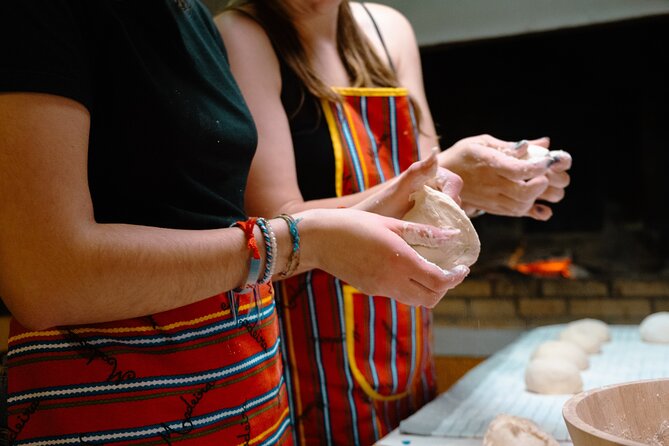
- Kneading and shaping: what you’ll actually do in the class
- Baking on a hot stone: the smell, the wait, and the payoff
- The table meal: garlic butter, Portuguese cheese, and chouriço
- Group size and pacing: why this feels calm instead of chaotic
- Comfort checklist: what to bring and how to show up
- Who this Bolo do Caco class is best for
- Price and value: what you’re getting for your money
- Should you book this Madeiran Bolo do Caco class?
- FAQ
- Where is the meeting point for the Bolo do Caco baking class?
- How long does the experience last?
- Is the class offered in English?
- What will I do during the class?
- What food is included after baking?
- Is there a limit on group size?
- Is this experience good for families with kids or babies?
- Can service animals join the experience?
- What is the cancellation policy?
Key highlights from this Madeiran Bolo do Caco class
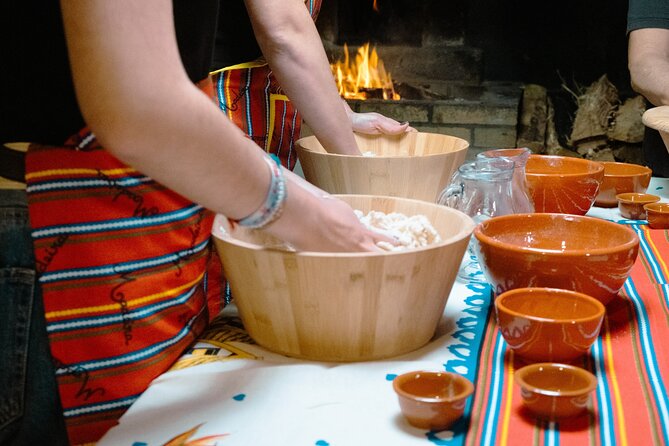
- Family-style guidance from Tonia and her aunt, with 40+ years of bread-making expertise
- Knead, shape, and bake—you participate instead of only observing
- Hot-stone cooking that turns the room warm and the bread aroma impossible to ignore
- A full tasting table with garlic butter, Portuguese cheese, and chouriço
- Small group (max 5) for easier questions and a calmer experience
- English-speaking hosting, plus a kitchen made for relaxed conversation
Entering Tonia’s home kitchen near Lombo do Alho
Your day starts at Travessa do Lombo do Alho, 9360, Portugal, with the activity ending back at the same meeting point. It’s not a “meet at a big venue” kind of tour. You’re heading into someone’s home, and that changes the vibe fast—in a good way.
This is one of those experiences where logistics matter because there aren’t layers of “tour production.” A small group means you’ll spend more time actually learning and eating, and less time waiting in line or being funneled through a script. The confirmation is sent at booking, and you’ll use a mobile ticket, so you can keep things simple on arrival.
The practical tip here is timing: because the class is about hands-on bread work, being a few minutes late can throw off the flow. Aim to arrive with breathing room.
You can also read our reviews of more tours and experiences in Madeira.



Learning what Bolo do Caco means on Madeira (before you touch dough)
Before the flour flies, you’ll get context—history and cultural significance of this iconic Madeira bread. That matters more than it sounds. Bolo do Caco isn’t just a carb you try once; it’s part of everyday island food identity, and understanding that makes the baking feel purposeful.
With Tonia and her aunt guiding you, the teaching is family-to-family style. You’ll hear about why the bread is tied to Madeira traditions, and you’ll likely pick up little practical insights along the way—like how bread technique connects to local habits, not just recipes.
If you’re the kind of traveler who likes to know what you’re eating and why people have eaten it for generations, this part is your foundation. It turns a cooking class into cultural food education you can carry home.
Kneading and shaping: what you’ll actually do in the class
Once you start working, expect real participation. The class includes:
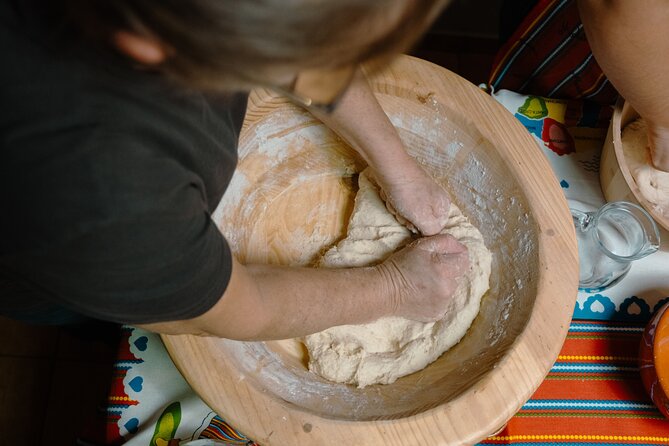
- rolling up your sleeves to knead the dough
- shaping the loaf by hand
That hands-on stage is where the experience becomes memorable. You’ll feel the dough’s texture and learn that good bread starts with technique, not luck. And since the group is capped at 5, you’re not lost in the shuffle—questions land faster, and corrections are more personal.
You’ll also get the sense that bread-making here is passed along with patience. This isn’t “press play and follow along.” It’s interactive. You’ll be in the warm kitchen atmosphere, listening to stories and laughing while you work.
It helps to think of this like skill-building. Even if you never bake again at home, you’ll understand the process enough to recognize quality and appreciate what goes into the first bite.
Baking on a hot stone: the smell, the wait, and the payoff
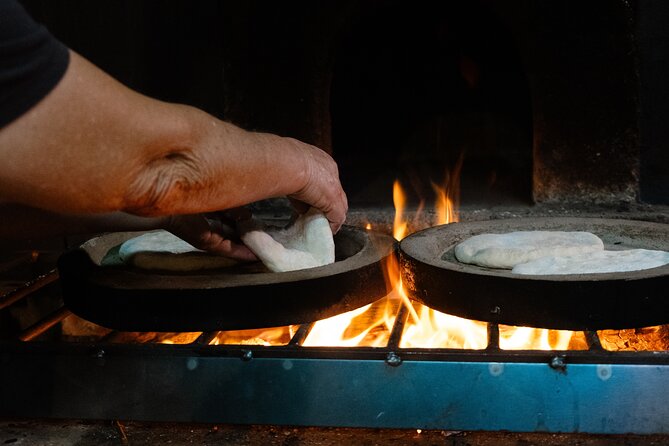
The most dramatic moment is when the bread starts cooking on a hot stone. The tour description doesn’t overcomplicate it, and that’s the point. Hot-stone baking changes the bread experience: you get that strong fresh-bread aroma, and you can see how the process transforms dough into something truly baked.
As the bread cooks, you’ll be in that cozy, lived-in kitchen setting—warm air, busy hands, and the kind of quiet anticipation that only fresh bread creates. This is where the class feels less like a lesson and more like a shared moment.
What to watch for: don’t treat the baking as background. Stay present. Look at how the bread behaves and how your hosts explain timing and technique. That attention is what turns the experience into something you understand, not just something you sample.
The table meal: garlic butter, Portuguese cheese, and chouriço
When the bread is ready, you’ll gather around the table and enjoy what you made. The class pairs bolo do caco with Madeiran specialties, including:
- garlic butter
- Portuguese cheese
- chouriço
This is the payoff section, and it’s not an afterthought. The bread is fresh, and the sides are classic enough to make the flavors make sense as Madeiran food, not just tourist-friendly snacks.
Eating together in a family-style setting also makes the class more relaxed. You’re not rushed out. It’s the moment where conversations pick up again—what you learned, what you liked, and sometimes what you should try next on the island.
If you like food experiences where cooking and eating are genuinely connected, this table time is the reason you’ll remember the day.




Group size and pacing: why this feels calm instead of chaotic
A maximum of 5 travelers is a big deal here. In larger cooking classes, you often become a spectator with a cookie-cutter role. Here, the small group size supports real coaching—especially during kneading and shaping, when technique matters.
The duration is about 3 hours, which is long enough to feel like you accomplished something, and short enough that it doesn’t eat an entire day. It’s a comfortable format for travelers who want an authentic activity without committing to an all-day tour package.
And because this is offered in English, you won’t have to guess your way through the instructions. You can focus on learning instead of translating on the fly.
If you’re traveling with kids, the class notes that babies and kids are welcome and there’s space for them to play without disrupting. That’s a strong sign the hosts expect families and know how to keep things workable in a home setting.
Comfort checklist: what to bring and how to show up
The main instruction is simple: wear comfortable clothes because you’ll be hands-on during the baking process.
Beyond that, keep it practical:
- If you have sensitive clothing, protect it.
- Plan to act like you’re joining cooking at home, not dressing for a photo shoot.
The good news is that this isn’t portrayed as strict or overly formal. You’re treated as a friend, not a customer, and that usually means common sense goes a long way.
Service animals are allowed too, which helps make the experience more accessible for people who travel with them.
Who this Bolo do Caco class is best for
This class fits best if you want a Madeira food experience that feels personal and real. I’d put it at the top of your list if you:
- love cooking activities but hate feeling like a prop
- care about food culture, not just eating a dish
- prefer small groups and conversation over crowds
- want a memorable way to understand Madeiran bread traditions
It may be less ideal if you’re looking for a high-energy, entertainment-first tour. The focus here is bread craft and shared meal time, not performance.
Also, keep it in mind if you’re short on time in Madeira. A 3-hour session works nicely as a half-day anchor, especially when you don’t want to lose your evening to planning another dinner.
Price and value: what you’re getting for your money
There’s no price listed here, so I can’t comment on a number. But I can talk about value drivers you should weigh.
You’re paying for:
- a family-style hands-on bread-making lesson
- guidance from hosts including Tonia and her aunt, with 40+ years of experience
- real ingredients and a full tasting table (garlic butter, Portuguese cheese, chouriço)
- a small group limit that keeps the experience personal
- a 3-hour window that combines skill + culture + food in one go
In other words, you’re not just buying bread. You’re buying technique, context, and a meal that ties it all together—made in the same setting where you learned.
Should you book this Madeiran Bolo do Caco class?
Book it if you want something that feels like learning bread craft from real people in a real home. The small group size, the hands-on kneading and shaping, and the hot-stone baking all point to an experience that’s practical and memorable, not just scenic or snack-based.
I’d skip it only if you strongly prefer large-group, strictly scheduled tours or you’re not comfortable with the idea of getting involved in dough work. If that sounds fine, this is one of the most Madeira-shaped ways to spend a few hours—good bread, good company, and a story you’ll actually understand.
FAQ
Where is the meeting point for the Bolo do Caco baking class?
The class starts at Travessa do Lombo do Alho, 9360, Portugal, and it ends back at the same meeting point.
How long does the experience last?
The experience lasts about 3 hours.
Is the class offered in English?
Yes, it’s offered in English.
What will I do during the class?
You’ll learn about the history and cultural significance of Bolo do Caco, knead and shape the dough by hand, and bake the bread on a hot stone.
What food is included after baking?
After the bread is ready, you’ll eat it with Madeiran specialties such as garlic butter, Portuguese cheese, and chouriço.
Is there a limit on group size?
Yes. The maximum group size is 5 travelers.
Is this experience good for families with kids or babies?
Kids and babies are welcome, and there’s space for them to play without disrupting.
Can service animals join the experience?
Yes, service animals are allowed.
What is the cancellation policy?
Free cancellation is available up to 24 hours in advance of the experience start time for a full refund. If you cancel less than 24 hours before, the amount you paid is not refunded.