REVIEW · FUERTEVENTURA
Fuerteventura: Ajuy Caves & hike to secret Las Penitas Arco
Book on GetYourGuide →Operated by Fuertexpr.com · Bookable on GetYourGuide
This hike delivers the kind of payoff you remember. You start with a guided walk through the remote Barranco de las Peñitas, then climb up toward the secret-looking window called El Arco, framed by sharp Fuerteventura cliffs. I love that the guide keeps things moving at a steady pace, and I really like how the day mixes adventure with a genuinely protected stop in the Ajuy Caves area.
The one thing to watch is timing and conditions: Ajuy Caves can close in winter when officials issue safety alerts along the coast. If that happens, the plan pivots to the historic village of Betancuria, which is still a good use of your time, but it changes the highlight you came for.
In This Review
- Key things I’d mark on your must-do list
- Morning Pickup and the Drive Into North Fuerteventura
- Las Peñitas Canyon: Trails, a Dam Relic, and the Virgen de la Peña Chapel
- The Arco Climb: Reaching El Arco, the Secret Window Moment
- Ajuy Caves: Lava Geology, Fossil Dunes, and Lime-Hole Clues
- Beach Lunch at Ajuy: Simple Food, Good Views, Real Rest
- Getting Back: North Roads, Then Drop-Off at Multiple Stops
- Who This Tour Fits Best (and Who Should Skip It)
- Price and Value: What $100 Gets You on Fuerteventura
- Practical Tips Before You Go
- So, should you book it?
Key things I’d mark on your must-do list
- Small group size (up to 10): easier questions, more breathing room on the walk.
- El Arco climb with guidance: you get to the window moment without feeling rushed or lost.
- Las Peñitas canyon trails: a rare, more off-the-radar feel compared with the island’s busier coasts.
- Ajuy Caves in a protected area: you’re walking in geology and history shaped by lava and time.
- Different fitness levels catered to: the hike isn’t one-size-fits-all.
- Lunch is included: a simple sandwich with a non-alcoholic drink after the hike.
Morning Pickup and the Drive Into North Fuerteventura
Your day starts early, but not crazily early. From the north of Fuerteventura, pickup is scheduled between 8:00 and 9:00am, with the first meeting point listed as 8:00am in front of Acua Water Park in Corralejo. If you’re coming from the cruise port, pickup happens later, at 9:15am in Puerto de Rosario.
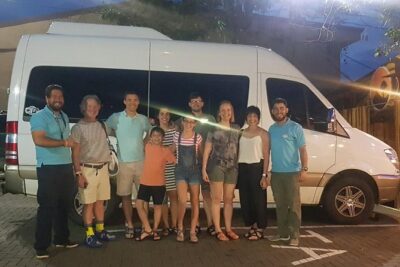
The ride matters more than you might think. This tour uses a white Fiat Ducato van for hotel pickups, and that makes the day feel organized from the start. It’s long enough to settle in, but short enough that you don’t feel like you’ve spent your whole morning behind glass. As you head out, you’ll get that quick reminder that Fuerteventura is not one flat postcard. You’re moving through different textures—dry hills, canyon cuts, and then suddenly the coast.
One more practical tip: if you’re tempted to wear sandals because it’s sunny, don’t. Closed shoes are the norm here. The day includes hiking and uneven ground, and your feet will thank you later.
You can also read our reviews of more tours and experiences in Fuerteventura.


Las Peñitas Canyon: Trails, a Dam Relic, and the Virgen de la Peña Chapel
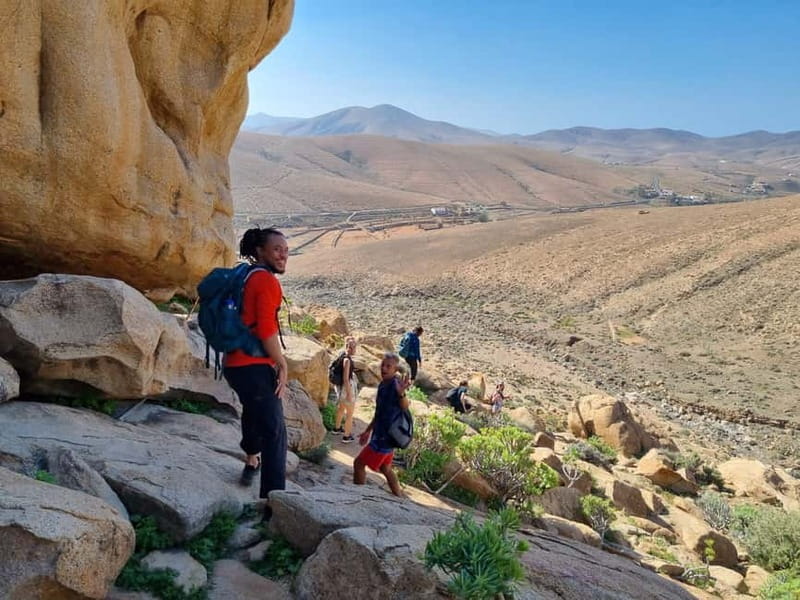
The first big stop is Las Peñitas canyon, also called Barranco de las Peñitas. This is where the tour earns its reputation as something people talk about later, because it feels tucked away. It’s beautiful, rugged, and it doesn’t come with the crowds you might expect from an island hotspot.
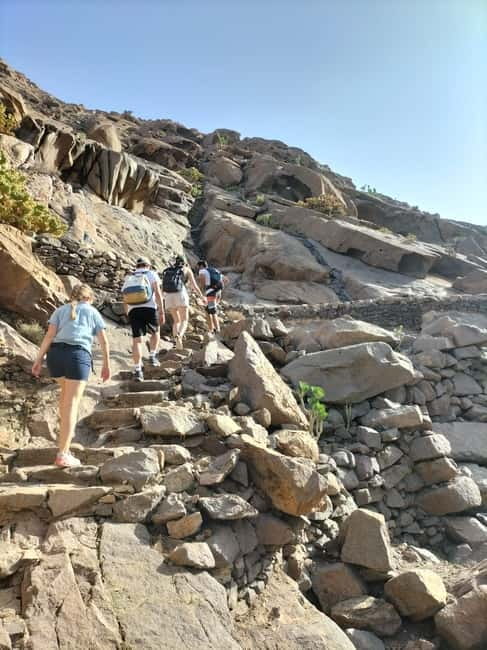
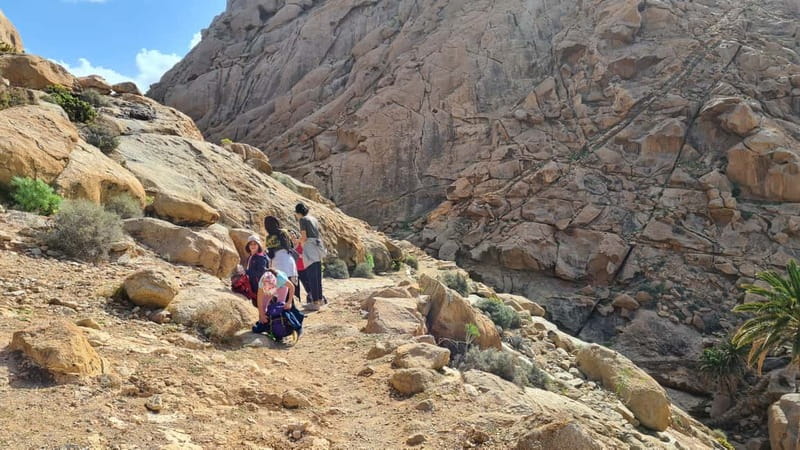
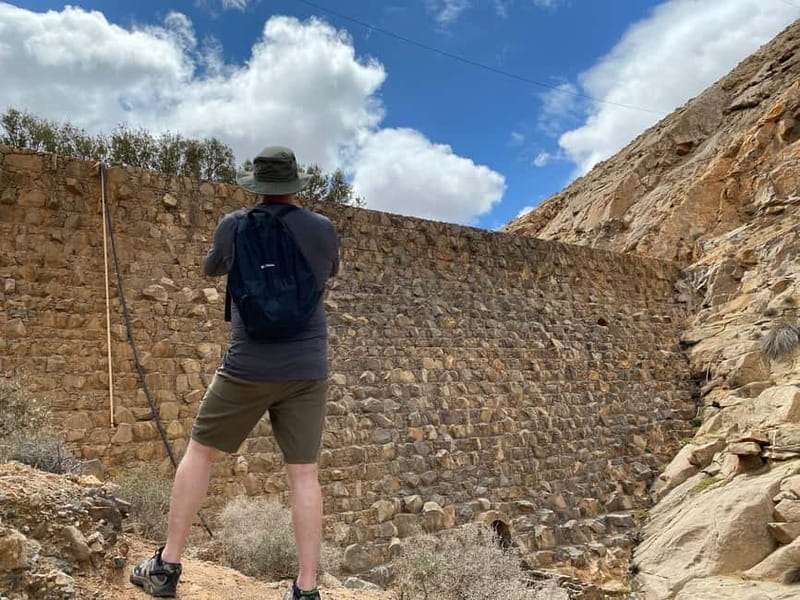
You’ll spend about 2 hours hiking on guided trails through the canyon. Expect a mix of walking surfaces—some easy footing, some slightly more demanding patches—plus plenty of stops where your guide points things out as you go. One of the coolest details is that the canyon contains one of the few remaining dams on Fuerteventura. It’s the kind of feature you’d miss if you were hiking on your own, because it isn’t the headline view. Your guide helps you connect the dots between geology, water, and how people used the island.
You also reach a small chapel dedicated to the Virgen de la Peña. This moment adds more than a photo stop. It gives the hike a local rhythm—religious and cultural life woven into a landscape that otherwise looks purely wild. In places like this, you feel how Fuerteventura’s identity isn’t only beaches. It’s also long-held traditions and the way communities marked meaningful spots.
Fitness note: the day is described as adaptable to different levels. That matches what you want in a hike like this. You don’t need to be a mountain athlete, but you should be comfortable walking for a couple hours on uneven terrain. If your pace is slower, the group isn’t left behind. The key is that you show up ready to walk.
The Arco Climb: Reaching El Arco, the Secret Window Moment
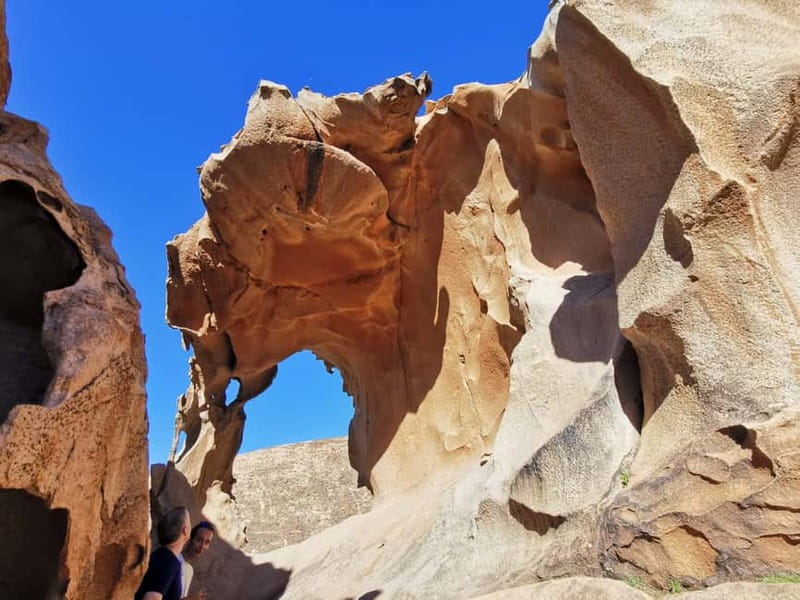
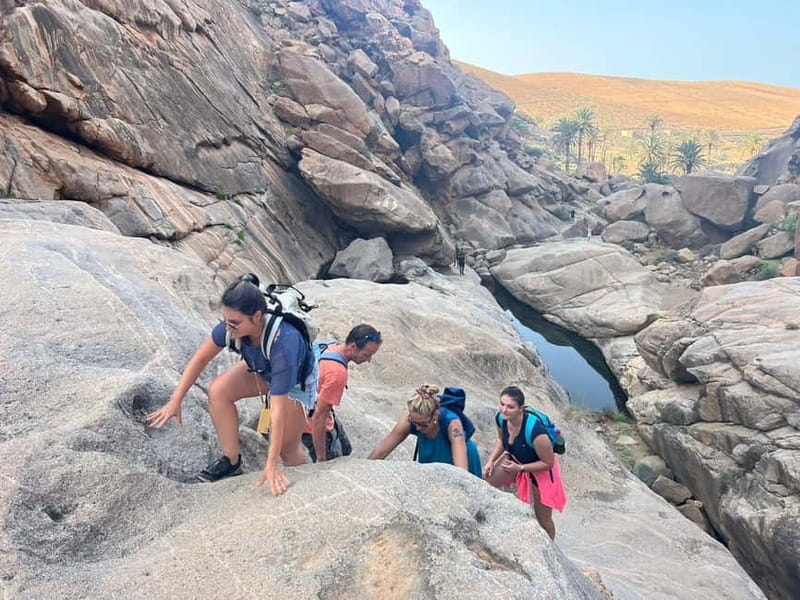
Now comes the part with the photos. In Las Peñitas, there’s a rock formation that nature shaped into what people call the window or El Arco. It’s the dramatic visual payoff—an angled, framed opening that turns “just another rock” into something cinematic.
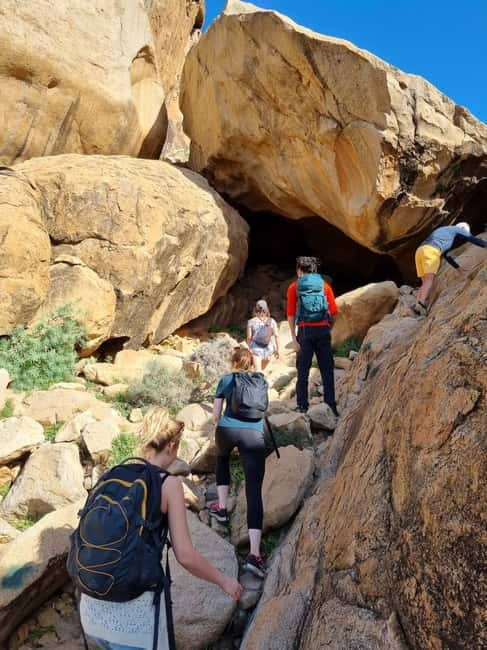
What I like about how the guide handles this climb is the focus on safe pacing. The route is built so you can get there without feeling like you have to sprint up a cliff face. Based on what people highlight in their feedback, the guide plans the path and adjusts it so the group stays together and you still get the viewpoints that make the effort worth it.
Expect a climb that feels like a climb, not a stroll. You’re moving upward, working your legs, and watching your footing. Wear the right shoes. Bring a small daypack if that’s your style, but keep it light. Heat and wind can change quickly on Fuerteventura, and you’ll want to keep your water accessible.
This is also one of those moments where timing matters. If you’re too slow, you miss prime lighting. If you’re too fast, you miss the walk’s quiet beauty while rushing to the top. A good guide keeps you in the sweet spot.
Ajuy Caves: Lava Geology, Fossil Dunes, and Lime-Hole Clues
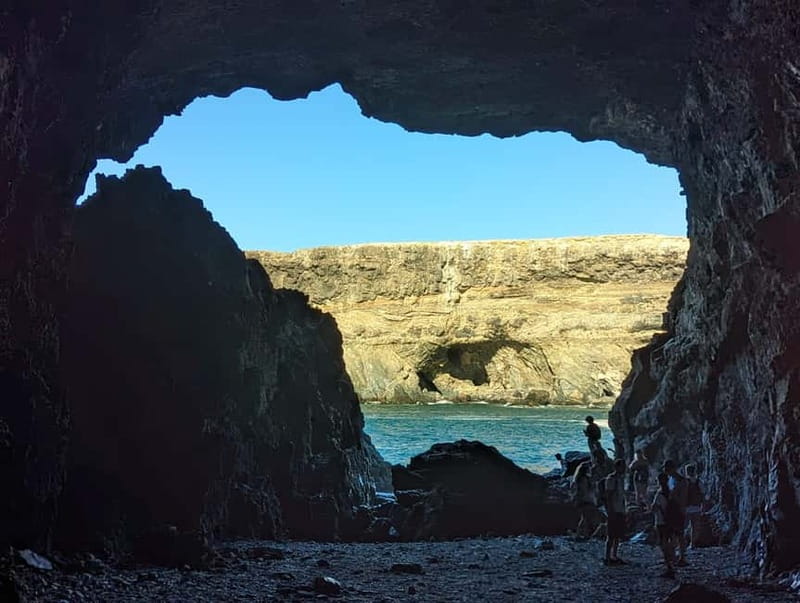
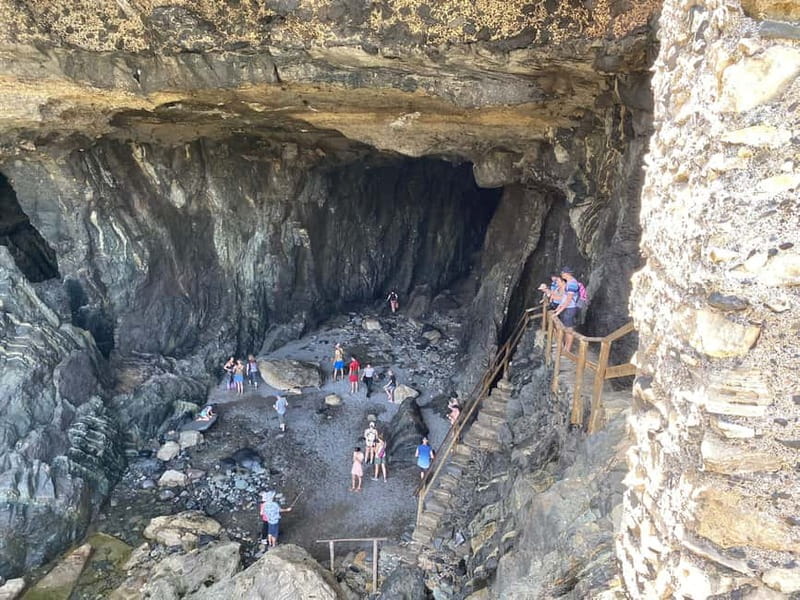
After the canyon hike, you head to Ajuy, and this is the “you’re in a protected place” stop. The Ajuy Caves area is part of Betancuria Rural Park and was declared a natural monument in 1987. That matters because it explains why access is what it is: you’re not stepping into something temporary or fragile that’s been poorly managed. It’s protected.
Access is straightforward: you take a path of roughly 500 meters from Ajuy to reach the caves. But even if you’re thinking of this as a quick walk, the approach is worth it. Your guide shares what you’re looking at, including oldest fossil dunes on the island, formed from solidified sand. Fossil dunes don’t sound exciting on paper, but seeing them up close makes the island’s story click: this isn’t just scenery; it’s ancient processes written into stone.
You’ll also notice lime holes, an activity connected to traditional building. Historically, the area supplied lime to other Canary Islands well into the twentieth century. That’s a surprising economic detail, and it changes how you interpret the caves. They aren’t only a dramatic coastline. They’re part of a supply chain of materials and craft.
The caves themselves can be a bit weather-dependent in winter. If there’s a severe coastal phenomenon alert or serious weather conditions, the caves can close for safety. In that case, you still get a guided day—your group visits Betancuria, the historic village. It’s a sensible backup, and it keeps you from having a “stand around and hope” morning.
Beach Lunch at Ajuy: Simple Food, Good Views, Real Rest
Lunch is included: a sandwich lunch and a non-alcoholic drink. It’s timed so you can recharge after the hike, and it’s not a heavy meal, which is exactly right for this kind of day.
Where lunch hits is the setting. People consistently describe the lunch spot as pretty and view-forward, which makes sense. You’re at the coast after walking inland canyons. Even a simple lunch tastes better when you’re sitting with sea air and rocks in the frame.
If you’re the type who gets hungry fast, keep your expectations realistic. This isn’t a multi-course restaurant meal. It’s practical, included fuel. You’ll likely do fine as long as you also bring water and eat at a reasonable pace.




Getting Back: North Roads, Then Drop-Off at Multiple Stops
After Ajuy, the day winds down with the return drive. You head back toward the north, and then you’re dropped at a series of locations. Drop-offs can include points like Corralejo meeting-area spots and other named stops along the route (including areas such as Cotillo and other pickup/drop zones listed).
The driving time between parts of the day is meaningful. It helps that the tour is built as a sequence, not a shuffle. You’re not rushing from one place to another without a plan. That’s why you feel like you got both the hike and the cave experience, instead of only “we got some walking in and then we left.”
Who This Tour Fits Best (and Who Should Skip It)
This tour is built for people who actually want to walk. It’s not framed as a sightseeing bus loop. The hike through Las Peñitas and the climb toward El Arco mean you need a decent baseline.
Based on the tour’s own suitability notes, it’s not suitable for:
- children under 4
- wheelchair users or people with mobility impairments
- people with heart problems
- people with respiratory issues
- people with low level of fitness
If you do have some stamina, you’ll probably love the pacing. One of the most praised parts in feedback is that the guide keeps routes exciting but safe, and that the pace works for the group. If you’re nervous about “secret window” climbs, you can take comfort from how the tour is described: guided steps, planned route, and adaptation to fitness levels.
You should also think about your footwear. The tour specifically says no sandals or flip-flops. Closed shoes aren’t a suggestion here; they’re a survival tool.
Price and Value: What $100 Gets You on Fuerteventura
At about $100 per person, this tour sits in the mid-range for island excursions. The best way to judge the value is to look at what’s actually included and why that matters.
What you get:
- hotel pickup and drop-off (north options; cruise option in Puerto de Rosario)
- transportation
- a guided 2-hour hike through Las Peñitas plus the climb toward El Arco
- a guided visit to the Ajuy Caves area
- sandwich lunch + non-alcoholic drink
For me, the value comes from the combination: you’re paying for two guided nature-based experiences in one day, plus logistics that would be annoying to piece together yourself (especially if you’re not driving). Also, the small group size matters. Up to 10 people means fewer people crowding the same viewpoints and easier communication with the guide.
Could you do parts on your own? Sure. Ajuy is reachable independently, and hiking is possible. But the tour’s strength is interpretation: you’re not just walking through scenery. You’re getting the meaning behind what you see—the dam relic, the Virgen de la Peña chapel, the fossil dunes, the lime holes, and the protective status of the caves.
Practical Tips Before You Go
If you want this day to feel smooth, pack and plan like you’re hiking, not just visiting.
Bring:
- sports shoes (not sandals)
- sunscreen
- hat
- water
- daypack
And remember:
- Weather can change cave access in winter due to safety rules along the coast.
- The tour runs about 7 hours, so you’ll want to treat it as a full day.
- The guide works in English, Spanish, Dutch, and German, so you should be able to follow comfortably if you’re in those languages.
So, should you book it?
I’d book this if you want an active day that still feels well-managed: a guided canyon walk with a local chapel moment, a climb to El Arco for those window-shaped views, and a guided stop at Ajuy Caves with geology you can actually understand.
Skip it if you can’t comfortably handle uphill walking on uneven ground, or if you need wheelchair access. Also consider the seasonal cave risk: if you’re traveling in winter and caves would be your one and only target, know that the plan can shift to Betancuria for safety.
If you’re a steady walker who likes real places over checklists, this is one of those tours that turns into a highlight—because you come away with both effort and explanation, and you’re not fighting transport logistics on your own.