REVIEW · MALTA
First scuba diving experience with instructor – Malta
Book on Viator →Operated by DiveBase Malta · Bookable on Viator
First scuba day sounds like a lot. This one works because it stays calm and moves step by step from gear to hand signals to real water. I like the private, first-timer focus with an instructor that can adjust to nervous beginners, and I also like that you get both training and actual time in the sea (not just a classroom demo). The main consideration: you’ll need good health and a willingness to work through ear-pressure equalizing and breathing at your own pace.
The setting is St. Paul’s Bay, and the whole experience runs about 3 hours in total. You’ll practice in controlled conditions first, then progress to shallow and open-water sessions so you can experience Malta’s marine life from beneath the surface. It’s built for people who are curious, but not yet confident underwater.
In This Review
- Key things that make this Malta session work for beginners
- St. Paul’s Bay timing: how the 3 hours actually feel
- What happens in the briefing: gear, ear pressure, and hand signals
- The first water practice: calm time to get comfortable
- Progressing to shallow and open water: seeing Malta under the surface
- Private attention and small groups: why it matters more than you think
- Price and value check: what you get for the cost shown
- Practical Malta packing: what to bring on a 3-hour water day
- Safety and health notes you should not ignore
- Language, communication, and why it can affect your experience
- When things go wrong: manage the small risks
- Who should book this Malta session
- Should you book this first-time scuba experience in Malta?
- FAQ
- How long is the Malta experience?
- Where does it start and end?
- Do I need prior scuba experience?
- What will I learn during the session?
- Is scuba equipment and insurance included?
- Do I receive a certificate?
- How long should I wait before flying after the dive?
Key things that make this Malta session work for beginners
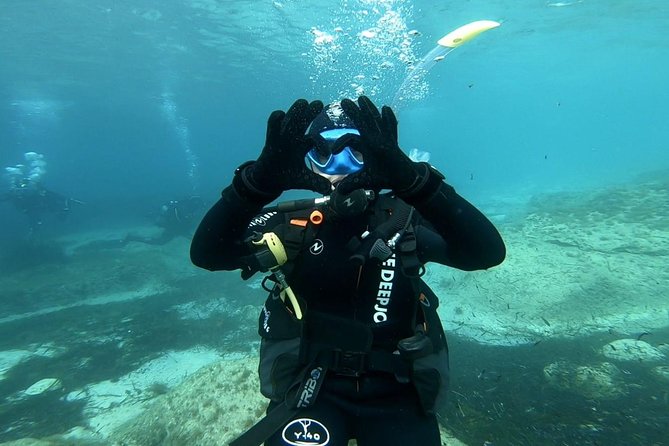
- 3-hour structure that includes briefing, equipment setup, and two water stages (confined/shallow then open water)
- Clear beginner skills: gear use, ear equalization, fin swimming without strain, and underwater hand signals
- Small group experience with a maximum of 8 people, and on some days it can feel even more personal (like 2 divers with 1 instructor)
- You leave with a PADI Certificate of Achievement that’s valid and recognized worldwide
- Safety and insurance included, plus an instructor who prioritizes calm, step-by-step coaching (common feedback includes Antonio, Davide, and Georgia being patient)
St. Paul’s Bay timing: how the 3 hours actually feel
This is not a half-day that drags. You’re looking at around three hours total, which includes the full sequence: briefing, fitting and set-up, then practice sessions in the water. If you arrive on time and ready to complete medical forms, the schedule tends to run smoothly and you don’t end up rushing your training.
The meeting point is DiveBase Malta, 25 Islet Promanade, St Paul’s Bay (SPB 2506). The activity ends back at the same place, so you’re not stuck with a long transfer day after you get saltwater in your gear and hair.
For most people, the “wow” moment is tied to when you first get comfortable using the equipment. That usually happens faster than you expect—once you know what you’re supposed to do with your hands and breathing.
You can also read our reviews of more tours and experiences in Malta.


What happens in the briefing: gear, ear pressure, and hand signals
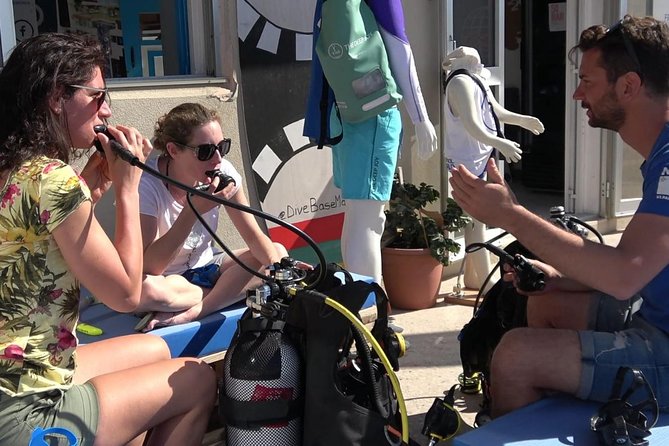
The first win here is how much attention goes into the basics. You’ll learn how to correctly use the scuba equipment, and you’ll get coaching on equalizing pressure in your ears—one of the biggest worries for first-timers. You’re not just told what to do; you’re trained until it feels manageable.
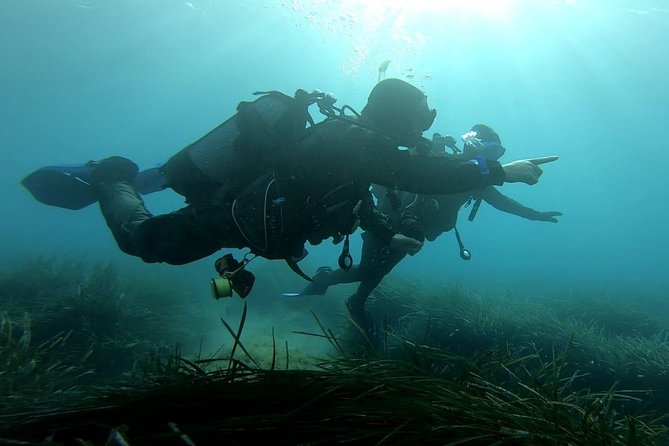
You’ll also cover communication underwater. Expect to practice hand signals so you can understand the instructor and stay in control, even when you can’t hear normal speech.
Then there’s the emotional skill: feeling at ease underwater. The training is designed to shrink the unknown. That matters because anxiety can make breathing feel harder, even when your lungs are healthy.
The first water practice: calm time to get comfortable
Before you move into open water, you’ll complete a training session in a pleasant, calm environment. This is where you should focus on fundamentals rather than speed.
You’ll practice:
- swimming with fins without unnecessary effort
- keeping your body stable and relaxed
- using the learned signals and following instructor guidance
One of the repeated themes from instructors at DiveBase Malta is patience. People mention names like Antonio, Davide, and Georgia as coaches who explain clearly and encourage you to keep trying rather than panic when something feels awkward.
Still, keep expectations realistic: if you struggle with breathing right away, you may need extra time and repetition before progression. That’s not a failure. It’s how the program is supposed to work—assuming the instructor has the time to let you build confidence.
Progressing to shallow and open water: seeing Malta under the surface
Once the first set of skills clicks, you’ll get the fun part: time underwater in both shallow and open-water conditions. This is where you stop thinking about the equipment and start looking around.
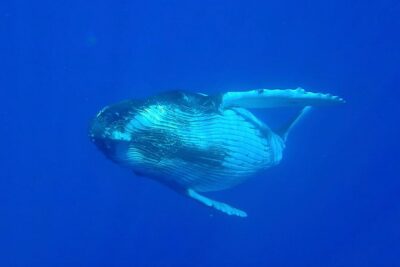
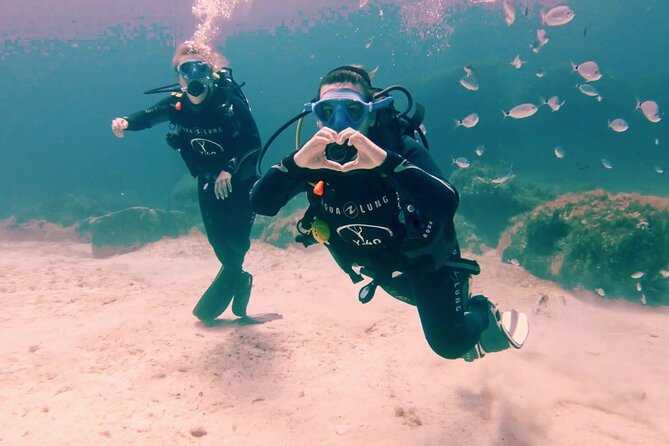
Malta’s coastal waters give you chances to glimpse marine flora and fauna up close. In actual sessions, first-timers have reported seeing local fish near them and even spotting an octopus. Under good conditions, you’ll likely spend about an hour underwater during the overall activity window—enough time to feel like you did something real, not just a quick taster.
A practical tip: focus your attention on one area at a time. If you scan everything at once while you’re still learning, you’ll burn energy fast. Once you pick a direction and slow your movements, everything looks calmer—and your breathing usually follows.
Private attention and small groups: why it matters more than you think
This experience is designed for beginners, and the instructor-to-student ratio is a big part of the value. The tour is limited to a maximum of 8 travelers, and some days are tiny in practice. When the group is small, the instructor can troubleshoot you faster—especially with things like buoyancy comfort and fin technique.
That matters because your first scuba session is not about bravery. It’s about learning a repeatable routine: gear set-up, breathing rhythm, hand signals, equalizing when needed, and moving with less effort.
If you’re the type who needs more reassurance, this is where it pays off. People have described instructors at DiveBase Malta as calm and encouraging—exactly the vibe you want on your first day underwater.




Price and value check: what you get for the cost shown
Your booking info shows $0.00, which is obviously an eye-catcher. Even if your real total ends up different depending on how you book, this kind of first-timer program tends to be best-value when it includes the big-ticket basics.
Here’s what’s included:
- Scuba equipment use
- Diving insurance
- A PADI instructor
And what you’ll need to handle:
- Your own swimsuit/bikini/shorts
- A towel (not provided)
For value, the big thing is the combination of training plus real underwater time, all under professional instruction. Many “try it” experiences only test you. This one is built to teach you what you need to enjoy the water session.
Practical Malta packing: what to bring on a 3-hour water day
Don’t overpack. You mainly need to be dry and comfortable once you’re back on land.
Bring:
- swimsuit (you’ll change before the water session)
- towel (not included)
- anything you normally need for personal comfort afterward
You’ll get the essential gear on-site. And one small detail that can save headaches: equipment care is taken seriously. There’s an expectation that you rinse gear like the wetsuit, fins, and masks after your session for hygiene and training reasons.
Also, if you’re planning a photo setup: DiveBase Malta does not offer photo service unless it’s pre-booked (which may require an extra instructor in the water). Bring a waterproof plan only if you’ve confirmed it fits the rules for your session.
Safety and health notes you should not ignore
This program is not for everyone. You need good health, plus sufficient swimming skills.
It’s explicitly not suitable if you have:
- respiratory problems, including active asthma
- blood and heart related problems
- had any kind of surgery in the past year
A doctor’s statement might be requested in particular cases, and medical forms are part of the process. I’d treat that as normal. Your instructor needs to know what your body can handle underwater.
One more key safety rule: after the dive, you must wait at least 12 hours before taking a flight. Don’t treat that like a suggestion.
Language, communication, and why it can affect your experience
Communication is part of safety. The program covers Italian and English, and it helps if you can follow instructions without strain.
If English isn’t your strongest language, plan accordingly. Understanding the briefing and hand signals reduces stress fast. Clear communication also helps the instructor keep momentum once you’re in the water.
I’d also encourage you to come prepared with medical forms filled out properly in advance if possible. When forms are incomplete, it can eat into the time you need for training.
When things go wrong: manage the small risks
Most first-timer stories here focus on patience, but no underwater day is perfect.
The most common friction points to watch for:
- you may need extra time if breathing or comfort doesn’t click quickly
- equipment sizing matters, so speak up immediately if something feels off
- language barriers can make instructions harder to follow, which can slow you down
If you’re worried, say so at the start. Good instructors respond best to early honesty: when you tell them what’s hardest for you, they can adjust teaching pace and technique.
Who should book this Malta session
This fits best if you:
- are a true beginner or new to scuba
- want instructor-led coaching rather than a “good luck out there” approach
- like learning the basics methodically: gear, equalizing, fin control, hand signals
- want a structured way to see Malta’s marine life without needing experience
It may be less ideal if you:
- have medical conditions listed as unsuitable
- are not comfortable with learning at a slower pace
- can’t commit to the after-dive rule about flying
Should you book this first-time scuba experience in Malta?
If you want a first underwater experience that prioritizes learning and safety, I think it’s a smart choice. The combination of equipment included, insurance included, a PADI instructor, and a course structure that moves from calm practice to real water time is exactly what you want for a first session.
Book it if you’re ready to take coaching seriously and you can follow the medical and breathing requirements. Skip it if any health condition applies or if you can’t plan the 12-hour flight wait afterward.
If you do book, treat the briefing like your warm-up lap. Ask questions, take your time with the medical forms, and focus on calm control rather than performance. Your reward is simple: a whole new view of Malta under the surface.
FAQ
How long is the Malta experience?
The experience lasts about 3 hours total, including briefing, equipment set up, and the water sessions. After it ends, you return to the meeting point.
Where does it start and end?
It starts at DiveBase Malta, 25 Islet Promanade, St Paul’s Bay SPB 2506, Malta. The activity ends back at the same meeting point.
Do I need prior scuba experience?
No. Previous diving experience is not required. You do need sufficient swimming skills and to be in good health.
What will I learn during the session?
You’ll practice using the diving equipment, equalizing ear pressure, feeling at ease underwater, swimming with fins without effort, and using hand signals to communicate underwater.
Is scuba equipment and insurance included?
Yes. The experience includes the use of scuba equipment, diving insurance, and a PADI instructor.
Do I receive a certificate?
Yes. After you complete the requirements, you receive a PADI Discover Scuba Certificate of Achievement. It’s valid and recognized worldwide.
How long should I wait before flying after the dive?
After the dive is concluded, you should wait at least 12 hours before taking a flight.