A volcano hike with real darkness. This private Mt. Etna day trades the usual bus stops for quiet trails and up-close geology, including a lava-tube visit. I especially like that the guide steers you away from crowded paths so you can actually take in the scale of Europe’s largest volcano.
I also like that you show up prepared without shopping first. The tour supplies a helmet, flashlight, walking sticks, and warm layers, which matters when you’re moving from bright black-sand slopes into cool underground darkness.
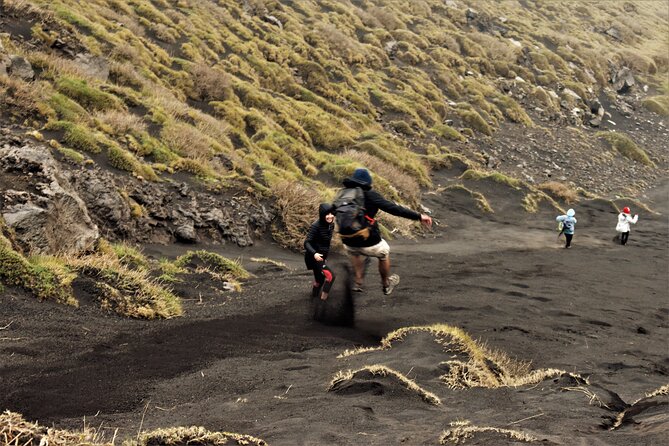
One thing to plan for: the route can include a thrilling descent across desert-like black sand. Go in with trekking shoes you wouldn’t mind getting scuffed, because this is the kind of terrain that punishes clean, delicate footwear.
In This Review
- Key highlights you’ll feel fast
- Why this Mt. Etna day works: off-track trekking + lava tubes
- Catania pick-up at 8:30 and why timing matters
- Gear makes the difference: helmets, flashlights, warm layers
- Etna trekking basics: 3–3.5 hours on volcanic terrain
- Stop 1: Etna’s paths, lava flows, and the Valle del Bove approach
- Valle del Bove: stepping into Etna Park’s volcanic basin
- Lava tubes: where the underground experience starts with light
- Stop 3: Silvestri Craters for high-altitude crater character
- How hard is it, really? (and what “medium-easy” means for you)
- Value check: what $78.61 buys you on Etna
- Who should book this Etna trek and lava tunnel day
- Best conditions and what to do about weather
- Should you book this Mt. Etna Trek Valle Bove & Lava Tunnel tour?
- FAQ
- How long is the Mt. Etna trekking and lava tunnel tour?
- Is this a private tour?
- What’s included in the tour price?
- What should I wear or bring?
- Where do we meet in Catania?
- What fitness level do I need?
- What happens if the weather is bad?
Key highlights you’ll feel fast
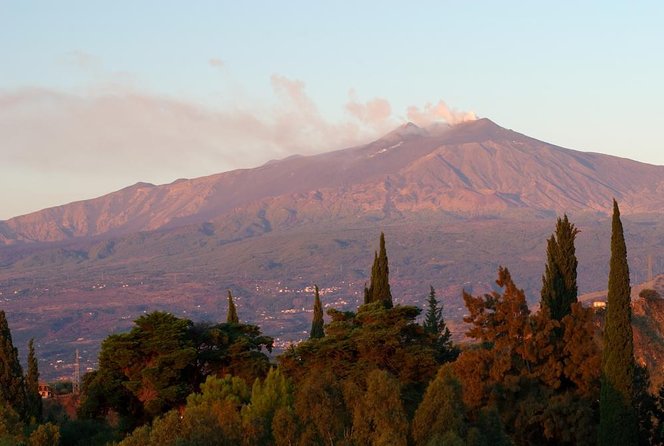
- Private Etna experience with round-trip transfers from Catania
- Helmets and flashlights included for lava tunnel exploration
- Trekking over 5.5 km with about 350 m of elevation gain
- Valle del Bove time in the Etna Park basin (about 20 minutes)
- Silvestri Craters stop at around 1,900–2,100 m (about 15 minutes)
- Route can be adjusted by the guide for weather or real safety needs
Why this Mt. Etna day works: off-track trekking + lava tubes
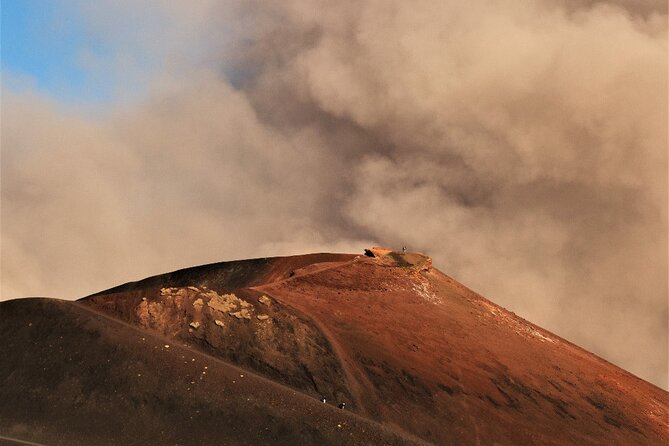
Mt. Etna is famous for a reason, but most first visits only scratch the surface. This tour is built for the in-between parts that make the mountain feel alive: walking through changing volcanic terrain and then stepping into a lava tube with light and a helmet to help you see what eruptions left behind.
What you get is a full day built around two “wow” modes. First, you hike across a moonlike mix of black sand, old and recent lava flows, and crater areas, with a guide helping you read what you’re seeing. Then you transition into the underground, where the experience becomes more physical and more sensory—darkness, echoing space, and a very real sense of how the volcano shaped the land.
The private setup is the secret sauce. You’re not fighting for a view or listening over a crowd. You move as a group, with a guide who can slow down when the terrain or conditions require it.
You can also read our reviews of more tours and experiences in Sicily.
Catania pick-up at 8:30 and why timing matters
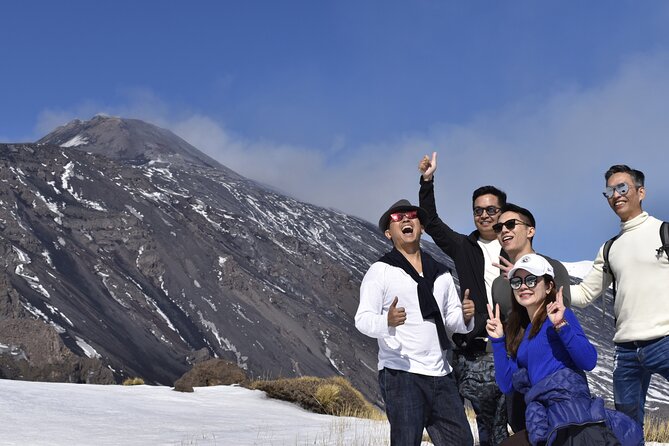
You meet at Via Alcalà 13/15 in Catania at 8:30 am, and the activity ends back at that same meeting point. That matters because a lot of Etna tours are either scattered across multiple meeting locations or long, slow transfers with no clear start structure. Here, the rhythm is straightforward: you start early, you get to the mountain, and you come back the same day.
This is also the kind of tour that benefits from planning ahead. On average, it’s booked about 55 days in advance, so if your travel dates are fixed, you’ll have better odds grabbing the slot you want sooner rather than later. Since the route depends on conditions, booking early gives you more date choices if a specific day needs to shift.
And because it’s offered in English with confirmation at booking time, you can usually lock in your day without last-minute guessing.
Gear makes the difference: helmets, flashlights, warm layers
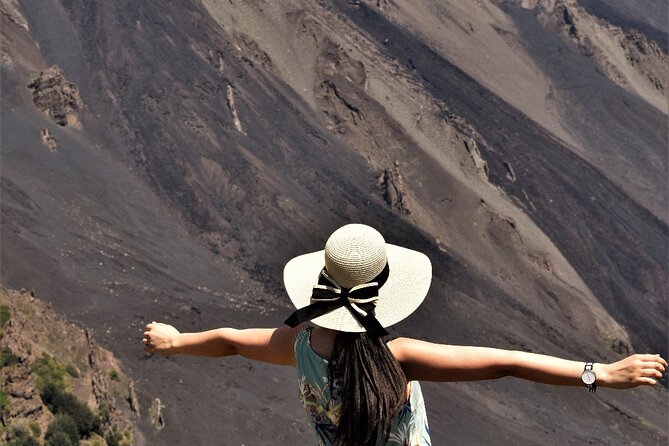
I like tours where the gear is solved for you, not left as an optional checklist. Here, you get a working “system” for two very different environments.
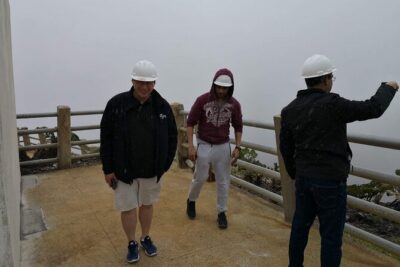
For the trek, you’re provided with walking sticks plus warm outer layers (including jackets and sweaters). That’s not just comfort—warm clothing helps you stay steady and alert while you’re climbing and then descending. The terrain can feel harsh and exposed, especially once you’re on the black-sand ground.
For the lava-tube part, you get a helmet and flashlight. That combination is practical, not just ceremonial. Helmets help protect you in tight or uneven sections. Flashlights let you see the tube’s inner shapes and textures as you move, rather than treating the underground as a vague dark tunnel.
What you should bring yourself: proper trekking shoes, and plan on bringing snacks or a lunch strategy because lunch isn’t included. (More on that in the value section.)
Etna trekking basics: 3–3.5 hours on volcanic terrain
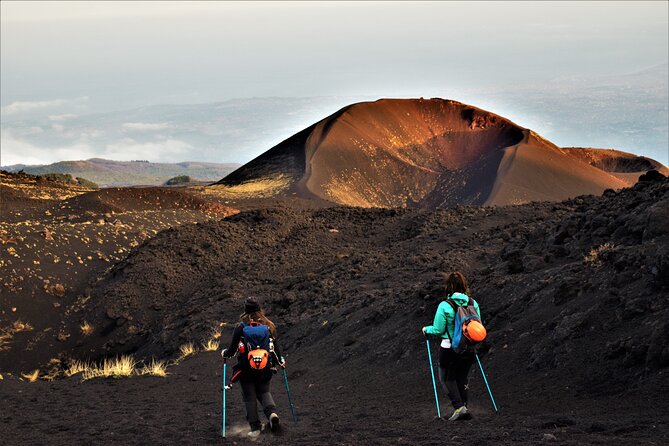
The trekking portion is about 3 to 3.5 hours, with an overall trek length of roughly 5.5 km and about 350 m of elevation gain. The maximum altitude is around 2,100 m, so you’re not just walking on flat paths—you’re working uphill and then coming down through rough volcanic ground.
The difficulty is rated medium-easy, which usually means: this is doable for people with moderate fitness, but you still need real walking balance. The route can include old trails and rough volcanic surfaces. And yes, at some point there’s that desert-like black sand descent. This is where trekking shoes matter, because traction and foot support are what keep the day fun.
Your guide leads you out of crowded, tourist-heavy areas. That’s great for your experience, but it also means you’re trusting their timing and path choices. The itinerary also notes that the route can be changed at the guide’s discretion if weather conditions or genuine safety risks require it—so you should show up ready to adapt.
Stop 1: Etna’s paths, lava flows, and the Valle del Bove approach
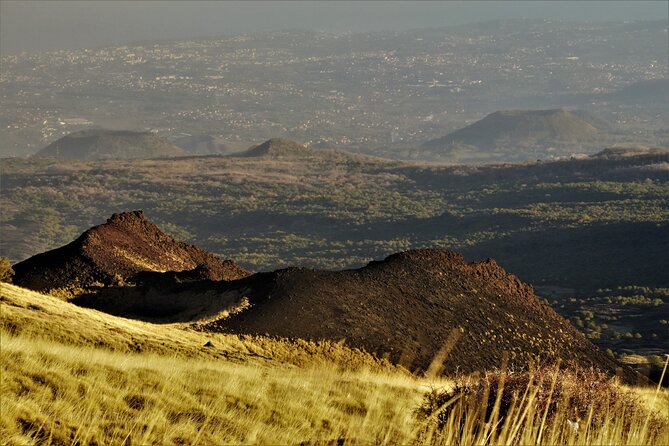
Stop 1 is the main engine of the day, even though it’s more like an extended trekking segment with multiple terrain “chapters.” You’ll walk along paths on Mount Etna, a UNESCO World Heritage Site, and see how the volcano’s structure shows up at ground level.
Here’s what the trek-style description tells you to expect:
- Moonlike volcanic terrain that can feel barren at first glance
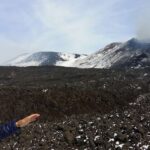
- Mixed ground types: black sand deserts, woods, older lava flows, and more recent lava flows
- Crater viewpoints along the way (you’ll reach older craters)
- A gradual build toward the basin area of Valle del Bove
There’s also a wildlife and plant angle. You’re not just getting rocks—you’re walking through volcanic environments that support specific flora and fauna. That’s one reason I like Etna on foot: it stops being only a geology subject and becomes a living ecosystem shaped by eruption history.
The most important practical takeaway for Stop 1: your pace and comfort will depend on footwear. If your shoes are too smooth, you’ll feel it on the sand. If they’re too flimsy, you’ll feel it on the uneven lava surfaces. This isn’t a fashion-forward hiking day—it’s a traction and stability day.



Valle del Bove: stepping into Etna Park’s volcanic basin
You get about 20 minutes at Valle del Bove. This basin is on the eastern side of Etna’s volcanic structure, within the protected area of Etna Park, in the territory of Zafferana Etnea.
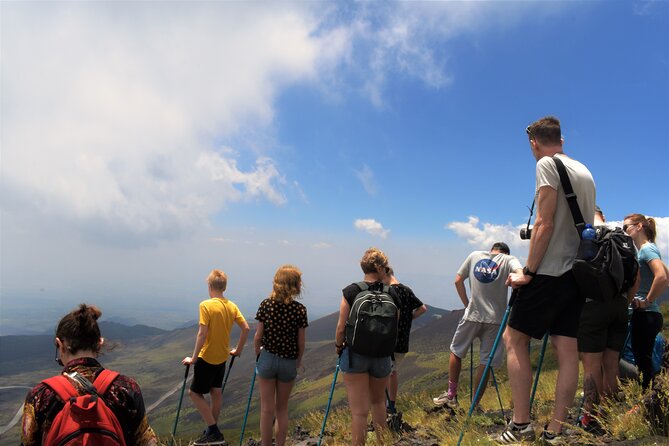
What I like about this stop is how it gives your hike a geographic anchor. After walking through different lava textures and crater areas, Valle del Bove helps you “zoom out” mentally and understand the mountain’s bigger shape. A basin like this reads like a natural bowl carved by volcanic activity and erosion patterns. Even with a short stop, it’s the kind of place where your guide can point out scale and structure in a way that’s hard to grasp from a single viewpoint.
Drawback to consider: you only have around 20 minutes here, so don’t plan on long lingering or heavy photography marathons unless you’re comfortable moving quickly with the group. If you’re the type who needs time to stretch and soak in the view, use that time well.
Lava tubes: where the underground experience starts with light
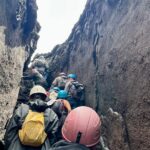
The lava tube exploration is one of the main reasons to pick this exact tour instead of a standard Etna viewpoint hike. You’ll enter lava tubes that were formed during past eruptions, and the tour provides helmet and flashlight to help you navigate.
Even if you’ve seen lava-tube photos, being inside one is different. The ground can feel uneven, the ceiling and walls can create shifting shadows, and your flashlight becomes your compass. The darkness also amplifies the sense that the volcano created space—space that still exists long after the eruption ended.
Practical tips for you during the tube portion (based on how these tours are typically run and what the gear implies):
- Keep your flashlight angled so you’re not losing sight of your footing
- Move carefully and follow the guide’s pacing—these areas reward attention
- Expect a shift from bright outdoor conditions into cooler, dimmer air
Also note the itinerary framing: this tube part is described as fascinating because it shows the secrets eruptions leave behind in darkness. That’s what you should aim for—curiosity plus caution, not speed.
Stop 3: Silvestri Craters for high-altitude crater character
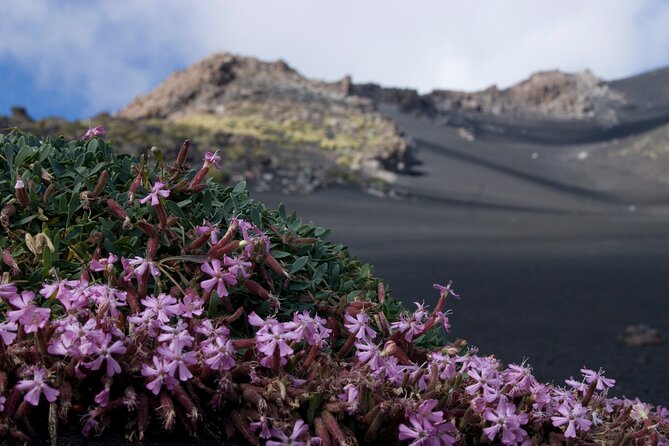
After Valle del Bove, the tour includes a shorter crater stop: the Craters Silvestri of Mount Etna, with about 15 minutes allotted. These are two pyroclastic cones located north of Nicolosi, around 1,900 m altitude.
Why this matters for your day: pyroclastic cones give you a different volcanic “story” than lava flows and basins. Even a quick visit can help you connect the dots between how volcanic material travels, piles up, and shapes future terrain.
In practical terms, this is a viewpoint-style break in the middle of a walking schedule. It’s also where timing matters—if weather is active, a guide may adjust what you see and where you pause. Keep your eyes open for what the guide points out, because with only 15 minutes, you’ll get the most value by listening rather than scanning aimlessly.
How hard is it, really? (and what “medium-easy” means for you)
The trekking segment is rated Medium-Easy with moderate physical fitness required. You’re walking for 3–3.5 hours, covering about 5.5 km, and climbing roughly 350 m. That combination usually feels manageable if you’re comfortable walking uphill and handling uneven surfaces.
But “medium-easy” doesn’t mean “smooth.” The day involves black sand, lava terrain, and at least one notable descent. If you’ve got knee issues, unstable ankles, or you’re not used to traction on loose volcanic ground, you’ll want to plan accordingly.
The good news: the tour is structured with stops that break up the walking. Valle del Bove and the Silvestri Craters each come with short time blocks, so you’ll have a chance to regroup and rehydrate mentally.
The other good news is the guide’s role. The itinerary explicitly notes that the route can be changed due to safety risks or adverse weather conditions. That’s a sign of responsible decision-making, not a promise of perfect weather.
Value check: what $78.61 buys you on Etna
At $78.61 per person, this tour has a strong value profile if you price it by what’s included.
Included:
- Private transportation from Catania and back
- Helmet, flashlight, walking sticks, and warm outerwear
- Admission tickets for the stops
- A guided trek with a route designed around specific Etna areas
Not included:
- Lunch
- Bottled water
That “not included” part is normal, but it’s where you should do a little prep. If you show up without any plan for food or water, you’ll feel it in the back half of the day. Even if the guide provides breaks, your energy level depends on your own snacks.
If you were to cover gear rental, transport, and admission separately, the total usually climbs fast. Here, you’re paying for a guided day with the essentials handled. That’s why it earns a very high recommendation rate and a top rating.
Who should book this Etna trek and lava tunnel day
I’d book this if you want:
- A private Etna experience (not a crowded cattle-line day)
- A guided walk across real volcanic terrain, not only a viewpoint
- Lava tubes as a highlight, with helmet and flashlight support
- A day that’s built around a UNESCO setting plus the Etna Park basin of Valle del Bove
You might skip it (or at least think twice) if:
- You have trouble walking 3–3.5 hours over uneven, volcanic ground
- You strongly dislike the idea of getting your shoes dirty
- You want a mostly effortless sightseeing day with minimal physical effort
Because the max altitude is around 2,100 m, you should also consider how you usually handle higher ground. The tour starts early, which can help with overall comfort, but your body still has to do the work of climbing.
Best conditions and what to do about weather
This experience needs good weather. If it can’t run safely, you’ll be offered a different date or a full refund. That’s the right approach for Etna terrain, since black sand footing and lava-tube conditions aren’t something to gamble with.
What you can do to make it easier:
- Wear trekking shoes from day one
- Bring warm layers (you’ll get warm gear, but layering is smart)
- Plan for a changeable schedule if the guide shifts the route for safety
Should you book this Mt. Etna Trek Valle Bove & Lava Tunnel tour?
I think you should book it if your goal is to see Etna as a physical place you walk through—black sand, lava textures, crater areas—and then experience how volcanic eruptions created underground space. The big reasons to choose it are the off-track guidance, the provided safety gear for lava tubes, and the fact that the trekking portion is long enough to feel real without being an all-day suffering contest.
If your biggest priorities are comfort-first or you’re not steady on uneven ground, choose a gentler Etna option instead. But if you’re ready for a true Etna day with the mountain’s terrain as the main event, this one is an easy yes.
FAQ
How long is the Mt. Etna trekking and lava tunnel tour?
The tour runs about 6 to 7 hours total, with roughly 3 to 3.5 hours spent trekking.
Is this a private tour?
Yes. This is a private tour/activity, with only your group participating.
What’s included in the tour price?
You get private transportation, a helmet and flashlight, walking sticks, warm jackets and sweaters, and admission tickets for the included stops.
What should I wear or bring?
Wear trekking shoes or shoes you wouldn’t mind ruining. The tour provides warm outerwear and trekking supports, but lunch and bottled water are not included.
Where do we meet in Catania?
Meet at Via Alcalà, 13/15, 95129 Catania CT, Italy. The start time is 8:30 am, and the tour ends back at the meeting point.
What fitness level do I need?
You should have moderate physical fitness. The trek is rated medium-easy, includes about 350 m of elevation gain, and can involve walking on black sand.
What happens if the weather is bad?
This experience requires good weather. If it’s canceled due to poor weather, you’ll be offered a different date or a full refund.