REVIEW · CORFU
Corfu: Gastronomy Walking Tour
Book on GetYourGuide →Operated by Corfu Walking Tours · Bookable on GetYourGuide
Corfu’s food trail starts right where the island’s story starts. This 3-hour gastronomy walking tour takes you through Corfu Town with a local guide and a string of tastings that go way beyond the usual tourist bites. I love the way it links each plate to the ingredients and habits behind it, and I love that you meet the people who make Corfiot cuisine work day to day, not just the food. One thing to plan for: you’ll likely eat a lot, including alcohol options, so if you don’t drink much you’ll want to manage that from the start.
You’ll meet at a real landmark moment—in front of the Old Fortress in Corfu Town by the statue of Schulemburg—then walk from stop to stop sampling local specialties. The tour is paced for small groups (up to 10), and it’s run in English with a live guide. If you’re thinking of squeezing it in after a big meal, don’t. Go hungry, or at least go with a light stomach and good water habits.
In This Review
- Key things that make this Corfu food walk worth it
- Old Fortress meeting point: why the start matters
- How the 3-hour rhythm works (and what you’ll taste)
- A realistic expectation for pacing
- The “hidden spots” part: how you benefit even if you know Corfu Town
- Artisans and traders: the real value is the people
- History lessons that actually connect to lunch
- Stop-by-stop: what to expect during the 5–6 stops
- Stop 1: First tastings to set the tone
- Stop 2: Snacks and another ingredient focus
- Stop 3: A spice shop moment (often a highlight)
- Stop 4: Liquors and the choice to sample
- Stop 5: Bigger bites and a clear move toward lunch
- Final stop: Lunch-style finale
- Price and value: what $104 buys you in practice
- Logistics that can make or break your day
- Come hungry (seriously)
- You’ll walk, so wear walking shoes
- Group size is small, so speak up
- Who this tour is best for
- Should you book the Corfu Gastronomy Walking Tour?
- FAQ
- How long is the Corfu gastronomy walking tour?
- How much does it cost?
- Where do I meet the tour?
- Is the tour in English?
- What’s included in the price?
- Is hotel pickup included?
- How many people are in the group?
- Is the tour wheelchair accessible?
- Should I eat before I go?
- How flexible is cancellation or payment?
Key things that make this Corfu food walk worth it
- A small group (max 10) keeps the experience personal and makes it easier to ask questions.
- All food and drinks are included, so you can focus on eating and learning without surprise costs.
- Meet traders and artisans who practice Corfiot cuisine, not just random snack stops.
- A history-by-bite approach connects flavors to local ingredients and seasonings.
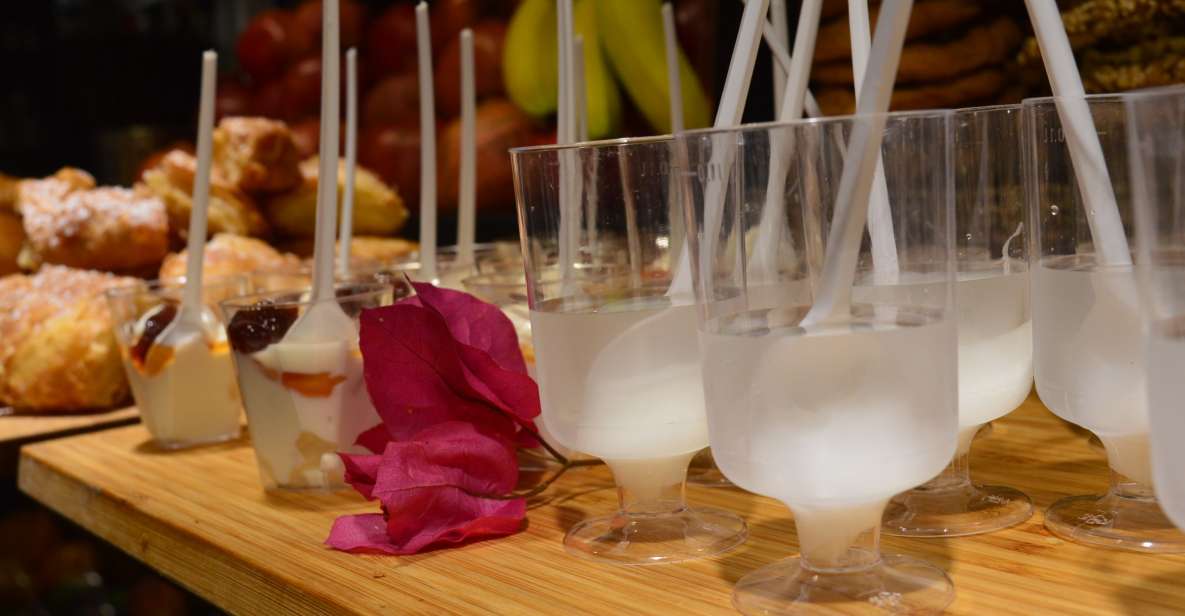
- Lots of food across 5–6 stops, ending with a sit-down lunch feel.
- English live guide and wheelchair accessibility make it practical for most visitors.
Old Fortress meeting point: why the start matters
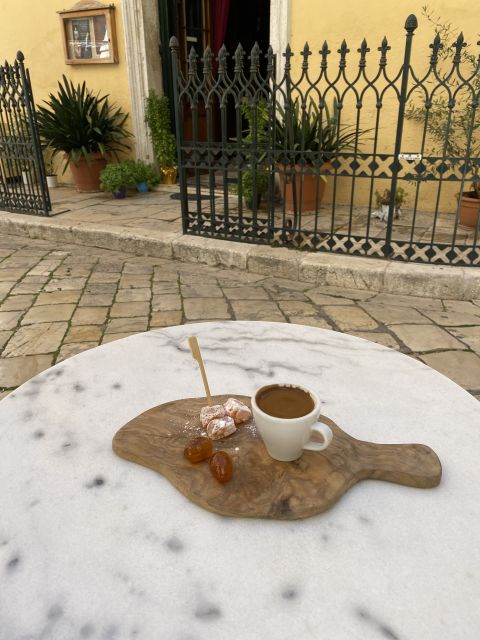
I like that the tour starts at a clear, central landmark: in front of the Old Fortress in Corfu Town, by the statue of Schulemburg. It’s one of those meeting points that doesn’t feel like a guessing game. You can arrive with decent orientation, then immediately shift into “Corfu Town mode” on foot.
Also, starting right in the old-city zone helps you understand the setting. Corfu Town isn’t just pretty buildings. It’s a place where food practices are shaped by local suppliers, coastal habits, and generations of recipe memory. With a walking format, you’re not stuck staring at menus. You’re actually moving through the same neighborhoods where people shop, snack, and lunch.
One more practical note: there’s no hotel pickup or drop-off, so you should plan to walk or use local transport on your own to get there.
You can also read our reviews of more tours and experiences in Corfu.



How the 3-hour rhythm works (and what you’ll taste)
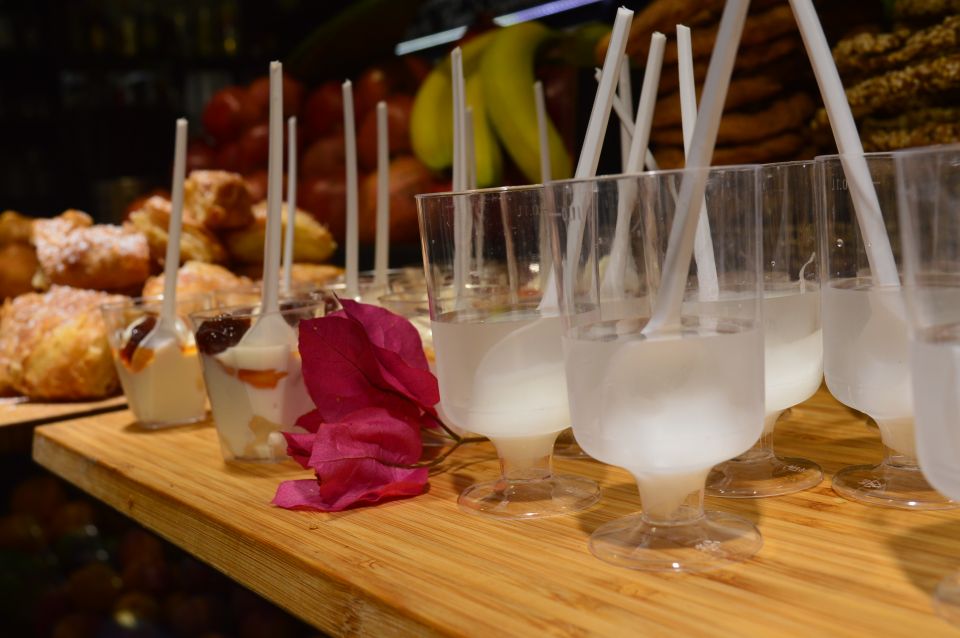
This tour runs about 3 hours, and most experiences follow a similar flow: a series of tasting stops plus the kind of wrap-up meal that makes you leave satisfied, not just “sampled.”
From what’s described, you’ll typically hit about 5–6 different stops. The range of tastings can include breakfast-style bites, snacks, a stop centered on liquors, and a final lunch. That last part is important. Many “food walks” stop at small samples and call it a day. Here, you should expect enough food that you’ll feel like you had a real meal by the end.
The guide also builds in the story of each stop. You’re not just told what you’re eating. You get the “why” behind it: the ingredients used in traditional recipes, how seasonings matter, and how local people think about flavor. It’s a useful way to learn without turning it into a classroom.
A realistic expectation for pacing
Because the tour is walking and stop-based, the pace suits people who like short transitions—eat, walk, listen, taste again. It’s also a good fit for your first or second day in Corfu Town, since it helps you get the layout and food logic of the city fast.
The “hidden spots” part: how you benefit even if you know Corfu Town
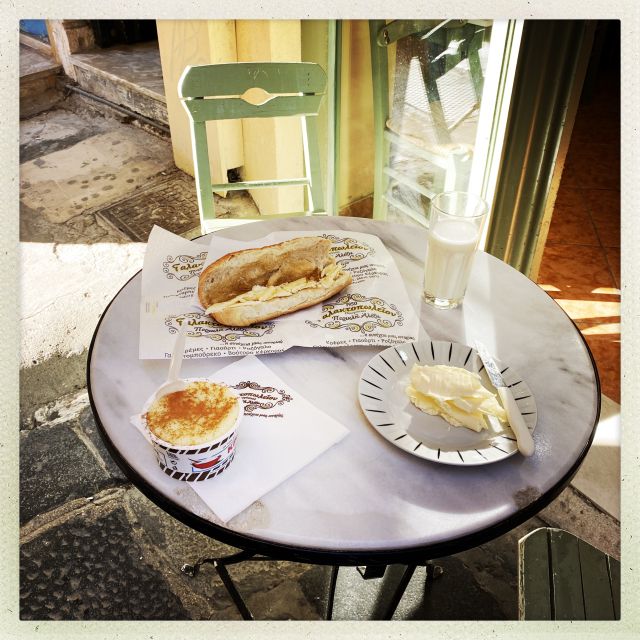
The headline promise here is well-hidden eating spots. I think that’s more than marketing. Corfu Town has plenty of tavernas and counters, but the best places often depend on regulars and local relationships—things you won’t pick up from a street map.
You’ll go beyond the obvious stops and into the kind of small shops where the owner greets you and the food comes from practiced routines. In one experience description, the group interacted directly with shop owners and chefs, which is the big difference between this and “look but don’t touch” sightseeing.
Another advantage: you’re getting guidance on what to try and how to think about it. When a local trader explains ingredients and seasonings, you start noticing flavor patterns. Then, when you’re on your own later, you can order with more confidence instead of hoping for the best.
Artisans and traders: the real value is the people
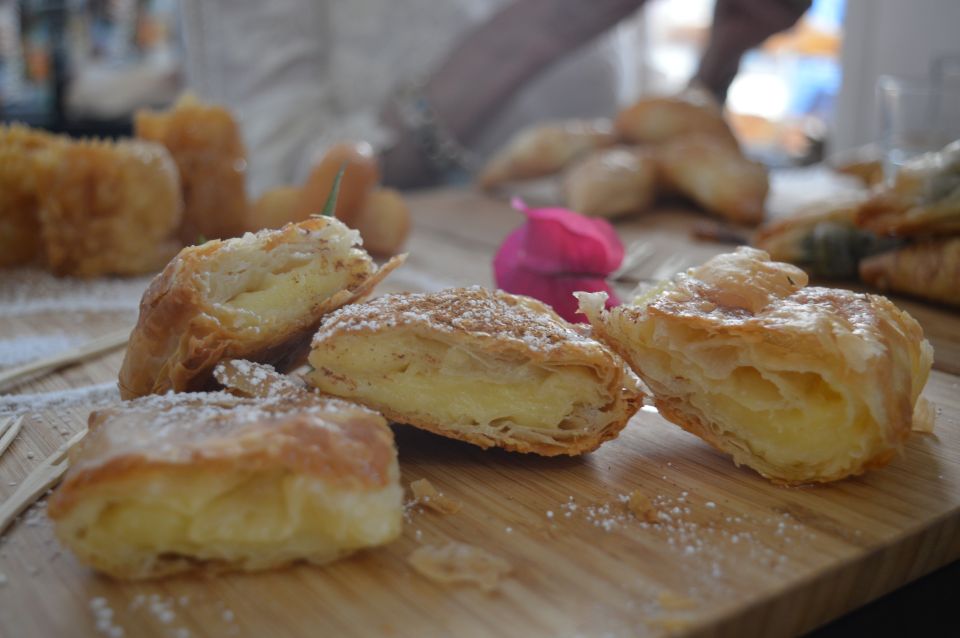
One of the most consistently praised parts is meeting the people behind the food. Guides aren’t just presenting the tastings; they’re bringing you to the traders and artisans who master Corfiot cuisine. That matters because Corfu food is often about methods—how something is seasoned, how it’s served, and what ingredients are considered normal.
If you get a guide like Alice, Nausica, Electra, Alkistis, Val, or Katerina (names mentioned in tour feedback), you can expect the same core idea: the guide makes you feel included, and the stops feel like friendly introductions. One review called the tour a feeling of touring with a friend, which is exactly what you want when you’re walking into small places you might otherwise overlook.
Also, don’t be shy with questions. A standout feature is that the tour encourages you to ask for advice on how to use local produce to enrich your cooking back home. That’s a practical takeaway. You’re not only learning what to eat; you’re learning what to look for when you recreate flavors elsewhere.





History lessons that actually connect to lunch
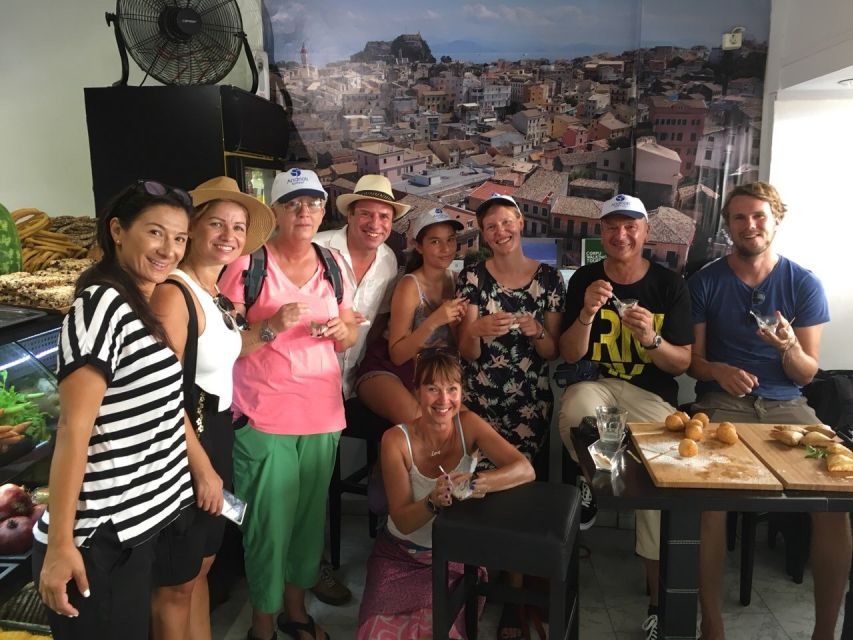
A lot of tours toss in historical facts that float above the food. This one tends to link history with taste.
You’ll learn the history behind dishes and also hear how local tradition shapes ingredients and seasonings. Some of the history even gets woven into the broader old-town walk—so landmarks and streets stop being scenery and start becoming context.
There’s also a chance for a cultural stop beyond food. In at least one described experience, the guide timed a visit to Saint Spyridos as part of the tour’s cultural highlights. That kind of timing depends on what’s happening that day, so you should think of it as a possible bonus, not a guaranteed fixed element.
Stop-by-stop: what to expect during the 5–6 stops
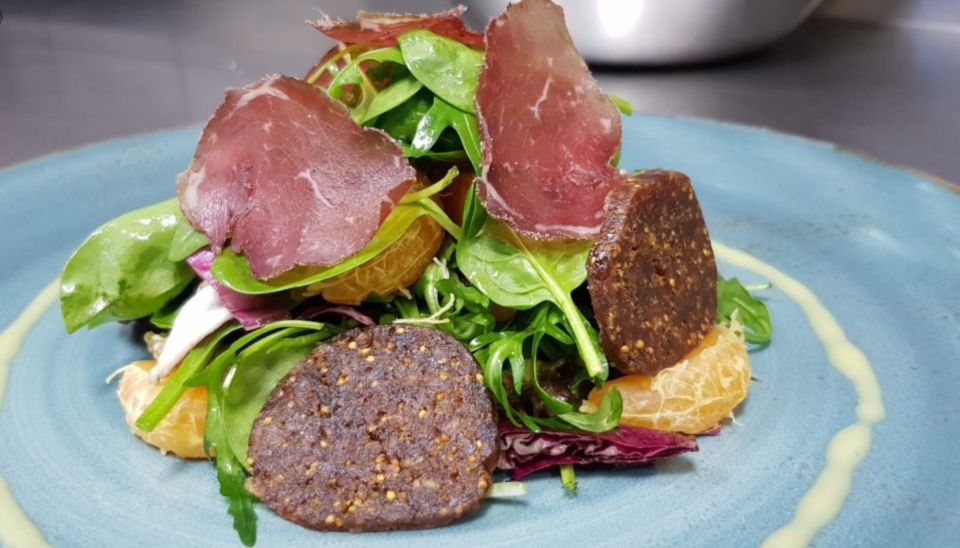
Because the exact stops can vary, I can’t promise every location. But you can plan for the categories and the way the stops “feel,” which is what helps you show up ready.
Stop 1: First tastings to set the tone
You’ll start with carefully selected local delicacies—usually in a setting where you can try a portion and talk it through. This first stop matters because it sets what the guide will measure everything by: local flavors, traditional seasonings, and what makes Corfiot cuisine distinctive.
Stop 2: Snacks and another ingredient focus
Next usually comes another tasting where the tour shifts slightly—another texture, another flavor direction. This is where you’ll start noticing patterns: how spices show up, how sweetness and salt balance, and why certain ingredient choices feel standard here.
Stop 3: A spice shop moment (often a highlight)
A spice shop showed up as a standout in one described tour. Even if your specific shop differs, expect a stop that gives you a deeper sense of how local seasoning works. This is also a smart stop for questions, because it’s where you can learn how ingredients are used, not just what you ate.
Stop 4: Liquors and the choice to sample
You should expect a stop featuring liquors. Reviews describe it as part of the tour’s rhythm, and it can add real flavor education. If you don’t drink, you should still go. Taste what you’re comfortable with, and let the guide know early that you’d like less alcohol presence in your tastings.
Stop 5: Bigger bites and a clear move toward lunch
As the tour approaches the end, the portions often feel more satisfying. One theme in feedback is that the amount of food is substantial, with descriptions of big portions at each stop.
Final stop: Lunch-style finale
Most experiences end with a lunch that feels like an actual meal, not just a last snack. This is where you should slow down, taste thoughtfully, and think about what you’d want to order again on your own.
Price and value: what $104 buys you in practice
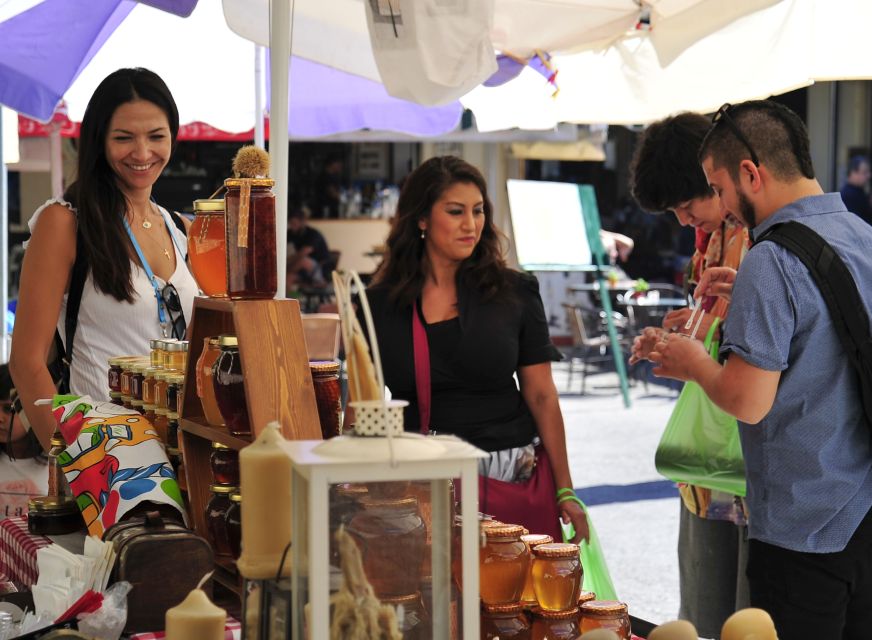
The price is $104 per person for about 3 hours. That’s not cheap, but it can be good value because all food and drinks are included, plus you get a live local guide.
Here’s how I judge the value:
- If you’d normally pay for several tastings and a lunch plus drinks, the total adds up fast in any tourist-heavy city.
- You’re also paying for guidance: the ingredient and history context, plus help finding places you wouldn’t find alone.
- The group is capped at 10 participants, so you’re less likely to feel like a nameless face in a line.
So the real question is whether you want to learn and eat in a structured way. If you do, $104 can feel fair. If you’d rather wander freely and skip lessons, it may feel like you’re paying for structure you don’t need.
Logistics that can make or break your day
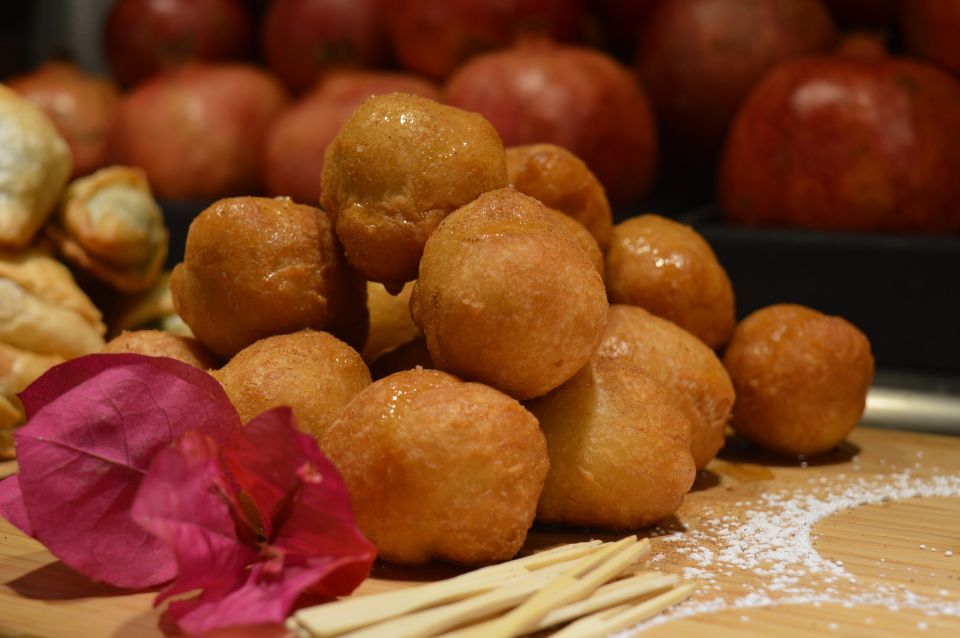
A few practical points from the reality of the tour:
Come hungry (seriously)
Multiple descriptions stress that you should not eat beforehand, with several mentions that there is a lot of food. The consistent advice: start the tour with an empty stomach or at least avoid a full meal. You’ll enjoy the flavors more, and you’ll avoid that rushed feeling halfway through.
You’ll walk, so wear walking shoes
It’s a walking tour with multiple stops. Even without details on route length, you should plan for uneven old-town streets and lots of standing. Comfortable shoes are the boring but correct answer.
Group size is small, so speak up
With a limit of 10 participants, you can ask questions. If you have dietary concerns or preferences, it’s easier to communicate and adjust. One review also mentioned that alcohol can take up a lot of the tasting time, so if that matters to you, say so early.
Who this tour is best for
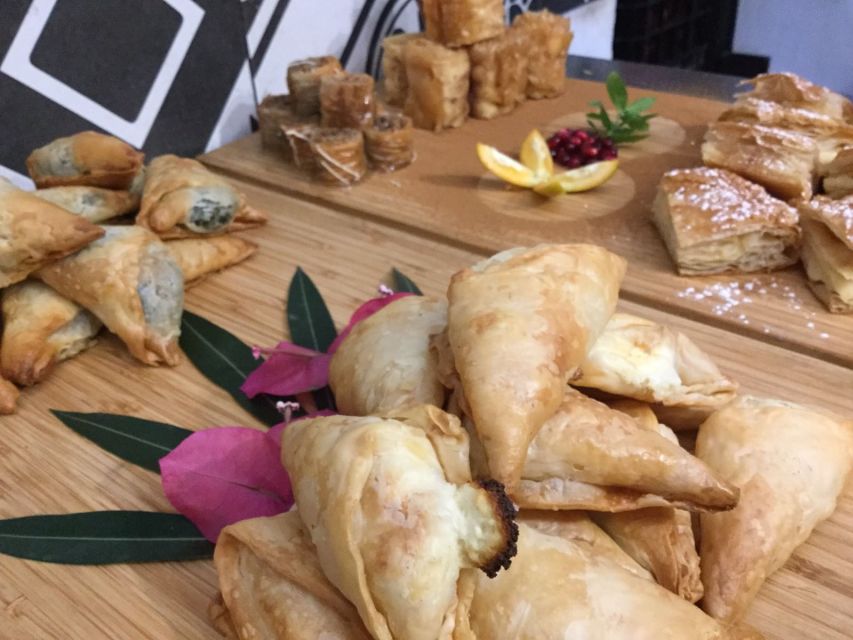
This experience fits best if you like:
- Food tours that include history tied to ingredients, not just facts
- Meeting local traders and learning how seasonings and recipe habits work
- A small-group format where you can talk with the guide
- Eating enough to make the tour feel like a main plan, not a side quest
It may be less ideal if:
- You want a light, snack-only experience
- You dislike alcohol offerings and don’t want any alcohol-related stops
- You’re allergic to the idea of walking between multiple places within a short window
Should you book the Corfu Gastronomy Walking Tour?
My take: if you’re in Corfu Town and you want a food experience that’s both tasty and explanatory, this is a strong pick. The big reason is simple. You get both the eating and the “why.” And you’re doing it with a local guide in a small group, with plenty of food and drink included.
Book it if you:
- Want 5–6 tastings plus a lunch-style finale
- Enjoy asking questions and learning ingredient logic
- Like the idea of visiting shops that locals actually use
Skip it if you:
- Don’t want to eat much
- Prefer totally independent wandering with no structured tastings
If you do book it, show up ready to eat. Bring water, wear comfortable shoes, and come with curiosity. Corfu’s best flavors tend to be the ones you learn through close-up conversation, not only through menus.
FAQ
How long is the Corfu gastronomy walking tour?
It lasts 3 hours.
How much does it cost?
The price is $104 per person.
Where do I meet the tour?
Meet in front of the Old Fortress in Corfu Town by the statue of Schulemburg.
Is the tour in English?
Yes, the live tour guide speaks English.
What’s included in the price?
All food and drinks are included, along with a local guide.
Is hotel pickup included?
No, hotel pick-up and drop-off are not included.
How many people are in the group?
It’s a small group limited to 10 participants.
Is the tour wheelchair accessible?
Yes, it is wheelchair accessible.
Should I eat before I go?
Plan to come hungry. The tour is described as providing a lot of food.
How flexible is cancellation or payment?
There is free cancellation up to 24 hours in advance for a full refund, and you can reserve now and pay later.