REVIEW · CRETE
Chania: Authentic Cooking Class in the White Mountains
Book on GetYourGuide →Operated by GS tours · Bookable on GetYourGuide
A cooking class with sheep in the White Mountains. This Chania outing blends a garden-and-shepherd day with hands-on Cretan cooking, guided in English by people like Alex, with dinner built around staples such as ntakos and tzatziki. I love the hands-on pace—chopping, mixing, and learning recipes you can actually repeat at home—and I also love the farm-to-table feel with fresh herbs and vegetables right from the property.
One thing to plan for: you’ll be on mountain paths, so wear comfortable shoes and bring a jacket. The day runs about 6 hours, but between pickup and winding down afterward, it can feel like a full afternoon-to-evening commitment.
In This Review
- Key Things That Make This Cretan Class Worth Your Time
- White Mountains Setting: Why This Beats a Regular Cooking Class in Chania
- Getting There Smoothly: Pickup and Air-Conditioned Minivan Comfort
- The Garden Walk: Herbs, Olive Oil Thinking, and the Mediterranean Diet in Real Life
- Practical tip
- Shepherd Stories and the Mountain Walk: Where the Food’s Origins Get Personal
- Cooking Time with Chef Maria: Making Ntakos and Tzatziki the Cretan Way
- What you’re learning (and why it’s useful)
- A note on language
- Wine, Cheese, and Dinner Pairing: The Meal Feels Like the Best Kind of Party
- What the dinner experience includes
- Small optional bonus
- The $129 Price: What You’re Really Paying For
- Who This Class Is Best For (and When to Rethink)
- Solo travelers note
- What to Bring (Plus One Smart Add-On)
- Should You Book This Chania Cooking Class in the White Mountains?
- FAQ
- How long is the cooking class?
- Is pickup and drop-off included?
- Is the class taught in English?
- What’s included in the ticket price?
- Will I taste wine and cheese?
- What food will we cook?
- What should I bring?
- Can I cancel for a full refund?
Key Things That Make This Cretan Class Worth Your Time
- White Mountains foothills location: You’re not in a kitchen studio. You’re cooking with views and real farm life around you.
- Garden stroll with herbs: It’s not just tasting. You learn what goes where and why.
- Shepherd-enclave storytelling: Olive harvesting stories and local culture tie directly into what ends up on your plate.
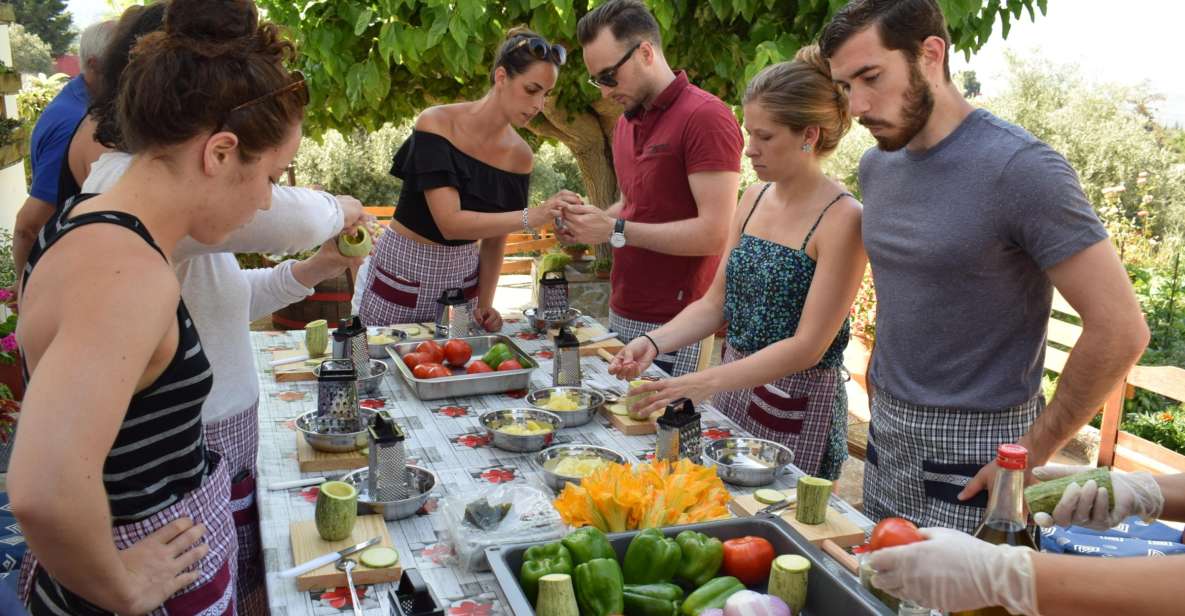
- Chef-led cooking for real Cretan dishes: Expect to make appetizers like ntakos and tzatziki, not just watch.
- Wine and cheese with dinner: The tasting isn’t a separate add-on. It’s part of the meal flow.
- Warm family hospitality: Many guides (like Alex or Yannis in different runs) bring humor and history, while the host family keeps it personal.
White Mountains Setting: Why This Beats a Regular Cooking Class in Chania
This is the kind of cooking class where the setting does half the work. You’re based near the White Mountains, and the day naturally moves from fresh-air walking to food-making, with the host property at the center. Instead of arriving, cooking, and leaving, you get a sense of where the ingredients come from—and how Cretans think about simple, seasonal food.
I like that the experience is built around everyday Cretan habits. Olive oil, herbs, locally sourced meats, and freshly harvested vegetables aren’t treated like museum pieces. They’re treated like tools. And when your chef and guide connect each dish to olive harvesting traditions or local farming, you start tasting with context, not just curiosity.
If you’re the type who likes your travel days active (but not exhausting), you’ll probably enjoy the mix of easy strolling and practical cooking time. If you want a fully seated, minimal-walking experience, you might find the mountain walk a bit much—so plan accordingly.
You can also read our reviews of more tours and experiences in Crete.
Getting There Smoothly: Pickup and Air-Conditioned Minivan Comfort
You get pickup and drop-off from specific locations in the Chania region, then transportation by air-conditioned minivan. Most people care about two things here: timing and comfort. The transport scores are strong, and the group size is kept small, which helps the day feel organized rather than rushed.
Because pickup is tied to your exact starting point, I’d make life easy on yourself: arrive at your pickup location a little early and be ready when the minivan pulls up. One small heads-up from the vibe of the experience: it’s a long afternoon-to-evening schedule for most people, so treat it like an outing—not a quick add-on. People often come away saying the time flew by, but your hotel day plan should still stay flexible.
The Garden Walk: Herbs, Olive Oil Thinking, and the Mediterranean Diet in Real Life
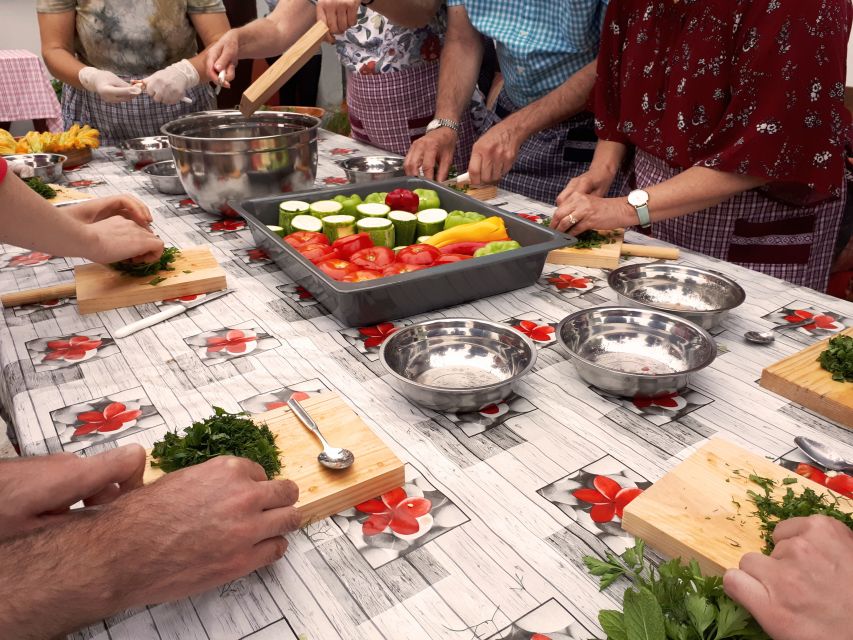
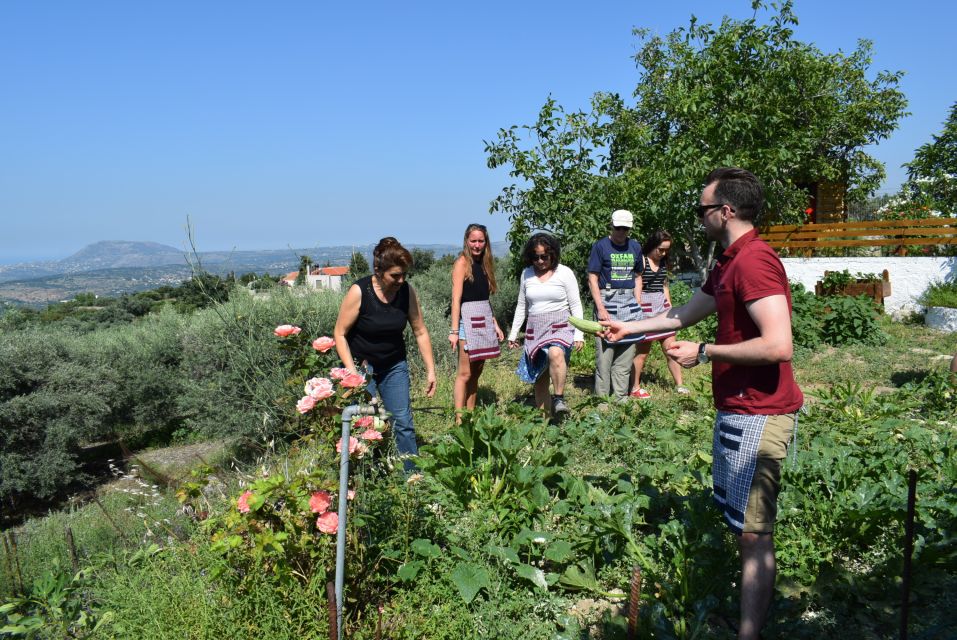
The day starts with a leisurely stroll through the vegetable garden. This is more than a pretty photo stop. You’re connecting with the produce and the herbs that show up later in your cooking. It’s the kind of introduction that makes you notice flavor the way locals do—what’s sharp, what’s fragrant, what’s used to balance richer tastes.
From the way the class is described, you’ll learn about the healthy Mediterranean diet through examples, not lectures. Olive oil is the anchor. Vegetables and herbs bring the perfume. And locally sourced ingredients keep the flavor direct, not hidden under heavy sauces.
I also like this part because it sets the tone: you’re not being asked to guess. You’re learning how to handle real ingredients. And once you’re back at the kitchen, those herb smells make the instructions easier to follow.
Practical tip
Bring sunglasses and expect bright light during the outdoor portions. Even in shoulder season, you’ll likely appreciate sun protection.
Shepherd Stories and the Mountain Walk: Where the Food’s Origins Get Personal
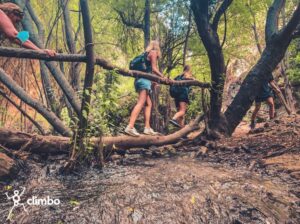
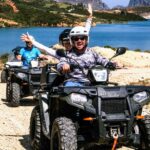
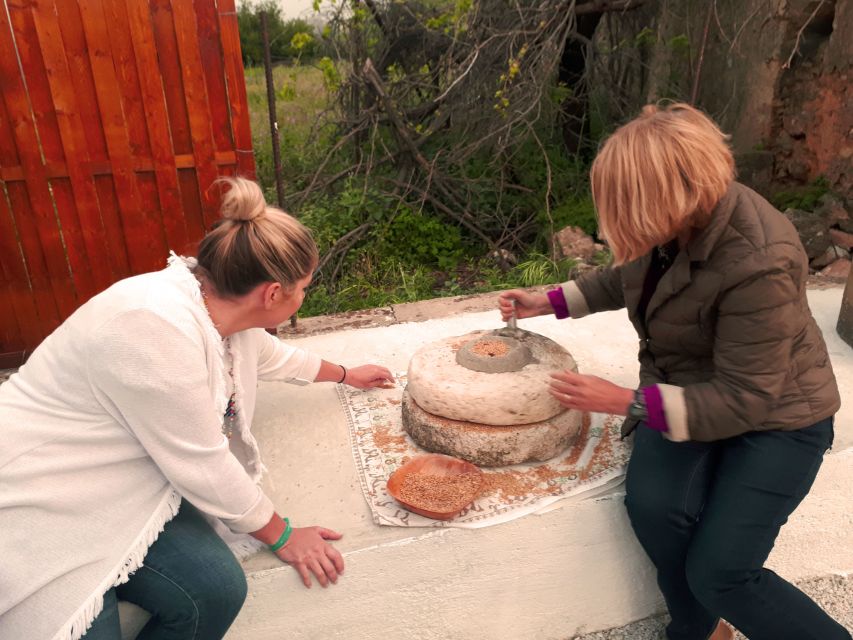
After the garden, the day includes a scenic mountain walk to a shepherd’s enclave. This is where the experience becomes more than cooking. Olive harvesting stories show up here, linking landscape, work, and tradition to the food you’ll make later.
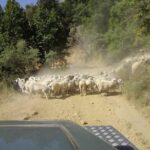
Some people also mention animal time—feeding sheep or goats—so you may get that moment up close while you’re out. Either way, the walk supports the same goal: make you feel the connection between land and plate.
This is also one of the reasons the guides matter. Across different runs, guides such as Alex and Yannis (you might see different names depending on the day) are described as lively and story-focused. The history isn’t delivered like a textbook. It’s woven into why olive oil matters, how families farm, and how dishes became what they are.
The only drawback is physical comfort. You’ll want comfortable shoes because you’re outdoors and walking on uneven ground at least some of the time.

Cooking Time with Chef Maria: Making Ntakos and Tzatziki the Cretan Way
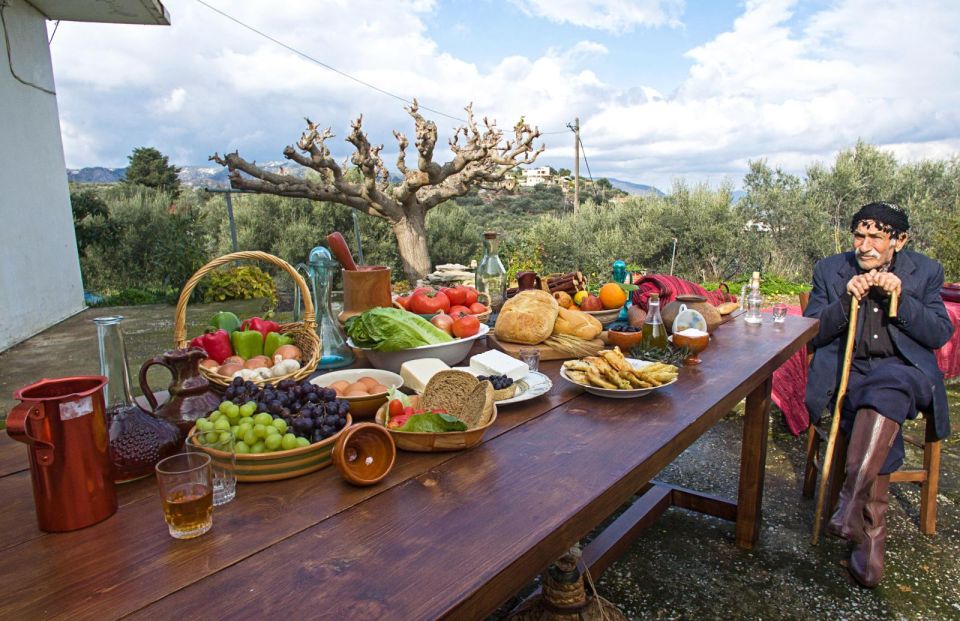
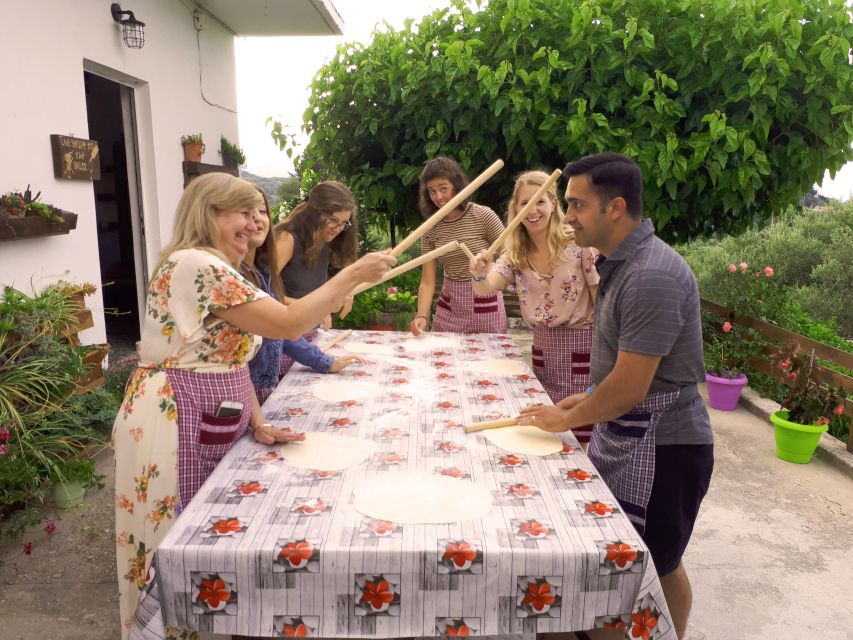
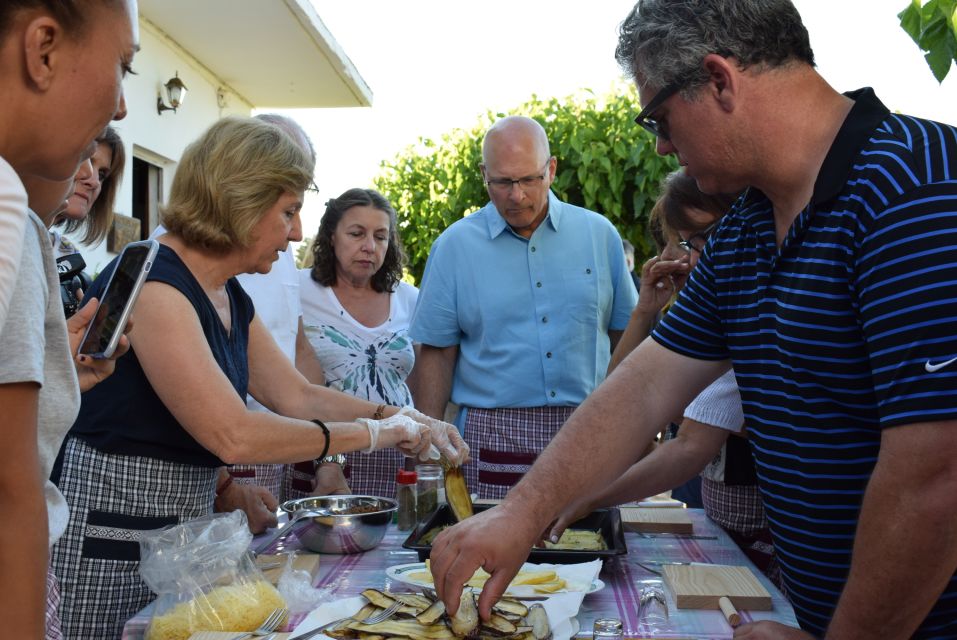
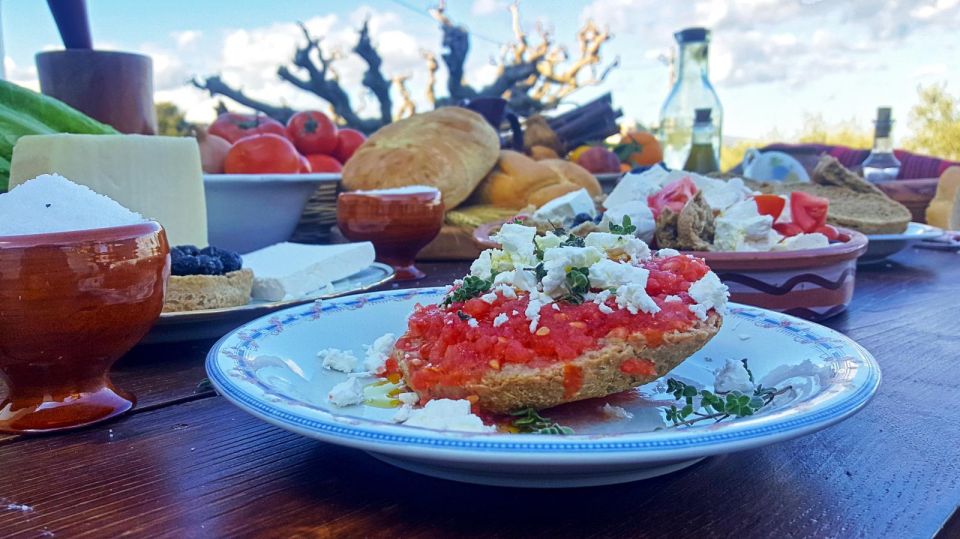
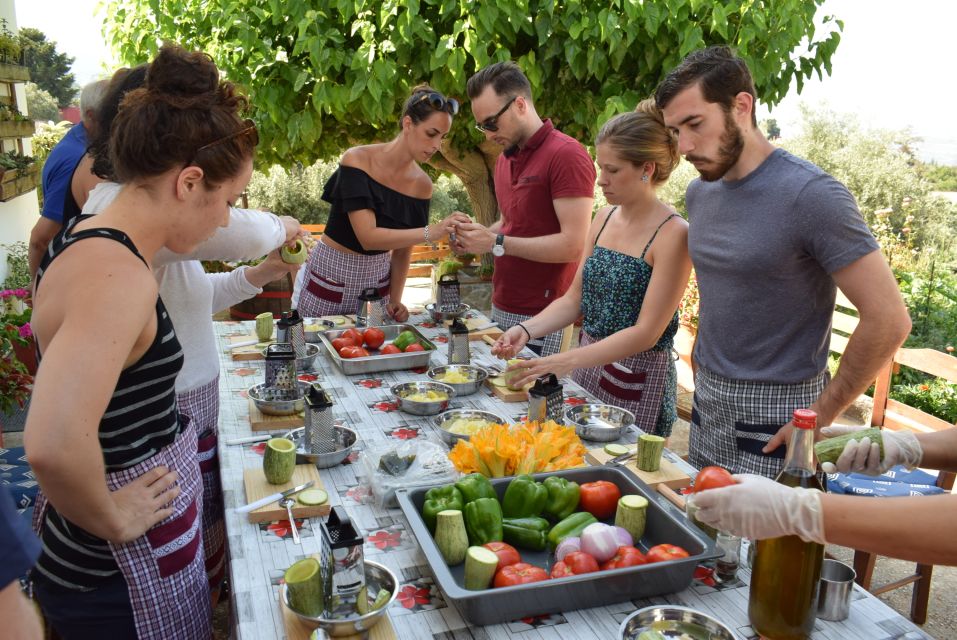
Now for the part most people actually book: hands-on cooking. The class is described as small-group, and you’re given an apron plus cooking utensils. You’re not stuck at the sidelines. You’ll prepare traditional recipes, and the meal includes appetizers such as ntakos and tzatziki.
What you’re learning (and why it’s useful)
This isn’t just about the final dish. It’s about technique and balance. In Cretan food, the strongest flavors often come from simple ingredients used correctly—olive oil, herbs, dairy, tomatoes, and proper seasoning. When you make tzatziki and ntakos yourself, you start understanding texture and timing: what needs draining, what needs chilling, and how ingredients should feel together.
Many descriptions name Maria as the person teaching the cooking. That matters because the class style is described as warm, energetic, and focused on getting you to succeed. Some guests even say they left able to recreate dishes later at home—like tzatziki—because the steps were clear and practical.
A note on language
Instruction is in English, so you won’t need to struggle through menus or translations to follow what’s happening. Still, keep expectations flexible: you may hear Greek words for ingredients and dishes, but your guide helps connect the dots.
Wine, Cheese, and Dinner Pairing: The Meal Feels Like the Best Kind of Party
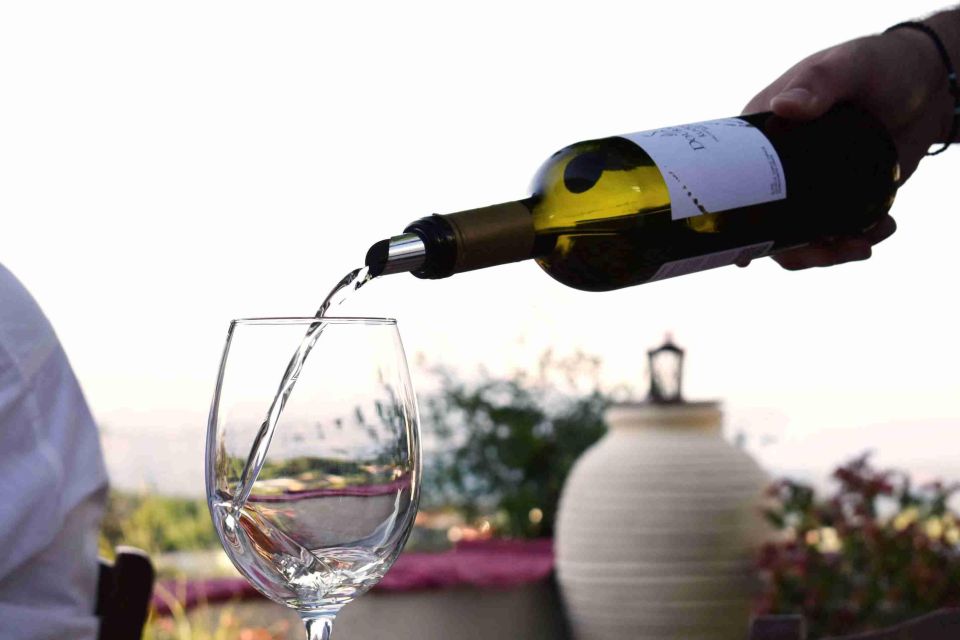
Before you sit down for the full dinner, there’s wine and food tasting, plus a cheese moment. The tour emphasizes Cretan cheese and wine, and dinner is paired with regional wines.
This is where the day clicks into place. You’ve already walked through the garden. You’ve already learned about olive harvesting and herbs. Then the meal arrives, and suddenly everything makes sense: what you just smelled is on the plate, and what you just learned about gets verified by taste.
What the dinner experience includes
You’ll enjoy what you cook as part of a full dinner meal. The ingredients come with the class, and the description specifically points to local meats and freshly harvested vegetables. Some guests mention dishes like slow-cooked pork as part of the dinner, which fits the overall style of hearty, family-style Cretan food.
Dessert is also part of the story: traditional jar desserts show up at the end, bringing a sweet finish that keeps it very “home kitchen,” not restaurant dessert theatrics.
One extra detail I like: one description notes that leftover food isn’t treated like waste. Instead, it’s provided to the community. That’s the kind of practical responsibility that makes the experience feel grounded.
Small optional bonus
There may be a small store on site where you can buy local olive oil, wine, herbs, and other items. It’s not the core of the class, but if you find a flavor you loved, it can be an easy way to take a piece of the day home.
The $129 Price: What You’re Really Paying For
At $129 per person for a 6-hour experience, the question isn’t just whether it’s expensive. It’s what value you’re getting for that money.
Here’s what the package includes, and why it matters:
- Pickup and drop-off in the Chania region
- Air-conditioned minivan transport
- Small group cooking class + meal
- All ingredients and apron/utensils
- Wine and food tasting, including cheese and pairing with dinner
- Commemorative gifts
- Recipes and photos emailed after the experience
- Local taxes and liability insurance handled
If you were to buy the ingredients yourself, add transportation, and pay for guided instruction, you’d quickly feel the total cost creep upward. The real value is the combination: cooking instruction, local context, and a full meal that uses the ingredients you learn about during the garden and mountain parts of the day.
Plus, the small-group feel is repeatedly praised as a big deal. When the group is intimate, you get more help at the cutting board and more time for real conversation at the table.
Who This Class Is Best For (and When to Rethink)
You’ll probably love this cooking class if:
- You want a real food experience, not a quick tasting
- You enjoy learning how dishes connect to place—olive oil, herbs, shepherd life
- You like small groups and family-style meals with other people
- You want an English-speaking guide who tells stories while keeping the day fun
You might rethink it if:
- You dislike walking on uneven terrain
- You’re trying to keep your schedule ultra-tight (because it can feel like a full outing even with the class duration)
- You want a purely seated activity with no outdoor time
Solo travelers note
This is the kind of day where solo visitors often feel comfortable because you’re cooking together, eating together, and talking during the walk. The structure naturally mixes people into the meal instead of treating you like a spectator.
What to Bring (Plus One Smart Add-On)
The tour suggests:
- Comfortable shoes
- Sunglasses
- Jacket
One smart add-on from real-world timing: bring a water bottle. One person noted there isn’t much water available until a couple hours in, so you’ll feel better with your own supply.
Also, consider dressing in layers. Mountain air can shift during the day, and you’ll be outside before you’re inside cooking.
Should You Book This Chania Cooking Class in the White Mountains?
I’d book it if you want Cretan food with context and a day that feels like visiting a family farm kitchen—not a staged show. The combination of garden herbs, shepherd stories, and hands-on cooking like ntakos and tzatziki, followed by wine, cheese, dinner, and jar desserts, is exactly the sort of meal experience that sticks.
Also, the small-group style and the consistent focus on real ingredients make it a strong value at $129. If you’re okay with a bit of walking and you like learning while you eat, this is a top-tier pick for Chania.
If you want, tell me your travel month and where you’re staying in Chania. I can suggest the best way to pair this with the rest of your day—so you don’t end up rushing dinner plans.
FAQ
How long is the cooking class?
The experience runs for 6 hours.
Is pickup and drop-off included?
Yes. Pickup is included from specific locations within the Chania region, and you’re also dropped off afterward.
Is the class taught in English?
Yes. The instructor and communication are in English.
What’s included in the ticket price?
The price includes pickup and drop-off, local driver/guide, air-conditioned minivan transportation, a small group cooking class and meal, all ingredients for dinner, apron and cooking utensils, wine and food tasting, commemorative gifts, and recipes and photos emailed after. Local taxes and liability insurance are also included.
Will I taste wine and cheese?
Yes. The program includes wine and food tasting, with Cretan cheese and wine as part of the experience, plus regional wine pairing with dinner.
What food will we cook?
You’ll learn traditional Cretan recipes. Appetizers mentioned include ntakos and tzatziki, and the day also includes a dinner you help prepare, plus jar desserts.
What should I bring?
Wear comfortable shoes, and bring sunglasses and a jacket.
Can I cancel for a full refund?
Yes. Free cancellation is available up to 24 hours in advance for a full refund.