REVIEW · TORTUGUERO
Turtle Nesting night Tour in Tortuguero
Book on Viator →Operated by Leonardo Tours · Bookable on Viator
Watching turtles nest at night is unforgettable.
This tour takes you into Tortuguero National Park after dark, using provided flashlights so you can move safely and quietly while your bilingual guide explains what you’re seeing. It’s built around one relaxed nesting turtle in an assigned sector, which keeps the experience focused and helps reduce disturbance.
I like the practical simplicity: you’re not paying for a big production, you’re paying for a controlled walk, a permit, and a guide who can explain the sea turtle life cycle in real time. I also love that the night is organized around specific steps of the process, so you know what to watch for while you wait for the turtle to begin.
One thing to consider: you can’t count on seeing all of the stages, and you might even see only part of the nesting sequence. Sea turtles need to feel calm, and the tour does not promise every step, because the turtle sets the pace.
In This Review
- Turtle Nesting Night: key takeaways before you go
- The real draw: why Tortuguero’s turtle night feels special
- Where the tour starts in Tortuguero (and how to be on time)
- The park walk: flashlight use and the quiet rules that protect the turtle
- The main event: what you can see in the nesting sector
- Waiting time: what you’ll do while the turtle decides
- Your guide can make or break the night
- Clothing and behavior: the small things that matter a lot
- Duration and what $37 really buys you
- Getting the timing right: seasonality and odds
- Weather, refunds, and why your planning matters
- Should you book this Turtle Nesting night tour in Tortuguero?
- FAQ
- What’s included in the Turtle Nesting night tour?
- How many nesting processes will I see?
- How long is the tour?
- Where does the tour meet, and where does it end?
- Do I need to bring my own shoes?
- Can I get a refund if I cancel?
Turtle Nesting Night: key takeaways before you go

- Low-light safety with included flashlights so you can stay on your feet without blinding anyone
- You watch up to four nesting stages: egg laying, egg compaction, nest camouflage, and the return to sea
- Patience is part of the ticket since turtle timing is unpredictable
- Small group size (max 10) makes it easier to keep the turtle calm
- Dark clothing and light discipline matter to protect the nesting behavior
- Your guide’s explanations are a big part of the value, with bilingual narration
The real draw: why Tortuguero’s turtle night feels special
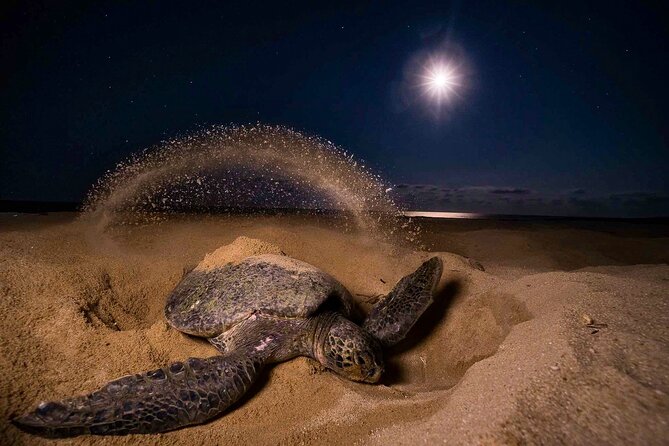
Tortuguero does sea turtles the right way: you’re not just standing around hoping for a miracle. The tour’s whole plan is built around calm viewing, which means you’re more likely to get real answers than just a quick glance in the dark.
What makes this experience different from other wildlife nights is that the guide helps you connect the behavior to the biology. When egg laying starts, egg compaction happens, the nest gets covered, and then the turtle returns to the ocean, it all clicks into place. You also learn why it matters to keep things quiet and why the turtle’s mood controls the schedule.
You can also read our reviews of more tours and experiences in Tortuguero.



Where the tour starts in Tortuguero (and how to be on time)
The meeting point is at Leonardo Tours: 45 Metros Sur del Muelle El Almendro, Limón, Tortuguero, 70206, Costa Rica. Since you’re walking in the dark inside a national park area, arriving early is not “nice to have.” It’s how you avoid rushing, stress, or missing the best viewing window.
The tour ends back at the meeting point, so you’re not stuck figuring out transport afterward. If you’re not near the area, there’s also an optional pick-up transfer that can range from $10 to $20 per person, depending on how many people need it.
The park walk: flashlight use and the quiet rules that protect the turtle
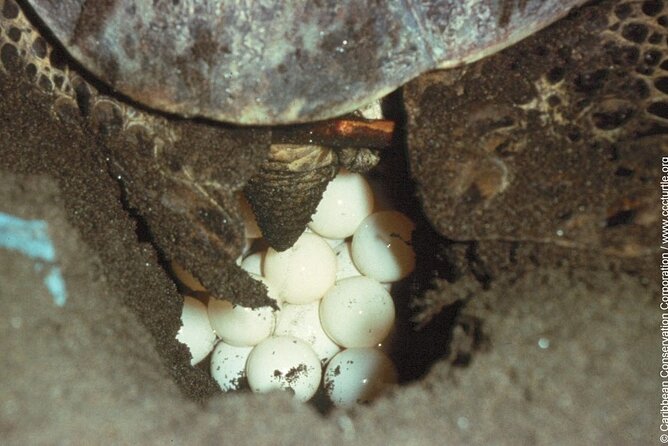
Once you’re in the park, you’ll follow the guide through low-light navigation. Flashlights are provided, and the point is safety, not illumination for entertainment. You’ll be moving at night on sand and uneven ground, so comfortable footwear matters more than you think.
You’ll also be asked to keep the experience dark and calm. Based on what visitors describe, expect guidance that includes restrictions like no phones, no strong lights, and no photography aimed at the nesting turtle. It’s the kind of rule that can feel strict until you realize it’s exactly what keeps the nesting process from getting interrupted.
The main event: what you can see in the nesting sector
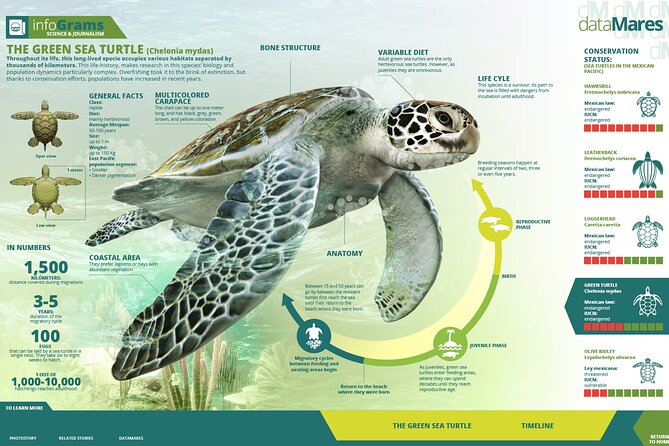
At the beach, you’re assigned a sector and allowed to observe up to four of the seven nesting processes. The stages you can look for are:
- The laying of eggs
- Compaction of the eggs
- Camouflage of the nest
- Return of the turtle to the sea
Here’s the practical truth: you might not see all four. The turtle needs to be relaxed, and she must arrive at the beach and settle into nesting behavior before observers can watch safely and respectfully. The tour timing is designed around that reality, including the idea that arriving close to when the turtle is ready gives you a much better chance to see more than just the early moments.
You may also notice how the group dynamics affect what you see. When the turtle is actively nesting, it’s not a time for extra wandering or crowding. A slow, quiet group is part of conservation—and it’s also how you see more without constant repositioning.
Waiting time: what you’ll do while the turtle decides
Turtle nights are not strictly “start at 8:00, turtle at 8:10.” There can be waiting, because turtles don’t follow human clocks. The good news is that you’re not left in silence with no context.
Guides use the time to explain what sea turtles do before they lay eggs, how the process works, and what to look for as the behavior shifts. When the turtle finally begins, you’re ready to recognize each step instead of just reacting to a slow, nighttime blur.
On very lucky nights, people report seeing more than one turtle—or even hatchlings emerging in the same evening. Still, it’s smart to treat that as extra, not guaranteed. Your core goal here is the nesting sequence, and that alone can be powerful.






Your guide can make or break the night
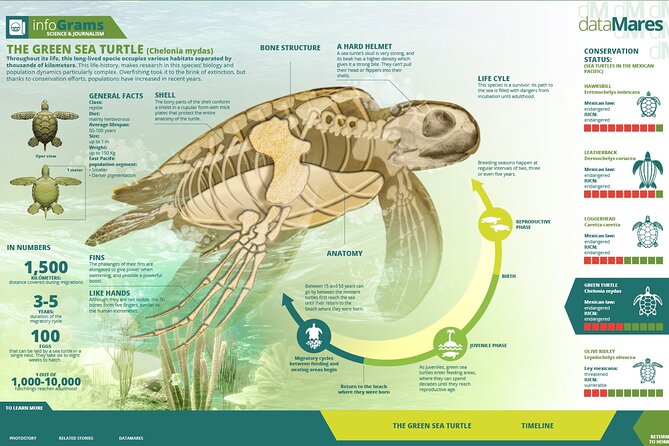
This tour is led by Leonardo Tours, and you’ll have a bilingual guide. Visitors often single out guides by name, and that gives you a clue about what to listen for: clear explanations, enthusiastic energy, and a calm approach.
- Manuel is praised for knowledge and enthusiasm during the nesting viewing.
- Luis is mentioned as friendly and particularly helpful at helping visitors see what’s possible in the time allowed.
- Leonardo also shows up in feedback, with mixed notes—some people felt communication and pacing could be smoother.
- Verny appears in one comment as especially strong, though that’s not guaranteed.
So what should you do with that? Keep your expectations focused. Follow the guide’s instructions on where to stand and how to move. If you get a guide who talks a lot and keeps the group organized, the whole experience feels lighter and easier.
Clothing and behavior: the small things that matter a lot
This is one of those tours where your choices directly affect the turtle’s comfort. Visitors note the importance of dark or subdued clothing, because bright colors and constant light can draw attention.
You’ll also want to be ready for “no distractions” behavior. Based on described rules, this usually means no phones and no camera flashes near the turtle, and keeping lights controlled. If you’re tempted to “just snap one photo,” don’t. The whole point is to watch the nesting process without adding stress.
Finally, think about your movement style. No sudden steps, no rushing to get a better angle, and no standing so close you force the group to crowd. If the guide is managing spacing, let them do it.
Duration and what $37 really buys you
The tour runs about 1 to 2 hours and includes admission ticket access plus a flashlight. For $37 per person, that’s a straightforward package: park access, guided monitoring, and the education piece that helps you understand what you’re seeing.
The value is strongest if you care about the biology and you’re okay with the natural unpredictability. If you want a guaranteed “turtle every minute,” this isn’t that kind of tour. But if you show up prepared to be patient and quiet, you’re paying for a real chance at a rare, real-life process.
Group size is capped at 10 travelers, which helps with both the viewing experience and conservation. Smaller groups usually mean less noise, fewer people trying to reposition, and better control around the nesting area.
Getting the timing right: seasonality and odds
The tour assumes you’re visiting during a period when nesting is happening. Even then, outcomes vary. One visitor note even included a different night focus due to seasonal timing, which is a reminder to read the situation when you arrive.
A turtle night in Tortuguero is still subject to nature. The guide can help you find what’s possible and keep you moving calmly, but the turtle controls the schedule. If you’re flexible, that unpredictability becomes part of the adventure instead of a frustration.
Weather, refunds, and why your planning matters
This is a night activity and it depends on conditions. If it’s canceled due to poor weather, you’ll be offered another date or a full refund. If a minimum number of travelers isn’t met, you’ll also get an alternative or refund.
Do note the trade-off: the standard policy is non-refundable, and changes can’t be made after booking. So this is a good pick when you’re confident about your exact plans and your schedule has a little breathing room.
Should you book this Turtle Nesting night tour in Tortuguero?
Book it if you want a focused, respectful turtle experience with a guide who explains the process as it unfolds. If you can handle waiting in the dark, follow conservation rules, and keep lights and noise low, this tour can feel almost like a living classroom—one where nature is the teacher.
Skip it (or at least rethink your expectations) if you’re the type who needs guaranteed sightings or you hate uncertainty. You might see only part of the nesting sequence, and you may only get one nesting turtle that night. Also be aware that a small number of comments mention organization or guide communication issues, so choose this tour when you can stay calm and flexible.
If you’re going to Tortuguero anyway, this is one of the most practical ways to see the nesting behavior up close while doing it the right way.
FAQ
What’s included in the Turtle Nesting night tour?
The tour includes a flashlight and admission ticket access for the park area.
How many nesting processes will I see?
You’re allowed to observe up to four of the sea turtle nesting processes: egg laying, egg compaction, nest camouflage, and return to the sea. The turtle’s comfort and timing determine what you actually see.
How long is the tour?
Plan on about 1 to 2 hours.
Where does the tour meet, and where does it end?
It starts at Leonardo Tours at 45 Metros Sur del Muelle El Almendro, Limón, Tortuguero, 70206, Costa Rica, and ends back at the same meeting point.
Do I need to bring my own shoes?
Hiking boots are listed as not included, so you should plan to wear comfortable footwear appropriate for a dark, sandy walk.
Can I get a refund if I cancel?
The experience is listed as non-refundable and cannot be changed. If it’s canceled due to poor weather, you’ll be offered a different date or a full refund.