REVIEW · TORTUGUERO
Observation of Turtles in their Natural Habitat in Tortuguero
Book on Viator →Operated by Don Chico Tours · Bookable on Viator
Turtle tracks write the best story on Earth. Tortuguero’s night sea turtle tour takes you beyond a quick beach stop and into the real rhythm of nesting, from trail walks to waiting posts until the turtles are ready. You may even witness stages like the moment a turtle lays eggs on the sand and begins the nesting process.
I love the way the guides build anticipation without rushing it. A guide such as Carmen is known for explaining what you’re seeing and keeping the questions flowing, and the team behind the experience (including Luis) runs the night with a calm, practical mindset that helps everything feel organized rather than chaotic.
One thing to plan for: this is a night walk on trails with a requirement for moderate physical fitness, and it isn’t recommended if you have walking problems.
In This Review
- Key highlights you can actually use
- Why Tortuguero turtle nights feel different
- The 7:00–9:00 PM trek: what your evening looks like
- Waiting posts and nesting stages: what you might actually see
- Turtle-first rules: how to prepare (and why they matter)
- Guides and group size: getting a calm night, not a bottleneck
- Price and value: is $40 worth it?
- Who should book this turtle-sighting tour
- A quick practical checklist before you go
- Should you book this Tortuguero turtle-sighting tour?
- FAQ
- What time does the Tortuguero turtle sighting tour run?
- How long is the tour?
- What is included in the price?
- Is private transportation included?
- What should I wear, and can I bring a phone or camera?
- Is the tour suitable if I have walking problems?
- What if the weather is bad?
Key highlights you can actually use

- Small groups (max 10): you get quieter, less crowded viewing.
- Night trails to waiting posts: you’re positioned before the action, not chasing it.
- Nesting stages can include egg-laying: you may see spawning, egg deposition, and cover-up.
- Strict turtle rules: cameras/phones aren’t allowed on the beach to reduce disturbance.
- Dark clothing required: you’ll blend in and avoid stressing the animals.
- Guides explain the process: you don’t just watch—you understand what it means.
Why Tortuguero turtle nights feel different
Tortuguero isn’t a theme-park turtle show. This experience is built around patience, darkness, and respectful distance, because sea turtles need that kind of quiet to nest safely.
The biggest difference is that you’re not only going to the beach and hoping for luck. You follow a night trail routine and reach designated waiting areas before the turtles are ready. That timing matters: when you show up early, you’re more likely to catch the full arc of the nesting behavior rather than only the “in and out” moments.
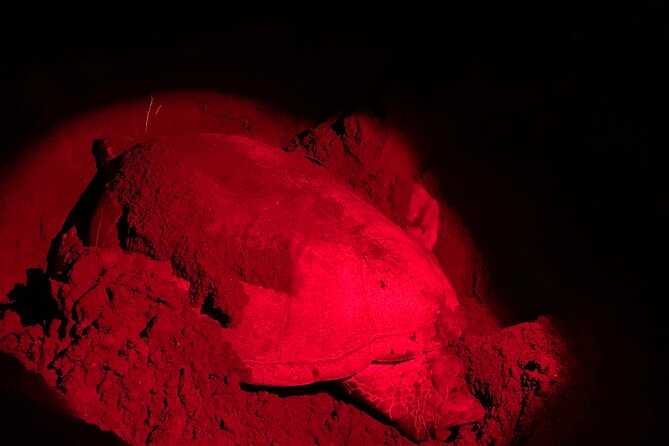
And the pay-off is real. In this region, you can be lucky enough to see large green turtles come out of the water, move across the sand, and carry out the whole sequence—egg-laying, then covering and camouflaging the nest. It’s one of those experiences where your brain keeps trying to turn it into a story, even though it’s happening right in front of you.
You can also read our reviews of more tours and experiences in Tortuguero.



The 7:00–9:00 PM trek: what your evening looks like
This tour runs in the evening, generally from 7:00 PM to 9:00 PM, during the season June 1 through October 31. Expect about 1 to 2 hours total, depending on when the turtles come in and how long the nesting activity lasts.
You’ll meet in Tortuguero, which is in Limon Province, and the experience ends back at the meeting point. That round-trip setup is helpful if you’re working your schedule around dinner or night transport options in the area.
The rhythm of the night usually goes like this: your guide leads you through the trails at night, then you move into the waiting posts area. From there, you wait until the turtles are ready to be seen. Waiting sounds slow, but it’s often the opposite of boring because the guide is talking through what the turtles are doing and what to watch for.
If you’re the type who wants clear “what happens next” instructions, you’ll likely feel better here than on tours where you’re just dropped off and told good luck. The structure keeps you focused, and you’re less likely to wander or break the rules.
Waiting posts and nesting stages: what you might actually see
The best part of this kind of tour is that it’s about behavior, not just sightings. You’re there for the sequence, and that’s why the guide trail-walk matters.
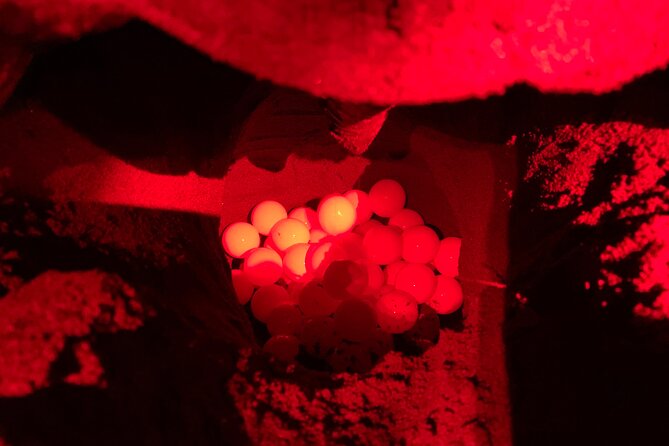
Depending on the night, you may observe stages of the nesting process. The key one to know is the moment of spawning, which is when the turtle lays eggs on the beach. You might also see the lead-up—how the turtle comes ashore and moves across the sand—and the follow-through, like covering the eggs and camouflaging the nest afterward.
On nights when nesting is active, it’s possible to see a turtle deposit well over a hundred eggs, then move sand to cover the nest. The cover-up is strangely important, because it’s not random digging—it’s part of how the turtle hides the eggs from predators and elements.
Also keep your expectations flexible. Sea turtle nesting is natural and seasonal, so the exact timing and “what stage you catch” can vary. That’s not a downside; it’s what makes it real. You’re watching biology, not a staged performance.
Turtle-first rules: how to prepare (and why they matter)
Before you go, read the rules like they’re part of the script. In this experience, the rules aren’t there to be annoying—they’re there to protect the turtles and keep the nesting area calm.
Here’s what you should be ready for:
- No cameras, cell phones, or other tech devices on the beach. You’ll follow the guide’s lead on where phones are okay (if at all) and where they absolutely aren’t. On the nesting sand, the goal is zero distraction.
- Wear dark clothing only. Avoid white or anything close to it. Bright colors can stand out and create extra light in an animal’s nesting window.
- You’ll likely keep movement quiet and controlled. Even if you’re excited, your job is to stay respectful and listen for instructions.
One detail that makes this tour feel more serious is the level of regulation around turtle nesting. The area is managed by a protection association, and the nights are organized so multiple tours can happen without turning the beach into a crowd scene. You’ll still see other groups in the broader area at times, but the flow is designed to reduce disturbance.
If you want the best experience, treat your preparation like packing for a wildlife moment. Bring what you need, leave out what distracts, and let the guide handle positioning.
Guides and group size: getting a calm night, not a bottleneck
This is capped at 10 travelers, which is a big deal for a night tour. Fewer people means less crowd noise, less shoulder-to-shoulder pressure, and easier spacing near the waiting posts.
The guiding can make or break a turtle night, and this one has strong support. Guides such as Carmen are described as upbeat and clear—someone who can explain what you’re seeing and answer questions without turning it into a lecture. Another guide, Luis, is noted for being flexible and attentive to the way the night is organized, which matters because nesting timing doesn’t run on human clocks.
Also, organization is part of the value here. The protected area rules mean there’s a schedule and a system for when and where you can stand. That helps you see more and feel less stressed, especially if you’re going with family, friends, or anyone who gets nervous in the dark.
If you’re hoping for a quiet wildlife experience where you can actually focus, this small-group size is one of the best reasons to book.





Price and value: is $40 worth it?
At $40 per person, this tour is priced like a real activity rather than a gimmick. You’re paying for a guided night route, regulated positioning, and interpretation—plus the experience of seeing nesting behavior, not just turtles floating offshore.
A key detail for value: the admission ticket is free for this activity, and the actual purchase you must plan for is the decal or peganita, which is mandatory to carry out the turtle tour. That mandatory item is part of the protection framework and helps support the controlled nature of the nesting area access.
So what are you truly buying with your $40?
- Access to a guided process with approved viewing areas
- A structured night plan (trails, waiting posts, then beach viewing)
- A guide who helps you understand nesting behavior
In other words, the cost isn’t just “being near turtles.” It’s paying for the right kind of access and the right kind of behavior on the beach.
Who should book this turtle-sighting tour
This works best if you:
- Want an experience that focuses on wildlife behavior and respectful viewing
- Prefer guided interpretation over a drop-and-hope setup
- Can handle a night walk with controlled movement
There’s also a physical consideration. The tour expects moderate physical fitness, and it isn’t recommended if you have walking problems. The evening setting adds friction: it’s dark, you’ll be on trails, and you’ll need to keep steady during waiting periods.
If you’re traveling with kids, it can still be a strong choice, as long as everyone can handle the walking and quiet rules. If you’re traveling with someone who needs frequent seating breaks or can’t move comfortably at night, you may want a different Tortuguero activity.
This is also a nice fit for solo travelers and small groups because the cap stays low, and the guide time is more focused.
A quick practical checklist before you go
To get the most out of the night, I’d prep in advance like this:
- Wear dark clothing (no white, no light colors that stand out)
- Leave phones and cameras off during the beach portion
- Bring what you need for comfort on a night walk, since you’ll be moving before you reach the waiting posts
- Arrive with a calm mindset. Turtle nights run on turtle time.
One more thing: plan your schedule around the tour window. This is a 7:00–9:00 PM style experience, and it can’t be easily swapped into any random evening plan. If you’re juggling dinner plans, build in buffer time so you’re not rushing to get there in the dark.
Should you book this Tortuguero turtle-sighting tour?
If your goal is to see sea turtles doing their real nesting work—egg-laying and the whole sequence—then yes, I’d book this. The small group size, the guided structure, and the strict turtle-first rules combine into an experience that feels intentional rather than crowded or chaotic.
I’d hesitate only if you can’t manage night walking or if your group really needs phone or camera use during the beach portion. The experience is designed to protect the turtles from light and distraction, so if you’ll feel frustrated by those limits, choose another activity.
Otherwise, this is one of the most memorable ways to experience Tortuguero at night: controlled, respectful, and powered by a guide who helps you understand what you’re seeing while you wait for the turtles to come ashore.
FAQ
What time does the Tortuguero turtle sighting tour run?
It runs in the evening, typically 7:00 PM to 9:00 PM, during June 1 to October 31.
How long is the tour?
The duration is about 1 to 2 hours.
What is included in the price?
The included item is the purchase of a decal or peganita (mandatory) to carry out the turtle tour. The admission ticket is listed as free for this activity.
Is private transportation included?
No. Private transportation is not included.
What should I wear, and can I bring a phone or camera?
Wear dark clothing and avoid white or similar colors. Cameras, cell phones, or other technological devices are not allowed on the beach.
Is the tour suitable if I have walking problems?
A moderate physical fitness level is required. It is not recommended for travelers with walking problems.
What if the weather is bad?
This tour requires good weather. If it’s canceled due to poor weather, you’ll be offered a different date or a full refund.