REVIEW · TENERIFE
Tenerife: Mount Teide Observatory Guided Tour
Book on GetYourGuide →Operated by Volcano Teide · Bookable on GetYourGuide
You come for stars; you leave loving the Sun. At Mount Teide Observatory on Tenerife, a guide shows how two solar telescopes turn sunlight into sunspots and solar flares, plus a peek at a night telescope.
I love the chance to look through instruments built for real research, not just a tourist demo. The two views you get—sunspots and solar flares—make the Sun feel surprisingly alive.
One thing to plan for: the altitude (about 2,400 meters). It can be chilly and a little breath-taking on gravel paths, so this is not the best pick for respiratory problems or mobility issues.
In This Review
- Key Things I’d Plan Around
- Sun at 2,400 Meters: The Teide Observatory Tour in Real Terms
- How the Tour Flows: From Intro Areas to Telescope Time
- Two Solar Telescopes: Sunspots and Solar Flares You Can See Safely
- The Night Telescope Moment: Learning the Big-Machine Logic
- What the Altitude and Weather Really Mean for Your Comfort
- Price and Value: What $25 Buys in 90 Minutes
- Who Should Book This (and Who Should Skip It)
- Small Details That Make the Experience Better
- Should You Book the Tenerife Teide Observatory Guided Tour?
- FAQ
- How long is the Tenerife Teide Observatory guided tour?
- What is included in the price?
- How much does the tour cost?
- What do you see through the solar telescopes?
- Do you visit a night telescope even though it is a daytime activity?
- Where do I meet the guide?
- What languages are available for the live tour guide?
- What should I bring with me?
- Who is this tour not suitable for?
- Is free cancellation available?
Key Things I’d Plan Around
- Two solar telescopes: one geared for sunspots, one for solar flares
- Professional night-telescope access: you see how observatories work beyond daylight
- Altitude at ~2,400 m: move slowly on gravel paths and dress for cool temps
- Sun safety is part of the program: sunglasses and sunscreen really matter at this height
- Guides with real enthusiasm: names like Jesus, Raquel, and Steffi show up as standout hosts
- Good pacing for a short visit: about 1.5 hours, with time built in for watching and questions
Sun at 2,400 Meters: The Teide Observatory Tour in Real Terms
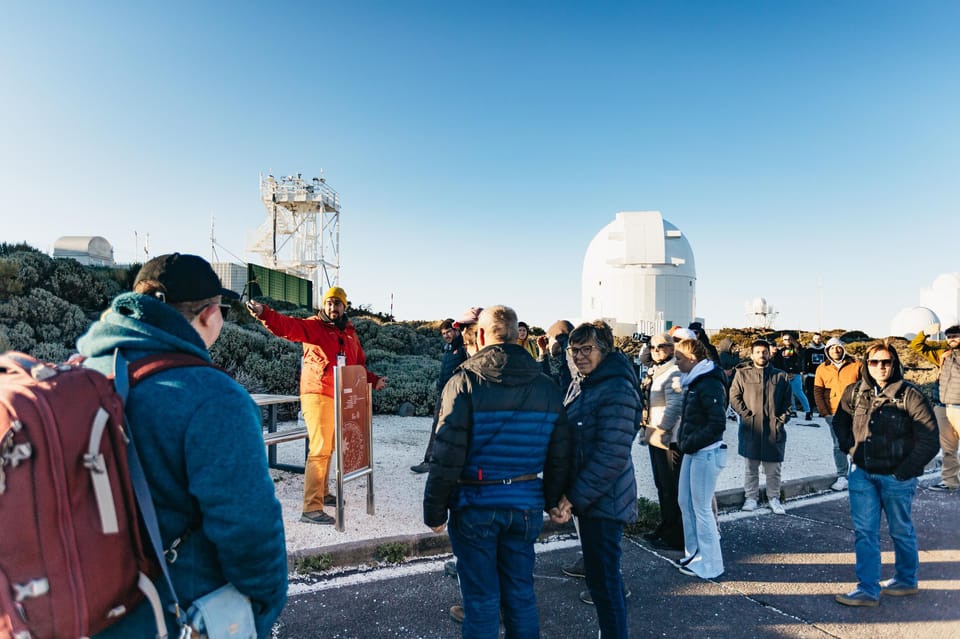
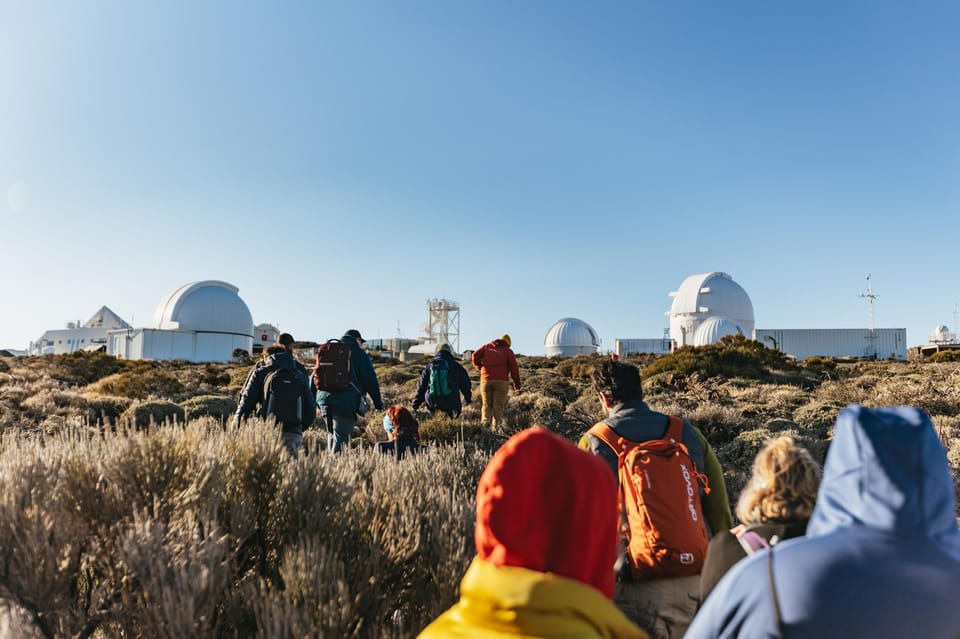
If you’ve ever wanted to understand astronomy without drowning in jargon, this tour hits a sweet spot. You go up Tenerife’s Mount Teide area, where the air is thinner and the sky is famously sharp, then you learn how scientists observe the Sun up close.
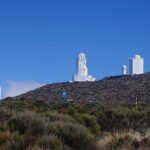
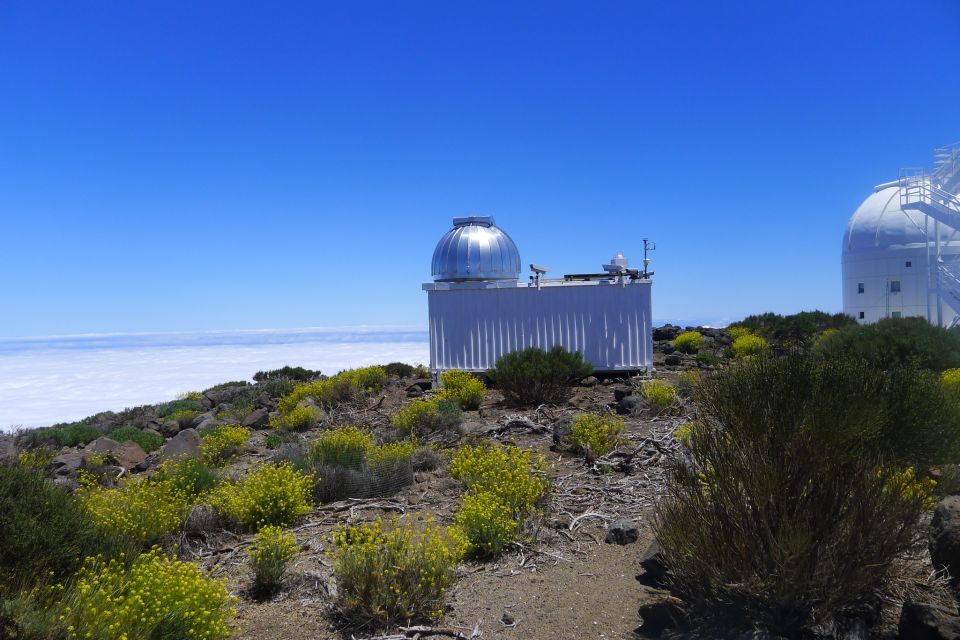
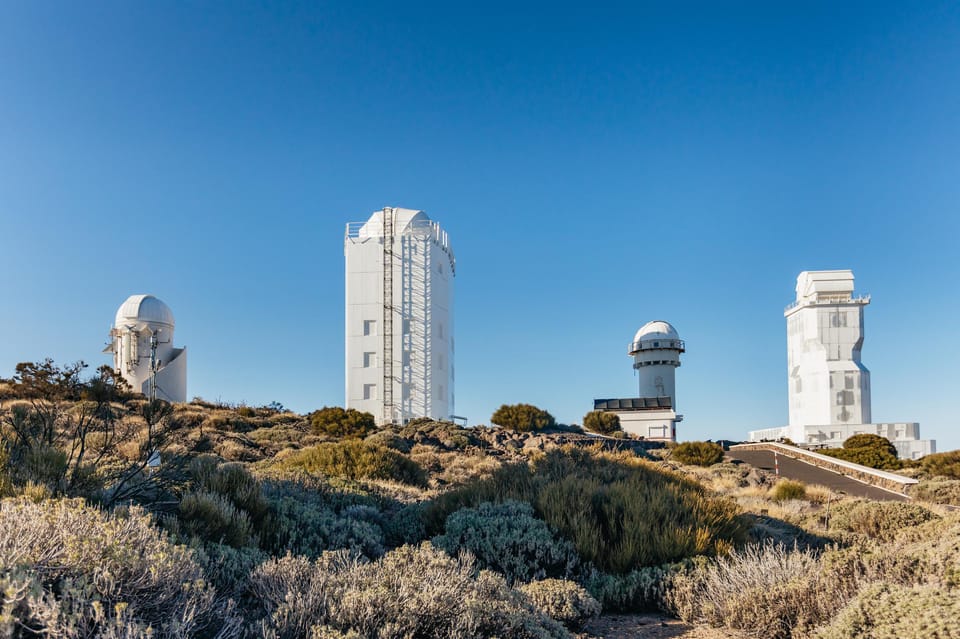
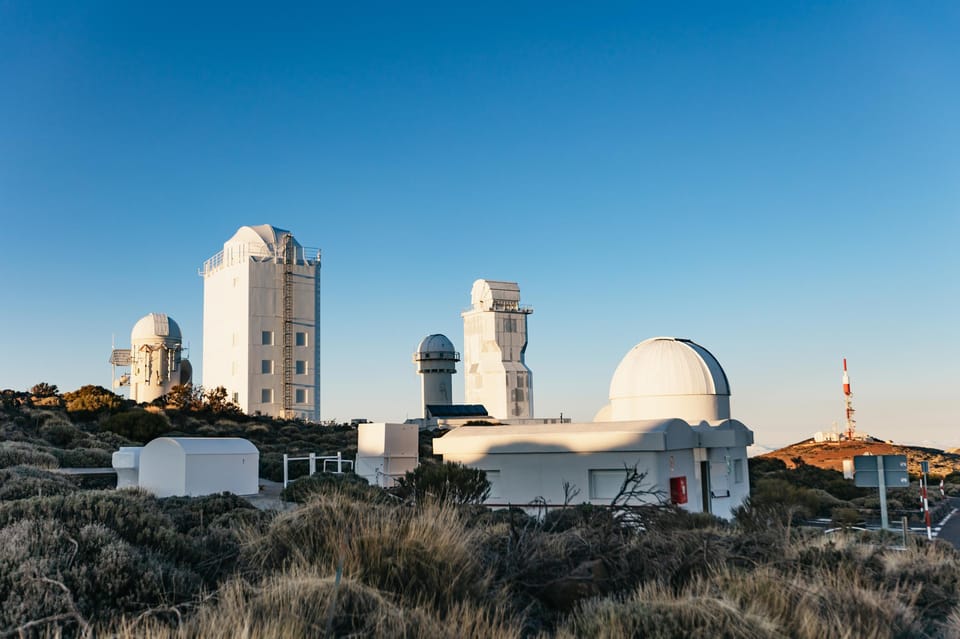
What makes it special is the focus. This is not a quick photo stop. It’s a guided walk through an observatory campus that’s built for solar research, plus hands-on telescope time using two different solar setups.
And yes, it’s the sort of experience where you look at the Sun safely and still feel like you’re doing something serious—because the gear is serious.
You can also read our reviews of more tours and experiences in Tenerife.
How the Tour Flows: From Intro Areas to Telescope Time
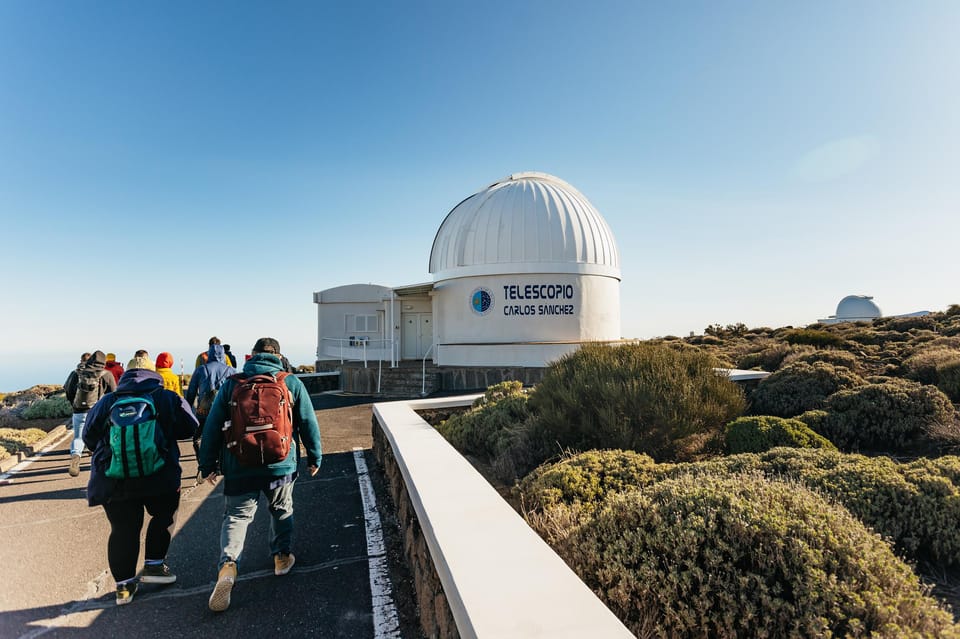
The visit starts with an orientation to how the observatory is set up. You get a run-through of the main areas, so the rest of the experience makes sense when you’re walking between stations.
Then you’ll watch a short video about the skies of the Canary Islands and how the observing works—especially how it shifts between daylight solar work and the way telescopes operate at night. Even if you know only the basics, this is one of those moments that helps your brain stop treating everything as random equipment.
After that, you meet up with your astronomy expert guide for the walk-through. Expect explanations of what astronomers and astrophysicists do and why the observatory matters in the real world, not just as a cool building.
The pacing is built around telescope viewing, so you’re not stuck listening for long stretches. It’s more like: learn a bit, look a bit, ask questions, then look again.
Two Solar Telescopes: Sunspots and Solar Flares You Can See Safely
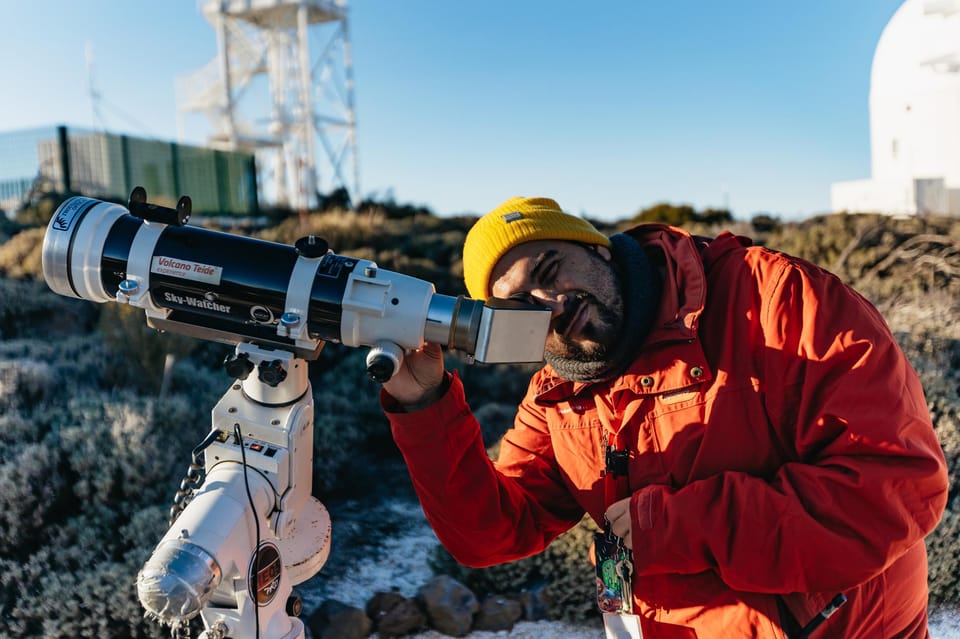
This is the heart of the tour. You observe the Sun through two different solar telescopes, each designed to highlight different solar activity.
One telescope is used to show sunspots. The other is used for solar flares. The big value here is that you’re not just seeing a pretty image—you’re learning that the Sun has different kinds of behavior, and different instruments help scientists detect different phenomena.
When you’re watching through a solar telescope, you’re looking through filters and specialized optics. That means the view may not look like Hollywood footage. At this altitude, the Sun is intense, so the experience is less about spectacle and more about clarity: you’re seeing features that are meaningful to solar scientists.
If you come in expecting giant explosions on demand, you might be disappointed. But if you’re curious about how scientists actually observe and classify solar activity, this part lands extremely well.
The Night Telescope Moment: Learning the Big-Machine Logic
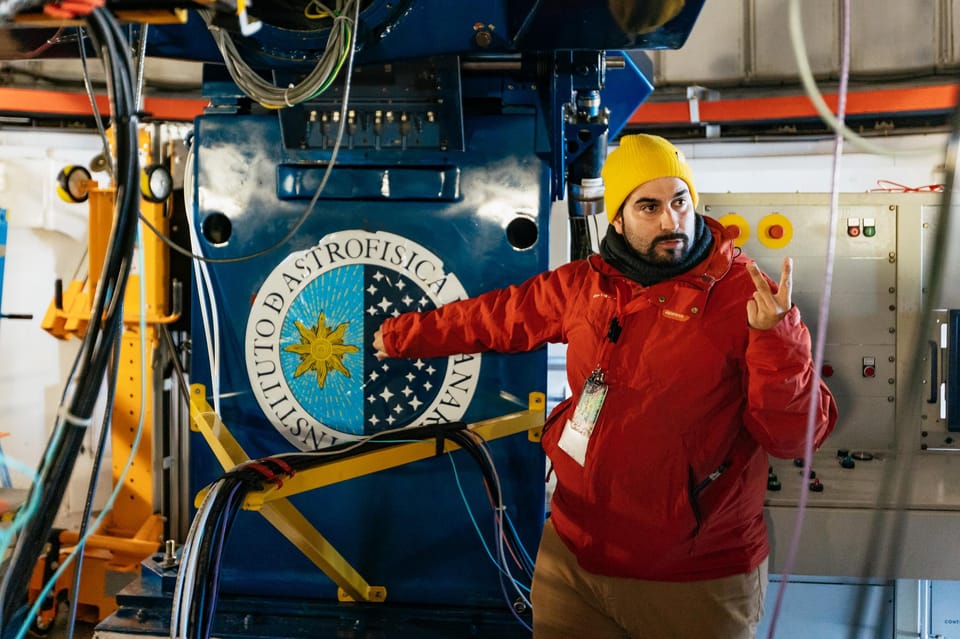
After the solar viewing, you head to a nocturnal telescope. Even if it’s not the same as a full stargazing evening, the point is educational: you get to understand how massive telescopes are set up to observe the night sky.
This stop helps you connect the dots between two worlds: solar research that runs in daylight and night-sky astronomy that depends on different conditions, optics, and viewing strategies. It’s a good reminder that observatories are systems, not just single telescopes on a tripod.
Seeing the night telescope setup also makes the whole day feel more complete. You’re not only learning about the Sun; you’re learning how observatories think, plan, and operate.
What the Altitude and Weather Really Mean for Your Comfort
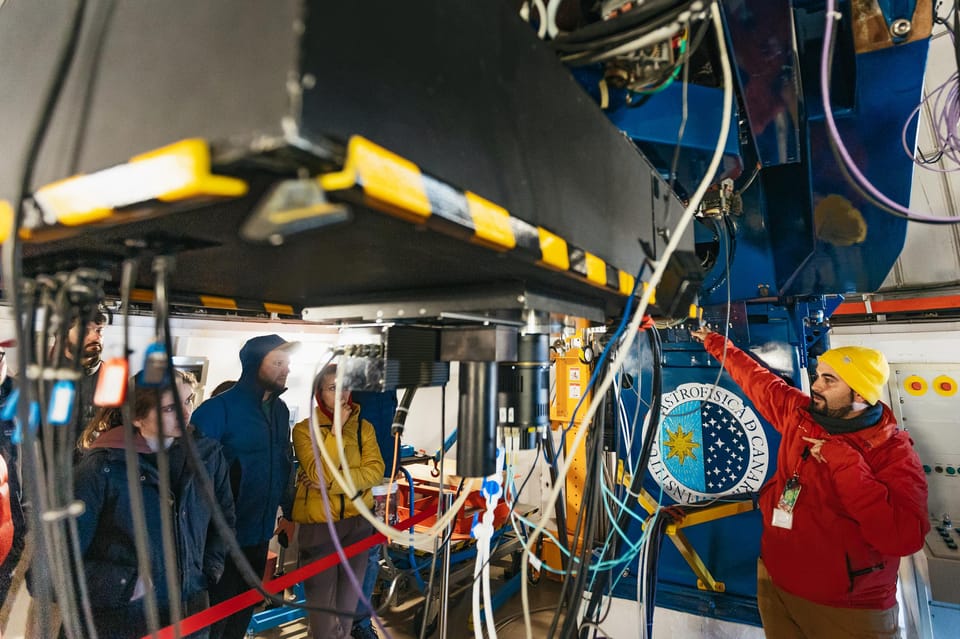
The observatory sits at roughly 2,400 meters above sea level, where oxygen levels are lower. That’s not just a trivia fact—it affects how your body feels on gravel paths and in exposed areas.
You’ll want to plan for two things at once:
- Warm clothing, because it can feel cold at the top and in any breeze
- Sun protection, because you’re also in strong daylight at altitude
Bring sunglasses and sunscreen. Comfortable clothes help, but the practical move is layering. Even when it looks sunny and bright, the shade and wind can still chill you.
If you arrive early, there’s often a place to sit and wait, and some people report being offered practical help like sun protection during waits. Still, I’d treat that as a bonus, not a plan.
Also note the walking surfaces: groups move around on gravel paths. If you have a general physical health issue, mobility limitations, or respiratory problems, this tour may be a struggle—so it’s best to think ahead.
Price and Value: What $25 Buys in 90 Minutes
At around $25 per person, you’re paying for several specific things: entrance to the Mount Teide Observatory area, a guided tour, use of two solar telescopes, and access to a professional night telescope.
That matters because telescope access can be the expensive part of any astronomy experience. Here, you’re paying a single fee for both the solar viewing and the night-telescope component, plus the interpretation from a guide who can answer questions on the spot.
The tradeoff is time. At about 1.5 hours, you don’t get hours of free-form observing. This is a structured experience: learn, look, move on. If you want a slow, linger-all-afternoon vibe, you may want a longer stargazing option elsewhere—but for focused learning and safe viewing, this is strong value.
Transportation and food/drink are not included, so budget for that separately. If you’re hungry, plan ahead so you’re not thinking about snacks while you’re trying to focus on what the Sun is doing.
Who Should Book This (and Who Should Skip It)
This tour is a great match if you:
- like astronomy but don’t want to figure everything out alone
- want hands-on viewing of the Sun through professional equipment
- enjoy learning how scientific instruments are used, not just taking photos
It’s also a good pick for families old enough to handle the walk and the altitude rules. Children must confirm their age with a passport or ID card, and the tour is not suitable for kids under 8.
On the other hand, it’s not the best idea if you have:
- mobility impairments
- respiratory issues
- any health limitations that make altitude or gravel walking risky for you
If you’re unsure, it’s worth deciding based on how you handle hills, wind, and thinner air—because the observatory setting isn’t flat or sheltered.
Small Details That Make the Experience Better
A few practical notes can save you frustration:
- Arrive prepared for both sun and cold. Layering beats guessing.
- Bring the right essentials: sunglasses, sunscreen, warm clothing, comfortable clothes.
- Expect safe viewing, not DIY stunts. This is about professional telescopes and filters for a reason.
- Be ready to ask questions. The best tours are the ones where you can get answers in plain language.
If you end up with a guide like Jesus, Raquel, or Steffi, you’re likely to get a mix of clear explanations and genuine enthusiasm. That combination helps a lot, especially when you’re trying to understand what you’re actually seeing through the instruments.
Should You Book the Tenerife Teide Observatory Guided Tour?
I think you should book if you want a short, structured astronomy experience with real telescope time and real context. For the price, getting to use two solar telescopes plus access to a professional night telescope is hard to beat.
Skip it if you know you’ll struggle with altitude, gravel paths, cold wind, or respiratory triggers. And if your fantasy is dramatic cinematic images of solar explosions, recalibrate your expectations to calm, filtered scientific views that still make your brain light up.
If you’re visiting Tenerife and you’re even a little curious about how scientists study the sky, this tour is one of the most direct ways to get it without homework.
FAQ
How long is the Tenerife Teide Observatory guided tour?
It lasts about 1.5 hours. You can check available starting times when you reserve.
What is included in the price?
You get entrance to the Mount Teide Observatory, a guided tour, use of two solar telescopes, and access to a professional night telescope. Food and drink are not included.
How much does the tour cost?
The price is listed at $25 per person.
What do you see through the solar telescopes?
You observe the Sun using two different solar telescopes: one for sunspots and another for solar flares.
Do you visit a night telescope even though it is a daytime activity?
Yes. Part of the tour includes heading to a nocturnal telescope to see how it observes the night sky.
Where do I meet the guide?
The meeting point may vary depending on the option booked.
What languages are available for the live tour guide?
The tour guide is available in English, Spanish, German, and French.
What should I bring with me?
Bring warm clothing, sunglasses, sunscreen, and comfortable clothes. Children also need to bring a passport or ID card to confirm their age.
Who is this tour not suitable for?
It is not suitable for children under 8, people with mobility impairments, and people with respiratory issues.
Is free cancellation available?
Yes, you can cancel up to 24 hours in advance for a full refund.