REVIEW · TENERIFE
Tenerife: La Casa de Los Balcones Entrance Ticket
Book on GetYourGuide →Operated by La Casa de Los Balcones · Bookable on GetYourGuide
A balcony museum tucked into 19th-century life. At La Casa de Los Balcones, you get a close-up look at Canarian home life through Calados threadwork and carefully kept family belongings. I like that it feels personal, not like a warehouse of objects, and the focus on traditional craft gives you something real to take home in your head. One catch: it’s a house museum, so if you’re hoping for a long, big museum day, plan for a shorter visit.
You’ll also want to think about the audio guide setup. It’s included, but you need your own mobile phone and headphones to use it, and one verified booking noted issues with Apple devices. If that would stress you out, come ready to enjoy the displays first and use the audio guide as a bonus.
In This Review
- Key Things I’d Prioritize at La Casa de Los Balcones
- Entering a 19th-Century Canarian House Museum
- What You’ll See as You Walk Room to Room
- The Former Owners’ Antiques Collection: Why It Feels Different
- Calados Threadwork: The Handcraft Highlight You Shouldn’t Rush
- How the Museum Connects Crafts to Town Roots
- Audio Guide Included: Simple Setup, Real-World Tips
- Buying Souvenirs Inside: Embroidery, Lace, Pottery, and Balconies
- Price and Ticket Value: Is $7 Actually Fair?
- Who This Entrance Ticket Is Best For
- Plan Your Visit Like a Pro (So You Don’t Feel Rushed)
- Should You Book La Casa de Los Balcones?
- FAQ
- How much does the La Casa de Los Balcones entrance ticket cost?
- How long is the experience?
- Do I need to pre-book the ticket?
- Where do I show my voucher?
- Is an audio guide included?
- What languages are available for the audio guide?
- Do I need my own phone or headphones to use the audio guide?
- What handcrafts will I see inside?
- Can I buy souvenirs during or after the visit?
- Is this experience suitable for wheelchair users?
Key Things I’d Prioritize at La Casa de Los Balcones
- Calados threadwork that’s detailed enough to reward slow looking
- A preserved 19th-century townhouse layout, not just a room of exhibits
- Personal antiques from the former owners, which makes the place feel lived-in
- Canarian crafts and traditions presented in a straightforward, hands-on way
- Miniature balcony souvenirs connected to La Orotava’s style
Entering a 19th-Century Canarian House Museum
This ticket is for one stop, but it’s a good one. La Casa de Los Balcones is a historic Canarian townhouse from the 19th century, now turned into a cultural museum filled with local art and traditional handcraft exhibits. When you step inside, you’re not wandering through a modern display space—you’re moving through a home that’s been kept as a time capsule.
What I like most is how the museum uses that house feeling to do the storytelling. You’re not just reading about customs; you’re seeing the kinds of objects and crafts a family might have lived with. That’s the main value here: context. You start to understand what daily life meant, not just what people made.
You can also read our reviews of more tours and experiences in Tenerife.



What You’ll See as You Walk Room to Room
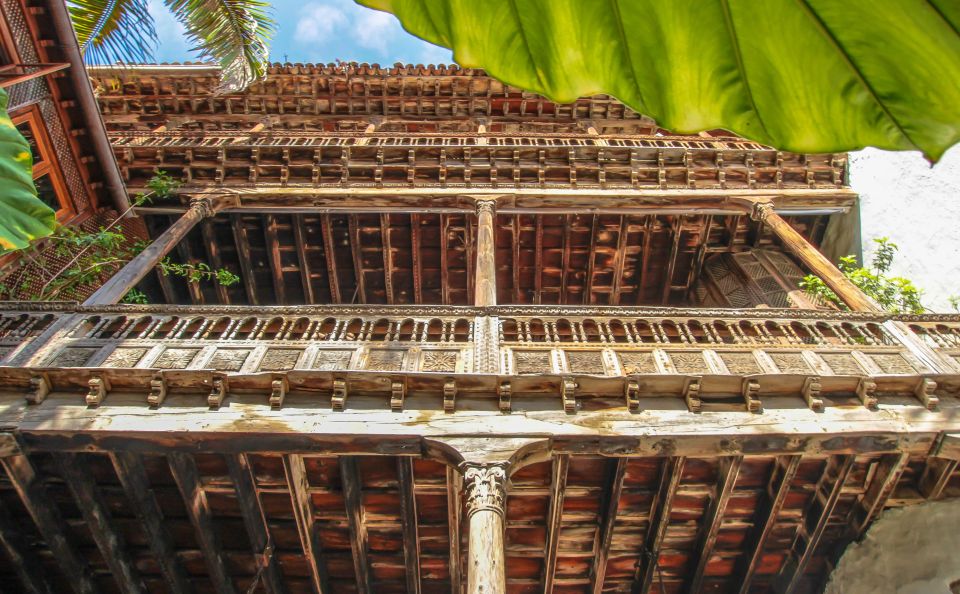
Your visit is self-paced, starting from the entrance ticket collection point after you show your voucher. From there, you’ll walk around a traditional townhouse setup with preserved belongings, plus displays of local art and crafts. The museum is small enough that you can actually get a complete view in one focused outing, instead of feeling lost in a huge maze.
Inside, you’ll spend time around:
- The preserved rooms and the sense of how a 19th-century household worked
- A personal antiques collection tied to the former home owners
- Art displays
- Handcraft exhibits featuring Calados, plus explanations of its history and technique
- Area context about the town’s ancient roots and cultural traditions
One practical tip: since the pacing is on you, I’d give yourself a little buffer at the start to read labels and orient. Then, spend your best attention time on the threadwork and the craft explanations, since that’s where you’ll get the most “wait, look closer” moments.
The Former Owners’ Antiques Collection: Why It Feels Different
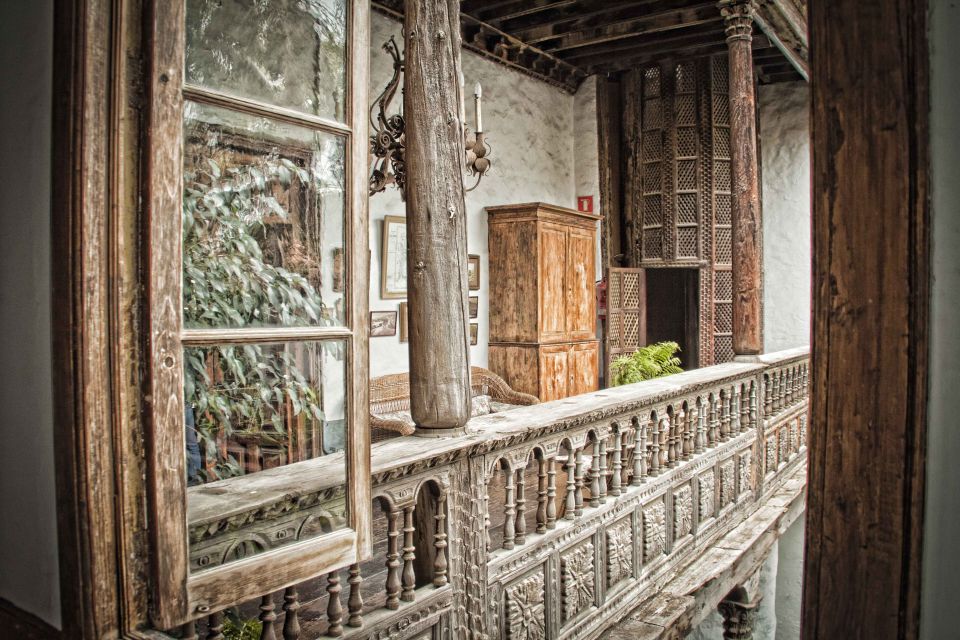
This museum includes the personal antiques collection of the former home owners. That matters more than it sounds. Museum objects can sometimes feel anonymous—removed from the place they belonged. Here, the antiques are presented as part of someone’s lived environment, which makes the objects feel less like souvenirs and more like evidence.
You’re looking for small cues: what was kept, what was valued, and what the household felt like it needed. Even if you don’t know the names of every item, you can still learn a lot by observing how the house holds onto its own atmosphere. It’s a simple approach, but it lands.
If you like museums where the room layout helps tell the story, this part is a big reason to go. The townhouse is doing work that a standalone gallery can’t.
Calados Threadwork: The Handcraft Highlight You Shouldn’t Rush
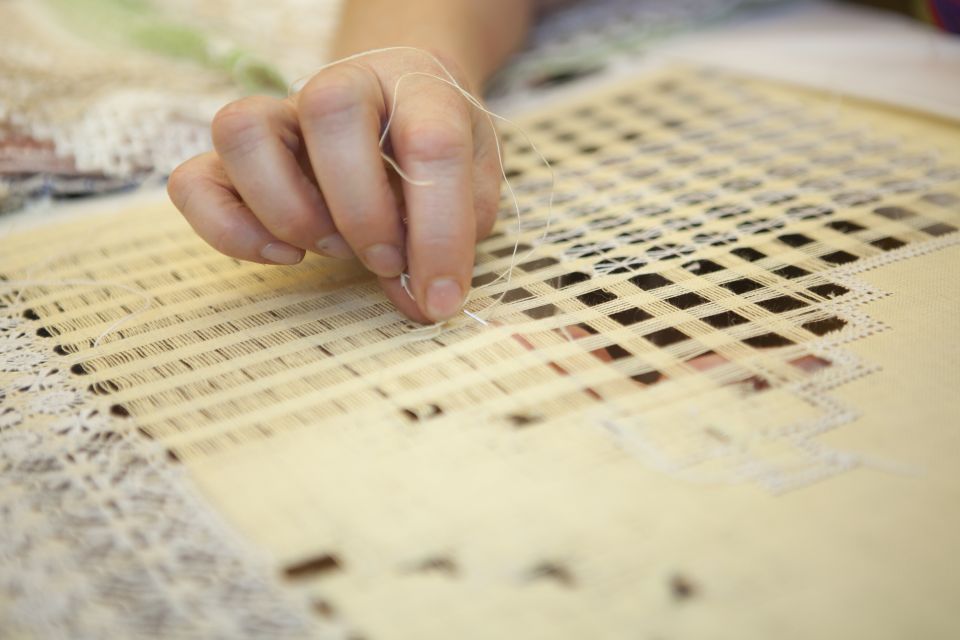
If you do only one thing well at La Casa de Los Balcones, make it the Calados exhibit. The museum includes handcraft displays featuring traditional Canarian thread work, and it goes a step beyond showing finished pieces by covering the history of Calados and the techniques used to make it.
Calados is the kind of craft that makes you slow down. The thread patterns are intricate, and the explanations help you understand what you’re seeing—how it’s made, and why it mattered in daily culture. Even if you’re not a craft person, you’ll probably find yourself looking longer than you planned.
A helpful mindset: treat the Calados section like a mini lesson. Don’t just scan the display. Give it a few minutes per piece, read how the technique works, then go back for a second look. That’s when the patterns start to click.
How the Museum Connects Crafts to Town Roots
Along with the antiques and craft displays, the visit also connects to the town’s ancient roots and Canarian cultural traditions. That’s important because it stops the experience from feeling like a collection of objects with no bigger meaning.
The museum’s approach is practical: you’ll see traditions presented through what people made and how they lived, rather than through heavy-handed storytelling. If you’re traveling around Tenerife and want a grounded sense of local culture, this gives you a tidy anchor point—something that helps the rest of your days make more sense.





Audio Guide Included: Simple Setup, Real-World Tips
An audio guide is included with your ticket, and it’s available in French, English, Spanish, and German. You’ll just need your own mobile phone and headphones to use it.
That detail is more than logistics. If you show up without headphones or you forget your phone, the experience can lose one layer of explanation. And if you do use the audio, it can change how you experience the house—suddenly the objects and craft techniques feel like they have a narrative thread.
Here’s what I recommend to avoid frustration:
- Bring wired headphones if you’re traveling with multiple devices, since they’re usually more reliable.
- Keep your phone charged. You’ll be standing indoors and moving through rooms, so you don’t want to hunt for a power outlet mid-visit.
- If you’re using an Apple device, consider testing the audio before you arrive, since a verified booking specifically complained about the audio guide not working on Apple.
Buying Souvenirs Inside: Embroidery, Lace, Pottery, and Balconies
At the end of your visit, there’s time to browse local products in the gift shop. This is where the experience turns from “watch and learn” into “support and take home.”
You can buy items including:
- Embroidery and lace
- Pottery
- Regional costumes
- Souvenirs like miniature balconies of La Orotava
I like the souvenir angle here because it matches what you saw inside. If you spent time with Calados threadwork, it’s satisfying to spot related crafts afterward. It also makes shopping feel less random. Instead of buying a generic magnet, you’re buying something tied to the specific traditions the museum highlights.
If you’re budget-conscious, I’d pick one item that connects strongly to your favorite part—threadwork, pottery, or something costume-related—then stop. It’s easy to keep browsing once you’re in the mood.
Price and Ticket Value: Is $7 Actually Fair?
At around $7 per person, the ticket price is low enough that it invites a yes. For the money, you get more than entry into a pretty house—you get a focused slice of Canarian life: preserved household context, personal antiques, and a craft highlight with technique explanations.
The value calculation depends on your expectations:
- If you want a quiet, short cultural stop with craft depth, this is strong value.
- If you expect a large museum with lots of galleries and long wandering time, you might feel the price is high relative to your time spent.
One verified booking complained that the house felt like there was little to visit and that the audio guide didn’t work as expected on an Apple device. I don’t treat that as a universal problem, but it does point to how you should judge the experience before you buy: view this as a small, concentrated visit where Calados and the house rooms are the core.
Who This Entrance Ticket Is Best For
This ticket is a good fit if you like:
- House museums and self-paced cultural stops
- Local crafts you can understand through technique explanations
- A calm indoor visit that gives you real context for Tenerife culture
It may be less appealing if you:
- Need an all-day museum marathon (this is a townhouse museum)
- Want guided group tours as the main format (this includes an audio guide, not a live guide)
- Rely on wheelchair access, because it’s listed as not suitable for wheelchair users and people with mobility impairments
If you’re traveling with kids, it could work if your family enjoys looking closely at crafts and old household objects. If your group gets restless indoors, keep the visit time tight and plan something nearby for after.
Plan Your Visit Like a Pro (So You Don’t Feel Rushed)
This is a ticketed entry experience that you can book in advance. It’s valid for 1 day, and you’ll want to check availability for starting times. Once you arrive, show your voucher at the museum’s entrance ticket collection point.
My practical advice for how to pace it:
- Start with the room flow first. Get oriented by looking at the townhouse layout and preserved items.
- Then commit your attention to Calados. Read the technique and history, then circle back to the threadwork pieces for a second look.
- Use the audio guide when it’s helpful, but don’t let it control the whole visit. If the audio slows you down, you’ll still get the main value from what you can see.
Timing-wise, you can treat this as a morning or afternoon anchor. It’s not set up as a “see everything on the island” stop. It’s a focused cultural hour or two—just enough to make you feel like you learned something specific.
Should You Book La Casa de Los Balcones?
I’d book this ticket if you want a low-cost, high-feel cultural stop on Tenerife. For about $7, you’re getting a preserved 19th-century Canarian townhouse, personal antiques that feel connected to real life, and a Calados threadwork exhibit with technique and history. That combination is unusual for the price.
Skip it or be cautious if you want a long, big museum day, or if you’re worried about needing your phone and headphones for the audio guide. If you’re an Apple user, it’s smart to plan for the audio guide to be unreliable and be ready to enjoy the exhibits without it.
Overall, this is best for people who like craft, old homes, and local culture explained in a human way.
FAQ
How much does the La Casa de Los Balcones entrance ticket cost?
It costs about $7 per person.
How long is the experience?
The activity is listed as valid for 1 day.
Do I need to pre-book the ticket?
Yes. You should pre-book your ticket to La Casa de Los Balcones.
Where do I show my voucher?
Show your voucher at the museum’s entrance ticket collection point.
Is an audio guide included?
Yes. A downloadable audio guide is included.
What languages are available for the audio guide?
The audio guide is available in Spanish, French, German, and English.
Do I need my own phone or headphones to use the audio guide?
Yes. You’ll need your own mobile phone and headphones.
What handcrafts will I see inside?
You’ll see traditional Canarian thread work called Calados, along with related craft displays.
Can I buy souvenirs during or after the visit?
Yes. There’s a gift shop where you can buy items like embroidery, lace, pottery, regional costumes, and miniature balconies of La Orotava.
Is this experience suitable for wheelchair users?
No. It’s listed as not suitable for people with mobility impairments and wheelchair users.