REVIEW · MALLORCA
Palma de Mallorca: Guided Tour of the Old Town
Book on GetYourGuide →Operated by Elysee Tours UG (Haftungsbeschränkt) · Bookable on GetYourGuide
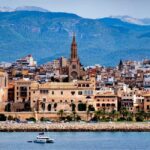
Palma’s old town has a way of sticking. This 2-hour guided walk takes you past the big names, like La Seu and La Lonja, but also into quieter corners where you can feel Palma’s Mediterranean trade past.
What I like most is the storytelling level: guides such as Maja and Yvonne are praised for detailed history and architecture talk, without turning it into a lecture. You’ll also get a practical path through major sights and lesser-seen stops, including courtyards, palaces, and the feel of old Palma’s neighborhoods.
The main drawback to consider is simple: it’s a walking tour and it’s not suitable for wheelchair users. Also, the tour price covers the guide, not entrances, so if you plan to go inside major sites, budget extra time and money.
In This Review
- Key highlights you should care about
- Why this Palma old-town tour works in just 2 hours
- Meeting point, walking pace, and what to wear
- With a German guide or private group, you control the language
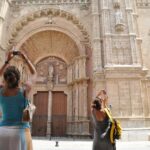
- La Seu cathedral: more than a landmark photo
- La Lonja exchange and the Consolat de Mar link to Mediterranean trade
- Almudaina palace, the Jewish quarter, and the city wall
- Patios: the secret-feeling part of Palma’s architecture
- Modernisme touches and palaces you’d miss on your own
- Es Baluard and Plaça Cort: culture plus civic heart
- Market hall and Mediterranean food cues
- Price and value: when $46 feels worth it
- Who this tour is best for (and who should skip)
- Should you book the Palma Old Town guided tour?
- FAQ
- How long is the Palma Old Town guided tour?
- What’s the price per person?
- What languages are available?
- Are entrance fees included?
- Is food or drinks included?
- Where does the tour meet?
- Do I need to bring anything?
- Is this tour wheelchair accessible?
- Is luggage or large bags allowed?
Key highlights you should care about
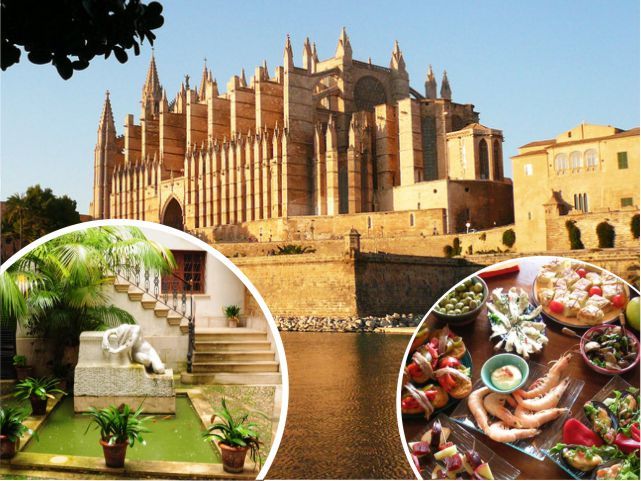
- La Seu cathedral views paired with architect-focused stories, including Guillem Sagrera
- La Lonja exchange and the city’s commercial history around the Mediterranean Sea
- Patios (ornate courtyards) that are easy to miss on your own
- Palace and old neighborhood stops like Almudaina palace, the Jewish quarter, and the city wall
- A guide experience that can feel very personal, with named guides like Maja and Yvonne noted for answering questions well
Why this Palma old-town tour works in just 2 hours
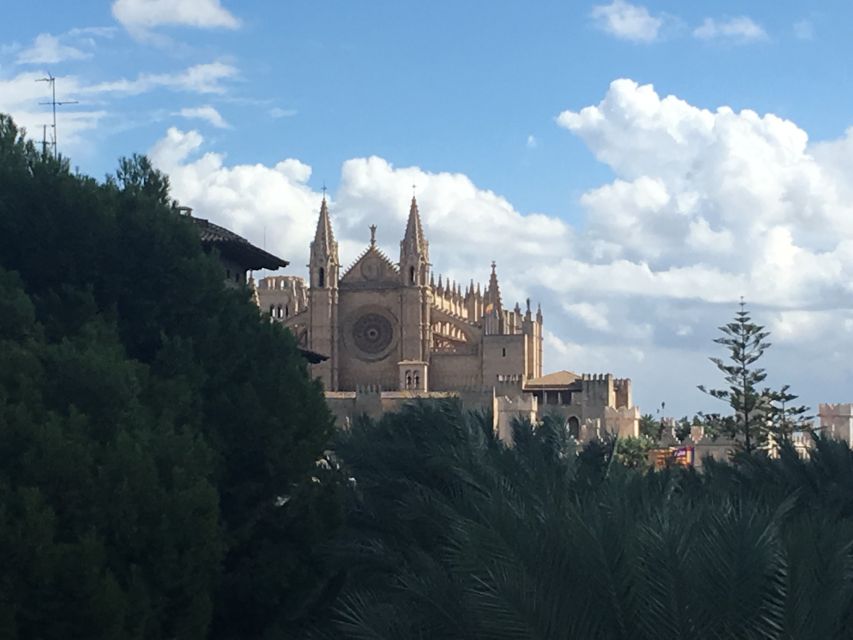
Palma can be overwhelming at first. There are grand buildings, side streets, squares, and that mix of Gothic-era power and later design trends. This tour is built for people who want the highlights but also want meaning behind them, all in about 105 minutes to 2 hours.
What makes the experience feel efficient is the way it connects sites. You don’t just see landmarks. You learn why they mattered: Palma’s rise tied to Mediterranean trade, then how that wealth shaped buildings, squares, and institutions. The walk is also designed to keep you moving through old streets rather than standing still at one photo spot all afternoon.
Price is reasonable for what you get: $46 per person for a live guided walk focused on multiple major sights. The tradeoff is what’s not included: entrance fees, food, and drinks. So think of this as a guided orientation plus exterior viewing and context, with optional costs if you choose to go inside.
You can also read our reviews of more tours and experiences in Mallorca.

Meeting point, walking pace, and what to wear
You’ll meet at Av. d’Antoni Maura, 22 (meeting point can vary depending on the option, but this address is listed as a starting location). The tour ends back at the same area, so you’re not left dragging your day across town.
Bring comfortable shoes. That’s the only “must,” and it matters because the route is a walking circuit through old streets and around several key buildings. There’s also a clear limitation: no luggage or large bags. If you’re traveling light with a small day bag, you’ll be fine. If you’re rolling a suitcase around Palma, plan to switch transport mode before the tour.
One more practical point: the tour is not suitable for wheelchair users. Even if you can manage some walking, the route choice and street layout likely won’t work for mobility needs.
With a German guide or private group, you control the language
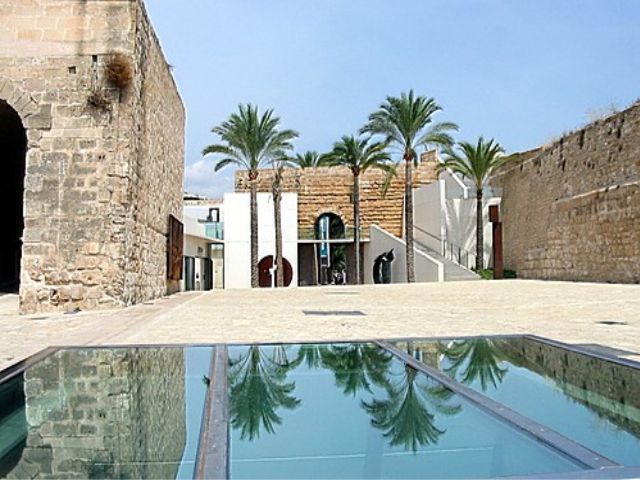
This experience is offered with a live tour guide in German. There’s also the option for private tours in three languages: English, French, and German.
If you’re traveling with a friend or small group, the private version can be a real advantage. You can ask more specific questions about architecture names, builders, or how the old city functioned as an economic hub. If your Spanish is basic and you don’t want to rely on reading everything yourself, having a guide who can translate context into simple explanations is the main value here.
La Seu cathedral: more than a landmark photo
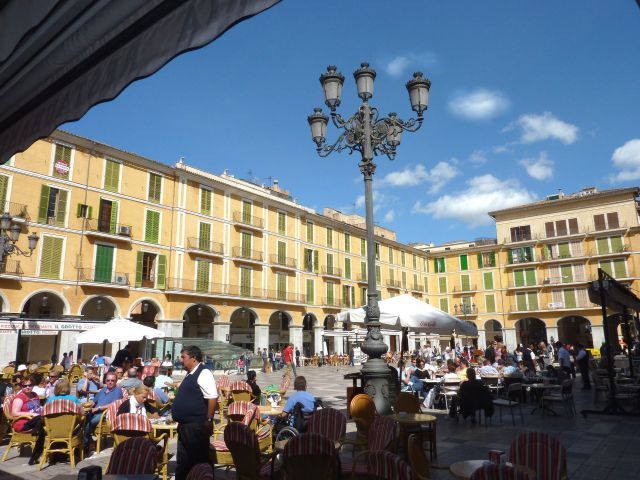
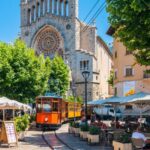
La Seu cathedral is one of Palma’s anchors, and the tour treats it like a story hub. You’ll learn about major figures tied to the cathedral, including Guillem Sagrera. That matters because it changes how you look at the building: you start noticing not only what it looks like, but what it took to build and who shaped it.
Expect the guide to connect the cathedral to Palma’s wider status. The theme running through the walk is that the city wasn’t just religious and scenic; it was also an important economic power linked to the Mediterranean. In that context, the cathedral becomes a visual marker of money, ambition, and civic identity.
A possible downside: entrance details aren’t included in the price. If you’re hoping to go inside and spend time inside the cathedral, you’ll need separate tickets and a slightly more flexible plan.
La Lonja exchange and the Consolat de Mar link to Mediterranean trade
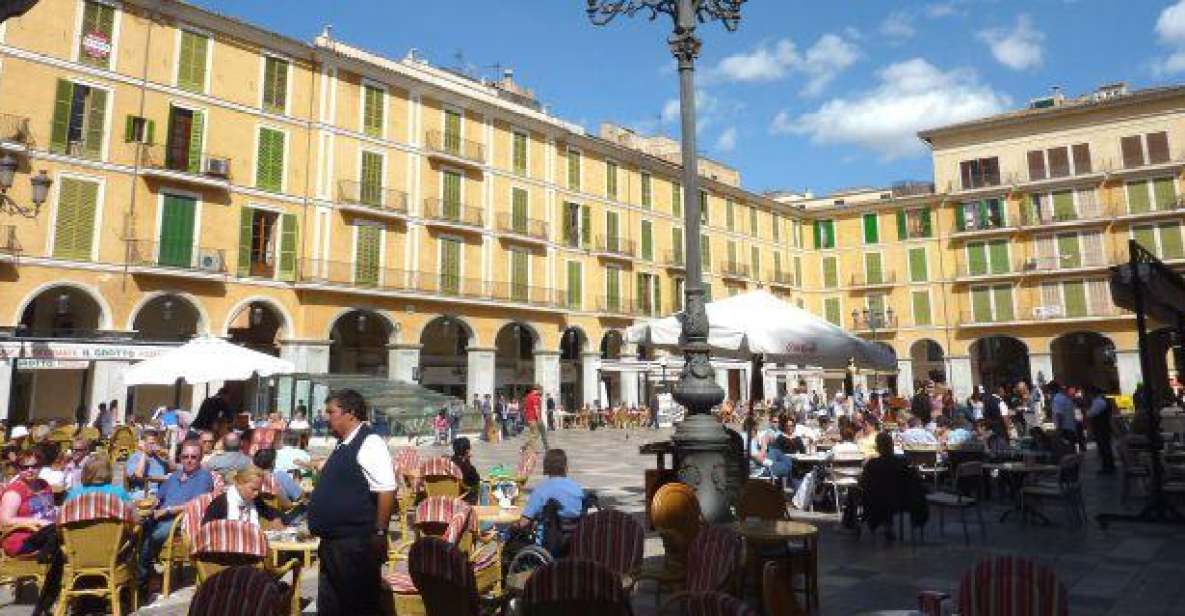
Next to the cathedral area, La Lonja (the exchange) is where the “business Palma” story gets real. You’ll see it as part of a network tied to commerce and shipping logic—exactly the kind of material you’ll appreciate if you like how cities worked, not just how they looked.
The tour also references Consolat de Mar, another key name in Palma’s maritime and civic structure. Even if you don’t know what the institutions do at first, a good guide turns them into clear, human-scale explanations: who these places served, what decisions they supported, and why this neighborhood stayed important for centuries.
Why this stop is valuable: many walking tours treat exchanges and government buildings like background. Here, they’re central. That’s what helps the route feel coherent, not like a checklist.

Almudaina palace, the Jewish quarter, and the city wall
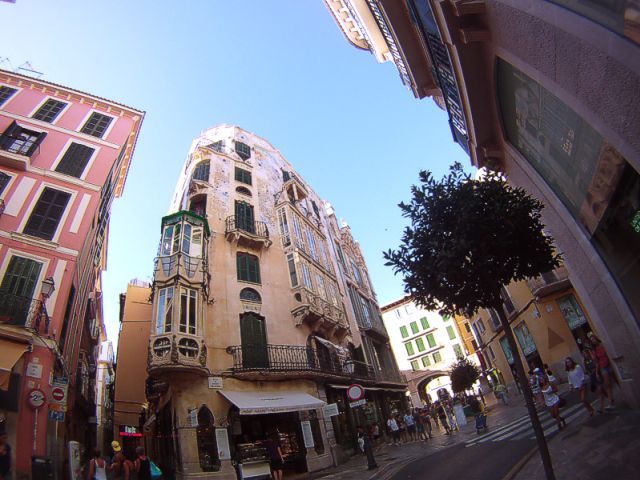
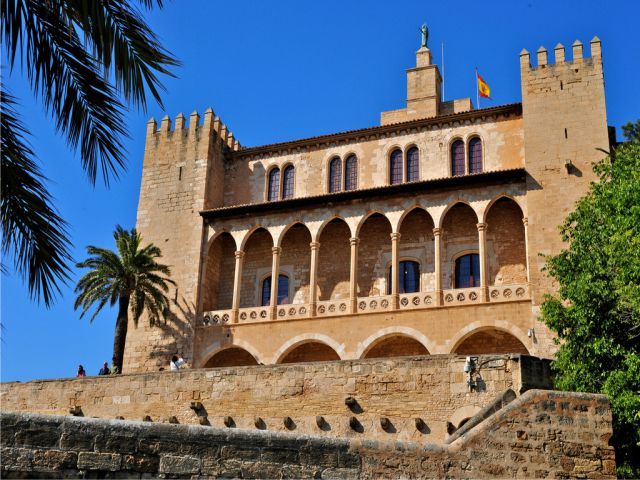
Palma’s old town contains layers of power and community. The tour brings you to areas like Almudaina palace, and it also includes stops tied to the Jewish quarter and the city wall.
These parts of the walk are where you start to feel the city’s depth. Palaces aren’t just pretty facades; they’re about how rule and prestige were expressed in stone and space. The Jewish quarter segment adds another human layer, helping you understand that old Palma wasn’t one single story. It was a patchwork of communities living side by side, shaped by trade, laws, and changing eras.
The city wall element can be especially satisfying if you enjoy urban history. You get a sense of boundaries: what was inside, what was defended, and how protection and commerce influenced where people gathered.
A consideration: if you want very detailed time inside each site, this tour’s focus is on guided context and the overall route. You’ll likely see key exteriors and learn the meaning, then decide later whether you want extra time on your own.
Patios: the secret-feeling part of Palma’s architecture
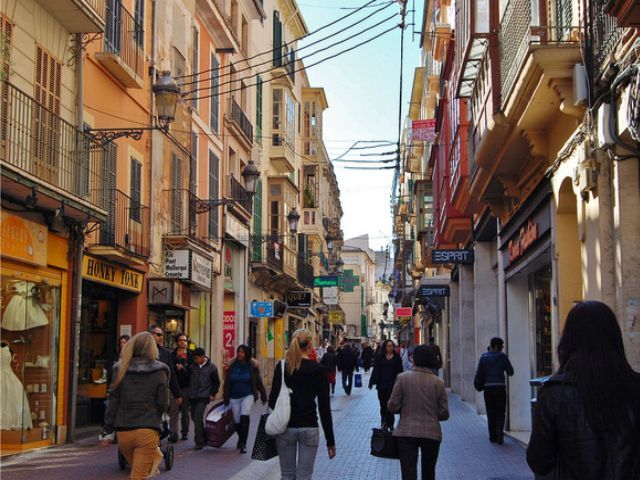
One of the most “wow” parts of this tour is the emphasis on patios—ornate courtyards that can feel hidden until someone points them out. These spaces matter because they show how everyday life and social life connected to architecture.
What you’ll take away isn’t only the beauty. It’s the idea that Palma’s city life is shaped around interior spaces. Courtyards become breathing rooms, meeting points, and visual statements. Once you’ve been shown what to look for, you’ll start noticing similar features in neighborhoods even after the tour ends.
This is also where guides who are strong with architecture details shine. You’ll hear about builders and influences, including connections to design trends associated with Antoni Gaudí disciples. You don’t need to be an architecture specialist to appreciate it, but the guide helps you see the patterns.
Modernisme touches and palaces you’d miss on your own
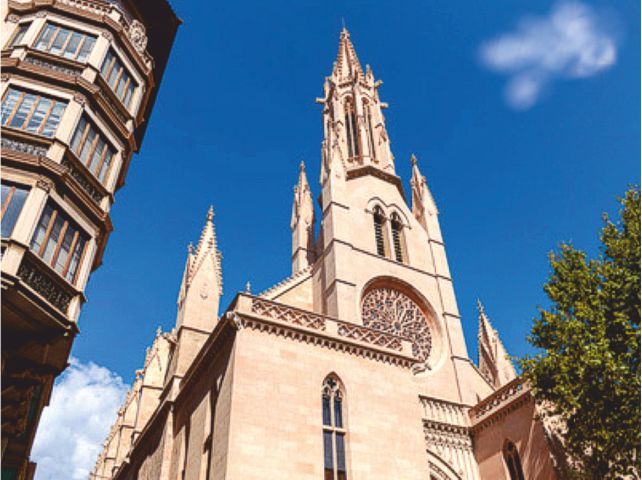
Palma isn’t only Gothic. You’ll also see modernisme buildings and learn how different eras left different signatures across the city. This matters because many visitors only remember Palma as a postcard cathedral city. This tour nudges you into seeing the full timeline: older power structures, then later design styles layered on top.
Stops connected to palaces and manors (including what’s mentioned around Almudaina and nearby historic structures) help you understand how wealth displayed itself. It wasn’t just about owning land. It was about commissioning spaces with strong identity: courtyards, facades, and ceremonial streets.
If you like photos, you’ll have plenty of opportunities. But the bigger win is how the walk teaches you how to look: proportion, materials, and the way buildings relate to nearby squares.
Es Baluard and Plaça Cort: culture plus civic heart
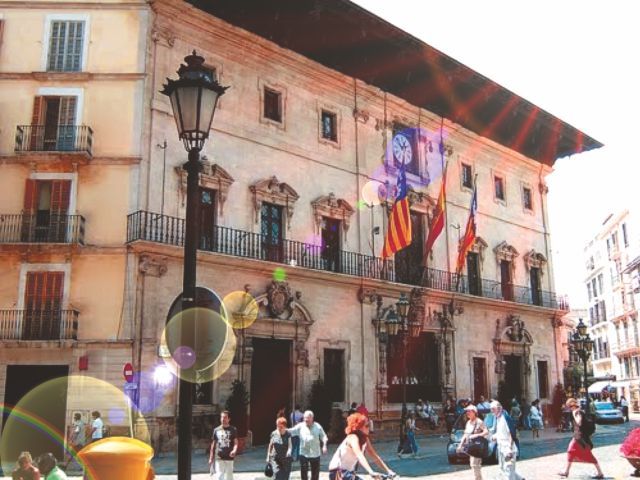
You also pass through areas tied to culture and local identity, including Es Baluard and Plaça Cort. Even without counting on lengthy museum time, seeing where these institutions sit helps you place Palma in a modern context.
Plaça Cort is a key civic square, the kind of place where you can imagine public life happening: announcements, daily movement, and the everyday rhythm of the city. This stop gives the tour an “present-day Palma” angle after all the older history and trade focus.
As a practical matter, squares are also where you can quickly reset. If the walking section feels like a lot, these open spaces help you catch your breath and regroup before the next cluster of streets.
Market hall and Mediterranean food cues
The tour includes time near a lively market hall, with a focus on culinary diversity and Mediterranean cuisine. This doesn’t mean it turns into a food crawl. It’s more about getting your bearings and understanding what the local food culture looks like, so you can plan meals after the tour ends.
I like this approach because it avoids the common problem: tours that promise food but deliver only a quick taste and a sales pitch. Here, the guide supports the city experience with context. Then you make choices later—based on what you actually saw and learned.
Price and value: when $46 feels worth it
For $46 per person and roughly 2 hours, you’re paying for two things: a guided walking route and the interpretation of major architectural and historical points. That’s good value if you’re the kind of person who wants meaning, not just photos.
It becomes even better if you don’t already know Palma well. Names like Pere Morey and Guillem Sagrera come up for a reason, and a skilled guide helps you connect those names to what you’re looking at in real space.
The value equation shifts if you expect this to include everything. Entrance fees are not included, and there’s no food or drinks included. So if you want interior access to multiple sites, you should budget extra and keep your expectations aligned with what the guide portion covers.
Who this tour is best for (and who should skip)
This tour fits best if you:
- want a guided overview of Palma’s old town highlights in a short time
- care about architecture names and how buildings connect to city life
- like history that’s tied to places you can walk to, not only dates
It’s less ideal if you:
- can’t do the walking required for an old-town route
- need a fully accessible option (it’s listed as not suitable for wheelchair users)
- want a museum-heavy schedule with paid entries built in
Should you book the Palma Old Town guided tour?
I’d book it if you want a smart, organized introduction to Palma’s historic core—especially if patios, cathedral-and-exchange storytelling, and architecture details matter to you. The route makes sense for first-timers, and private or small-group options make it easier to ask questions, particularly about the builders and design influences mentioned during the walk.
Skip it if you’re mainly looking for long interior visits or you already have a strong plan and want to spend the whole day inside sites. For that, you’ll likely want a ticket-first approach and more self-guided time.
If you’re on the fence, use this simple test: do you want someone to point out why things are there? If yes, this tour is a solid use of time.
FAQ
How long is the Palma Old Town guided tour?
The tour lasts about 105 minutes to 2 hours.
What’s the price per person?
The price is $46 per person.
What languages are available?
The live guided tour is in German. Private tours are available in English, French, and German.
Are entrance fees included?
No. Entrance fees are not included.
Is food or drinks included?
No. Food and drinks are not included.
Where does the tour meet?
The meeting point may vary depending on the option booked, but Av. d’Antoni Maura, 22 is listed as a starting location.
Do I need to bring anything?
Bring comfortable shoes.
Is this tour wheelchair accessible?
No, it is not suitable for wheelchair users.
Is luggage or large bags allowed?
No. Luggage or large bags are not allowed.