REVIEW · SICILY
Summit Craters Excursion (3357 m.)
Book on Viator →Operated by Guidetna.it - Volcanological Guides on the Etna · Bookable on Viator
Crater views change the way you think about Sicily. This Mount Etna summit craters excursion blends a volcanological guide, a trek in volcanic terrain, and a north-side approach that can still deliver major crater moments even when conditions limit the very top.
I love two things here: the small group size (max 20) and the volcanological guide who explains what you’re seeing as you walk. That combination makes the day feel controlled and hands-on, not rushed or vague.
One thing to plan for: the 4×4 vehicle to Etna North / Piano Provenzana costs 60€ extra and is not included, and access can shift with volcanic activity and visibility.
In This Review
- Key Highlights You’ll Care About
- Etna Summit Craters: Why This Trek Feels More Real
- The North-Side Route and Why Starting at Piano Provenzana Helps
- On Foot With a Volcanological Guide (And What That Changes)
- The Main Trek: What Happens From Etna’s Summit Area
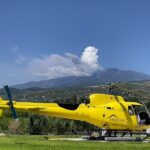
- The 4×4 Ride to Piano Provenzana: Worth Paying For?
- Views, Formations, and the Stuff You’ll Remember
- Group Size, Pace, and Safety on Uneven Ground
- What’s Included vs. What’s on You
- Timing and Meeting Point Details That Matter
- Weather, Volcanic Activity, and How to Think About Changes
- Price and Value: Is $101.85 a Smart Spend?
- Who Should Book This Etna Summit Craters Excursion
- Should You Book? My Honest Call
- FAQ
- FAQ
- How long is the Summit Craters excursion on Mount Etna?
- How much does it cost per person?
- Is the tour offered in English?
- What is included in the price?
- What’s not included?
- What kind of fitness level do I need?
- How big is the group?
- Are service animals allowed?
- What happens if weather is poor?
- When can I cancel for a refund?
- What time does the tour start, and where does it end?
Key Highlights You’ll Care About
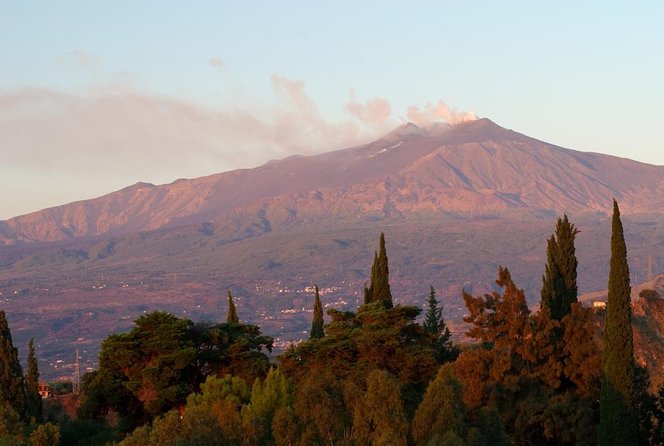
- Volcanological guide on the trekking so you’re not just looking at rocks with no context
- Max 20 people for more attention and safer pacing on uneven ground
- North-side feel starting from Piano Provenzana with a high-to-mid altitude walking route
- Admission ticket free for the Etna part included in the experience
- Summit access depends on conditions, so your exact final look can vary
Etna Summit Craters: Why This Trek Feels More Real
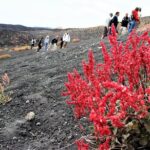
The Etna summit crater area isn’t a “stand here and take photos” kind of place. You’re moving through volcanic terrain while a guide helps you read it—what formed this, what it means, and what you’re looking at from the ground. That turns the day into a lesson you can feel in your legs.
If you like getting close to the action without the chaos, the small group limit of 20 matters. You’ll typically get more time to ask questions and more space to keep your footing on volcanic surfaces that can be loose or uneven.
And then there’s the tone of the guiding itself. In the strongest examples, guides like Marco, Daniele, Davide, and Arturo (plus the coordination support of Luca) were praised for being professional, careful with the group, and good at explaining Etna’s specifics in a way that actually sticks.
You can also read our reviews of more tours and experiences in Sicily.

The North-Side Route and Why Starting at Piano Provenzana Helps
This excursion focuses on Mount Etna summit craters from the north side. The practical impact? You’re not starting from sea level, and you’re not spending the whole day in a bus. The route is built for time in the volcanic zone.
A big detail is the option (or requirement, depending on how you book) for transport via special 4×4 to Etna North / Piano Provenzana. That 60€ add-on is listed as not included, so you’ll want to decide early whether you’ll pay it. If you skip it, you may still do the experience, but you should expect that the plan changes around getting you to the working altitude.
When the north-side plan runs as intended, you’re often set up for a high start and a more dramatic walk. One described route started from Piano Provenzana and went up toward an observatory around 3000 meters, then walked back down toward about 1800 meters. That kind of vertical sweep is one reason this feels like an expedition rather than a short tour.
On Foot With a Volcanological Guide (And What That Changes)
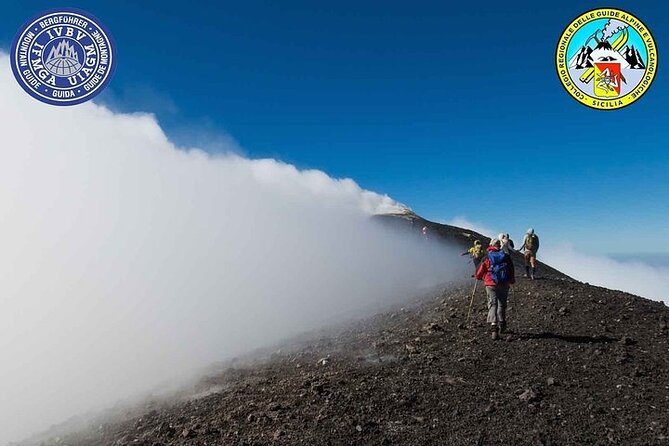
The included core is trekking with a volcanological guide. This is the difference between a hike and an explanation you can trust—because the guide doesn’t just name things, they help you connect the visual clues to how Etna behaves.
In the best moments, guides are the ones who make the summit area readable. They can point out formations and explain why the terrain looks like it does. In real examples from past outings, guides explained features like lava caves, volcanic bombs, and formations often described as the buttonhole, tying them to what you can actually see along the route.
You’ll also learn how guides judge conditions in the moment. Etna is active, weather can shift quickly, and route access can change. When a guide is experienced, you don’t just get safety—you get meaning, even if you can’t reach every viewpoint you hoped for.
The Main Trek: What Happens From Etna’s Summit Area
Expect a day built around climbing toward the summit crater zone and then walking through the volcanic terrain with direction from the guide. The experience runs about 5 to 7 hours total, so you’re looking at a full block of movement, not a casual half-hour stroll.
One reason people call this a highlight is that the walk is structured to give you variety. You’re not only staring up at craters. You may pass through areas where the guide helps you identify different shapes and volcanic features, which makes each change in terrain feel like a new scene.
Also, your exact endpoint can vary. Some days don’t allow the final push to the very top due to Etna’s activity. On other days, the guide can take you to what’s described as the entire craters, if conditions permit. Either way, you’re still likely to come away with a strong sense of Etna’s scale and power.
If you’re prone to disappointment when plans shift, here’s the mindset to bring: treat the summit craters as a living environment. The best guide approach is adjusting the route while keeping the experience valuable.
The 4×4 Ride to Piano Provenzana: Worth Paying For?
The special 4×4 vehicle from Etna North to Piano Provenzana costs 60€ and is not included. That might sound like an annoying extra line item—but it often buys you something important: time and positioning.
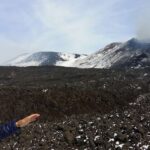
Instead of spending hours trying to make your own way into the right zone, you’re brought into position for a trek that starts high enough to feel dramatic. When the route is working as planned, it can feel like going from roadside mountain air into a different world fast. One description even compared the observatory area to being on Mars, which tells you the vibe you’re aiming for—raw, exposed, and unmistakably volcanic.
Is it always necessary? The data here lists it as not included, not as optional in every scenario. So I’d use your confirmation details as the final word. If the transfer is required for your route, then it’s not really an upsell; it’s part of how the day functions.


Views, Formations, and the Stuff You’ll Remember
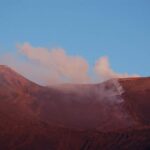
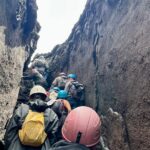
This excursion is about crater access and the volcanic formations that make Etna feel like a science project in real life. You’ll likely see (depending on conditions) a mix of crater views and other features along the walk.
From past experiences, guides have pointed out:
- Lava caves you can spot and interpret from the terrain
- Volcanic bombs and other erupted materials
- A formation referred to as the buttonhole
- Crater areas described as the parts you can reach when access allows
Even when you’re not an earth-science person, the guide makes it click. The key is that you’re seeing the features in context, not as disconnected photo stops. That’s why the volcanological guiding gets such strong praise.
And yes, you may feel it physically. People describe breathlessness at altitude and a descent that feels like a show in itself, including examples of dropping from around 3300 meters down toward 1800 meters. Bring the right attitude: you’re going up, you’re working, and you get the payoff.
Group Size, Pace, and Safety on Uneven Ground
With a maximum of 20 travelers, the pacing tends to be more manageable. Smaller groups usually mean fewer bottlenecks when you’re walking on rough or sloped surfaces, and it’s easier for the guide to check that everyone is keeping up.
You should also take the fitness requirement seriously. The tour asks for moderate physical fitness level, and that’s fair. Even if you’re in good shape, you’ll likely face uneven ground, changing altitude, and long time on your feet.
On good-guide days, the group management is the quiet hero. In examples, guides like Daniele were described as careful and organized, while guides like Davide were called reassuring and professional. That matters because on a volcano, the safe route and the best learning experience are tied together.
What’s Included vs. What’s on You
Here’s the practical accounting.
Included
- Trekking with a volcanological guide
- An Etna admission component marked as free
- Mobile ticket (so you’re not hunting for paper)
Not included
- Lunch
- Private transportation
- The 4×4 vehicle to Etna North / Piano Provenzana (60€)
That mix can actually be good value if you plan ahead. Packing your own lunch (or buying a meal before you start, if that’s feasible for your schedule) helps you avoid time sinks. And since the guide is the real centerpiece, you’re paying for expertise and access—not just transport.
If you’d rather not think about logistics, you’ll want to confirm what your booking includes for the 4×4 transfer and how the rest of your day is handled.
Timing and Meeting Point Details That Matter
This experience is listed with a start time of 12:00 am and ends back at the meeting point. Because that start time looks like it could be interpreted as midnight, I strongly recommend you double-check your confirmation message for the exact local start time and location.
The day is still built for a long window—5 to 7 hours—so plan around it like a half-day commitment. Also note that it’s offered in English, which is helpful if you want real explanations rather than summaries.
If you’re coming from elsewhere on Sicily, it’s noted as near public transportation, which can lower the stress of getting to the meeting point.
Weather, Volcanic Activity, and How to Think About Changes
This tour requires good weather. That’s not a small footnote; it’s a big part of whether you can safely access the right crater zone and visibility.
Your best plan is flexibility. Your route may adjust due to conditions, and your final ability to reach the summit craters can change. Past experiences include days where climbing to the top was limited because Etna was in activity, but the route still delivered exceptional scenery and learning.
If the tour is canceled due to poor weather, the policy provided says you’ll be offered another date or a full refund. For partial visibility issues while the tour still runs, the situation isn’t spelled out here—so I’d set expectations that volcano days can be imperfect and that the experience is built around what the conditions allow.
Price and Value: Is $101.85 a Smart Spend?
At $101.85 per person, you’re paying for a guided volcanic trekking experience with a small group (max 20) and a volcanological guide. That’s not just a casual hike; it’s a specialist outing focused on summit crater access.
The real value question is the optional/extra 60€ 4×4 vehicle to Piano Provenzana. If you factor that in, the total spend may rise depending on what your booking includes.
Still, the value can be solid because:
- You get expert guidance tied to crater terrain, not generic narration
- You spend hours actually in the Etna zone (not just traveling around it)
- Small groups can reduce wasted time and help safety
My practical advice: treat the 4×4 as part of the cost model. If it’s available and included in your plan, it likely makes the day work better. If you’re trying to budget tightly, confirm exactly what you’re getting so there are no surprises on the day.
Who Should Book This Etna Summit Craters Excursion
This is a great match if you want an active volcano day and you like guided interpretation. You’ll probably enjoy it most if you’re:
- Comfortable with moderate physical fitness hikes
- Interested in how volcanic features form and what you’re looking at
- Traveling in a small-group style and prefer organization over crowds
It also seems to work for families that can handle uneven ground. One past experience specifically mentioned doing the trek with an almost eight-year-old, which suggests it’s possible when kids are ready for the physical demands and the day’s pacing.
I’d think twice if you:
- Want a very easy walk with minimal altitude strain
- Have strict expectations about reaching the absolute top at all costs
- Don’t want weather-related route changes
Should You Book? My Honest Call
If your idea of Sicily includes getting close to the real Etna instead of circling it at a distance, I’d book this. The combination of volcanological guiding, a small group, and real time in the summit crater zone makes it more than a checklist stop.
Just read the fine print on cost. The 4×4 transfer (60€) and lunch not included can be the difference between a smooth day and a stressful one. Also, accept that crater access depends on conditions. If you can roll with that, this is the kind of Etna outing you’ll talk about long after the bus ride home.
FAQ
FAQ
How long is the Summit Craters excursion on Mount Etna?
It runs for about 5 to 7 hours.
How much does it cost per person?
The price is listed as $101.85 per person.
Is the tour offered in English?
Yes, it is offered in English.
What is included in the price?
It includes trekking with a volcanological guide, and the Etna admission ticket is marked as free. You’ll also have a mobile ticket.
What’s not included?
Lunch is not included, private transportation is not included, and the special 4×4 vehicle to Etna North / Piano Provenzana costs 60€ and is not included.
What kind of fitness level do I need?
You should have a moderate physical fitness level.
How big is the group?
The maximum group size is 20 travelers.
Are service animals allowed?
Yes, service animals are allowed.
What happens if weather is poor?
The experience requires good weather. If it’s canceled due to poor weather, you’ll be offered a different date or a full refund.
When can I cancel for a refund?
You can cancel for free up to 24 hours in advance for a full refund.
What time does the tour start, and where does it end?
The start time is listed as 12:00 am, and it ends back at the meeting point.