REVIEW · QUEPOS
Sirena Station, Corcovado National Park Day Trip from Quepos.
Book on Viator →Operated by Manuel's Tours, Costa Rica. · Bookable on Viator
Four a.m. starts. Rainforest payback. I love that the day includes a solid Sierpe breakfast before the long drive, and I love the BTX Swarovski spotting scopes—your guide captures photos and video for you if you like. This is a serious Osa Peninsula day trip built around reaching Sirena Ranger Station and walking deep enough to make Corcovado feel remote and alive.
The catch? You’re committing to a long, humid trek. Expect wet, muddy trails, nonstop hiking, and changing weather, so come fit and plan for the park rules (especially bringing your own reusable water bottle).
In This Review
- Key highlights that matter
- Sirena Ranger Station in Corcovado: what makes this day trip feel real
- Sierpe stop: breakfast, bathroom time, and water planning that saves headaches
- The long travel day: land and sea transfers that set the tone
- Two Sirena hikes: rainforest mud, beach walks, riverside sections, and more
- Wildlife spotting with Swarovski scopes: how the photos-and-video perk helps
- Guides on the ground: what you’re really paying for
- Food, water, and the no-single-use-plastics rule
- Price and value: why $395 can make sense for a remote day
- What to pack for Sirena: wet boots, bug spray, and sun protection
- Who should book this (and who should skip it)
- Should you book the Sirena Station day trip from Quepos?
- FAQ
- Where does this tour pick me up?
- What time does the day start?
- How long is the experience?
- Is breakfast included?
- Is lunch included too?
- Do I need to bring a reusable water bottle?
- Do I need to send passport details?
- Are kids allowed?
- What food rules apply inside Corcovado?
- Are drones allowed?
Key highlights that matter
- Door-to-door air-conditioned transport from Manuel Antonio or Quepos keeps the long day manageable.
- Breakfast + lunch included with no need to guess what you can grab near the park entrance.
- Two certified bilingual naturalist guides working together to spot wildlife and explain what you’re seeing.
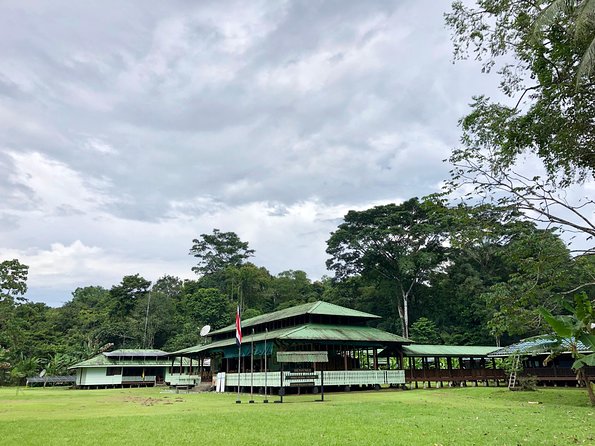
- Sirena Ranger Station day with two hikes that mix rainforest, riverside sections, and beach terrain.
- Guide-captured photos and videos using ATX-BTX Swarovski Spotting Scopes.
Sirena Ranger Station in Corcovado: what makes this day trip feel real
Corcovado National Park isn’t the place for casual, short walks. This Sirena day trip is built for people who want to earn their wildlife sightings—by getting in early, traveling by land and sea, and then following the trails at a real hiking pace.
What I like about this setup is that it’s not only about checking off a park name. Sirena Ranger Station sits in a zone that can feel intensely alive: rainforest layers, riverside paths, and stretches of beach terrain. You’re also moving through a mix of forest types (old-growth primary and secondary), which matters because animals don’t show up uniformly. Different habitats pull different species close.
The tour is also paced like an expedition, not a sightseeing bus loop. You’ll do two separate hikes and spend hours on the ground where the sounds change and the light gets weird (in a good way). And because the operation runs with a small max group size (10 travelers), the guides can keep you together and adjust when a trail gets slick or when a sighting demands quick, careful positioning.
You can also read our reviews of more tours and experiences in Quepos.
Sierpe stop: breakfast, bathroom time, and water planning that saves headaches
Before you even get to the Corcovado hiking, you start in Sierpe. This first stop is practical: you eat a full breakfast, use the facilities, and handle your water planning. The tour emphasizes filling your own reusable bottles here, which is smart because once you’re headed into the park, you don’t want to be scrambling for water rules or convenience store runs.
The breakfast itself is filling and the kind of Costa Rican comfort food that helps for an early start: mixed rice and gallo pinto, eggs, toast, tropical fruit, plus coffee and juice. It’s not just fuel; it’s timing. Getting a real meal at dawn helps you handle the “hike nonstop” reality later without turning the day into a low-energy slog.
One small but important note: bottled water and single-use plastics are prohibited. So if you show up with a stash of disposable bottles, you’ll be the one digging for solutions. The better move is simple: bring your own reusable water bottle from the start and refill where you’re allowed.
The long travel day: land and sea transfers that set the tone
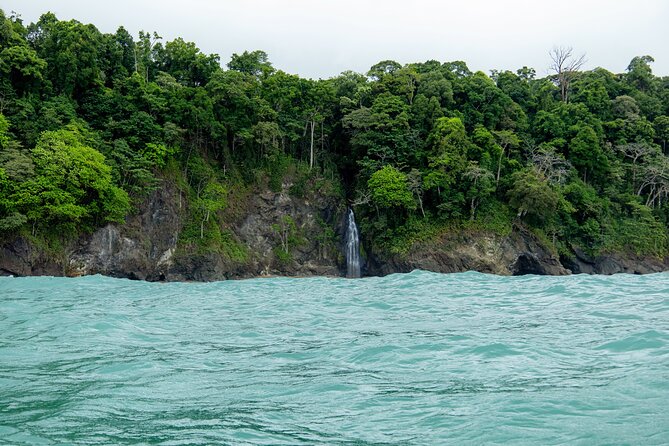
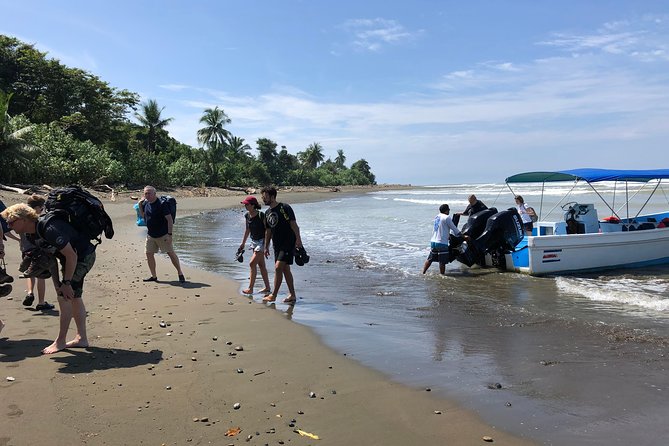
A day trip to Corcovado from Quepos is never short, and this one runs about 14 hours. You start early (the meeting time is 5:00 am), then travel onward with air-conditioned transport before you shift to the water route that gets you to the ranger station area.
Why this matters: Corcovado is remote. The longer route is part of the value. It helps you reach the park without feeling like you parked five minutes from the trailhead and hurried through. It also changes your mindset. You stop thinking about convenience and start thinking about presence—quiet observation, scanning for movement, and listening.
Keep one practical expectation front and center: if you’re sensitive to being on boats, plan carefully. Part of the experience uses land and sea logistics, so motion can be an issue for some people.
The upside is that the time in transit often makes the first wildlife sightings feel more dramatic. When you finally step onto the trail system, you’re already in “Corcovado mode.”
Two Sirena hikes: rainforest mud, beach walks, riverside sections, and more
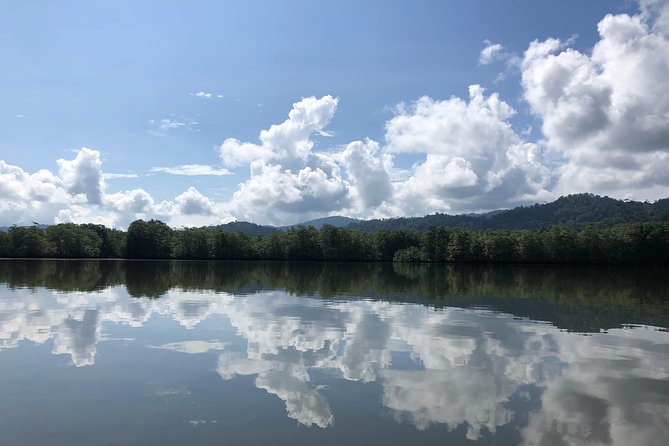
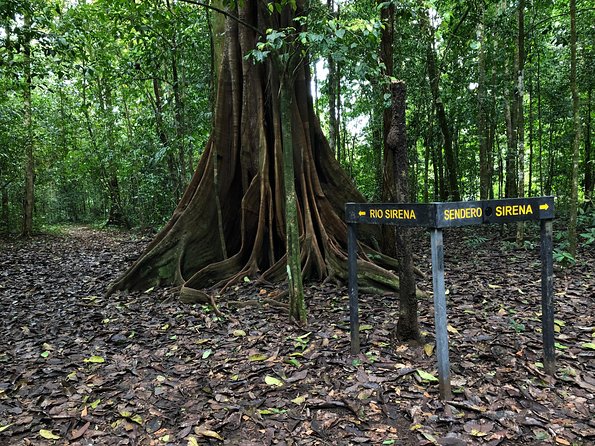
At Sirena Ranger Station, the day turns into the kind of hiking you only get in places that don’t feel curated for crowds. Your walk includes two separate hikes with changing terrain: wet and muddy rainforest trails, rocky and sandy beach areas, trails that run along riverside sections, and forest stretches with both old-growth primary and secondary character.
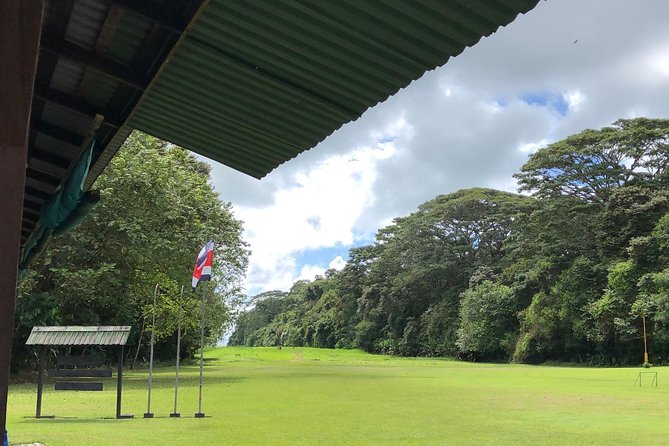
You’ll also pass an airstrip that’s no longer in use. That matters more than it sounds. Human-made features in the middle of wild terrain can change how light falls and how animals move. It can also give your guide extra reference points for navigating and for explaining what you’re seeing in the ecosystem.
Seasonal timing matters for trail conditions. The tour notes that the rainforest trails are wet and muddy from early May to late December. Even if you’re not in that exact window, treat this as a “get dirty” hike. If you don’t like wet shoes, slippery roots, and the smell of tropical rainforest after rain, this isn’t the day to test your limits.
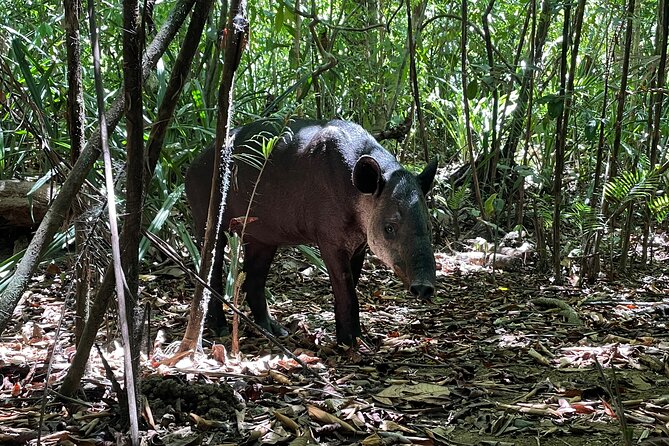
Puma sightings are never guaranteed, but the tour frames the possibility of seeing predators at this site. More realistic—and still thrilling—are the regular rainforest stars: coatis, anteaters, tapirs, and multiple monkey species.
Wildlife spotting with Swarovski scopes: how the photos-and-video perk helps
Corcovado wildlife can be frustrating in the best way. Animals aren’t always open-sighted for long, and dense forest can turn “maybe I saw something” into “I’m not sure.” This is where the included ATX-BTX Swarovski spotting scopes make a difference.
Instead of you spending the day playing camera roulette, the guide uses spotting and observation techniques to track and confirm activity. The payoff is that you get photos and videos captured during the tour. In at least one example from guide behavior, the guide also shares files quickly after sightings, which helps you enjoy the hike without constantly stopping to re-check every blurry screen.
Wildlife expectations are naturally probabilistic, but you have a solid chance at iconic species. The tour description specifically calls out the possibility of:
- 4 species of monkeys
- scarlet macaws and toucans
- wild peccaries
- and animals like tapirs and anteaters when conditions align
You’ll likely spend a lot of time scanning and pausing. When you do, the guide’s explanations help you understand what you’re seeing: how animals use river edges, how fruiting trees can shift activity, and why a patch of beach or a riverside trail can suddenly feel busy.
Also, the guides are certified naturalists and bilingual. People often assume that means you’ll hear facts. In practice, it means you’ll get information that changes your observation—so you don’t just walk; you start noticing patterns.
Guides on the ground: what you’re really paying for
You’re not paying just for transportation and entry. You’re paying for the people who can work the landscape and translate it into something you can actually track.
This tour includes two certified naturalist guides. Their job is part storytelling and part skilled field work: helping you identify wildlife, guiding your route decisions, and using their spotting skills so you can see more than you would on your own.
In the examples shared from past days, guides like Manuel and Carlos are described as attentive and detail-oriented—good signs when you’re hiking nonstop in humidity and variable weather. It also helps that the guides mix technical knowledge with a sense of humor. That matters because the day is long, and you’ll be walking wet terrain where patience is not optional.
The small group size (max 10) also supports a better feel. You’re less likely to lose the guide in the crowd, and the pace is easier to manage when trail conditions get tricky.
Food, water, and the no-single-use-plastics rule
Food is included twice, and that’s a big deal on a 14-hour day. You get breakfast in Sierpe—rice and beans, eggs, toast, fruit, plus coffee and juice. Then you get lunch at Sirena Station: rice and beans, vegetables, fruit, salad, and protein options like fish, chicken, meat, or vegetarian choices upon request.
You also need to plan for the park’s strict limits:
- Single-use plastics are prohibited, including disposable water bottles.
- No food is allowed into the park.
- If you have a medical diet need (like children or diabetics), you can bring prepared items such as peeled fruit or a sandwich in a reusable container.
So you’ll want a reusable water bottle that you can refill. The tour explicitly says you should bring it, and it also prohibits bottled water and single-use plastics like plastic bags and straws. This isn’t just environmental theater. It keeps the experience smoother when everyone is using the same system.
Practical tip: keep your day bag organized. With wet conditions, anything loose becomes a soggy mess fast.
Price and value: why $395 can make sense for a remote day
At $395 per person, this isn’t a cheap outing. But in a place like the Osa Peninsula, the cost isn’t only about entry fees. You’re paying for remote access and an all-day logistics chain:
- roundtrip air-conditioned transportation from Manuel Antonio or Quepos
- park entry/admission included
- breakfast and lunch
- two naturalist guides
- and the Swarovski scope photo/video capture perk
What makes the price easier to stomach is that so much is included. Many DIY days fail on one point: either you spend too much time figuring out transport, or you end up underpowered on wildlife spotting, or you get stuck hungry and cranky after hours of hiking.
Here, the schedule is built to minimize those friction points. You start early with a real meal, you have guides trained for this terrain, and you have the scope support that improves your odds of meaningful sightings—and gives you memories you don’t have to scramble to capture yourself.
What to pack for Sirena: wet boots, bug spray, and sun protection
The tour strongly suggests you come prepared for humidity, heat swings, and changing weather. It also reminds you to bring sunscreen and insect repellent.
If you hate damp gear, plan ahead. Expect muddy sections and sandy/rocky terrain. Even if you don’t bring brand-new hiking shoes, you should wear footwear that can handle wet, slick paths.
One detail from examples of how guides handle trail conditions: waterproof boots or wellies have been used to get people through deeper muddy parts. You shouldn’t count on that as guaranteed, but you should expect the guides will help you deal with mud safely.
Pack like this:
- reusable water bottle (non-negotiable here)
- rain-ready outer layer if you own one
- sunscreen and insect repellent
- footwear that won’t quit when wet
And keep your behavior park-friendly: don’t touch or feed wildlife, stay on trails, and avoid collecting shells, sand, or rocks.
Who should book this (and who should skip it)
This is for you if you:
- like active hikes and can handle nonstop walking in humidity
- want wildlife chances in a remote, less crowd-focused experience
- enjoy nature explanations and want real guide support
- appreciate that you’ll get guide-shot photos and videos
It may not be for you if you:
- struggle with early starts and long travel days
- are very sensitive to being on the water route (land-and-sea transfer)
- want a relaxed, minimal-walking day
- are traveling with kids under 7 (not recommended)
The best mindset is adventure + patience. Corcovado rewards the slow scan: the watch for movement, the quiet pauses, and the willingness to hike through mud without complaining.
Should you book the Sirena Station day trip from Quepos?
If you’re choosing between a simple nature outing and a tougher, higher-effort day, this one leans toward effort—and that’s the point. The combination of early travel, guided rainforest-and-beach hiking, and included scope-based photo/video capture gives you a strong chance to see real wildlife up close, not just talk about what you might have seen.
Book it if you’re fit, curious, and okay with a muddy start. Skip it if you’re chasing comfort, short hours, or zero unpredictability. Sirena is a full-day commitment, but for the right kind of traveler, it’s the kind of day that sticks.
FAQ
Where does this tour pick me up?
The tour offers roundtrip air-conditioned transportation from your selected accommodation in Manuel Antonio or Quepos.
What time does the day start?
The listed start time is 5:00 am.
How long is the experience?
It runs for about 14 hours (approx.).
Is breakfast included?
Yes. Breakfast is included at the Sierpe stop before you head toward the park.
Is lunch included too?
Yes. You’ll have lunch at Sirena Station, and vegetarian options are available upon request.
Do I need to bring a reusable water bottle?
Yes. Single-use water bottles are prohibited, and you’re told to bring your own reusable water bottle for the hike.
Do I need to send passport details?
Yes. You must send your full names, passport numbers, and nationalities so the park entry ticket can be issued.
Are kids allowed?
The tour states it is not recommended for kids under 7 years old.
What food rules apply inside Corcovado?
No food of any kind is allowed into the park. If you have a medical diet need (such as children or diabetics), you can bring items like peeled fruit or a sandwich in a reusable container.
Are drones allowed?
No. Drones are not permitted in the national park.