REVIEW · SICILY
Sea Villa Cefalù: Hands-on 4-Course Pasta Cooking Class & Wine
Book on Viator →Operated by Sicilian Food Lovers - One Day Cooking Class · Bookable on Viator
Sicily tastes better when you make it yourself. This class at Villa Palamara (a 15th-century former Benedictine monastery turned seaside villa) pairs sea views with real cooking time, guided closely by Chef Antonio. I especially like that you learn two poster recipes—Pasta alla Norma and Sicilian braciole—while also finishing a full 4-course meal you can actually reproduce.
Two other things I love: the format is practical and step-by-step, and the setting makes the whole afternoon feel like a mini escape rather than a demo. The main thing to consider is that this is an English-language class with a maximum of 12 people, so if you’re traveling with specific dietary needs, you’ll want to request them in advance.
In This Review
- Key Highlights You’ll Care About
- Sicilian Comfort Food, Made by Hand at Villa Palamara
- How the 5-Hour Class Flows: From Welcome to 4 Courses
- Pasta alla Norma: Fresh Dough, Tomato, and Fried Eggplant
- Braciole Pork Rolls: How Sicilian Meat Rolls Actually Work
- Stuffed Zucchini, Orange-and-Fennel Salad, and Bianco Mangiare
- Wine, Water, and the Sommelier-Led Side of the Meal
- Small Group Size Means Better Teaching (and Less Waiting)
- What You’ll Actually Learn (Beyond the Recipe List)
- Price and Value: Is $144.82 Worth It?
- Where It Fits Best in Your Sicily Plans
- Should You Book Sea Villa Cefalù?
- FAQ
- Where does the class take place?
- What time does it start and how long does it last?
- What language is the class taught in?
- How many people are in the class?
- What’s included in the price?
- Is alcohol included?
- Are dietary needs accommodated?
- Is it refundable if plans change?
Key Highlights You’ll Care About
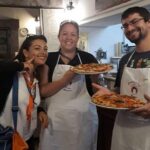
- Seaside setting at Villa Palamara: a historic monastery villa overlooking the Mediterranean near Cefalù
- Hands-on teaching, not a show: fresh pasta and braciole made from scratch
- A wine-and-food pairing moment with a chef-led flow plus a sommelier-style component
- 4 courses from 7 preparations: you’re doing multiple steps, not just one station
- Dietary adjustments available (vegetarian, vegan, gluten-free, lactose-free) with prior notice
- Small group feel: max 12, which keeps the instruction personal
Sicilian Comfort Food, Made by Hand at Villa Palamara
This is a cooking class where the location isn’t just background. You’ll be cooking at Villa Palamara, a 15th-century former Benedictine monastery on the coast outside Cefalù. The villa’s terraces, greenery, and citrus trees (olive, orange, and lemon) set a calm, outdoor rhythm—so the meal feels connected to the place that inspired it.
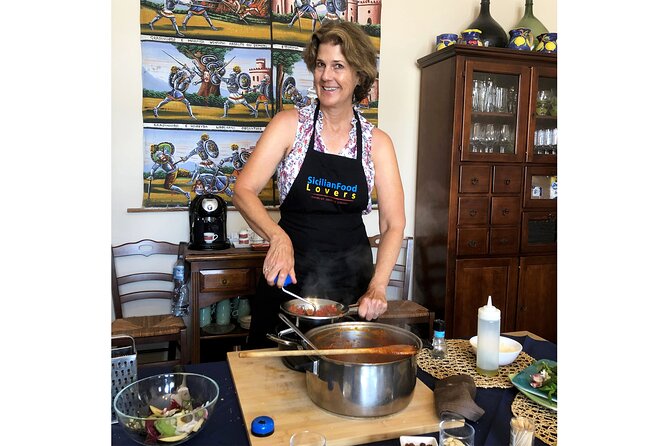
The format matters. Instead of watching someone else work, I like that the class builds your skills through manual preparation of a full meal. You’ll be guided step-by-step by the chef, with a sommelier involved for the drinks side, so you get both technique and pairing context.
One more practical win: the class is small (up to 12). In a hands-on kitchen, smaller groups mean less waiting and more chances to ask why you’re doing something a certain way—especially for dough, frying, and rolling meat.
You can also read our reviews of more tours and experiences in Sicily.


How the 5-Hour Class Flows: From Welcome to 4 Courses
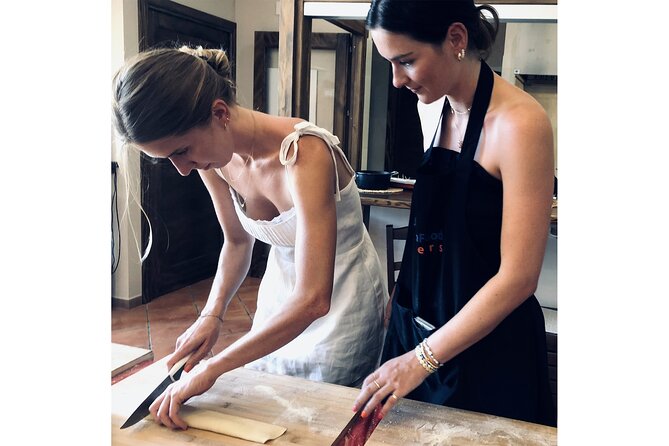
The experience runs about 5 hours, starting at 11:30 am and ending back where you begin. It’s designed to feel like an afternoon “working lunch,” with breaks built around cooking steps and plating.
A typical flow looks like this:
First, you’re welcomed at Villa Palamara. From the way the hosts describe the start, expect a friendly greeting with something refreshing to sip (lemon water) plus sparkling wine, along with simple bites to settle in. You may also get a short orientation of the property, which is worth paying attention to—once you’re cooking in a seaside monastery villa, you’ll notice details you’d otherwise miss.
Then comes the main structure: a hands-on class that includes seven different preparations leading into a 4-course menu. That’s a nice balance. You get enough variety to feel you’re learning a wide slice of Sicilian cooking, but the dishes are cohesive—vegetables, pasta, meat rolls, a bright salad, and a light dessert.
You’ll finish by eating what you made. The “chef taught it, you cooked it, now you eat it” loop is exactly what makes this kind of class stick in your memory when you’re back home.
Pasta alla Norma: Fresh Dough, Tomato, and Fried Eggplant
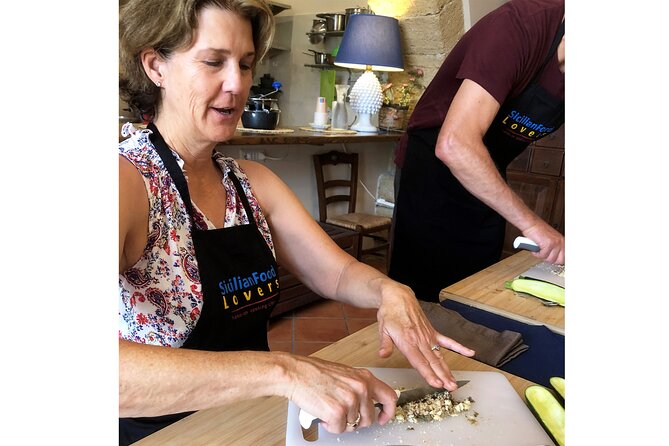
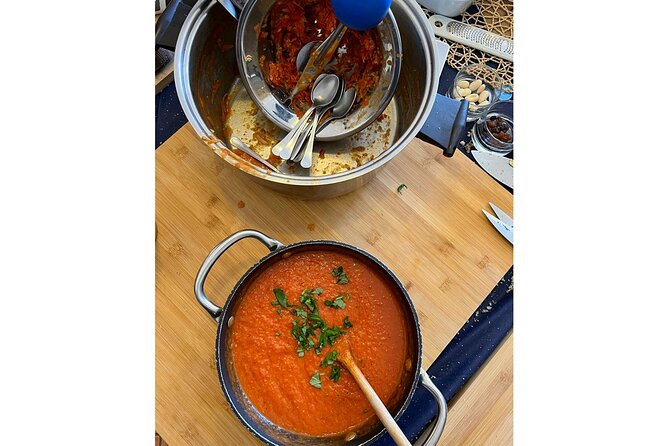
If you only care about one dish, this is still a strong reason to book. Pasta alla Norma isn’t just on the menu—it’s a centerpiece, and you build it with fresh pasta and a fresh tomato sauce, plus fried eggplant.
Here’s why this course is valuable for your kitchen life after Sicily:
- Fresh pasta teaches timing and texture. Even if you don’t make it every week, you’ll understand how dough should feel and behave.
- The tomato sauce matters. A fresh approach changes everything about balance and sweetness compared with shortcuts.
- The fried eggplant adds contrast and structure. You’re not just seasoning; you’re learning how to prepare an ingredient so it holds its role in the dish.
You also get a very “Sicily” ingredient logic. The class pairs vegetables with technique that gives them personality—frying where you want depth, and using bright components where you want lift.
And yes, you’ll eat it. That’s the point. You’re tasting a dish built by your hands, not just learning theory.
Braciole Pork Rolls: How Sicilian Meat Rolls Actually Work
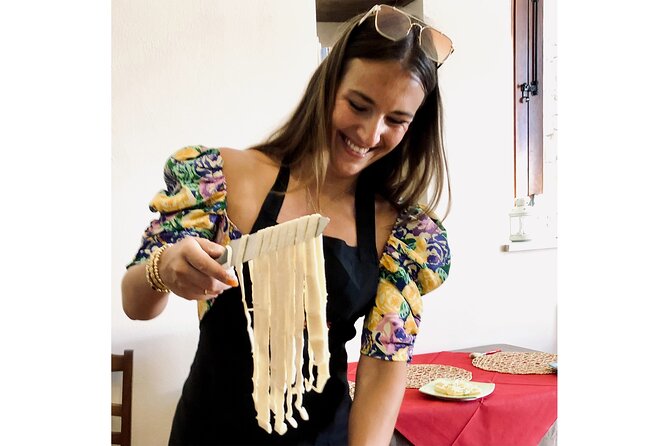
The meat course is Sicilian braciole, described as pork rolls, and you’re making it as part of the class menu. Braciole is one of those dishes that looks simple until you’re the one rolling and shaping it. This class is good for that kind of skill because you’re guided step-by-step, and the chef is there to correct technique as you go.
Even if you’re not a confident cook, this is a recipe type that rewards patience. Rolling meat forces you to think about:
- how filling stays inside,
- how tight (or not) you roll,
- and how to get even cooking without drying out the pork.
If you like learning by doing, you’ll probably find this section more satisfying than a class that focuses on sauces only. The payoff is real at the table too. When your braciole lands as a satisfying main, you’ll understand why Sicilian kitchens treat “rolls” as a serious Sunday-style skill.
Stuffed Zucchini, Orange-and-Fennel Salad, and Bianco Mangiare
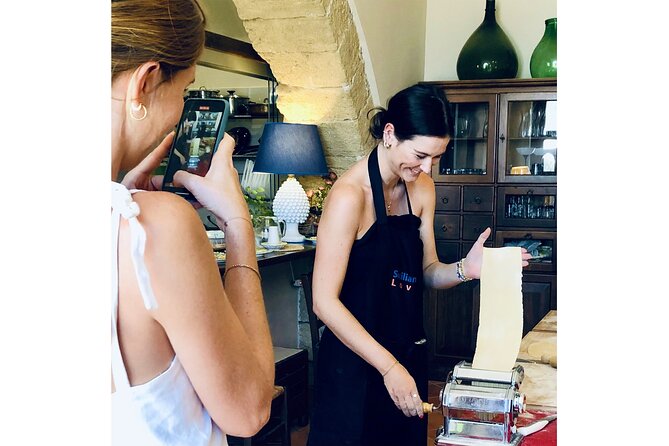
The menu rounds out with a vegetable starter, a bright side, and a light Sicilian dessert.
You’ll work on Stuffed Zucchini as the starter. Stuffed vegetables are a great entry point because you practice assembly and seasoning without needing the exact precision of pastry work. This also helps the meal feel balanced—so the pasta and meat don’t become the only stars.
Then there’s the orange and fennel salad, a traditional side that brings acidity and crunch to the table. This matters because Sicily’s food identity often lives in contrast: something hearty alongside something fresh and sharp. Learning that contrast is useful for your future cooking, even if you never make braciole again.
For dessert, you’ll make Bianco Mangiare—a typical Sicilian lemon cream served with fruit. The key here is that it’s described as simple, light, and fresh. After a meal that includes pasta and meat, a lighter dessert keeps the whole experience from feeling heavy.
Also, the class notes dietary support: vegetarian, vegan, gluten-free, and lactose-free options are available if you give prior notice. That’s a big deal for a pasta-and-dessert menu where ingredient substitutions can otherwise be frustrating.





Wine, Water, and the Sommelier-Led Side of the Meal
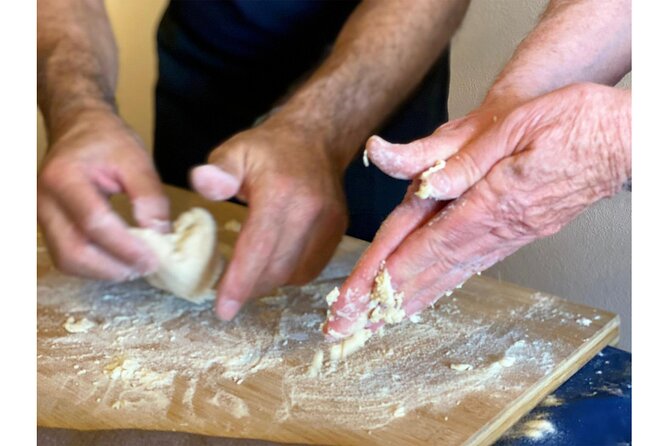
This experience includes alcoholic beverages for adults: Sicilian sparkling wine and Sicilian wine (white or red), plus water and fruit juices. Coffee and/or tea are included too, along with bottled water.
I like that the drinks aren’t random add-ons. The class includes a sommelier component, which means you’re more likely to understand what you’re sipping and why it fits the dishes you’re cooking. When food and drink are coordinated, the meal feels like a full Sicilian moment rather than a snack-and-lesson combo.
One practical note: alcohol is included, but you’re also cooking. Plan to pace yourself. If you prefer non-alcoholic, you still have fruit juices and water in the mix, and you can keep it light while you work.
Small Group Size Means Better Teaching (and Less Waiting)
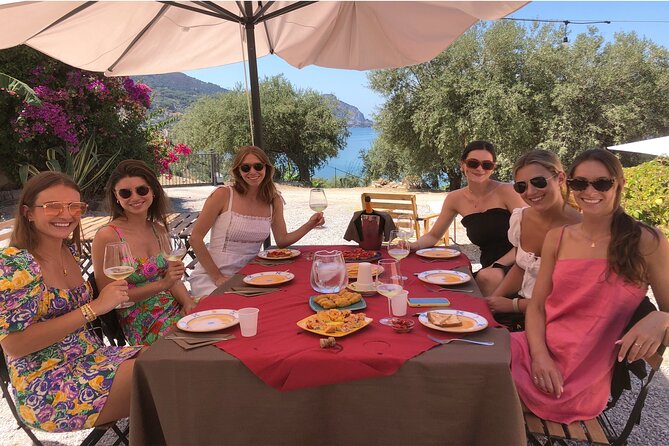
This is capped at 12 travelers, which is exactly the size I prefer for hands-on cooking. When the group is too big, you spend time waiting your turn. Here, the structure is set up so you can keep moving through steps—especially since you’re handling multiple preparations across the menu.
The cooking setup also sounds intentionally designed for this. From the way the hosts run the class, the prep table is arranged so ingredients and tools are easy to access, and instructions are clear enough to let beginners follow along. Chef Antonio’s teaching style is described as engaging and patient, with explanations that include why each step matters—not just what to do.
If you’re new to Italian cooking, that “why” is huge. It’s what helps you rebuild the recipe later instead of only copying the steps.
What You’ll Actually Learn (Beyond the Recipe List)
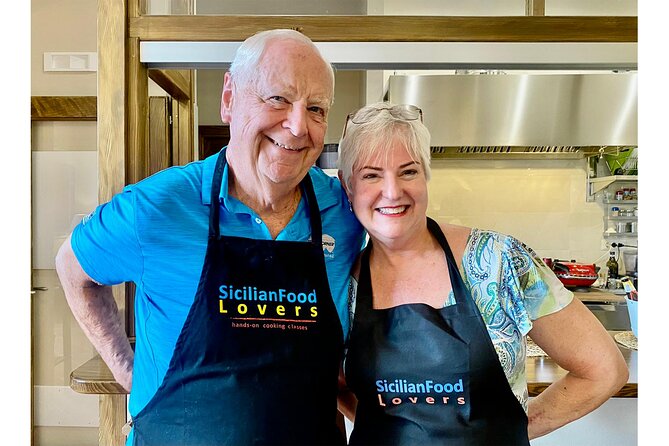
A lot of cooking classes give you a list of ingredients. This one pushes toward technique. Because you’re making fresh pasta and frying eggplant, plus assembling meat rolls and putting together a lemon-based dessert, you pick up transferable skills.
Here are the skills that tend to stick for most people:
- Fresh pasta basics: texture cues and timing
- Sauce building with fresh tomato
- Frying an ingredient so it stays flavorful and functional
- Rolling and filling logic for braciole
- Balancing bright citrus flavors with a creamy dessert
You also get practical ingredient education. The class highlights fresh ingredients for authentic flavors, and that theme matters. If you’ve ever cooked at home with older produce or pantry sauce, you’ll feel the difference immediately when you compare results.
Price and Value: Is $144.82 Worth It?
At $144.82 per person for about 5 hours, this price can look steep at first glance. But when you break it down, the value makes sense for what you’re getting:
- A hands-on cooking lesson with a complete 4-course meal
- Equipment included
- Drinks included: Sicilian sparkling wine, Sicilian wine, fruit juices, water
- Coffee/tea included
- You’re working through multiple preparations (7 total)
For many travelers, the big hidden value is the meal itself. You’re not just paying for instruction—you’re paying to eat what you cook in a beautiful setting with guided wine context. If you usually spend a lot on meals in Sicily, this class can feel like one “splurge” that pays you back in both learning and eating.
Two booking thoughts to keep it sensible:
- Start time is 11:30 am, so plan your morning accordingly around Cefalù.
- Dietary options exist, but they require prior notice, so don’t wait until the last second.
Where It Fits Best in Your Sicily Plans
This class works especially well if you want something from Sicily that isn’t only sightseeing. It’s a good match for food-focused days, or for anyone who prefers an organized, guided experience where you don’t have to think about what to do next.
It’s also a great reset day. The pacing is relaxed and informal, and the kitchen work gives you a satisfying rhythm. If your itinerary includes multiple towns or lots of walking, this kind of structured break can be a relief.
Who it suits most:
- Beginners who want step-by-step guidance
- Food lovers who care about traditional Sicilian dishes
- Couples and small groups who like learning together
- People who enjoy drinking wine with meals and want pairing context
Who might think twice:
- If you strongly prefer purely vegetarian meals but haven’t planned for ingredient substitutions ahead of time
- If you dislike hands-on cooking. This class is built around doing, not watching.
- If you can’t do an 11:30 start, because the class is time-specific.
Should You Book Sea Villa Cefalù?
I’d book it if you want a real Sicilian cooking skill set, served with wine and set in a place you’ll remember even after dinner. The combination of hands-on pasta and braciole, the sea-view setting at Villa Palamara, and a guided, small-group format makes it feel like good use of time in Cefalù.
Before you click confirm, do two quick checks:
1) Can you share your dietary needs early if you need vegetarian, vegan, gluten-free, or lactose-free options?
2) Are you comfortable with a class that includes wine and runs about 5 hours starting at 11:30 am?
If those align, this is one of the clearest ways to experience Sicily through food—while learning techniques you can actually repeat at home.
FAQ
Where does the class take place?
The cooking class meets at Villa Palamara, 1868 Contrada Plaia degli Uccelli, near Cefalù, Sicily, Italy.
What time does it start and how long does it last?
It starts at 11:30 am and lasts about 5 hours.
What language is the class taught in?
The experience is offered in English.
How many people are in the class?
The class has a maximum of 12 travelers.
What’s included in the price?
Included are all necessary equipment, alcoholic beverages (Sicilian sparkling wine and Sicilian wine white or red), water, fruit juices, and coffee and/or tea, plus bottled water.
Is alcohol included?
Yes, alcoholic beverages are included for those 18 years old and above.
Are dietary needs accommodated?
Yes. Vegetarian, vegan, gluten-free, and lactose-free options are available with prior notice.
Is it refundable if plans change?
No. This experience is non-refundable and cannot be changed for any reason.