REVIEW · NANTUCKET
Private Nantucket Beach Fishing Activity with a Guide
Book on Viator →Operated by Steve Tuna's Beach Fishing Adventures · Bookable on Viator
First light on Nantucket can mean real action. This private beach fishing outing with guide Steve Tuna shows you coastline spots most people never reach, from Great Point Light to Cisco Beach. It’s built for surf fishing right away, with help for newer anglers and a plan that keeps things fun and flexible.
I especially love that the gear is included, so you’re not stuck hunting for rental tackle or figuring out what to bring. I also like the local perspective—Steve talks island spots and fishing ways while you move along the shore at an early, productive pace.
One consideration: this is a morning-focused trip with a moderate fitness expectation, since you’ll likely walk some uneven beach ground and handle surf conditions.
In This Review
- Key highlights you should care about
- Morning Nantucket Surf Fishing With Steve Tuna: What It’s Really Like
- Meet-Up Timing and How the 4-Hour Plan Works in Practice
- Private Group Size: Why Up to Four People Changes Everything
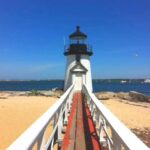
- Great Point Light: Starting With a Coastline That Sets the Mood
- Nobadeer: A Different Shoreline Texture for Smarter Fishing
- Cisco Beach: Working the Surf and Learning to Read Water
- Fishing Gear Included: Less Planning, More Casting
- What You Can Target: Bluefish, Striped Bass, False Albacore, Bonito
- “Local’s Perspective” Means More Than Stories
- Practical Tips for a Smooth Early-Morning Trip
- Price and Value: How This Private Format Makes Sense
- Who Should Book This Fishing Adventure?
- Should You Book Steve Tuna’s Nantucket Beach Fishing Trip?
- FAQ
- How long is the Nantucket beach fishing activity?
- Where does the tour start and end?
- Is pickup available?
- Is this activity private?
- How many people can join the private activity?
- What fishing gear is provided?
- Will the guide teach fishing techniques?
- What fish species might you catch?
- What are the key fishing spots on the route?
- What’s the cancellation policy and what if weather is bad?
Key highlights you should care about
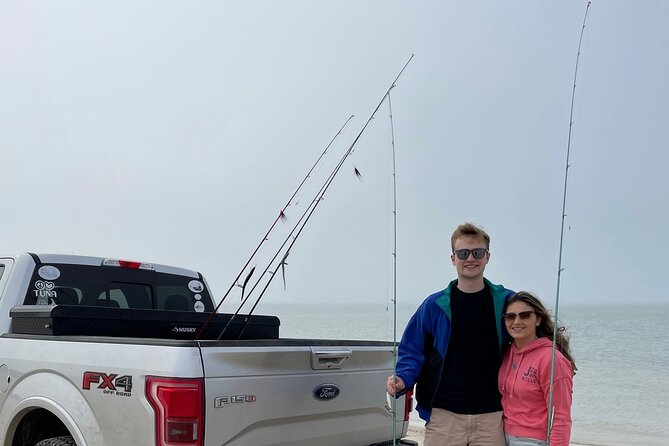
- Private group up to four people, so you get real time with the guide instead of watching from the sidelines
- Gear is included, making it easy to cast without extra shopping or guesswork
- Great Point Light, Nobadeer, and Cisco Beach as key coastline stops for changing shoreline vibes
- Beginner-friendly instruction on techniques you can use immediately in the surf
- Target species include bluefish, striped bass, false albacore, and bonito, depending on conditions
Morning Nantucket Surf Fishing With Steve Tuna: What It’s Really Like
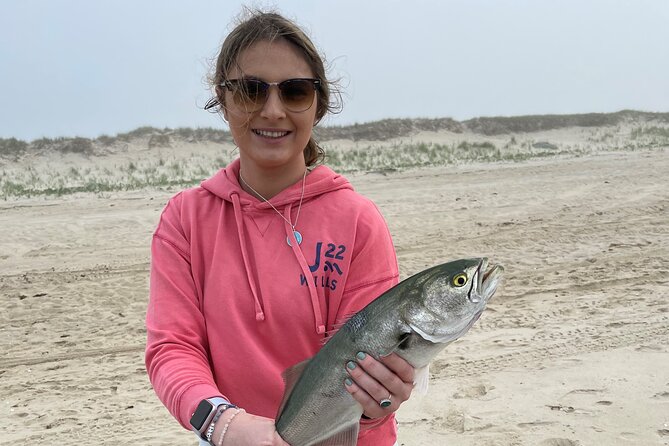
Nantucket has a way of shrinking the world to a shoreline and a horizon. This outing leans into that. You start early, move between classic coastal areas, and fish the surf while a local guide points you to spots and helps you make sense of what’s happening in front of you.
You get the best kind of “local” here: not just storytelling, but practical fishing guidance paired with real beach access. The trip is private, so Steve Tuna can slow down when you need help and speed up when you’re ready to cast more. If you’re fishing with kids or you’re new to the sport, that one-on-one attention matters fast.
And yes, Nantucket can look postcard-pretty from the road. This is different. You’ll be on the beaches, working the waterline, and learning how shoreline shape and timing affect what you might catch.
You can also read our reviews of more tours and experiences in Nantucket.


Meet-Up Timing and How the 4-Hour Plan Works in Practice
This is an approximately 4-hour private activity, with a start window that runs morning to late afternoon during the listed operating period. You’ll meet at the Coskata-Coatue Wildlife Refuge Gatehouse at 107 Wauwinet Rd, Nantucket, MA 02554. Pickup can be arranged from specific locations (hotels listed in the booking flow), so you can avoid a car hunt if you’re staying nearby.
The trip ends back at the meeting point, which keeps logistics simple. Since it’s private, you don’t have to worry about “making the schedule” with strangers. You can fish hard early if that’s your style, or go at a calmer pace while still getting meaningful water time.
One more practical note: the trip is weather-dependent. If conditions are poor, you’ll be offered a different date or a full refund. Plan like a beach person—flex your expectations a bit, but trust that the operator won’t send you into totally miserable conditions.
Private Group Size: Why Up to Four People Changes Everything
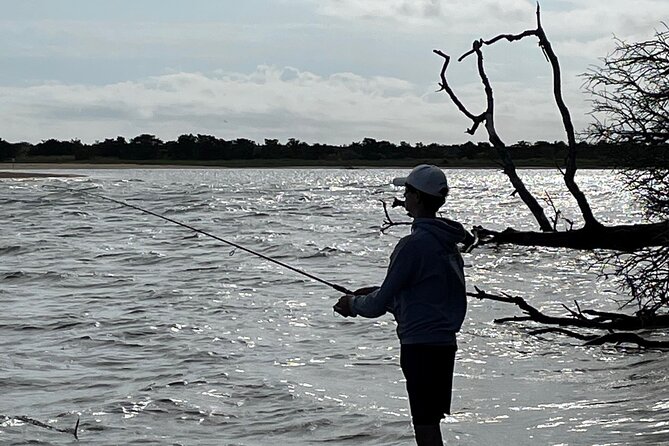
Small group fishing is a big deal. With up to four people, Steve can watch what you’re doing—casting angle, bait placement, line management—and adjust in real time. That’s how beginners stop feeling lost.
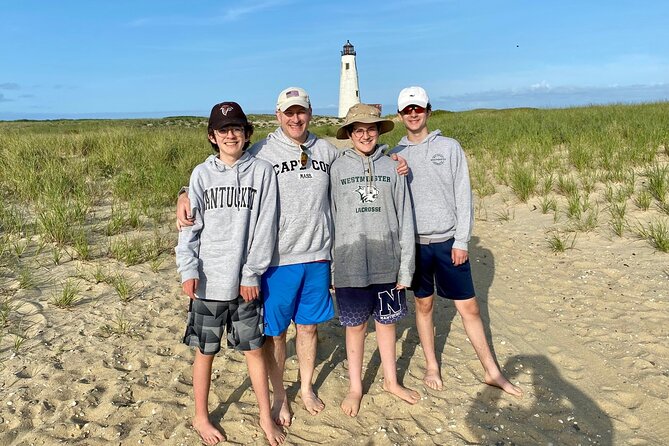
It also helps with family trips. A 14-year-old who’s actually into fishing isn’t just tagging along. They can fish with the same attention as the adults. Everyone gets a chance to learn, cast, and ask questions without the guide having to run from person to person.
If you’re traveling with friends, this setup is also nice because you won’t waste time waiting. You can take turns casting while the guide helps the next person—then move on.
Great Point Light: Starting With a Coastline That Sets the Mood
You’ll begin at Great Point Light, a spot that immediately shifts your day from town vibes to open-coast energy. Starting here makes sense: you’re establishing orientation early. You’ll learn how this coast behaves—wind, water movement, and where fish tend to feed relative to the shoreline.
This stop is also a mental warm-up. Even if you’ve never surf-fished before, seeing the shoreline first helps you understand what you’ll be doing later at other beaches. It’s easier to follow technique when you can connect it to the exact place you’re standing.
What can be tricky is that open-coast fishing can be windy and cool, especially at early hours. Bring layers and expect to adjust on the fly. If you dress like you’re going to the beach in summer but the morning turns breezy, you’ll feel it.
Nobadeer: A Different Shoreline Texture for Smarter Fishing
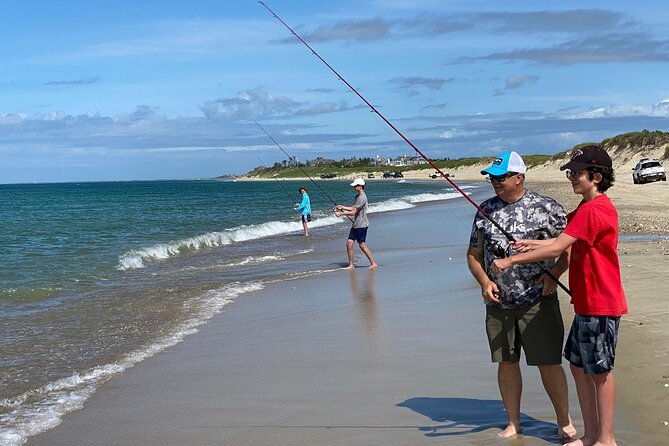
Next up is Nobadeer, which gives your day variety beyond a single beach type. Surf fishing isn’t one-size-fits-all. Changes in shoreline shape and how the water moves can affect where bait gathers—and where predators cruise in.
Nobadeer is the kind of stop that helps you understand fishing as a system. When Steve Tuna points out what to watch for, you start to connect signals like current direction and shoreline edges to where you should cast.
This is also where beginner instruction really pays off. When you’re learning, it’s not enough to know what “kind” of fish you’re after. You need to know how to fish the water you’re actually in. A guide can correct small things that make a big difference, like how you time your cast or how you keep your bait in the strike zone long enough.

Cisco Beach: Working the Surf and Learning to Read Water
Cisco Beach is the kind of stop that makes surf fishing feel real. This is where you’ll likely spend a good chunk of your actual fishing time, casting and re-casting while you watch how conditions change.
One of the best parts of this outing is that it doesn’t treat fishing as a magic moment. It treats it as work—and gives you tools to do the work well. You learn techniques that help you cast effectively, manage your line, and stay patient when bites don’t happen instantly.
Cisco Beach also gives you a chance to experience Nantucket from the waterline perspective. The rhythm of the surf changes your pace. It’s not a museum tour; it’s active outdoors time. If you’re the type who likes doing something rather than just looking, this stop will land well.
Fishing Gear Included: Less Planning, More Casting
Here’s the practical win: fishing gear is included. That means you’re not arriving with half the equipment and missing the one thing that makes the trip work. It’s also easier for families—one fewer shopping list before your day on Nantucket.
You’ll also have a guide who can teach techniques to beginning anglers. That’s key. Surf fishing can be intimidating because there are multiple moving parts: casting distance, line handling, bait placement, and reading how the shoreline influences where fish might come close.
Even if you’ve fished before, having a local hand on technique can help you adjust to Nantucket’s style and conditions. You get a faster ramp-up than you would figure out on your own.
What You Can Target: Bluefish, Striped Bass, False Albacore, Bonito
This trip focuses on species like bluefish, striped bass, false albacore, and bonito. The specific mix depends on timing and conditions, but the point is you’re not fishing blindly for an unspecified outcome. Steve Tuna is scouting and guiding based on what’s active.
From a value standpoint, targeting multiple species is smart. It keeps the trip interesting if one fish type is slow. It also means you’re learning techniques for more than one situation, which is useful if you plan to fish again later.
Do keep expectations flexible. The ocean doesn’t promise a specific catch on a specific schedule. The win here is the experience: being on the right coast with a guide who knows how to fish it.
“Local’s Perspective” Means More Than Stories
I like fishing guides who do more than talk. This one does both: island stories and real fishing direction. Steve’s approach includes insight about beaches and fishing spots—and you’ll also pick up how to move through the coastline so you’re working the right areas.
You may also notice a unique element in how you reach spots. Some feedback points to beach driving as part of the experience, which can speed up your access compared with only using roads. It’s another reminder that this day is designed around getting to the best fishing areas, not just walking from one viewpoint to another.
The end result is that you feel oriented. After a few hours, you don’t just think you fished—you understand why those spots were chosen and how the day’s conditions shaped the plan.
Practical Tips for a Smooth Early-Morning Trip
To make the most of the experience, plan like this is an outdoors day, not a casual stroll.
- Dress in layers. Early mornings can be cool, and surf wind changes fast.
- Wear shoes you don’t mind getting sandy. Beach ground can be uneven.
- Bring basic sun protection anyway. Bright light on water reflects hard.
- If you’re new, ask questions early. You’ll waste less time learning the first steps.
Also, note the moderate fitness note. This doesn’t mean you need athletic training, but it does mean you should be comfortable walking on uneven terrain and standing while casting.
Price and Value: How This Private Format Makes Sense
There’s no specific price listed here, but you can still judge value. The big factors are:
- Private guide time for up to four people
- Included gear, so you avoid rental or last-minute purchases
- A guide who can teach beginners and adjust to your group’s comfort level
If you’re splitting the cost among a small group, private time often comes out worth it because you’re not waiting for instructions while others fish. You’re not stuck with a one-size-fits-all tutorial. You get coaching when it matters—right before you cast.
If you’re traveling solo, private can still be a great choice if fishing is a top priority. You’ll get full focus from the guide, which is harder to get on shared-group trips. Just be honest with yourself about how much you enjoy hands-on outdoor time.
Who Should Book This Fishing Adventure?
This is a strong fit if you want a practical, hands-on Nantucket morning. It suits:
- Families with kids who are curious about fishing (and want active time outdoors)
- Beginner anglers who want guidance, not just equipment
- Small groups who prefer private attention and flexibility over waiting around
- Anyone who wants a local-style beach day that goes beyond town sightseeing
If you’re looking for a quiet, purely scenic walk with no emphasis on fishing technique, you might feel like the day is too active. But if you enjoy being outside, learning a skill, and working the surf, it’s a great match.
Should You Book Steve Tuna’s Nantucket Beach Fishing Trip?
Yes, if fishing is your kind of fun and you’re okay with early hours. The combination that makes this worth your time is simple: you get local guidance, you’re fishing with gear included, and the day is structured around actual coastal spots rather than generic “meet here, look around, and leave” sightseeing.
I’d book it when you:
- want a private experience for up to four
- want coaching for beginners
- like the idea of targeting species like striped bass and bluefish from the surf
I’d think twice if you:
- hate cold mornings or windy beaches
- want zero physical walking on uneven sand
- need a strictly guaranteed catch (the ocean won’t promise that)
FAQ
How long is the Nantucket beach fishing activity?
It’s approximately 4 hours.
Where does the tour start and end?
It starts at the Coskata-Coatue Wildlife Refuge Gatehouse, 107 Wauwinet Rd, Nantucket, MA 02554, and ends back at the same meeting point.
Is pickup available?
Pickup can be arranged from specific locations, such as hotels listed during booking.
Is this activity private?
Yes. It’s private, and only your group participates.
How many people can join the private activity?
The private activity can accommodate up to four people.
What fishing gear is provided?
Fishing gear is included, so you can head to the beach and cast without bringing your own equipment.
Will the guide teach fishing techniques?
Yes. The guide can teach fishing techniques, including for beginning anglers.
What fish species might you catch?
The trip focuses on bluefish, striped bass, false albacore, and bonito.
What are the key fishing spots on the route?
The stops include Great Point Light, Nobadeer, and Cisco Beach.
What’s the cancellation policy and what if weather is bad?
You can cancel for a full refund up to 24 hours in advance. The activity requires good weather, and if it’s canceled due to poor weather, you’ll be offered a different date or a full refund.