REVIEW · NANTUCKET
Nantucket: Downtown Walking Tour
Book on GetYourGuide →Operated by Discover Nantucket Tours & Nantucket Bike Tours · Bookable on GetYourGuide
Nantucket feels like history you can walk into. This guided stroll through the Nantucket Downtown Historic District turns big, complicated eras—Wampanoag roots, early European settlement, and the whaling boom—into a clear story you can follow block by block. I love the way the guide (often Hugh) connects culture and architecture, and I love the slow, comfortable pace that leaves time to ask questions. One catch: it’s a walking tour, and the tour notes say it’s not a good fit for wheelchair users or people with mobility impairments.
You’ll meet in downtown Nantucket and spend about two hours (often up to 2.5) learning how the island was formed, how it changed, and how it rebuilt itself after the whaling era faded. Along the way, you’ll look at homes and buildings and hear why they matter—not just how they look.
If you want more than a list of sights, this tour is for you. The guide’s style is equal parts professional and witty, so the island’s ups and downs feel personal instead of textbook-y.
In This Review
- Key things you’ll notice on this Nantucket walking tour
- Nantucket Downtown Historic District: why 2 hours is the sweet spot
- From island formation to Wampanoag presence: the opening chapters you’ll remember
- Early European settlement: where the story starts to get complicated
- The whaling boom explained through downtown buildings
- Decline and rebirth after the whaling era: the island reinventing itself
- Architecture and notable island residents: seeing people behind the structures
- A different interpretation of American history, walking street by street
- Price and value: does $120 pencil out for a 2-hour walk?
- What to bring (and the small choices that make the tour better)
- Who should book, and who might want a different plan?
- Should you book this Nantucket Downtown Walking Tour?
- FAQ
- How long is the Nantucket Downtown Walking Tour?
- Where do we meet for the tour?
- Is pickup included?
- What language is the guide?
- What’s included in the tour price?
- Is food or drinks included?
- How much does it cost?
- Is the tour wheelchair accessible?
- Can I book with free cancellation?
- Is there a private group option?
Key things you’ll notice on this Nantucket walking tour
- Hugh’s storytelling ties people to places, so buildings make sense in context
- Wampanoag history is treated as foundational, not a side note
- Whaling-era growth and later decline are explained with clear cause-and-effect
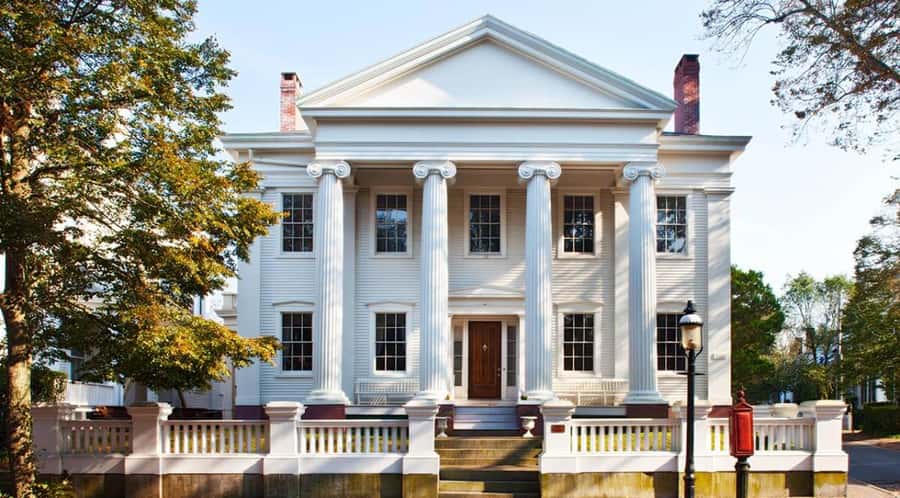
- Architecture becomes a timeline, as you connect homes to the island’s changing economy
- The rebirth after the 1880s is framed as a real shift in identity and purpose
Nantucket Downtown Historic District: why 2 hours is the sweet spot
This is a guided walking tour, built for people who want orientation fast. You’re not trying to “cover everything”; instead, you get a focused tour of downtown with enough time to stop, look, and ask questions. If your Nantucket plan includes beaches or bikes later, this is a smart warm-up.
You’ll start in downtown Nantucket, with pickup provided from downtown hotels or accommodations. That matters because it reduces the stress of finding the group—especially on a first day in town.
The pace is part of the value. Some tours feel like a sprint in good shoes. Here, the walking tempo is slow enough that you can enjoy what you see while you’re hearing the story.
You can also read our reviews of more tours and experiences in Nantucket.



From island formation to Wampanoag presence: the opening chapters you’ll remember
One reason I like this tour is how it starts with the island itself, not just with what happened after Europeans arrived. You’ll hear about Nantucket’s formation and then move into the story of the Wampanoag Native Americans. That foundation changes the tone of everything that comes after.
Instead of treating Indigenous history as a quick stop, the tour frames it as part of the island’s long timeline. You’ll also get practical context for how Nantucket’s geography and resources shaped life there.
If you’ve ever felt American history tours jump straight to famous colonies and forget the people already living there, this section is a helpful reset. It sets you up to understand why later changes felt so disruptive.
Early European settlement: where the story starts to get complicated
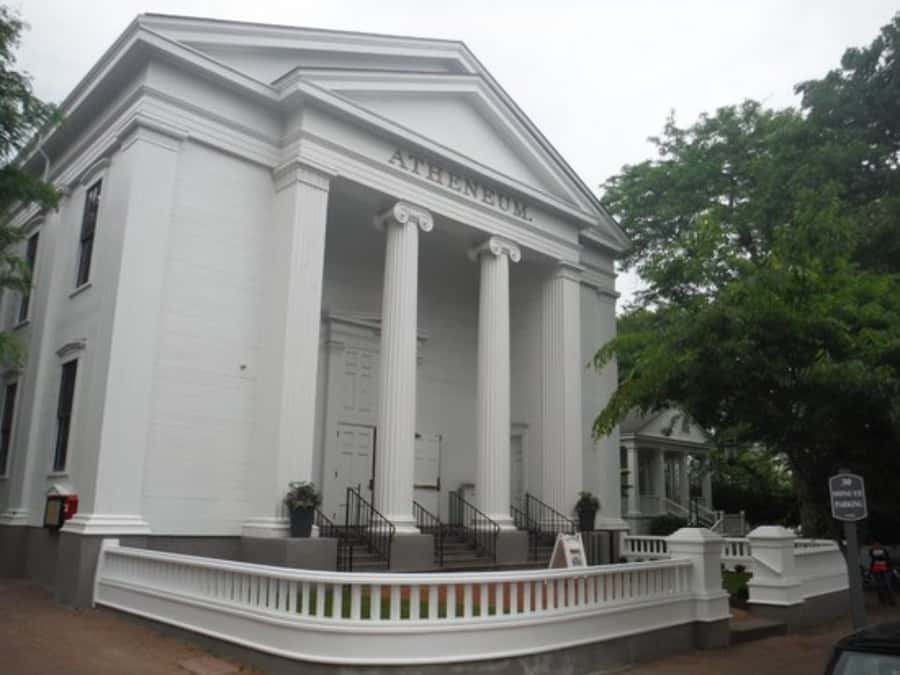
After the Indigenous foundation, the tour shifts to early European settlement. This is where the island’s identity begins to form in ways that still show up in downtown today—through architecture, community priorities, and the island’s economy.
You’ll hear about how Europeans took hold on Nantucket and how the settlement grew. The key is that it’s not told as a simple good-news growth story. The tour keeps coming back to what changed for real people living on the island.
This is also where you start learning how to “read” downtown. Even if you don’t know architectural terms, you’ll understand what forces shaped houses, streets, and neighborhoods—especially once the whaling story kicks in.
The whaling boom explained through downtown buildings
Whaling is the headline of Nantucket history, but the tour avoids making it feel like only one industry. You’ll learn how whaling developed, how it shaped island culture, and how it influenced the island’s built environment.
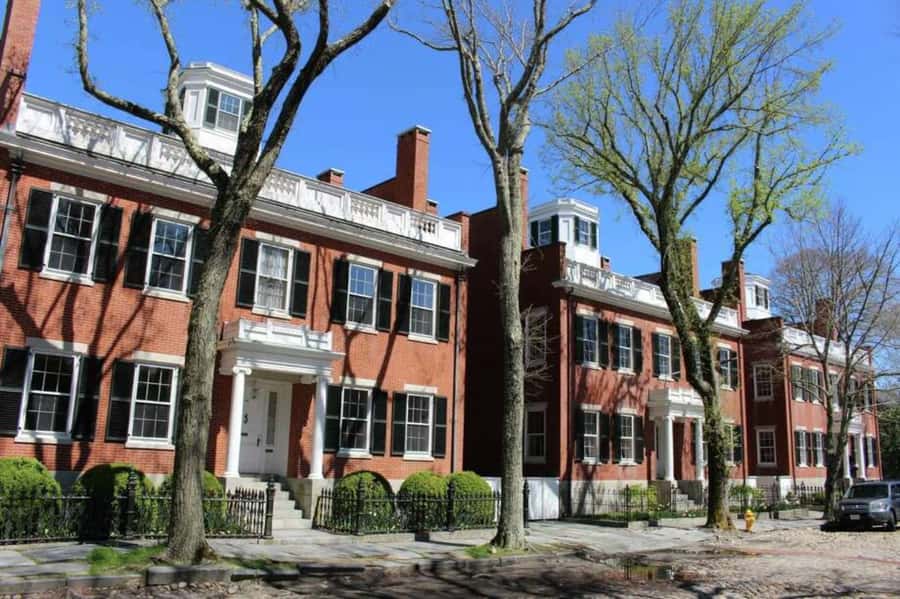
As you walk, you’ll see architecture up close and hear stories tied to specific kinds of homes and downtown landmarks. One of the best parts is that you don’t just hear that Nantucket became wealthy; you learn what that wealth did to the island’s look and social life.
It’s a useful approach if you’re the kind of traveler who wants more than a slogan. Instead of “whales made Nantucket famous,” you get cause-and-effect: industry growth brings people, money, buildings, and ambition, and it leaves physical traces.
Decline and rebirth after the whaling era: the island reinventing itself
A strong section of the tour is how it explains decline and then rebirth. You’ll hear about the decline of the whaling industry and how that downturn pushed the island to change course.
Then comes the part many visitors miss: what happened after the whaling era ended. The tour talks about Nantucket’s rebirth starting around the 1880s and continuing into today, including its development as a health, history, and tourist destination.
That “rebirth” storyline is more than marketing fluff. It helps you understand why downtown feels like a place that preserves its past on purpose. The island doesn’t just remember history—it repackages it with new meaning, and the buildings are part of that process.
If you’re visiting Nantucket expecting a single-era experience, this changes your perspective. It makes the town feel layered instead of frozen.





Architecture and notable island residents: seeing people behind the structures
Downtown Nantucket can look like a postcard, but this tour makes it more than scenery. You’ll hear stories of fascinating men and women of the island—people whose lives tied into the island’s economy, culture, and reputation.
You also get architectural highlights framed by what the island was going through at the time. That’s the difference between “pretty houses” and understanding. You’ll come away noticing patterns—who built what, why it looks the way it does, and how prosperity (and later decline) shows up in the town’s physical layout.
The guide’s delivery helps here. Based on the tour’s reputation and the way Hugh is described, the storytelling is both professional and entertaining, so the facts land without sounding forced.
A different interpretation of American history, walking street by street
Nantucket’s story intersects with broader US history, and this tour gives you a different interpretation—one that feels grounded in local reality. You’ll connect early settlement, Native presence, whaling industry growth, and the later reinvention of the island into something bigger than “local color.”
What I like is that the tour doesn’t treat American history like a sealed book. It treats it like a chain of decisions and consequences, where the people in Nantucket were participants in the larger national story.
If you’re tired of lectures, you’ll probably appreciate the format. You’re moving through downtown as the narrative unfolds, so it feels like the island is explaining itself.
Price and value: does $120 pencil out for a 2-hour walk?
At $120 per person for about two hours (often up to 2.5), this isn’t a cheap impulse activity. You should treat it as a paid guide service that buys context and clarity.
Here’s why it can be worth it:
- You get an award-winning guide style, with the pace staying comfortable enough to ask questions
- You get multiple eras connected in one flow: formation → Wampanoag presence → European settlement → whaling → decline → rebirth
- You get architecture and cultural interpretation tied to the island’s major turning points
If you’re the kind of traveler who enjoys history only when it’s explained clearly, this price makes sense. If you prefer to wander alone with a phone app, you might feel the cost more than the value.
My practical take: this tour is best when it’s your first or second day in town. It gives you a mental map so your later self-guided exploring becomes more rewarding.
What to bring (and the small choices that make the tour better)
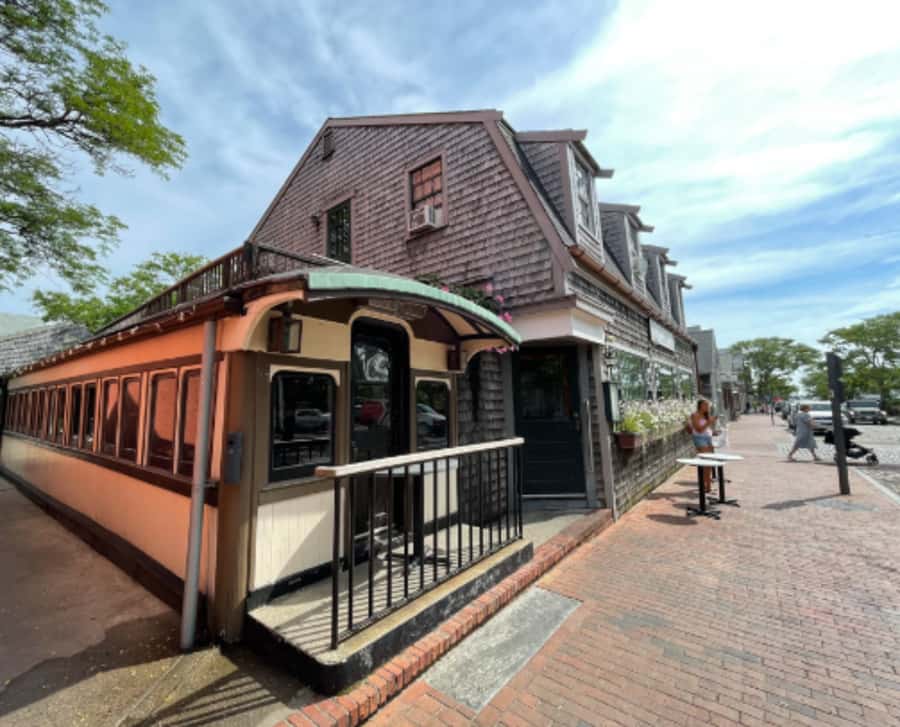
This tour is all about comfort and focus. Bring comfortable shoes—you’re on your feet for roughly two hours. Pack a hat, sunscreen, and water, since you’ll be walking outdoors and you may not want to stop for supplies mid-tour.
A camera helps too, because the architecture and downtown scenery are part of the learning. And if you want better results, arrive about 10 minutes early so you’re settled before you start.
Also check the weather forecast. Nantucket can shift fast, and a pleasant day is the difference between remembering details and just wanting shade.
Who should book, and who might want a different plan?
You’ll probably love this tour if you want:
- a guided introduction to Nantucket’s culture, heritage, and architecture
- an overview of whaling and the island’s later rebirth starting around the 1880s
- stories about both Native and European eras, explained together instead of in separate boxes
You might want to skip or rethink if you can’t handle a downtown walking experience. Even though the activity description includes wheelchair accessibility, the tour notes also say it’s not suitable for wheelchair users or people with mobility impairments—so it’s smart to contact the provider and confirm what’s realistic for your needs.
Also, plan around the fact that food and drinks aren’t included. If you take this tour midday, you’ll want a snack plan before or after.
Should you book this Nantucket Downtown Walking Tour?
If you want Nantucket to make sense fast, I’d book it. The mix of eras—Wampanoag presence, European settlement, whaling, decline, and rebirth—gets packaged into a walk you can actually follow. Add in the guide experience (Hugh’s name keeps coming up for a reason) and the comfortable pace, and this is a strong value for history-minded travelers.
Skip it only if your main goal is casual sightseeing with no real context. This tour is built for learning, looking, and asking questions, not for disappearing into your own pace.
FAQ
How long is the Nantucket Downtown Walking Tour?
It runs for about 2 hours, and the guided walking tour is listed as lasting 2 to 2.5 hours.
Where do we meet for the tour?
You meet in downtown Nantucket.
Is pickup included?
Yes, pickup is included from downtown hotels or accommodations.
What language is the guide?
The tour guide works in English.
What’s included in the tour price?
You get the guided walking tour plus an introduction to the island’s history, insights into the Wampanoag Native Americans, early European settlement context, and detailed whaling industry history. You also get cultural and architectural highlights, stories of notable residents, and discussion of the island’s rebirth as a tourist destination from the 1880s to today.
Is food or drinks included?
No. Food and drinks aren’t included.
How much does it cost?
The price is $120 per person.
Is the tour wheelchair accessible?
The activity description mentions wheelchair accessible, but it also states it’s not suitable for wheelchair users or people with mobility impairments. If mobility is a concern, you should confirm fit with the operator before booking.
Can I book with free cancellation?
Yes, free cancellation is listed up to 24 hours in advance for a full refund.
Is there a private group option?
Yes, private group availability is listed.
If you want, tell me your travel month and whether you prefer museums or outdoor strolling, and I’ll help you pair this with the best follow-up plans in Nantucket.