REVIEW · CRETE
Pallada Semi-Private Olive Oil Tours in Sternes, Chania
Book on Viator →Operated by Pallada · Bookable on Viator
Olive oil in Crete turns out to be a lesson you can taste. This small-group tour in Sternes pairs a walk through Pallada Kèpos with a real visit to the mill, then ends with an instructional tasting of extra virgin olive oils led by Bill. I like that you get both the how-it’s-made side and the how-to-taste side, so the knowledge actually sticks. One thing to consider: at about 1 hour 30 minutes, it moves at a friendly pace, but it is not a long, slow meal.
Two highlights for me are the botanical stop among olive groves and the tasting itself. You’ll walk past Greek olive tree varieties, learn how trees and olives connect to harvest timing, and then sample 4 extra virgin oils and learn how to tell differences. The main drawback is simple: it’s small-group (max 8), so if you want lots of time to linger, you may feel the session is tight.
In This Review
- Quick Take: What Makes Pallada’s Semi-Private Tour Worth It
- Where Pallada Kèpos Fits Into the Big Olive Story
- The Olive Mill Visit: Seeing How Extra Virgin Actually Happens
- Olive Oil Tasting That Teaches You to Tell the Differences
- The Cretan Dakos Finish: A Taste Budget That Actually Makes Sense
- Small-Group Spirit: Why Max 8 Changes the Feel
- Price and Value: Does $41.94 Deliver?
- Who This Tour Fits Best (And Who Might Want Something Else)
- Practical Tips Before You Go
- Should You Book Pallada’s Semi-Private Olive Oil Tour?
- FAQ
- How long is the Pallada Semi-Private Olive Oil Tour?
- What does the tour cost?
- What will I taste during the tour?
- What happens during the botanical park and mill parts?
- Where is the meeting point?
- What language is the tour offered in?
- Is there free cancellation?
Quick Take: What Makes Pallada’s Semi-Private Tour Worth It
- Botanical park walk at Pallada Kèpos among olive groves, native herbs, flowers, and a small vegetable garden
- In-depth mill visit through modern production equipment and the phases of olive oil production
- Tasting that teaches you how to taste extra virgin olive oil and compare 4 different oils
- Guide Bill’s Q&A energy, friendly and happy to answer questions as you go
- Cretan dakos with the olive oil of your choice so you end with a practical payoff
Where Pallada Kèpos Fits Into the Big Olive Story
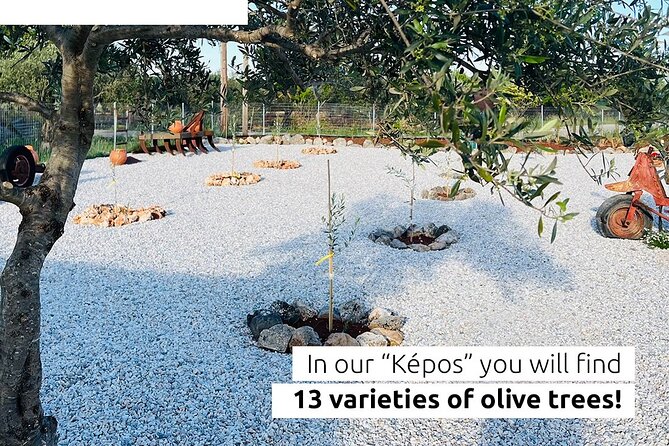
Most olive oil tours jump straight to equipment. This one starts earlier, at a small botanical park created among olive groves called Pallada Kèpos, and that timing matters. Before you see machines, you learn what the olive trees are doing and why it changes the oil in your glass.
You’ll walk through the park and connect three things that are easy to separate when you’re only looking at bottles: the trees, the fruit, and the farming rhythm. The park includes native herbs and flowers of Crete, a small vegetable garden, and several Greek olive tree varieties. That variety isn’t just decoration. It sets you up to understand why olive oil taste isn’t one-note.
If you care about cooking, this is a smart start. You begin to see olives as a plant with a lifecycle, not a commodity. And if you’re the kind of traveler who likes to ask why something works, the walk gives you plenty of angles—trees, cultivation, and the harvest process.
The practical upside? The walk is also a good way to wake up your senses before tasting. You’re outdoors, moving, and looking at the natural context of olive-growing, which makes the later aromas and flavors feel less random.
You can also read our reviews of more tours and experiences in Crete.
The Olive Mill Visit: Seeing How Extra Virgin Actually Happens
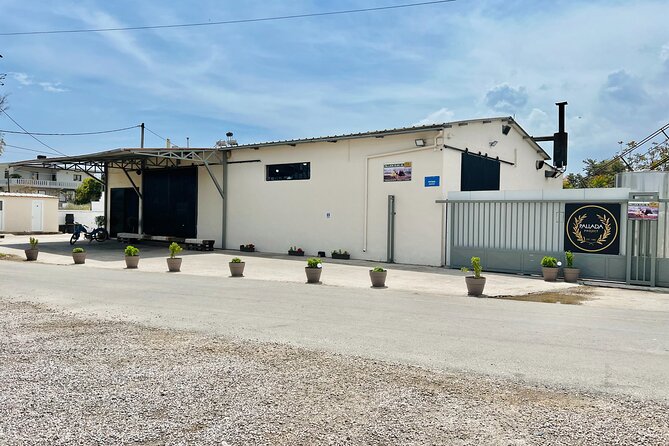
After the grove-and-garden introduction, you head to the olive mill facilities. This part is built for understanding, not just watching. You walk among modern factory production equipment, and you get explanations of the phases of olive oil production.
Here’s why that matters for you: extra virgin olive oil is tightly tied to how carefully the olives are handled and how the process is managed. Once you know the production phases, the tasting portion stops feeling like a school exercise. It becomes a reality check—does the oil taste like what the process would create?
Another practical benefit is that you can ask targeted questions while you’re standing near the equipment. The tour is small-group, with a maximum of 8 travelers, so you’re not just a seat in a crowd. The vibe stays personal enough that you can get real answers.
Also, this is the part that helps most people bring the tour home. You can look at a label later and know what questions to ask, because you’ve seen how the oil gets made.
Olive Oil Tasting That Teaches You to Tell the Differences
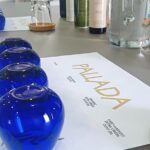
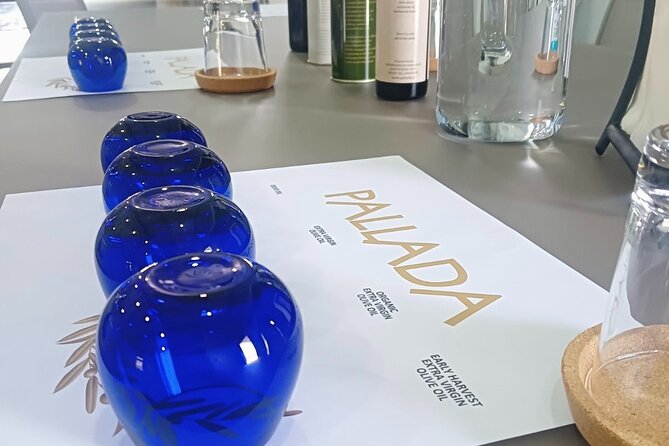
If you’re doing this tour for one reason, make it the tasting. The session is designed around learning how to taste extra virgin olive oil, not just drinking samples for fun.
You’ll taste 4 different olive oils, and the guide helps you distinguish their differences. The goal isn’t to memorize names. It’s to develop your palate and your vocabulary so you can notice how oils vary.
This is where I think the tour earns its near-perfect reputation. The tasting isn’t vague. People leave feeling that they understand what they’re tasting and why. One review noted an education about how to tell the differences, paired with a solid explanation of growing and harvesting. That pairing is key: taste gets clearer when you know where it comes from.
You’ll also likely pick up a new way to think about cooking. Instead of grabbing olive oil because it’s labeled extra virgin, you start thinking in terms of style—how an oil might taste in a salad, how it might behave in a simple dish, and how to match flavor to food. Even if you don’t become an olive-oil nerd, you’ll probably become a smarter shopper.
The Cretan Dakos Finish: A Taste Budget That Actually Makes Sense
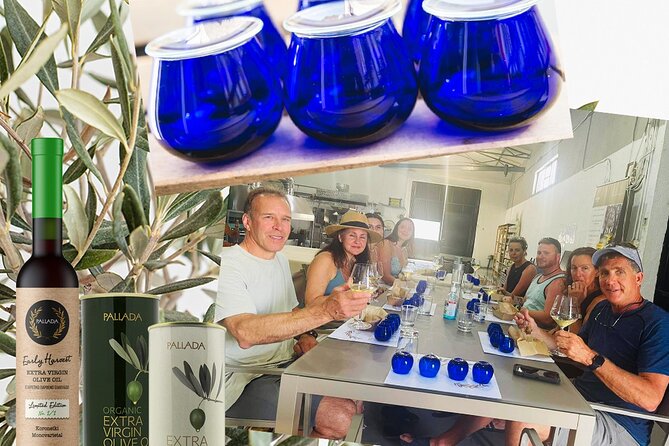
The tour ends with a traditional Cretan treat. You’ll enjoy a dish of cretan quality products—specifically Cretan dakos served with the olive oil of your choice.
That ending is more than a sweet close. It’s the practical bridge between learning and eating. You’ve just compared oils. Now you get to try them in a simple, local format where the oil shows up clearly.
I like that the food is tied to the theme. It doesn’t feel like a generic snack thrown in at the end. It’s a small meal moment that gives your brain a chance to connect flavor to context.
And because the tour is about 1 hour 30 minutes total, the food isn’t an all-day commitment. It fits well into a day exploring Chania without forcing you to rearrange everything.
Small-Group Spirit: Why Max 8 Changes the Feel
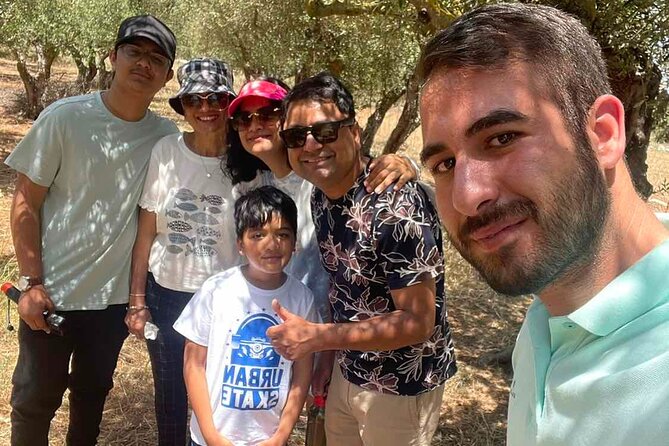
This is a semi-private style tour with a maximum of 8 travelers. That number matters more than you might think.
In a bigger group, olive oil tours often turn into one-way storytelling. Here, the smaller group size helps keep the pace interactive. You can ask questions while the guide walks you through the cultivation, harvest, and production phases.
Reviews also highlight Bill leading the tour with friendliness and lots of answers. You’ll benefit most if you come in curious—olive-growing customs, how harvest timing affects oil, or how to identify differences during tasting. If you like hands-on learning and conversation, this structure really works.
If you’re traveling with family, the format also helps. It’s educational but not stiff, and kids and adults can both latch onto the tasting and the real food ending.


Price and Value: Does $41.94 Deliver?
At $41.94 per person for about 1 hour 30 minutes, you’re paying for more than a quick stop. You’re paying for a guided, multi-part experience: botanical walk, mill visit with production phases, a structured tasting of 4 oils, and a Cretan dakos dish.
The value angle I see is this: you’re getting both education and sensory training. Many olive oil experiences lean heavily toward tasting only. Here, you get cultivation and production context first. That makes the tasting more meaningful and more memorable.
Also, the small group helps justify the price. If you’re paying extra for a tour, you want better attention. With max 8, you’re more likely to get real explanations and quick answers instead of hearing everything from far away.
One note to consider: since it’s popular (booked on average 21 days in advance), plan early if you’re traveling during high season. If you wait until the last minute, you might not find a slot that matches your schedule.
Who This Tour Fits Best (And Who Might Want Something Else)
This is a great fit if you:
- Love food experiences that teach you something practical
- Want to understand olive oil beyond slogans
- Enjoy Q&A and guided explanations while you’re seeing the real place
- Cook at home and want better instincts for olive oil choices
It’s also a good match for travelers who want an authentic Cretan stop without turning it into a full half-day plan. The duration is short enough to pair with other Chania activities.
Who might not love it? If you want a long, slow, sit-and-stay experience with extended meals, this one moves at a compact pace. It’s focused. You’ll leave informed and fed, but you won’t linger for hours.
Practical Tips Before You Go
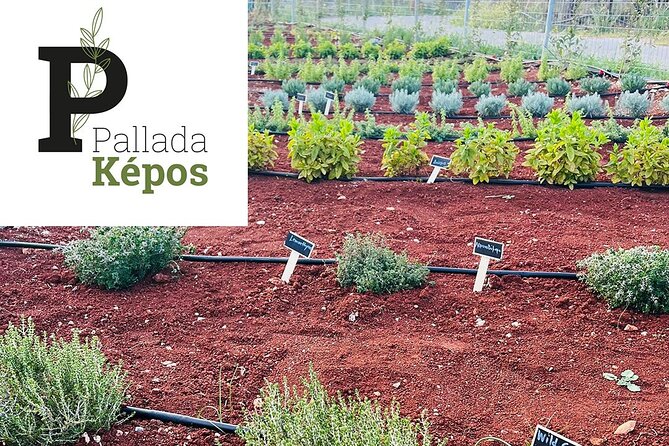
- Plan for walking outdoors at Pallada Kèpos, since the tour begins with a grove-and-garden stroll.
- Wear comfortable shoes. Even if it’s not long-distance trekking, you’ll be on uneven ground.
- Come with an appetite for questions about cultivation, harvest, and how production affects taste.
- If you’re picky about tasting, go in open-minded. The tour’s goal is to help you notice differences, even if you don’t have a strong baseline.
One more small detail: the tour offers English, uses a mobile ticket, and allows service animals. If you’re relying on transit, it’s listed as near public transportation, so you should be able to plan your day without complicated logistics.
Should You Book Pallada’s Semi-Private Olive Oil Tour?
Yes—book it if you want an olive oil experience that feels educational and real, not just a tasting stop. The combination of a walk through Pallada Kèpos, a guided mill visit with production phases, and a tasting of 4 extra virgin oils gives you a full loop: plant → fruit → process → flavor.
I’d especially recommend it if you enjoy learning from a guide who’s ready to answer questions—Bill’s name comes up repeatedly for friendliness and clear explanations. And if you want a tour that respects your time (about 1 hour 30 minutes), this format is efficient without feeling rushed.
FAQ
How long is the Pallada Semi-Private Olive Oil Tour?
It runs about 1 hour 30 minutes.
What does the tour cost?
The price is $41.94 per person.
What will I taste during the tour?
You’ll taste 4 different extra virgin olive oils.
What happens during the botanical park and mill parts?
You’ll walk at Pallada Kèpos to learn about olive trees, olives, and cultivation/harvest, then visit the olive mill facilities to learn the phases of olive oil production.
Where is the meeting point?
The start is Pallada Olive Oil & Tours on an unnamed road in Sternes, 731 00, Greece, and the tour ends back at the meeting point.
What language is the tour offered in?
The tour is offered in English.
Is there free cancellation?
Yes. Free cancellation is available up to 24 hours in advance of the experience for a full refund.