REVIEW · TENERIFE
Tenerife. Stargazing at the Teide National Park
Book on GetYourGuide →Operated by Astroguide Tenerife · Bookable on GetYourGuide
A good night sky deserves a good guide. Teide National Park turns astronomy into a calm, unforgettable show with high-end equipment.
I love the small group feel, which makes questions easy and observation unhurried, not rushed. I also love that you’re not just staring—you’re learning the history, science, and mythology of what you’re seeing. One thing to plan for: it can get very cold up on the mountain, and there’s no meal or drink included.
Meet at Ermita de las Nieves, then the night starts. Your tour runs for about 2 hours, beginning around 40 minutes after sunset, so you’ll catch the sky as it deepens rather than arriving too early. The only real drawback is logistics: transfer isn’t included, so you’ll want your own ride or a plan to get to the park without stress.
In This Review
- Key Highlights You’ll Feel Immediately
- Why Teide Nights Feel Different for Stargazing
- Finding the Meeting Point: Ermita de las Nieves and the Sunset Countdown
- What Happens During the 2-Hour Session (Without Feeling Rushed)
- The Shows in the Sky: Constellations, Celestial Motion, and Real Objects
- Roberto’s Style: Calm Storytelling That Connects Myth and Science
- Gear, Comfort, and Photography: What’s Included and What You Should Bring
- Practical Tips That Make the Tour Worth It
- Price and Value: Is $40 a Good Deal Here?
- Who Should Book This Teide Stargazing Tour?
- Should You Book This Teide Stargazing Tour?
- FAQ
- Where is the meeting point for the Teide stargazing tour?
- When does the stargazing start?
- How long is the experience?
- What’s included in the tour price?
- Is transfer included?
- What should I bring for the tour?
Key Highlights You’ll Feel Immediately
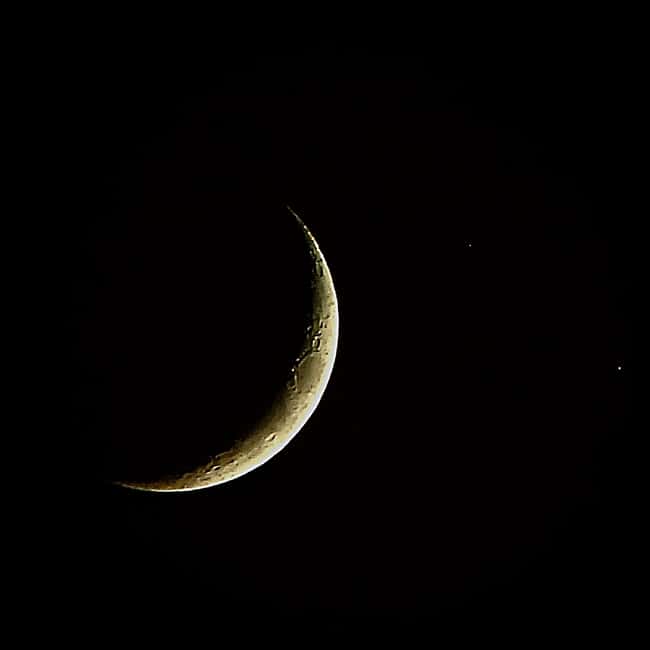
- Teide National Park stargazing at prime night timing (about 40 minutes after sunset)
- High-end telescope plus binoculars for a real range of views
- Starlight-accredited guide pairing sky myths with practical sky-spotting
- Laser-assisted explanations that help you connect the story to what’s in the sky
- Small group astronomy where you can actually ask questions
- Free photos to take the memory home (plus a little extra comfort, depending on conditions)
Why Teide Nights Feel Different for Stargazing
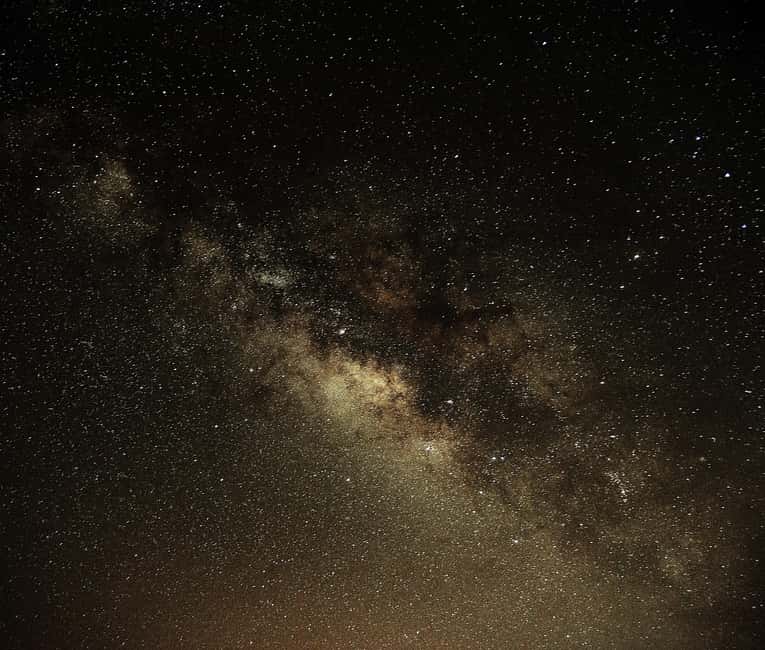
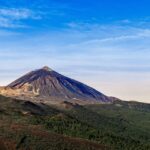
Teide is one of those places where the sky just behaves better. You’re up in a volcanic national park, away from the constant glow of big cities, and that matters because stargazing only works when the stars aren’t fighting light. The result is a night where constellations look crisp, bright objects pop, and the “wow” moments come more than once.
What I really like here is that the experience treats astronomy like a slow ritual. You don’t get tossed into a checklist. Instead, you’re guided through what to look for and why it’s there—so you’re not just seeing points of light, you’re building a mental map of the sky as it moves.
And because this is in a small group, the energy stays quiet and personal. It feels like you and your guide are sharing the sky, rather than being herded through it. You’ll still get plenty of guided moments, but you’re not stuck listening through a crowd.
You can also read our reviews of more tours and experiences in Tenerife.
Finding the Meeting Point: Ermita de las Nieves and the Sunset Countdown
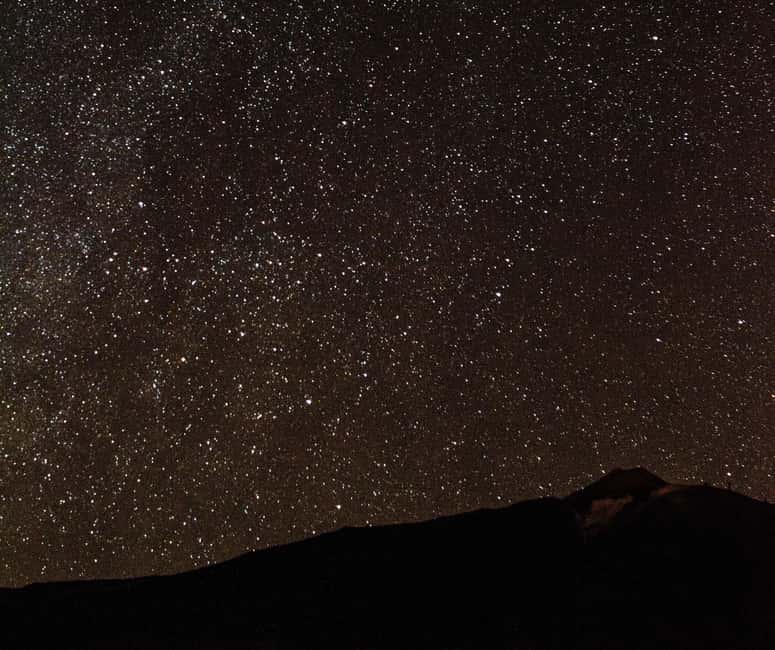
You meet your guide near the Ermita de las Nieves inside Teide National Park. The activity starts about 40 minutes after sunset, which is a smart choice. Early in the evening the sky can still be too bright for fine detail. Starting after the sun drops enough also helps your eyes adjust more naturally.
If you’re driving yourself, this is where planning pays off. Parking is usually workable around the park area, but if you’re trying to catch sunset views on the way up, pull-over spots can get busy. So I’d treat sunset as optional and focus your effort on arriving with enough time to settle in before the sky show begins.
Also, check your meeting time against your own pace. People often underestimate mountain roads and the time it takes to park, walk, and get comfortable in chilly air. Give yourself a buffer so you’re not arriving cold, hurried, and annoyed with your own timing.
What Happens During the 2-Hour Session (Without Feeling Rushed)
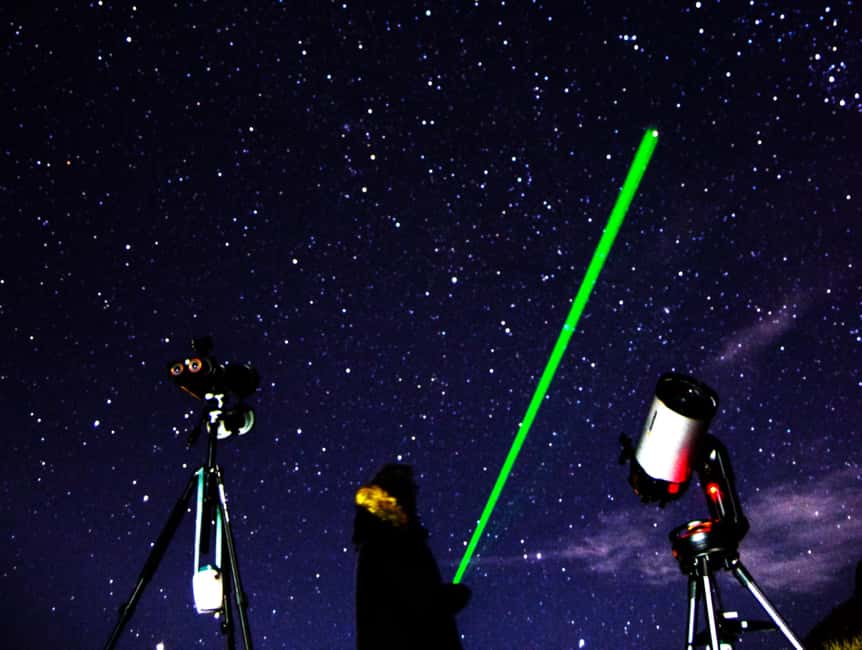
This is a straightforward format: meet, get set up, then observe with expert guidance for about two hours. The pacing matters because stargazing needs patience. Your eyes adapt gradually, and the sky changes meaningfully as darkness deepens.
You’ll start by getting oriented—what to look for and how the sky’s motion affects what you can spot. Then you’ll move into observation with a combination of high-end telescope viewing and astronomical binoculars. The binoculars help you get your bearings faster (finding the right region of sky), while the telescope turns the lesson into something you can clearly see.
The tour uses laser technology explanations, which makes a big difference. When your guide points out constellations, important stars, and key objects, you’re not guessing where they’re talking about. You’re connecting the talk to a visible reference right in front of you.
By the end, you’ll also get some photos of the experience. A lot of the value here is practical: you leave with a few images that capture what you were actually doing, not just a generic “we were there” shot.
The Shows in the Sky: Constellations, Celestial Motion, and Real Objects
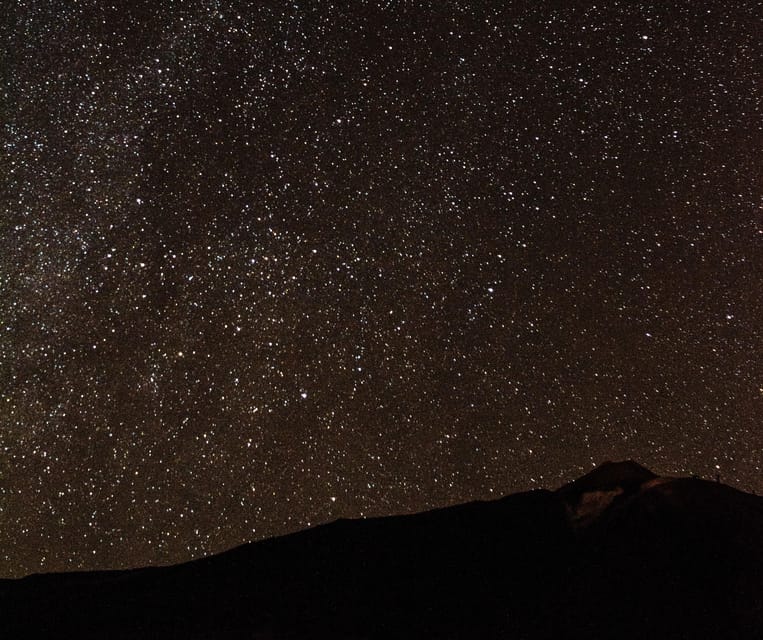
The goal isn’t only to name stars—it’s to help you understand the sky like a system. You’ll learn about the movements of the celestial sphere, which sounds technical but pays off quickly. Once you understand how the night sky shifts, you stop thinking of stars as random dots and start seeing patterns that repeat.
You’ll locate constellations and identify important stars, plus learn how to distinguish what you’re seeing. That’s the difference between a “pretty night” and a night where you feel proud of yourself for spotting things without help.
Depending on conditions and timing, you may catch extra highlights—like planets, galaxies, or a lucky shooting star moment. The most reassuring part is that the guide’s job is to keep you oriented even if the sky doesn’t hand you every perfect view. The learning stays useful either way: you can still track what’s up, where it is, and what it represents.
Roberto’s Style: Calm Storytelling That Connects Myth and Science
The guide behind this experience is often Roberto, and his approach comes through clearly: professional, passionate, and genuinely friendly. What I find most useful is that he explains astronomy in a way that doesn’t drown you in terms.
You’ll get both story and structure. There’s mythology in the mix (the sky as humans have interpreted it for ages), but it’s paired with practical “how to see it” guidance. That balance helps the tour feel fun without becoming vague.
One more thing you’ll likely appreciate: Roberto’s willingness to answer questions. In a small group setting, you’re not waiting for a turn during a flood of requests. You can ask what you’re stuck on—where to look, what that star is, why it appears to move—and get a direct answer right there in the cold dark.
If you like guides who can switch between humor and clarity, this is a strong match. The night stays relaxed, and your attention stays where it should: on the sky.
Gear, Comfort, and Photography: What’s Included and What You Should Bring
Your included equipment is solid: telescope, astronomical binoculars, and laser-assisted explanations. That’s the backbone of the experience—enough gear so you’re not relying only on the telescope, which can be slower and harder to share in a group setting.
On top of that, you’ll receive free photographs of the experience. That’s a real value add because it removes the burden of trying to photograph the night sky while also learning. Stars are unforgiving for handheld photos, and this way you can focus on the viewing.
Now, comfort. Even in good weather, mountain nights can feel aggressively cold. The key is simple: bring weather-appropriate clothing. If you’re used to warm evenings on the beach, you’ll want to rethink that. Dress in layers and expect chilly wind.
Also, some participants have reported extra comfort items like warm layers, plus small treats like water and chocolate. Those extras aren’t the core of the tour, but they do help you stay focused instead of counting minutes until your body warms up.
Practical Tips That Make the Tour Worth It
Here’s how to get the best value out of your two hours at Teide:
- Arrive early enough to settle. Starting around 40 minutes after sunset means you’ll want time to park, walk in, and get ready before the sky deepens.
- Use layers, not one bulky coat. You’ll move a bit and you’ll want adjustability as your body warms up while waiting.
- Ask questions while you’re still at the telescope. The telescope moment is where answers become visual.
- Don’t rush the binocular phase. Binoculars help you find what the telescope is showing, so you’ll understand more on each switch.
- Expect the sky to be the main focus. Food and drink aren’t included, so plan to eat earlier and bring nothing extra except what you need for comfort.
If you’re traveling with kids or teens, this format can work well because the guide can keep things understandable and the group stays intimate. If you’re a serious sky person, you’ll still enjoy the structured approach and the way the guide connects observation to explanation.
Price and Value: Is $40 a Good Deal Here?
At about $40 per person for roughly two hours, the value depends on what you want from your night.
If you want a guided night with real equipment, a small group, and structured learning, this price looks fair. You’re paying for the telescope time, the guide’s Starlight-aligned approach, and the effort of setting up in a proper viewing spot rather than trying to learn on your own.
Where the value gets even better is the “extras” that make it feel complete: laser-assisted explanations, the binocular viewing support, and free photos that save you from the frustration of night-sky photography.
The main cost you might not love is indirect: transfer isn’t included and there’s no included food or drinks. Still, if you already have a rental car or you can get to the meeting point smoothly, the $40 becomes much easier to justify.
Who Should Book This Teide Stargazing Tour?
This is a great fit if you want:
- A calm, unhurried astronomy session rather than a quick look-and-go
- A guide who blends mythology, science, and practical sky-spotting
- A small group experience where you can ask questions and keep up
- Telescope viewing plus binocular context, so you learn as you observe
It’s also wheelchair accessible, which matters for comfort and viewing stability.
One note: it isn’t suitable for babies under 1 year. If you’re bringing very young kids, check with the provider to confirm the best approach for your situation.
Should You Book This Teide Stargazing Tour?
I’d book it if you want your Teide night to be more than scenery. The mix of equipment, laser-guided explanations, and a Starlight-accredited guide keeps the experience grounded and genuinely educational—while still feeling magical.
Skip it if cold weather and evening logistics stress you out. With no transfer and no meal included, you’ll need to plan ahead for getting there and staying comfortable. But if you’re ready for that, this tour is one of the easier ways to turn a dark sky into a skill: you’ll look up differently after two hours.
FAQ
Where is the meeting point for the Teide stargazing tour?
You meet the tour guide next to the Ermita de las Nieves in Teide National Park.
When does the stargazing start?
The tour starts about 40 minutes after sunset. Starting times vary by availability.
How long is the experience?
The duration is about 2 hours.
What’s included in the tour price?
Included are a telescope, astronomical binoculars, and explanations with laser technology, plus free photographs.
Is transfer included?
No. Transfer is not included.
What should I bring for the tour?
Bring weather-appropriate clothing, since mountain nights can be cold.