REVIEW · LANZAROTE
Lanzarote: Whale and Dolphin Watching Eco-Friendly Catamaran
Book on GetYourGuide →Operated by WeWhale Lanzarote · Bookable on GetYourGuide
A silent boat makes wildlife feel closer. This fully electric catamaran is designed for whale and dolphin watching with minimal disturbance, and the onboard hydrophone lets you hear what’s going on underwater. One thing to weigh: sightings depend on sea conditions and season, so weather can limit what you see.
You’ll cruise out from Puerto Calero and spend the afternoon scanning the Atlantic while an expert guide explains the marine ecosystem. You’ll also get complimentary snacks and drinks that keep things comfortable without turning the trip into a party boat. If you’re chasing a guaranteed whale sighting, plan your expectations with care.
In This Review
- Key things you’ll notice right away
- Why Lanzarote’s electric catamaran setup changes the game
- Getting to Puerto Calero Dock F22 (and what to plan for)
- What the 4 hours at sea actually feels like
- Whales, dolphins, and the hydrophone experience you can really use
- Snacking, local flavors, and the views from the Atlantic
- Responsible wildlife rules that actually shape your day
- Weather can change your odds more than you think
- Price and value: is $112 worth it?
- Who should book this tour, and who should skip it
- Final call: should you book the WeWhale Lanzarote electric catamaran?
- FAQ
- How long is the Lanzarote whale and dolphin watching catamaran tour?
- Where do I meet the tour?
- What’s included in the ticket price?
- What languages is the live guide offered in?
- Is the tour wheelchair accessible?
- What should I bring, and what’s not allowed on board?
Key things you’ll notice right away
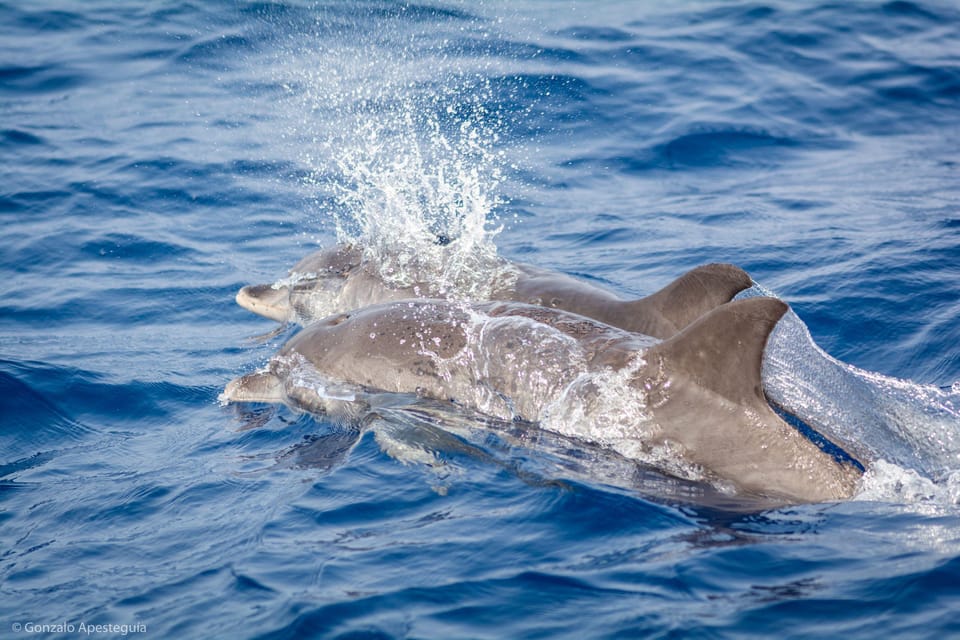
- Fully electric, emission-free sailing for a quieter, cleaner ride
- Hydrophone listening so you can pick up whale and dolphin communication
- Expert-led interpretation focused on how the ocean works
- Snacks and local flavors onboard without extra hassle
- A dolphin-respectful approach that avoids crowding animals
- Small-boat feel that can feel more personal than big excursions
Why Lanzarote’s electric catamaran setup changes the game
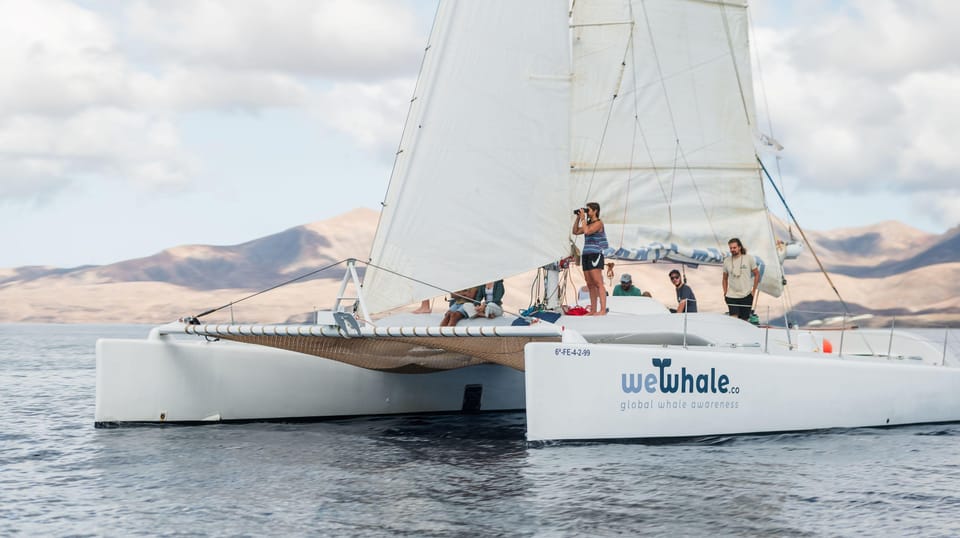
If you’ve ever been on a wildlife boat that smells like diesel, you already know why this one feels different. A fully electric catamaran means a quieter engine and fewer emissions, which matters both for the atmosphere on deck and for how calmly wildlife can go about its behavior.
What I like is that the trip is built around observation, not chasing. The staff’s focus stays on watching marine life undisturbed, and that tone shows up in how close you get and how you’re coached to react. When the guide points things out and explains what you’re seeing, the experience stops feeling random and starts feeling educational.
There’s also a modern touch that makes the Atlantic feel less mysterious: an onboard hydrophone. Even if you can’t see an animal at every moment, you can still experience the underwater world through sound—communication you’d otherwise miss completely.
You can also read our reviews of more tours and experiences in Lanzarote.



Getting to Puerto Calero Dock F22 (and what to plan for)
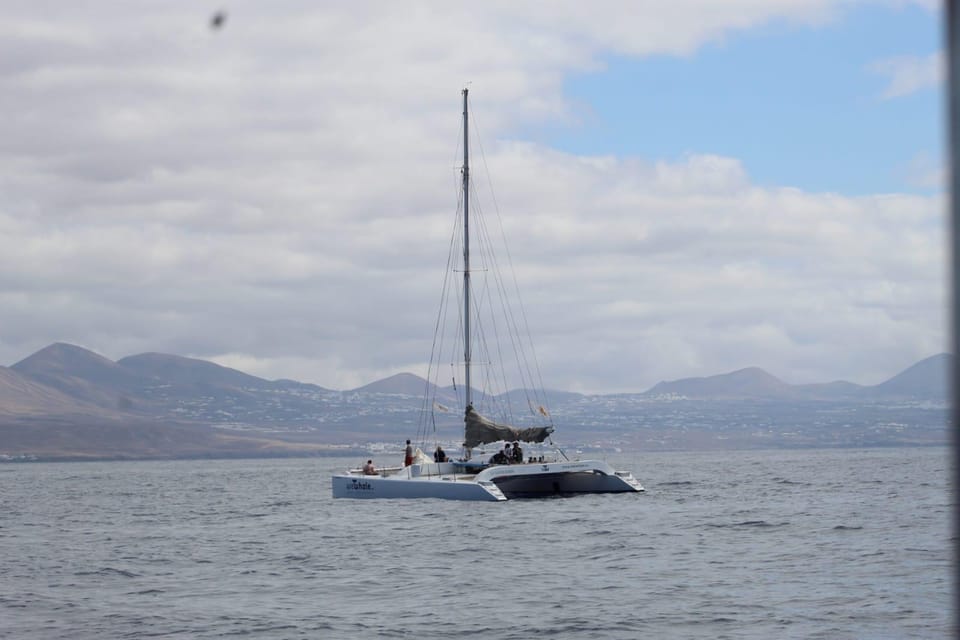
Your meeting point is Puerto Calero, Dock F22 in the Marina Puerto Calero area. The good news: parking is available, and you can also reach the marina by bus or taxi without it turning into a logistics puzzle.
For practical timing, treat this like an actual departure day. Arrive early enough to get oriented on the dock, because once you’re boarding, you’ll want to be settled before the boat heads out.
One more practical note: this activity is not suitable for wheelchair users. If mobility is a concern, you’ll want to pick a different tour format that can accommodate your needs.
What the 4 hours at sea actually feels like
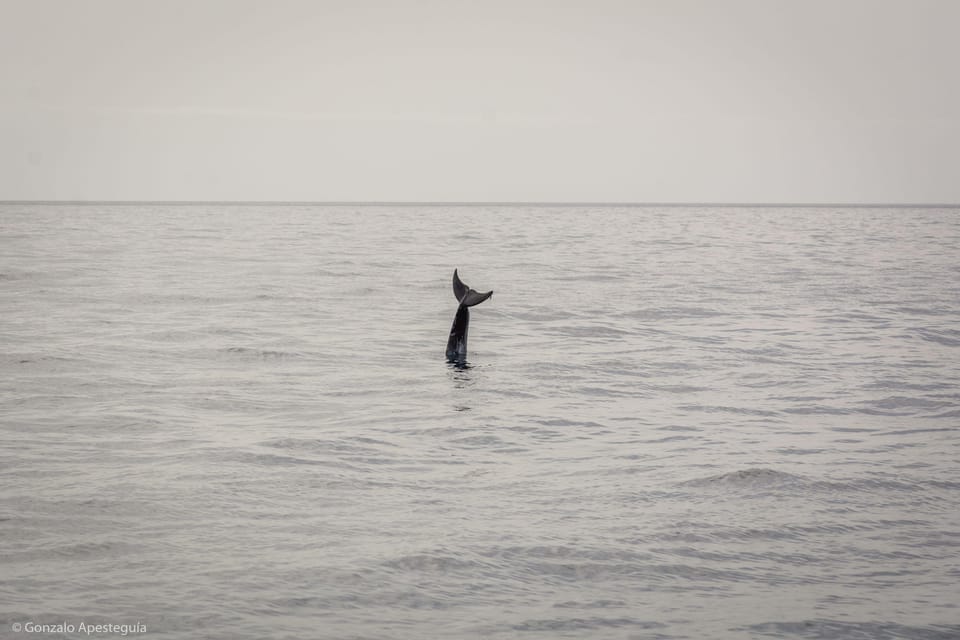
This is a 4-hour outing, so you’re not sprinting across the water. Most of the experience is about cruising time plus observation time—enough duration to watch for dolphins, listen via hydrophone, and adjust when the marine life shows up.
A big part of the “feel” comes from the catamaran itself. People tend to notice how close to the water it feels. That’s not just a comfort detail; it changes how you scan the sea surface. When dolphins pop up near the boat, you can often see the patterns—pods moving together, schools shifting direction, and the way animals surface in bursts.
You’ll also have moments to relax on board. And because snacks and drinks are included, you don’t lose time waiting in line or hunting for food. That turns the trip into something you can actually enjoy, especially if you’re starting your day hungry.
Whales, dolphins, and the hydrophone experience you can really use
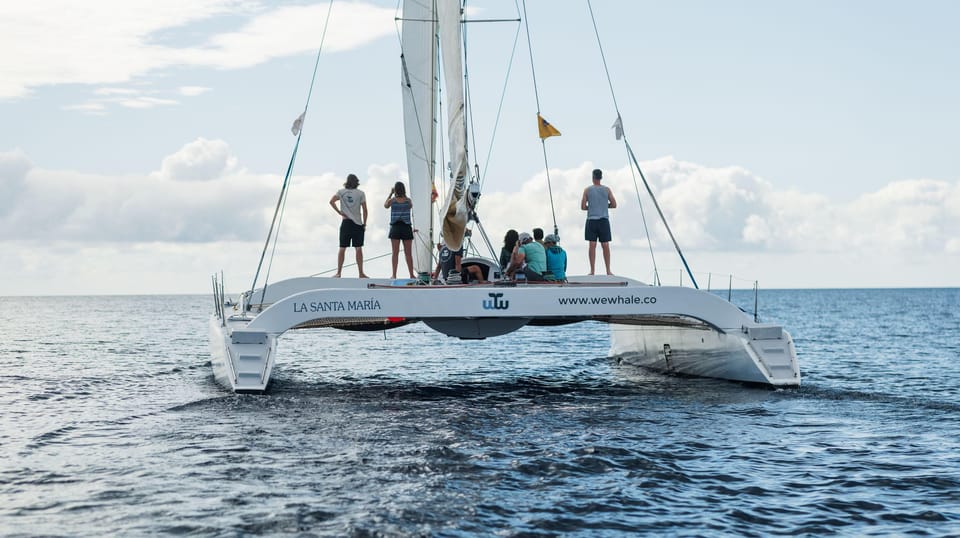
The centerpiece is whale and dolphin watching. You’re looking for dolphins first—often in pods or schools—and then keeping an eye out for larger animals when conditions allow.
Here’s the practical upside of the hydrophone: you don’t have to treat the ocean as purely visual. The crew uses the hydrophone during the excursion, and it can help you understand that marine life is active even when you can’t see it immediately. You’ll hear whale and dolphin communication underwater, which adds a new layer to what you’re experiencing.
Now, the reality check. No tour can control where animals go. In colder months or when the weather turns gray, you may still have a great day even if you don’t spot whales. One of the most important tips I can give you is to stay patient and keep your eyes on the water—dolphins often appear in moments rather than on command.
If you’re lucky, you may see multiple types of dolphins in one trip, plus other sea life. On at least some sailings, sightings include a turtle, which is a nice reminder that the ocean ecosystem is bigger than just whales and dolphins.
Snacking, local flavors, and the views from the Atlantic
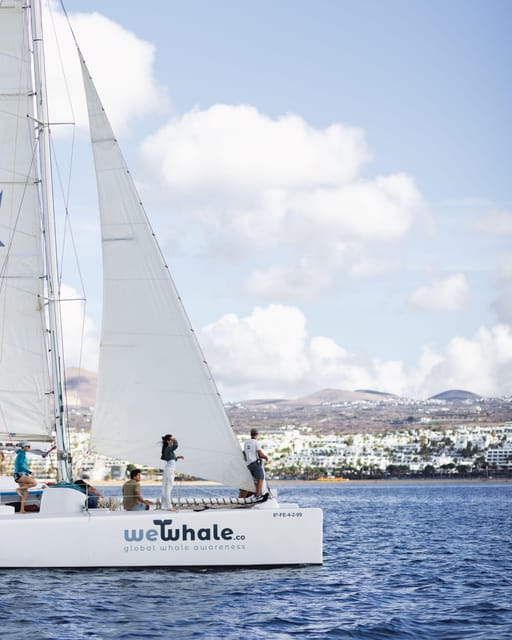
Yes, you’ll be watching wildlife—but you’ll also be enjoying Lanzarote from the water. As the boat moves along the coast, you get panoramic views that feel different from any viewpoint on land.
Onboard, there’s a simple comfort plan: snacks, soda/pop, and fresh fruits are included. The goal isn’t to distract you from the sea—it’s to keep energy up while you watch and wait. You’ll also likely get local-flavored options, which makes the food feel like part of the island experience instead of generic cruise snacks.
This matters more than it sounds. On a trip like this, you want your focus on the horizon. If you’re hungry or thirsty, you start missing things. With snacks and drinks handled, you can stay present.





Responsible wildlife rules that actually shape your day
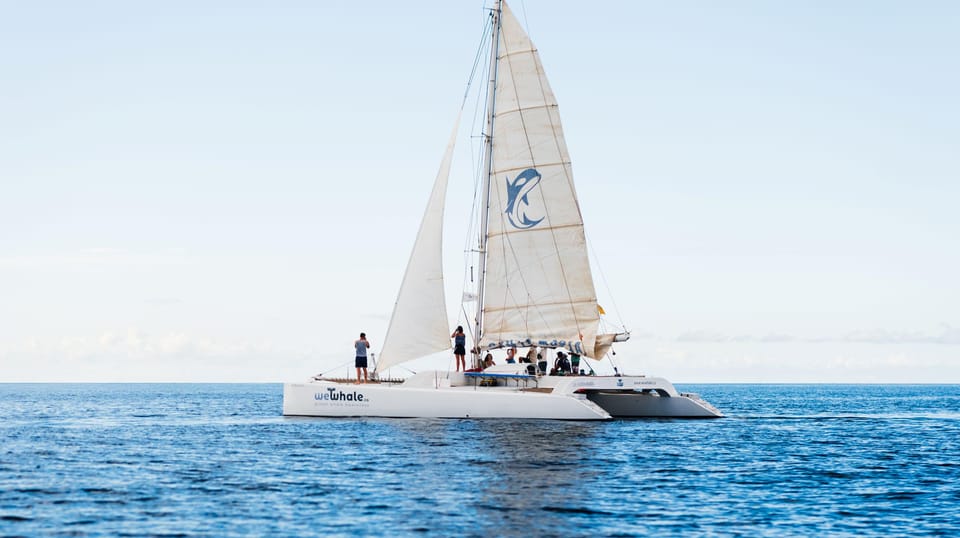
This isn’t a party-on-the-water tour. You’ll feel the rules in how the crew runs the experience.
Feeding animals is not allowed, and you also can’t smoke. That keeps the focus on respectful distance and reduces disturbance. There’s also a clear boundary around alcohol and drugs: those aren’t allowed either.
The most important thing, though, is how the crew manages proximity. The staff aims to avoid pressuring animals, and that approach is part of why people report feeling that the dolphins weren’t being bothered. In plain terms: you’re there to observe, not to pressure wildlife into performing.
That’s also why the electric, quiet ride is more than a marketing line. A calmer boat can mean fewer disruptions. Pair that with a crew trained to keep distance and you get an experience that feels ethical without killing the excitement.
Weather can change your odds more than you think
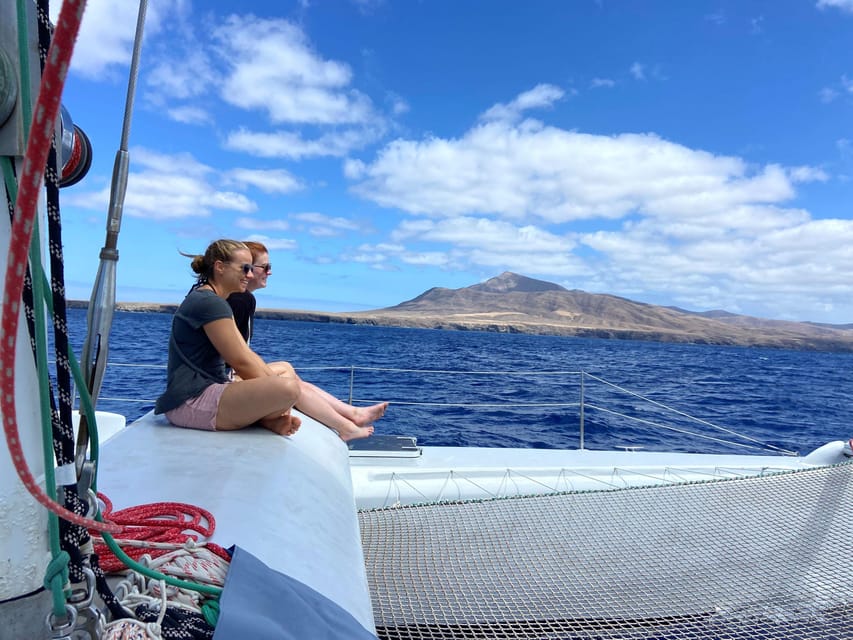
A whale-and-dolphin day is always partly nature’s schedule. But season and weather really can affect what you see.
Even in mid-winter conditions, the ocean can still deliver dolphins. One sailing in early February was described as cloudy and relatively fresh, and on that day there were no whales or dolphins spotted. That’s not the norm you should count on—but it is a reminder to plan for uncertainty.
So here’s how I’d plan smartly:
- If you’re visiting in cooler, cloudier months, treat dolphins as the most realistic target, and whales as a bonus.
- Bring sun protection anyway. A hat and sunscreen are recommended, because Lanzarote sun can sneak up on you even when skies look gray from shore.
- Pack for “sea breeze weather.” If you run cold easily, bring layers. The boat ride can feel cooler than the port area.
In short: the experience is still worth it even if sightings are limited, because the educational element and the electric sailing make the day feel purposeful. But if you need guaranteed whales, you should adjust expectations.
Price and value: is $112 worth it?
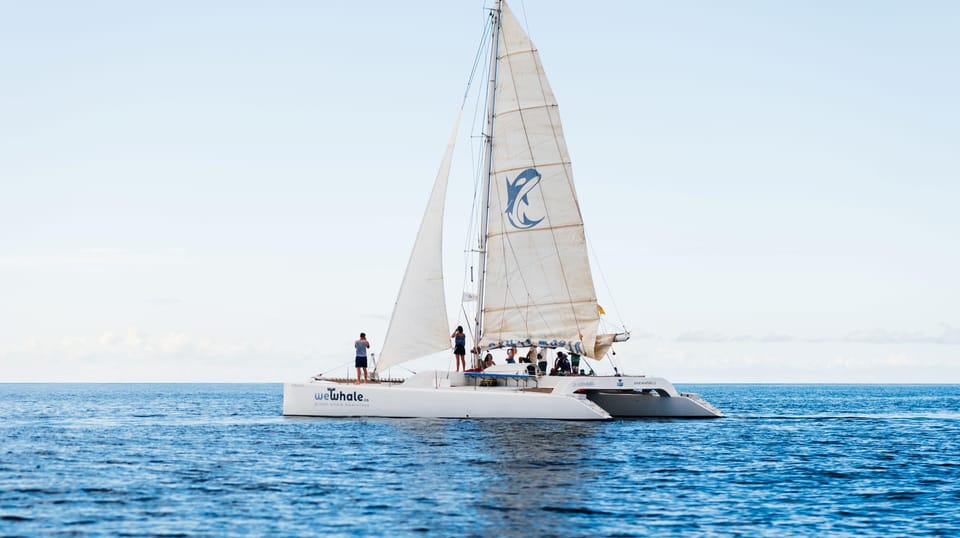
At $112 per person for a 4-hour outing, the value comes from what’s included and what’s avoided.
You’re paying for:
- A fully electric, emission-free catamaran (quiet ride + less disruption)
- An educational guide and hydrophone-based listening
- Complimentary onboard comfort: snacks, soda/pop, and fresh fruits
- A crew-led approach that focuses on animals, not crowds
If you’ve ever bought a wildlife cruise that nickel-and-dimed you for drinks or had a loud boat that made it hard to concentrate, this price starts to look more reasonable. You also get a small-boat feel that some people find more personal than larger wildlife excursions. That matters because better attention and fewer people often mean you notice more.
One more value point: the trip offers flexibility options. If plans shift, you won’t be stuck with an inflexible decision.
Overall, I’d call it a fair price for an eco-forward catamaran experience in Lanzarote, especially if you care about low-impact wildlife viewing.
Who should book this tour, and who should skip it
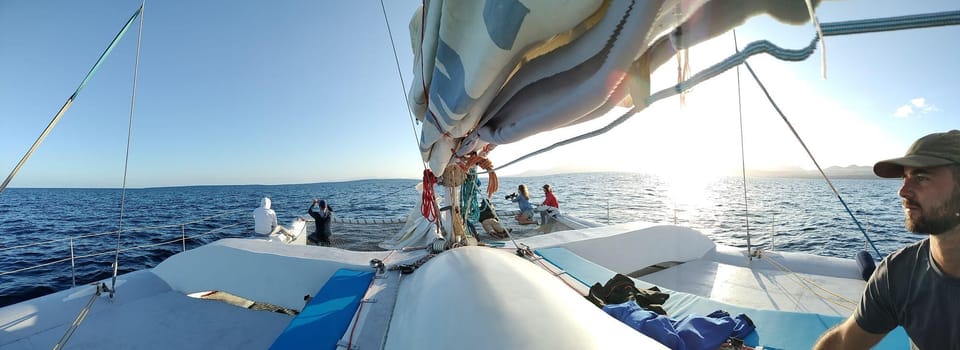
This is a strong match if you want:
- A responsible, educational whale and dolphin watch
- A quieter catamaran ride that feels closer to the water
- The extra bonus of hydrophone underwater sound
- Complimentary snacks and drinks so you can stay focused on the sea
It’s also a good fit if you prefer a more personal experience. Some departures are described as small-group, and that usually makes it easier to ask questions and get focused spotting help.
Skip it if:
- You need wheelchair access, since the tour is not suitable for wheelchair users
- You need a guaranteed whale sighting. Nature controls that part.
Final call: should you book the WeWhale Lanzarote electric catamaran?
If your goal is to watch whales and dolphins in a way that feels thoughtful, not disruptive, I think this tour is easy to recommend. The combo of electric propulsion, a hydrophone, and a crew that watches animal behavior with care gives you more than a checklist wildlife moment. You’ll come away understanding the ocean a bit better, and you’ll likely remember the sound of communication underwater long after the boat returns to port.
One caution: if you’re traveling in rough weather or mid-winter cloudiness, keep your expectations flexible. You may get mainly dolphin sightings, or you may see less. Still, the silent, emission-free ride and the onboard education can make the 4 hours feel worthwhile even when nature is quieter.
If you want a Lanzarote marine experience that’s modern, calm, and genuinely focused on the animals, book this one and plan your day around the open-water mood.
FAQ
How long is the Lanzarote whale and dolphin watching catamaran tour?
It lasts 4 hours.
Where do I meet the tour?
You meet at Puerto Calero, Dock F22.
What’s included in the ticket price?
Snacks, soda/pop, and fresh fruits are included.
What languages is the live guide offered in?
The tour guide speaks French, Spanish, and English.
Is the tour wheelchair accessible?
No. The tour is not suitable for wheelchair users.
What should I bring, and what’s not allowed on board?
Bring a hat and sunscreen. Smoking, alcohol and drugs, littering, and feeding animals are not allowed.