REVIEW · LANZAROTE
Lanzarote: 2 or 4 Hour Surf Lessons in Famara
Book on GetYourGuide →Operated by ZooPark Famara · Bookable on GetYourGuide
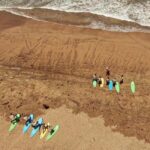
Catching waves in Famara is easier when someone else handles the details. I like that the lesson includes full gear (board, wetsuit, leash, and lycra), so you can show up and start learning fast. I also like the small-group setup, with instructors focused on technique and safety rather than just pushing you into the water. One thing to consider: food and drinks are not included, and there’s no mention of showers, so you’ll want to plan for a salty, chilly finish.
You’ll get a 2 or 4 hour session with transfers to the beach and coaching designed for both beginners and people working on their surfing. Expect a structured progression through paddling, board positioning, balance, turning, and wave riding, plus lessons on tides, winds, wave dynamics, and surf etiquette.
In This Review
- Key Things You’ll Notice Right Away
- Famara Surf Lesson Setup: Transfers, Gear, and Small-Group Coaching
- 2 vs 4 Hours: How Much Water Time You Likely Get
- The Skills Plan: Paddling, Balance, Turning, and Riding
- Safety on Real Waves: Tides, Wind, Etiquette, and Rules
- Who This Famara Lesson Fits Best
- Price and Value: Is Around $57 a Good Deal?
- What to Bring and Plan For (Since Food and Showers Aren’t Included)
- Should You Book the Lanzarote Famara Surf Lesson?
- FAQ
- How long is the surf lesson in Famara?
- What surf gear is included?
- Do I need to bring food or drinks?
- Are showers provided?
- What languages are the instructors?
- Can I cancel if my plans change?
Key Things You’ll Notice Right Away
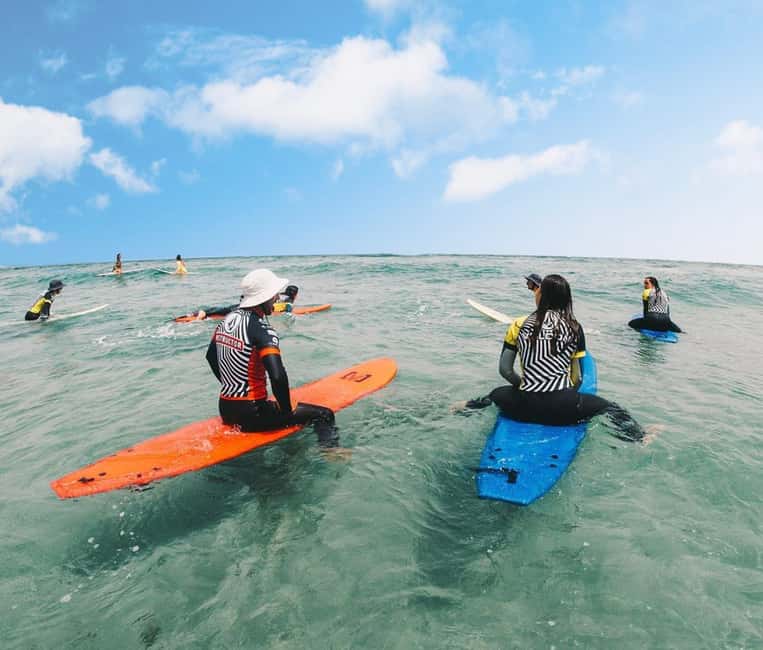
- Full surf gear included (board, leash, wetsuit, lycra), plus additional essentials like a strap for securing the board
- Small groups for real coaching time, not a one-size-fits-all lecture
- Transfers to the best spot for your level, so you spend less time searching and more time riding
- A skills sequence that builds logically: paddling → balance → turning → riding
- Safety and etiquette taught clearly, including how tides, winds, and wave behavior affect what you should do in the water
Famara Surf Lesson Setup: Transfers, Gear, and Small-Group Coaching
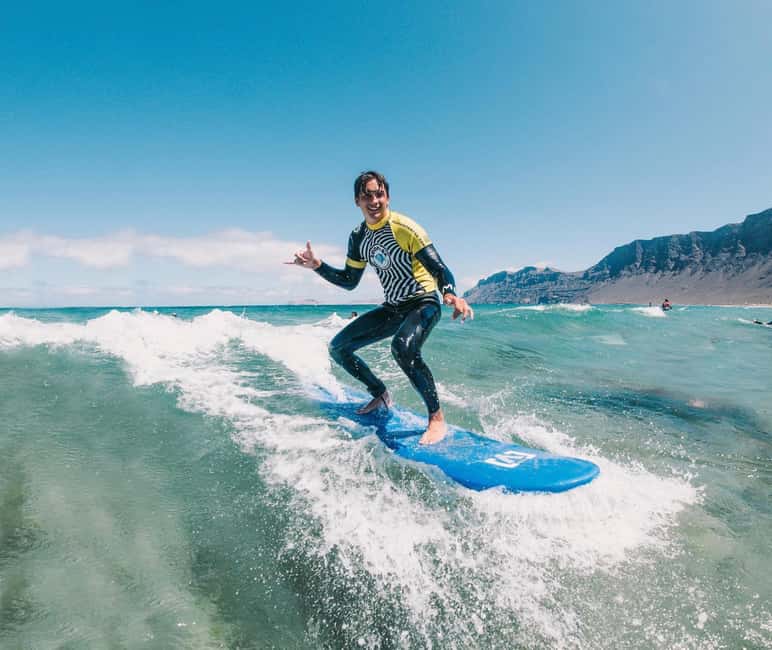
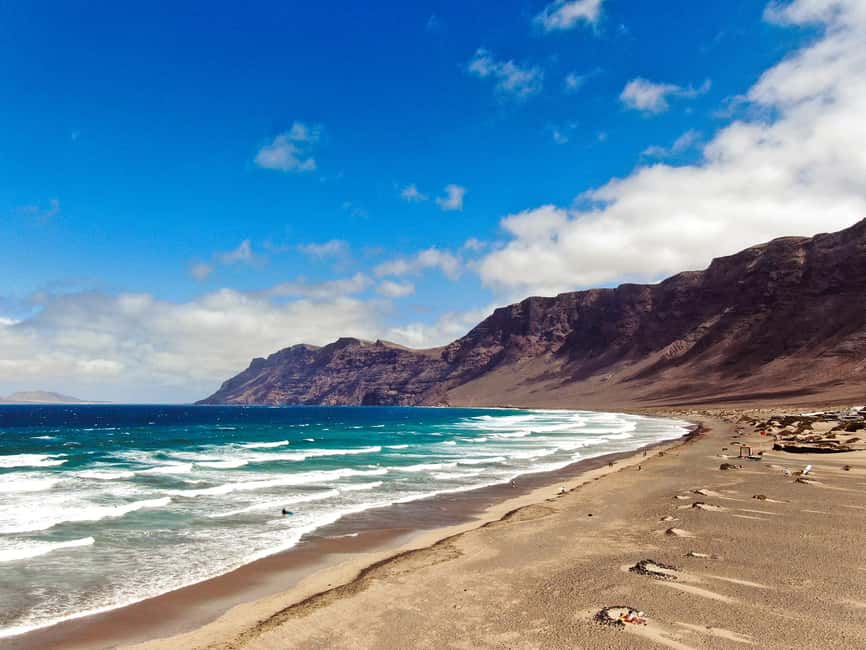
This surf lesson is run in Famara, one of Lanzarote’s most popular places to learn because the waves are varied enough for different levels. The operator is ZooPark Famara, and the big practical win is that you’re not stuck figuring out rentals or surf-board basics before you even get to the water.
Instead, the lesson includes the core equipment: your board, leash, wetsuit, and lycra. There’s also mention of the materials and essentials that make surfing easier for beginners, like using a strap system so your board stays connected while you move through wipeouts and remount attempts. In real terms, that means you can focus on learning movements rather than making do with the wrong fin setup, the wrong suit thickness, or gear that feels awkward.
You’ll also have transfers to the beach, and that matters more than it sounds. On Lanzarote, getting to the right surf location can be half the battle, especially if you’re new to the area. With a transfer planned, you can arrive with less stress and more energy for your lesson.
Finally, the small-group approach is built into the experience. That’s a serious advantage for learning. When there are fewer people, you get more direct feedback on paddling position, stance, and how you line up for waves. It also helps instructors manage safety and water etiquette more effectively, which is essential when the Atlantic is doing its thing.
You can also read our reviews of more tours and experiences in Lanzarote.


2 vs 4 Hours: How Much Water Time You Likely Get
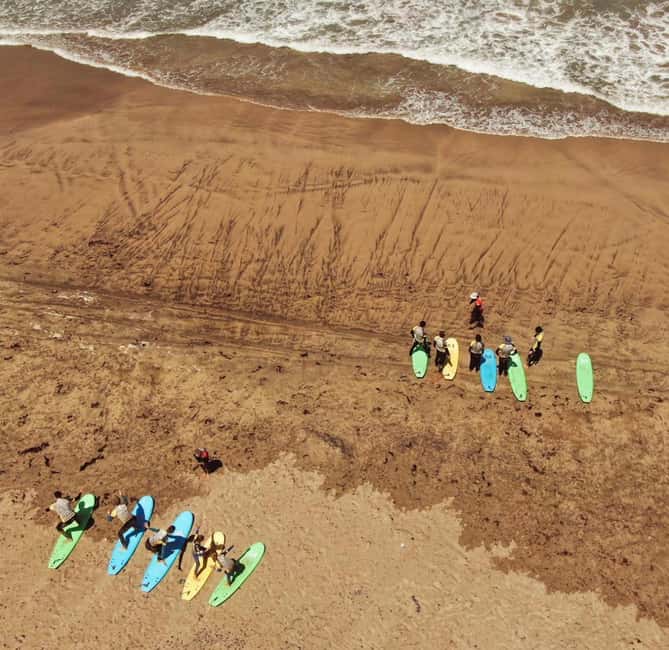
The lesson is offered in a 2 or 4 hour format. Your exact start time depends on availability, so it’s smart to check what times are running before you plan the rest of your day.
Here’s how I think about it as a value decision:
- If you’re a true beginner, a shorter session can be enough to learn the basics (how to paddle, where to place your board, and how to approach your first attempts).
- If you’re already up and want to improve turning or wave riding, the extra time usually helps because you’ll repeat the same skills and actually notice progress, instead of starting, struggling once, then calling it a day.
A 2 hour class often works best when you’re pairing it with sightseeing on Lanzarote or when you want to try surfing without committing half your daylight. The 4 hour option tends to be better if you know you’ll keep building questions once you’re out there—like what to do when the wind shifts or how to adjust when the waves change size.
In both durations, you’ll be taught the same categories of skills and safety concepts. The difference is how much practice time you can squeeze in before your brain (and your legs) tap out.
The Skills Plan: Paddling, Balance, Turning, and Riding
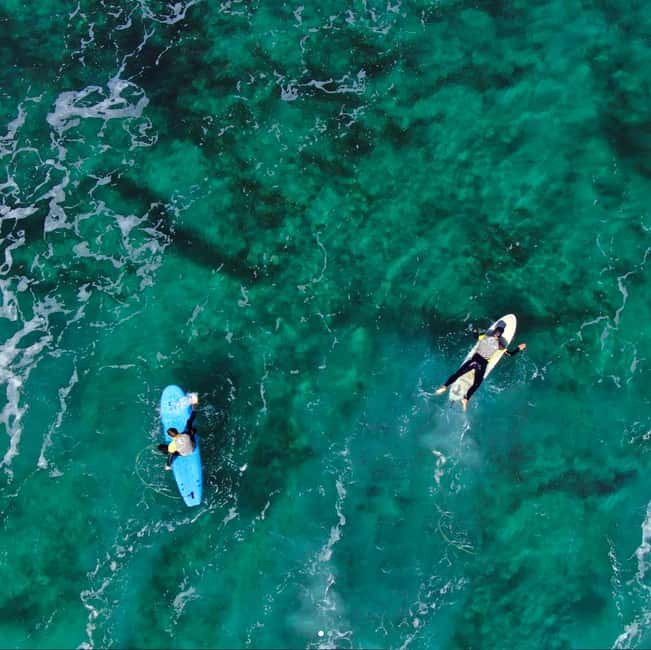
The lesson is structured around practical steps that match how surfing actually works. You’re not just learning a “stance” and hoping it fixes everything. Instead, the coaching targets the movements that control your position on the board and your timing with the waves.
You’ll learn:
- Paddling: how to move efficiently so you can get into position without burning out too early
- Board positioning and balance: how your body placement affects stability once you’re up
- Turning: how to change direction on the wave, which is what separates straight riding from real control
- Wave riding technique: how to link your actions to what the wave is doing
I like this approach because it respects the learning curve. Early on, surfing feels random—waves appear, you try, and then things happen. Coaching that breaks the wave process into pieces (paddle → set position → balance → turn → ride) gives you something concrete to work on each round.
Also, the lesson includes instruction that goes beyond movement. You’ll be taught how to interpret environmental conditions like tides, winds, and wave dynamics. That doesn’t mean you’ll become a meteorologist. It means you’ll understand why the waves behave the way they do at that moment, which can dramatically improve your results and confidence.
If you’ve ever felt like surfing success depends on luck, this is the part that helps it feel learnable.
Safety on Real Waves: Tides, Wind, Etiquette, and Rules
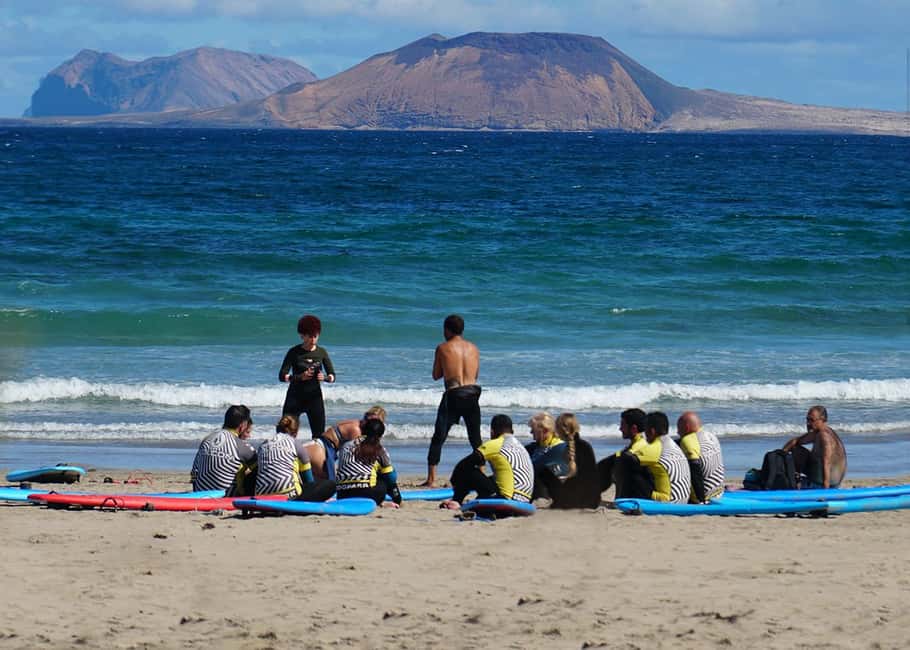
In surf lessons, safety is usually where the serious instructors show themselves. Here, you get direct instruction on safety regulations and surf etiquette in the water, plus environmental context that helps you make better decisions.
Specifically, you’ll learn about:
- Tides and how they affect water movement and wave timing
- Winds and how they shape wave quality
- Wave dynamics—what the wave is doing and how that influences your approach
- Surfing rules and etiquette so you’re not accidentally putting yourself or others at risk
This matters even for beginners. Your biggest risk in your first sessions isn’t some dramatic “bad luck” moment. It’s confusion—where to stand, when to paddle out, how to respect right-of-way, and what conditions mean you should adjust your plan.
Good safety training also makes the whole experience calmer. You’re more likely to relax once you understand what you’re looking for. And when you relax, you paddle better, balance better, and wipe out less dramatically. (You’ll still wipe out, because you’re learning. But you want wipeouts to teach, not terrify.)
Who This Famara Lesson Fits Best
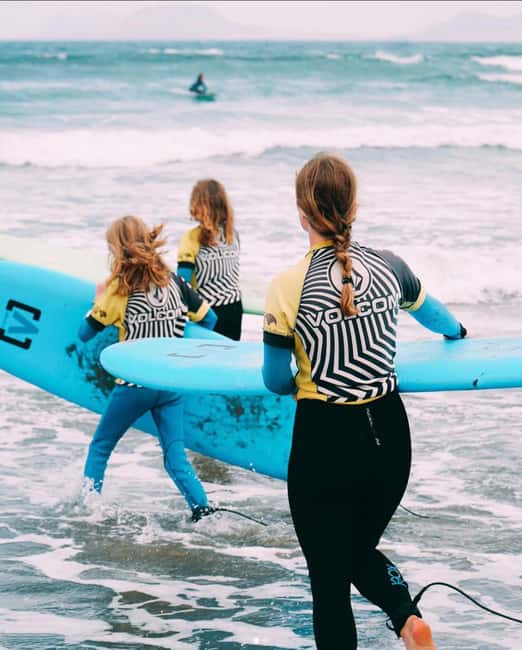
This surf class is aimed at all levels, including beginners and people trying to refine skills. So you don’t have to feel like you’ll be held back if you already can catch a wave sometimes, or pushed too fast if you’re brand-new.
It’s especially a good match if:
- You want an instructor-led plan that covers technique step-by-step
- You prefer small-group feedback over a crowded scene
- You’d rather learn safety and etiquette properly instead of winging it
- You want gear provided so you can travel lighter
A potential mismatch is when you’re expecting a purely scenic activity with lots of lounging. This is learning-focused, and it involves time in a wetsuit, getting on a board, and practicing. If you want a slow, relaxed beach hang, consider adding a separate beach break before or after.





Price and Value: Is Around $57 a Good Deal?
At $57 per person, the value comes down to what’s included and how much coaching you’re getting.
Here’s why this feels like solid value:
- Full gear is included: board, leash, wetsuit, and lycra
- That can easily cost extra if you have to rent equipment elsewhere.
- You get instruction on multiple fundamentals, not just one quick “try it” moment.
- Small-group coaching means you’re more likely to receive individualized feedback, which is where lessons turn into real improvement.
- Transfers to the beach help reduce logistics overhead, especially if you’re not already local to Famara.
The main cost/value tradeoff is time. If you’re choosing between 2 and 4 hours, think about how quickly you learn and how confident you feel in the water. If you’re very new, extra time can help you repeat the steps that are hard at first. If you already know basics, the shorter session might be the smarter use of your vacation hours.
What to Bring and Plan For (Since Food and Showers Aren’t Included)
The listing doesn’t include food and drinks, and it also doesn’t mention showers. So build your day around that.
A practical approach:
- Bring water and a snack plan if you’ll be out for the full lesson window.
- Pack a change of clothes for after your surf time. A dry shirt makes everything feel instantly more human.
- Expect you’ll get sandy and salty, so bring a small towel if you have one available.
- If you’re sensitive to cold after being in a wetsuit, plan for a warm layer when you’re done.
Also note the session is taught in Spanish and English, which is handy for mixed groups. If you’re more comfortable in one language, you can likely communicate your level quickly, and you’ll get clearer coaching faster.
Should You Book the Lanzarote Famara Surf Lesson?
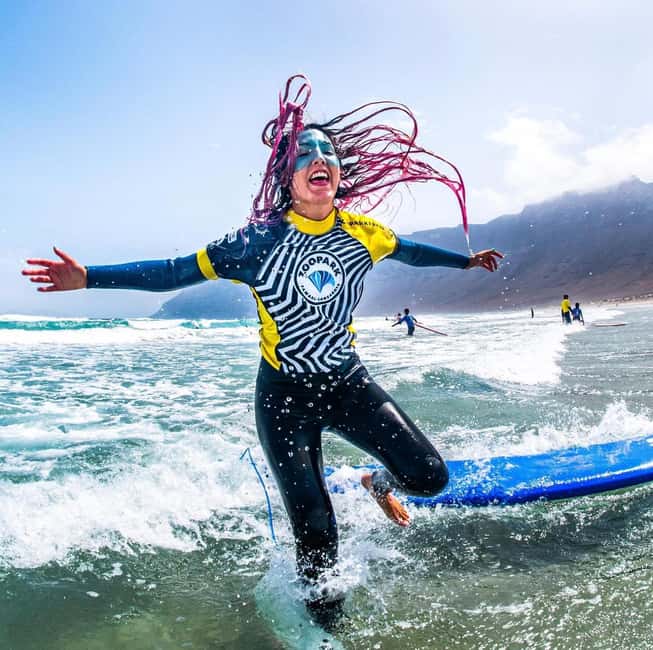
I’d book it if you want a straightforward way to learn surfing in Famara with gear handled for you, and with instructors teaching both technique and safety. The small-group coaching and the structured skill progression make this the kind of lesson that actually helps you improve, not just the kind where you spend most of your time figuring things out.
Choose the 4 hour option if you want more repetition and more chance to work on turning and wave riding. Choose 2 hours if you’re testing the waters, you’re short on time, or you’re planning to pair surfing with other Lanzarote stops.
One final reality check: this is active learning in the Atlantic. You’ll likely spend part of the lesson cold, getting splashed, and dealing with the basics. That’s normal. The payoff is when those instructions click and suddenly the board feels more like yours.
FAQ
How long is the surf lesson in Famara?
The lesson runs for 2 or 4 hours. Starting times vary, so you’ll need to check availability for the schedule.
What surf gear is included?
All equipment is included in the lesson, including a board, leash, wetsuit, and lycra. You’ll also use a strap as part of the equipment setup.
Do I need to bring food or drinks?
Food and drinks are not included, so plan to bring your own.
Are showers provided?
Showers are not included, so bring a plan for changing and freshening up afterward.
What languages are the instructors?
The instructor information lists Spanish and English.
Can I cancel if my plans change?
Yes, there’s free cancellation up to 24 hours in advance for a full refund.