REVIEW · SARDINIA
Guided hike to Cala Luna, the pearl of the Gulf of Orosei
Book on Viator →Operated by Jebel Sardinia · Bookable on Viator
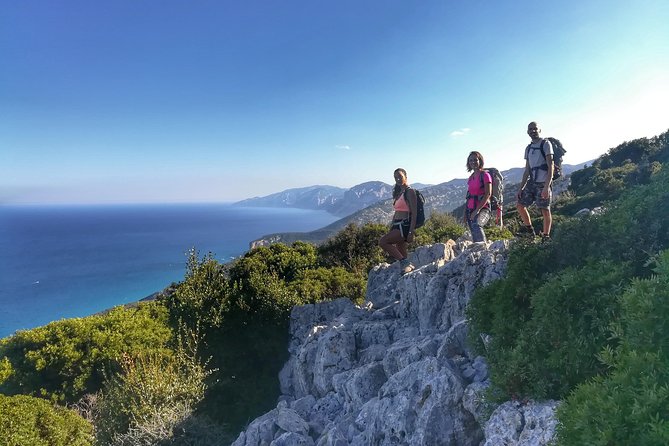
Cala Luna starts with a gorge walk. I love the guided route that keeps you from second-guessing the trail, and I love the Supramonte photo viewpoints that show up right as the scenery gets wilder. It is also one of those days where the hard work is the views, not paperwork.
The main drawback is the return hike: after beach time, you face a steep path back. If you prefer flat strolling, or if you have issues with low blood pressure, this is probably not your best match.
In This Review
- Key things to know before you go
- Cala Luna’s Route From Buchi Arta to the Sea
- Buchi Arta Shepherd Huts and the Juniper-Tree Descent
- Codula di Luna Canyon Views and the Dry River-Bed Walk
- Beach Time at Cala Luna: Lunch, Swim, and Photo Angles
- The Steep Return and the Boat Option to Cala Gonone
- English-Guided, Small-Group, and Transfers That Actually Help
- Price and What You’re Really Paying For
- FAQ
- FAQ
- What time does the hike start?
- How long is the trek to Cala Luna?
- Is the tour offered in English?
- What’s included in the price?
- Is lunch included?
- Can I add a boat ride instead of hiking back the same way?
- How big is the group?
- What happens if weather is bad?
- Should you book the Cala Luna guided hike?
Key things to know before you go
- Small group (max 15): easier pacing, less crowd stress, and more time to ask questions.
- Guides handle the route and transfers: you get picked up and taken from town to the trail area.
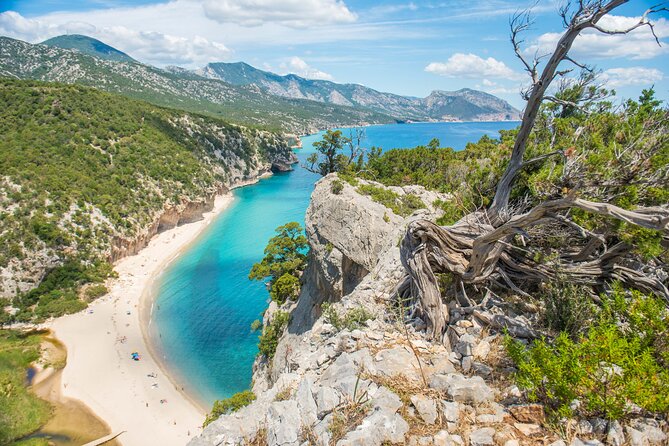
- Cala Luna is the payoff: you hike about 4.5 hours, then get time to swim and eat.
- Supramonte panoramas with natural landmarks: Buchi arta, juniper trees, Codula di Luna, and canyon views.
- Optional boat to Cala Gonone: trade some hiking for a Golfo di Orosei boat trip (boat ticket not included).
Cala Luna’s Route From Buchi Arta to the Sea
This hike is built around one simple promise: you start inland, you work your way through canyon terrain, and you finish at one of Sardinia’s most loved beaches. The magic is that you do not have to manage navigation. Your guide takes care of the flow from transfer to trek, so you can focus on the changing scenery.
The timing works well if you like a full morning. The start is 8:30am, and the trek itself is about 4.5 hours, with extra time built in for the beach stop and moving between points. The total experience can run around 5 to 10 hours, depending on how long you want on the sand and whether you add the boat option.
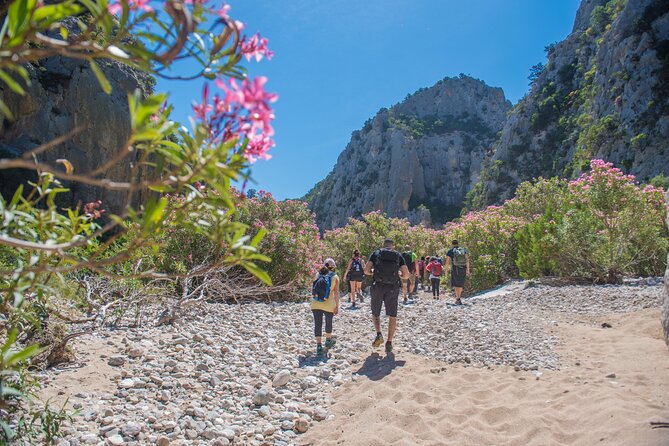
Also, this is not a “step off a bus and take a photo” outing. You’ll walk through a mix of scrub, canyon approaches, and rocky footing. That is why the guide matters: they set you on the right path and help you keep steady when the terrain gets demanding.
One more reason I like this format: you get the best of both worlds. You get the rugged walk through the Supramonte area, and then you get an actual beach break that feels earned, not rushed.
You can also read our reviews of more tours and experiences in Sardinia.


Buchi Arta Shepherd Huts and the Juniper-Tree Descent
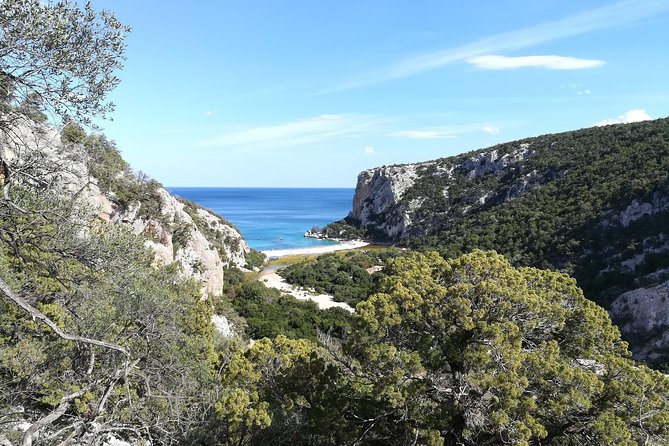
You begin at the area called Buchi arta, where you’ll see old shepherd huts. It’s a small start, but it sets the tone. This is not just a beach run. You’re moving through a pastoral world that shaped Sardinia’s countryside, and you can feel that shift as the trail begins to drop.
From there, the route descends a gorge walking by giant old juniper trees. That detail matters for two reasons. First, it makes the walk feel specific and local, not generic. Second, it helps you understand the terrain: this is a place shaped by dry seasons and rocky channels, where the vegetation has adapted to survive.
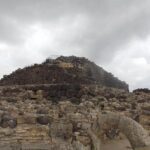
As you go, you’ll pass through Mediterranean scrub, and the path periodically opens up to panoramas over the Supramonte. In plain terms, you get those “stop and look” moments without needing to plan your own side trips. The guide keeps you moving, but you still get pauses along the way.
This is also where good shoes matter most. The path can be rocky, and the walk includes downhill sections. Wear high-cut hiking boots if you have them. It’s a small comfort that helps a lot when your ankles and shins take the hit on uneven ground.
Codula di Luna Canyon Views and the Dry River-Bed Walk
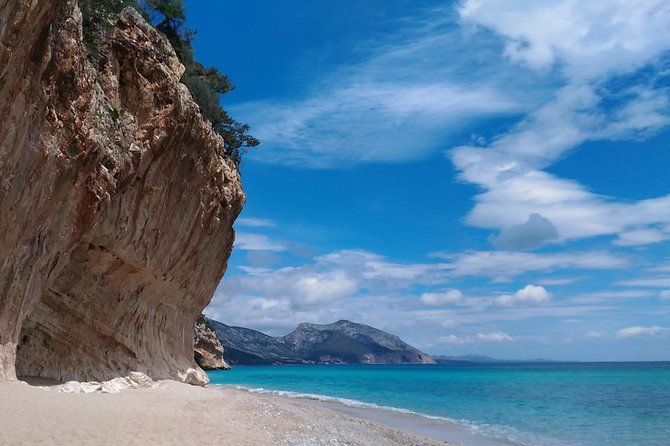
After the gorge approach, you’ll reach a wide canyon area called Codula di Luna. This is one of those natural bottlenecks where you feel the scale of the terrain. You’re not in a paved trail corridor. You’re walking a channel-like route that gives you big views as the day goes on.
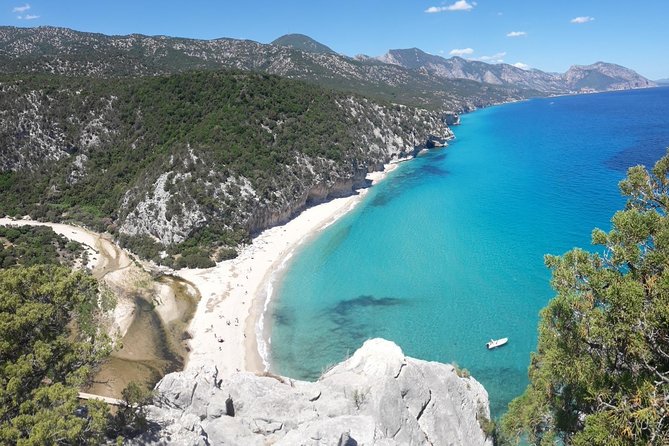
From Codula di Luna, the trail follows a dry river bed until you arrive at Cala Luna. That dry-bed stretch is worth mentally preparing for. It often means uneven footing, loose stones, and a surface that can look stable until you step on a tricky rock.
If you’re a photography fan, this section is prime time. The canyon lines and the changing light can give you strong compositions even without fancy equipment. You will likely want your camera ready, because once you see the canyon open up, you’ll want to keep capturing it as the route funnels toward the sea.
The guide’s job here is more than interpretation. They help you move with the right pace so you do not burn energy too early. That matters because the beach time later is the reward, and you want enough legs left to enjoy it.
Beach Time at Cala Luna: Lunch, Swim, and Photo Angles
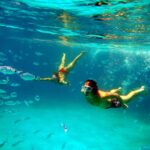
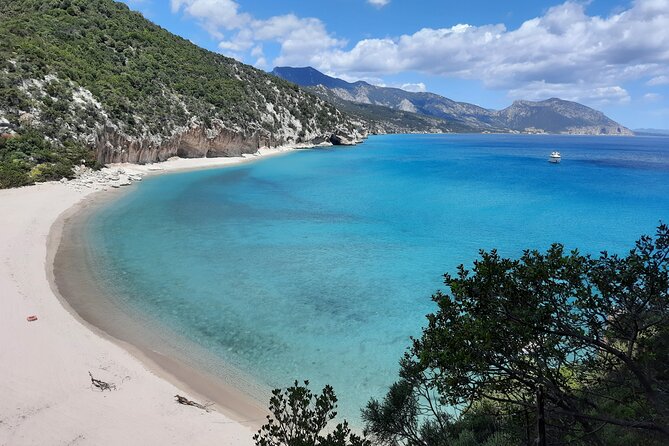
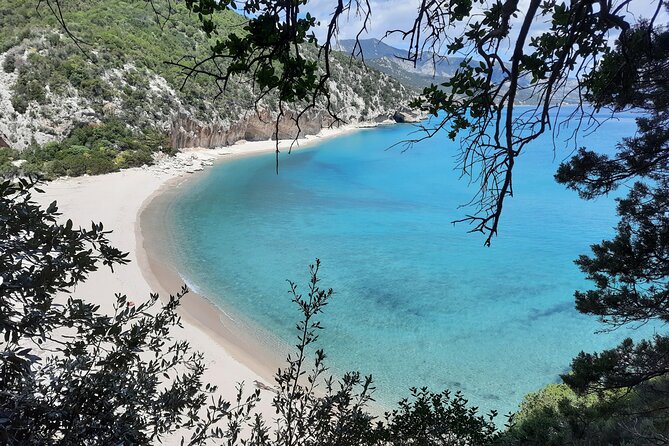
Then comes the moment you planned for: Cala Luna. It’s known for its beauty, and once you arrive, you’ll understand why people talk about this beach like it is a highlight of Sardinia. The water is described as crystal-clear, and the beach setting is the final payoff after the rugged trek.
You’ll have time for lunch and a refreshing swim. Here’s the practical part: food and drinks are not included, and lunch is also not included. So plan how you’ll handle meals. You can bring what you need, or you might buy something on-site depending on what’s available when you arrive. Either way, don’t assume lunch is part of the price.
This is also where your earlier walking choices pay off. Because you worked your way down, the beach break feels earned. And because it is not a full-day city tour, you’re not constantly “on schedule.” You can actually slow down.
If you care about photos, you’ll usually get better results when you pay attention to the light at different angles. Morning shade and later sun can change how the water and cliffs look. Use the time to enjoy the view, but also to grab the pictures you actually want, not just quick snaps.
The Steep Return and the Boat Option to Cala Gonone
After beach time, you start the climb back. This is the tougher part: the route back includes a steep path, which is why the tour is best for people with moderate physical fitness.
Think of it like this: the hike is not just “walk there and walk back.” The return is a workout. Your legs may feel it most after the beach, when you’ve relaxed and then have to stand back up and go.
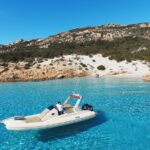
There is a smart workaround for people who want more sand time without paying for it with extra steep climbing: you can choose to add a boat trip to the harbor of Cala Gonone. This comes with a nice trip in the Golfo di Orosei, and the hike back becomes less tiring. The boat option is about 8 hours in total, but the boat ticket cost is not included, so you’ll pay that separately if you choose it.
One practical tip: if you’re unsure about the return climb, decide before you get too relaxed on the beach. The boat add-on can change your whole energy plan for the day.
Also, if you’re photographing, consider how the boat might affect your timing and shot list. You might trade a section of hiking views for sea-level angles and a different perspective of the coastline.
English-Guided, Small-Group, and Transfers That Actually Help
This is one of those tours that feels easier than it should, thanks to logistics that are built in. Your experience includes guided touring with a local and professional guide, plus transport from/to town. If you pick the option, you also get hotel pickup and drop-off. There is also port pickup, which ties in nicely if you add the boat segment.
In terms of language, the tour is offered in English, and it may run with a multi-lingual guide. For most people, English is the sweet spot: you get explanations as you walk, without needing to follow complicated instructions.
The group size is capped at 15 travelers. That small limit makes a difference. You can ask questions without waiting, and the guide can manage pacing without stringing you out too far. It also helps with safety on rocky terrain, especially for people who are not used to uneven footing.
One standout from real guidance style: the guides have a reputation for being attentive and patient. Sergio is specifically mentioned as excellent—knowledgeable, attentive, and also a skilled driver. That matters because you’ll be spending time in the car transfer before and after your walk, and calm, competent driving reduces stress when you’re starting early.
Finally, you get a mobile ticket, and you should receive confirmation within 48 hours of booking, subject to availability. The activity is also popular enough that it’s commonly booked well in advance (on average, about 87 days). If you’re going in peak summer weeks, book earlier rather than later.
Price and What You’re Really Paying For
At $72.56 per person, this hike is not a bargain in the “cheapest option” sense. But it is also not just you paying to be near a beach. You’re paying for several things that are hard to DIY:
- A guided route through a specific canyon and dry river-bed approach
- Transfers from town (and hotel pickup/drop-off if selected)
- Port pickup for people choosing the boat add-on
- The benefit of someone local explaining what you’re seeing
When you add it up, the cost starts to make sense as value. The guides and transfers reduce the friction that can turn a beautiful day into a stressful one. And with a small group size, you also get a more personal experience than the big bus-and-travel poster tours.
Where you might save money is the lunch and drinks side: those are not included. If you bring food or plan what you’ll purchase, you control that cost.
I also like that the tour runs in all weather conditions, but the experience still depends on good weather overall. If it’s canceled due to poor weather, you’ll be offered a different date or a full refund. Translation: you get flexibility, but you’re not guaranteed to do it no matter what Mother Nature says.
Who should consider this? People who want:
- a guided hike that ends at a real beach,
- photography-friendly viewpoints over the Supramonte, and
- a day that combines effort with downtime.
Who should maybe skip it? People who:
- need totally flat walking (because the return climb is steep),
- have low blood pressure issues (not recommended), or
- want food included (it is not).
FAQ
FAQ
What time does the hike start?
The start time is 8:30am.
How long is the trek to Cala Luna?
The trekking time is around 4.5 hours. The full experience can run about 5 to 10 hours depending on the day.
Is the tour offered in English?
Yes, the tour is offered in English. It may also be operated by a multi-lingual guide.
What’s included in the price?
You get a guided tour with a local guide and a professional guide, transport from/to town, hotel pickup and drop-off if you select that option, and port pickup.
Is lunch included?
No. Food and drinks are not included, so you’ll need to plan for lunch separately.
Can I add a boat ride instead of hiking back the same way?
Yes. There is an optional boat trip to the harbor of Cala Gonone that includes a trip in the Golfo di Orosei. The boat ticket cost is not included.
How big is the group?
There is a maximum of 15 travelers.
What happens if weather is bad?
The experience requires good weather. If it’s canceled due to poor weather, you’ll be offered a different date or a full refund.
Should you book the Cala Luna guided hike?
If you want a guided route that gets you to Cala Luna without the stress of navigation, this is a smart booking. The small group size, English guidance, and transfer support make the day smoother than DIY. Just go in expecting the return climb to feel steep, and bring proper footwear—high-cut hiking boots are a great idea on rocky sections. If the steep return sounds like a dealbreaker, consider the boat option so you can enjoy more beach time with less strain.