REVIEW · FAIAL ISLAND
Horta: University Startup Whale and Dolphin RIB Boat Trip
Book on GetYourGuide →Operated by NATURALIST - SCIENCE & TOURISM · Bookable on GetYourGuide
Sperm whales feel like a wild secret. On this Horta RIB trip, you go from land spotting to close-up marine watching around Faial and Pico, with a university scientist onboard to explain what you’re seeing as it happens.
I love the science angle. A marine researcher/Biologist from the University of Lisbon is on the boat, collecting data and giving up-to-date context on the local cetaceans and seabirds. I also like the crew’s practical approach: whale spotters help find animals first, so you’re not just gambling at sea for hours.
One heads-up: this is a semi-rigid RIB on real Atlantic water. The ride can be choppy and you may get wet, so it’s not a great fit if you have back issues or if you’re pregnant.
In This Review
- Key things I’d put on your radar
- Why Horta (Faial) is built for whale watching
- RIB boat setup: what 3 hours on a 16-passenger semi-rigid feels like
- Meeting Naturalist at the marina: the first 10 minutes matter
- The on-water rhythm: photo stop, guided watching, and where the time goes
- Species chances you can actually use (sperm whales to seabirds)
- Beyond whales: turtles, sharks, and the food-web you’re riding
- The science part: what a University researcher adds to your day
- Price and value: is $101 for 3 hours worth it
- Logistics that actually affect your comfort
- Who this Horta whale-and-dolphin trip suits best
- Should you book this whale and dolphin RIB trip from Horta?
- FAQ
- How long is the Horta whale and dolphin RIB trip?
- What time do departures usually start?
- What kinds of animals can you see on this trip?
- Is there a researcher on board?
- What should I wear or bring?
- What happens if the weather is bad?
Key things I’d put on your radar
- University of Lisbon scientist onboard: you get live biology talk, not a generic script
- Small RIB size (16 pax): easier spotting and a more personal feel than big boats
- 2 to 3 cetacean species usually: you’re set up for real variety, not just one whale blow
- Season + resident mix: sperm whales year-round; blue and fin more in spring
- Wildlife beyond whales: turtles, sharks, flying fish, squid, octopus, and seabirds
- Weather can shift plans: trips may be rescheduled, and full refund happens if it’s canceled
Why Horta (Faial) is built for whale watching
If you’re choosing whale watching in the Azores, Horta is a smart base. This region sits in a mixing zone of currents that brings food and animals close to the islands. The result is a strong chance of seeing multiple species instead of a one-hit wonder.
What matters most for you is what the boat actually does with that location. The operation works with whale spotters from land, so the team is searching with local eyes before you ever hit the water. That changes the vibe. You spend less time scanning aimlessly and more time watching behavior once they’ve found something worth chasing.
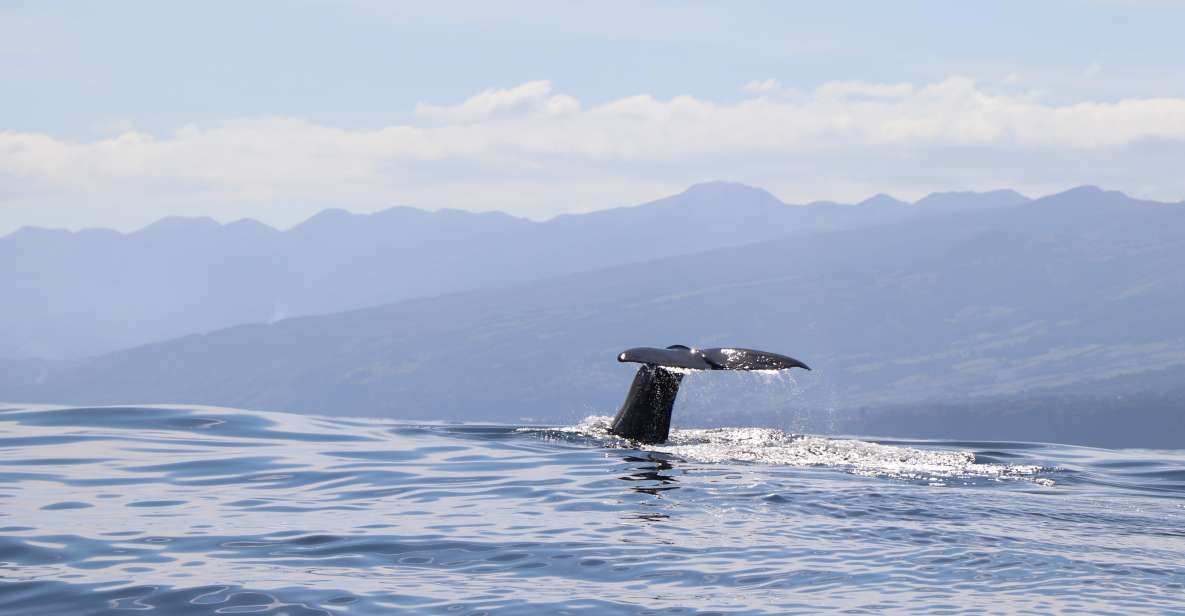
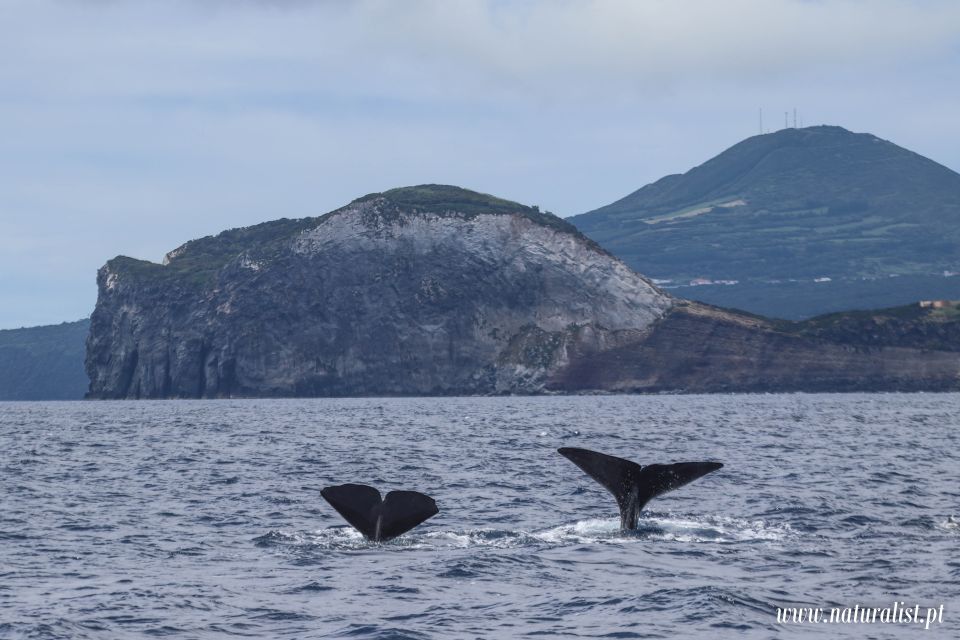
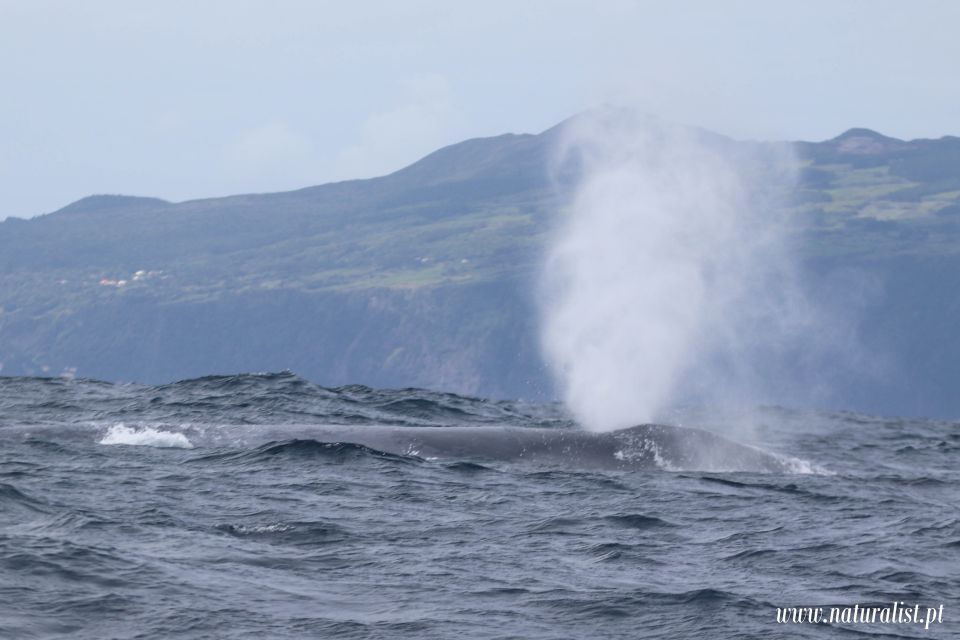
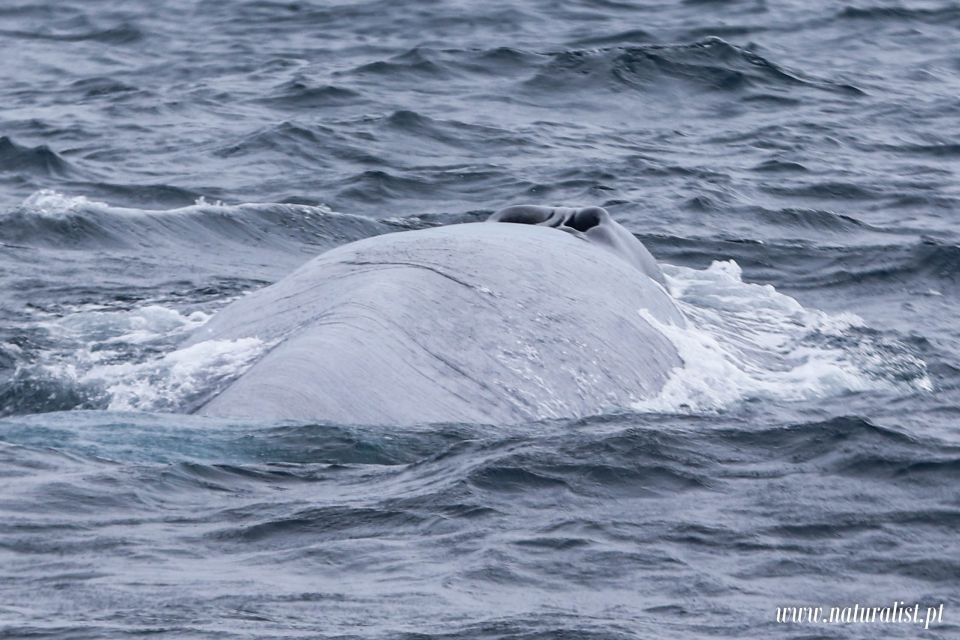
And the animal roster here is the big draw. You could see resident sperm whales all year long, plus migratory visitors like blue and fin whales in spring, and other species that may show up in warmer months. Dolphins are also a major part of the experience, with several resident types in the mix.
You can also read our reviews of more tours and experiences in Faial Island.


RIB boat setup: what 3 hours on a 16-passenger semi-rigid feels like
You’re on a semi-rigid RIB, built for speed and maneuvering. That’s great for wildlife viewing because it helps the captain position the boat quickly and safely when animals surface. It also means you’re closer to the water and more exposed to spray.
A few practical things to plan around:
- Expect a choppy ride sometimes, depending on wind and waves.
- Front-row seating can mean more water on you. One group noted they got quite wet during rougher moments.
- Waterproof clothes are included, which helps a lot. Still, bring waterproof shoes or shoes that dry fast.
This format is ideal if you’re the type who doesn’t mind getting a little salt on your face. If you prefer smooth and dry, you might find a RIB less comfortable than a larger, slower boat.
Meeting Naturalist at the marina: the first 10 minutes matter
Your trip starts at Naturalist – Science & Tourism Whale Watching in the marina area. Arrive about 15 minutes early so you’re not rushing through check-in right at departure time.
Once aboard, you get a short safety briefing (around 10 minutes). This matters more than people think. In a fast RIB, quick safety routines keep the whole group moving smoothly during sudden changes on the water.
Then the fun starts: guided wildlife spotting with a strong focus on marine life. The early part of the trip is also where you learn the basics you’ll need later—how to read behavior, and why certain surfaces and movements are more meaningful than others.
The on-water rhythm: photo stop, guided watching, and where the time goes
The middle section is structured to keep you active and looking in the right places. Here’s the flow you should expect:
- A photo stop to set the scene and help you get your bearings.
- Guided tour and marine life viewing as you travel and search.
- Dolphin watching and wildlife viewing while the crew scans.
- Whale watching as sightings happen and the boat positions for best viewing.
A typical whale-viewing window is described as about 30 minutes within the overall 3-hour trip. In real life, that time stretches or shrinks depending on where animals are moving. The key point: this isn’t a slow sightseeing cruise where you mostly hope. It’s a coordinated search-and-position operation.
One thing I really like is that the experience doesn’t treat whales as a trophy. The guide and scientists focus on behavior and species differences. That makes the spotting feel smarter, not luck-based.
Species chances you can actually use (sperm whales to seabirds)
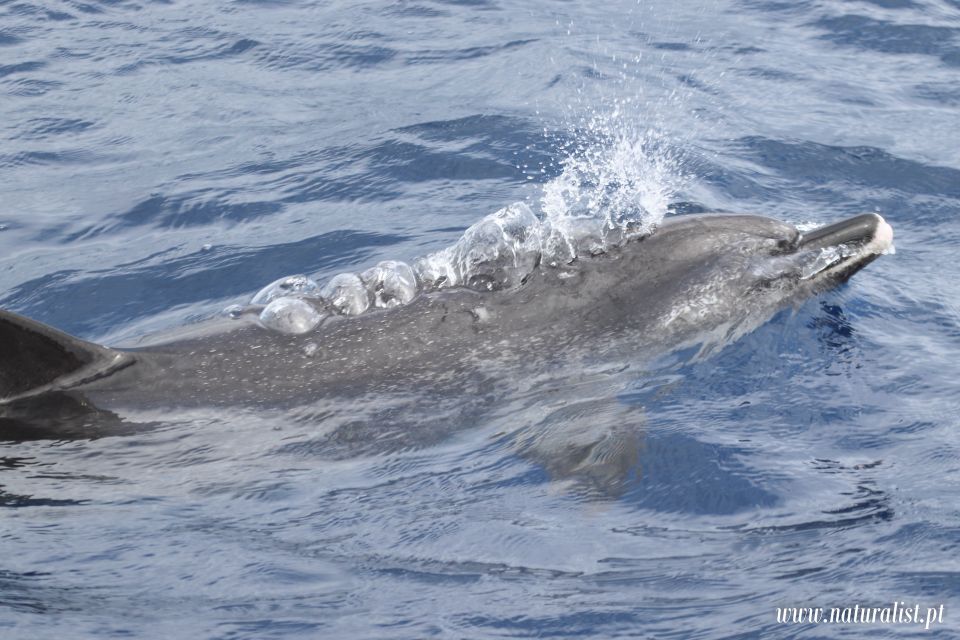
This area is known for a wide range of cetaceans—over 25 species are described as occurring in the region. You don’t usually see all of them on one outing. The promise is more useful: normally you’ll observe 2 to 3 different cetacean species per tour.
Here’s how that translates into realistic expectations for you:
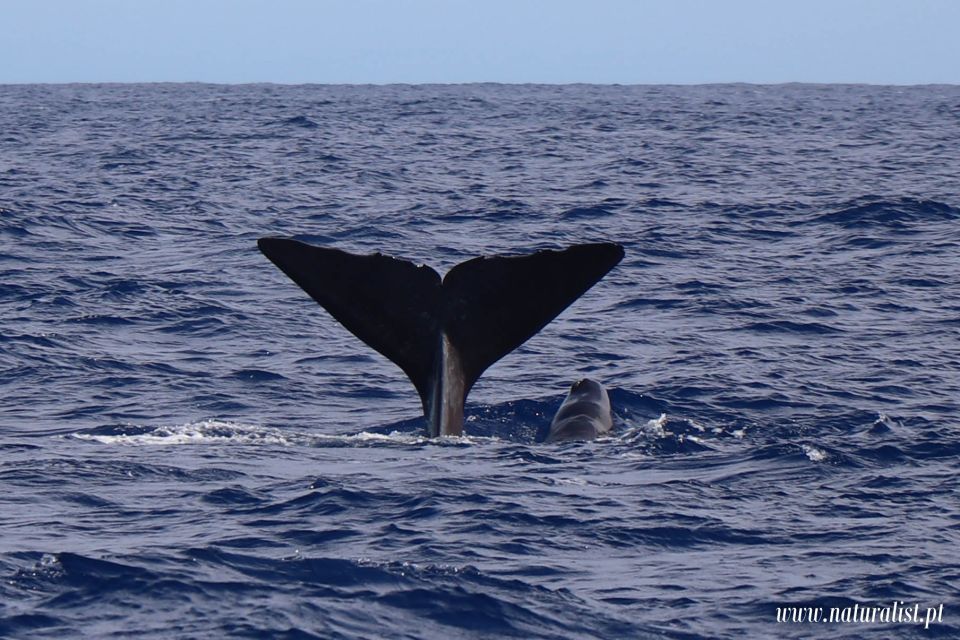
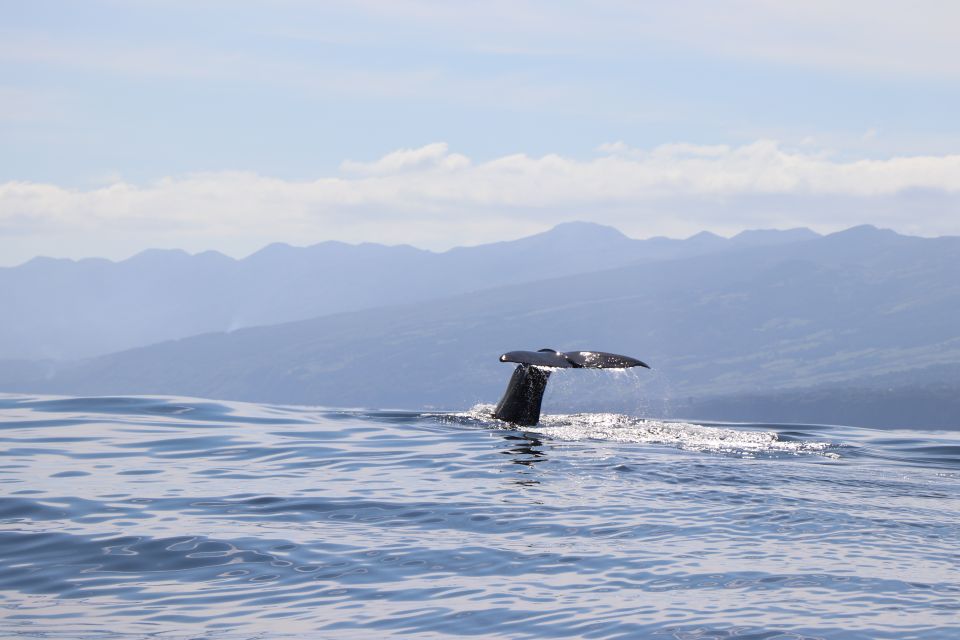
- Sperm whales: year-round resident. If you’re traveling in any season, you’re not locked into a narrow viewing window.
- Blue and fin whales: more likely in spring.
- Bryde and sei whales: can occur also in summer, depending on conditions.
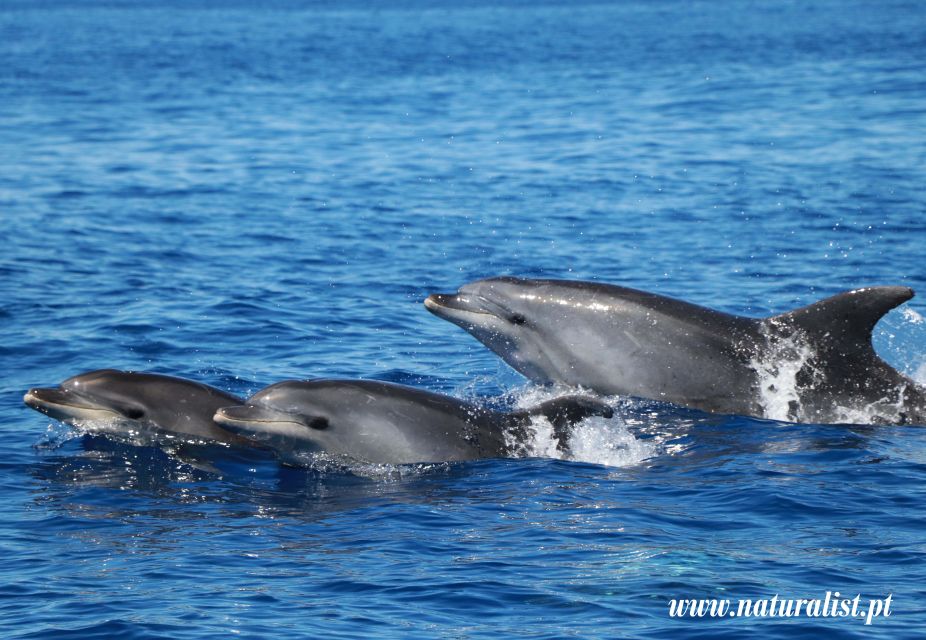
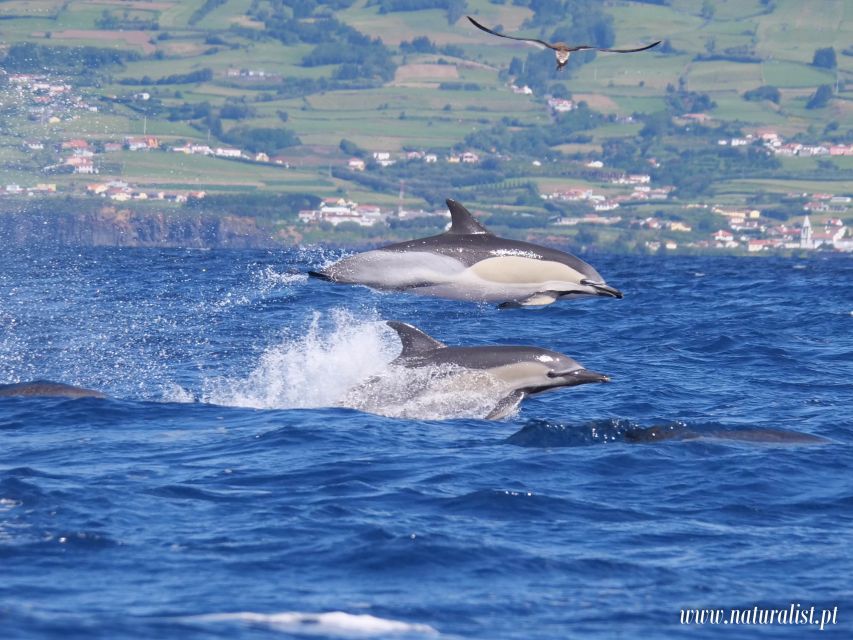
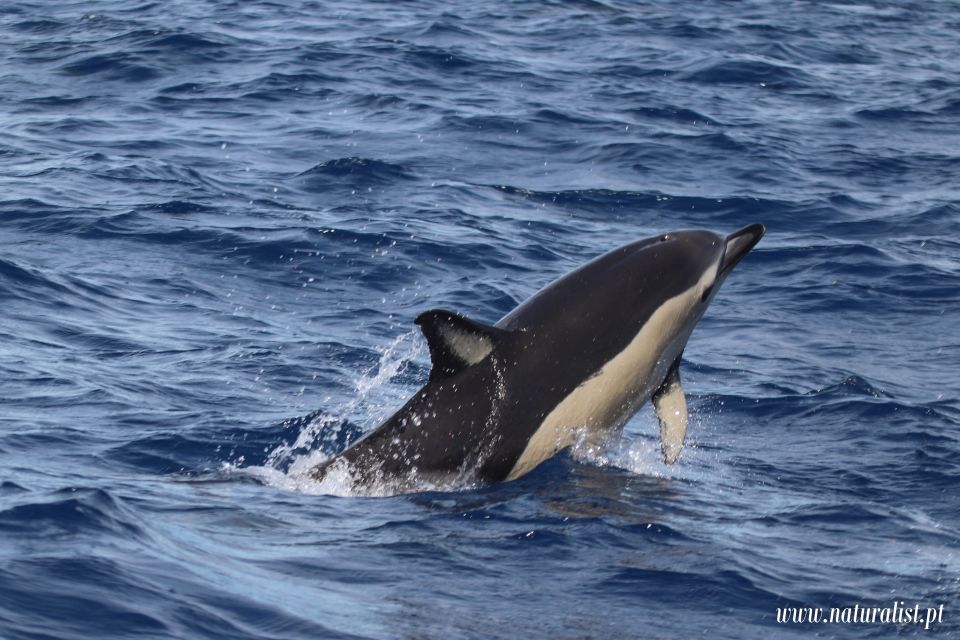
- Dolphins: multiple species are possible, with some resident and some migratory. That means you might see quick bursts of activity even if whales are harder to pin down.
What makes this valuable is that you’ll get names, context, and behavior cues while you’re still on the water. For example, one past group highlighted seeing several species together—sperm, sei, and humpback were reported on one outing—plus dolphins in large numbers.
Also, know that not every trip is a perfect match. One booking rated the experience highly but noted they didn’t see whales on that specific outing. That’s the nature of open ocean watching. The takeaway is to go in with flexible expectations and a willingness to keep watching while the crew relocates.

Beyond whales: turtles, sharks, and the food-web you’re riding
If your goal is pure wildlife variety, this trip has more going on than big mammals at the surface.
From the region’s known possibilities, you could spot:
- Loggerhead and green turtles (live in the Azores)
- Leatherback and kemp’s ridley as possible too
- Flying fish, squid, and octopus
- Hammerhead and blue sharks, plus sunfish
- And a lot of bird life
One reason this matters: seabirds often act like a live radar system. When shearwaters or terns are feeding, it can hint that fish are up—and whales and dolphins usually follow the food.
Birdwatching is also part of the deal. You might see corys, great and manx shearwaters, and common and roseate terns. Even if you focus on whales, don’t ignore the sky. It often speeds up your understanding of why animals are where they are.
The science part: what a University researcher adds to your day
A big part of the appeal here is that it’s not just look-and-go. A marine biologist/researcher from the University of Lisbon is onboard to collect data and explain what’s happening.
You’ll get real-time interpretation: what the species are doing, how they fit into the local ecosystem, and why the Azores can show different combinations of whales and dolphins. That’s a different experience from a boat where the narration stops the moment the animals appear.
In one example, a marine biologist named Anna was praised for being excellent and very informative. Another group mentioned Cristiana, including that both biologists contributed—one with detailed information and the other helping with photos afterward (complimentary in that case).
That kind of effort turns a 3-hour outing into something you remember more clearly, because you understand the animal behaviors you’re actually witnessing.
Price and value: is $101 for 3 hours worth it
At $101 per person for a 3-hour RIB trip, you’re paying for two things: time on the water and professional spotting with science added.
Here’s what you get that protects your value:
- A marine researcher onboard (not just a guide)
- A briefing about cetaceans and marine biodiversity
- Waterproof clothes provided
- Safety insurance
- A guided experience running in multiple languages (English and Portuguese are available; Spanish too)
What you don’t get: food and drinks. So plan to bring snacks if you need them before/after, or plan a proper bite in Horta/Pico before or after your trip.
Also, one group reported a finish with hot tea and lemon cookies, which is a nice bonus if it happens on your date. Since it isn’t stated as standard in the core inclusions, think of it as a pleasant possibility, not a guaranteed meal.
When whale watching is done well, you’re paying to reduce your uncertainty. This operation tries to do that with land spotters, a scientist onboard, and a boat built for positioning.
Logistics that actually affect your comfort
A few practical items can make your day smoother:
- Departure times: there are morning and afternoon departures, with morning at 09h00 and afternoon at 14h00.
- Trip length: average 3 hours.
- Languages: English and Portuguese are available, and Spanish is also offered.
- What to wear: waterproof gear is provided, but bring quick-dry layers and waterproof shoes.
- Who should avoid it: children under 5, people with back problems, and pregnant women are not recommended for this semi-rigid boat.
One more comfort note: even with gear, you can still get wet when waves hit the boat. If you hate being cold or damp, dress like you expect spray—because sometimes you’ll get it.
Who this Horta whale-and-dolphin trip suits best
You’ll love this if:
- You want close-up wildlife viewing in a real working sea environment.
- You care about species ID and behavior, not just spotting something big.
- You enjoy a guided format where the scientist helps you connect dots quickly.
- You’re open to a RIB ride and can handle a bit of Atlantic motion.
You might think twice if:
- You’re sensitive to motion or get seasick easily.
- You have recent surgery, back issues, or you’re pregnant (the trip is not recommended).
- You’re traveling with very small children (not suitable under 5).
Should you book this whale and dolphin RIB trip from Horta?
If you’re choosing one whale watching outing and you want a blend of wildlife, science, and smart spotting, I’d say yes—book it. The combination of land spotters, a University of Lisbon researcher onboard, and a fast RIB built for positioning gives you a strong shot at seeing multiple cetacean species in one 3-hour window.
Just go in with the ocean in your head: weather can affect the ride, and wildlife doesn’t show up on schedules. If you can accept that, you’ll get a day that feels more like fieldwork meets adventure than a standard sightseeing loop.
FAQ
How long is the Horta whale and dolphin RIB trip?
The tour runs for an average of 3 hours.
What time do departures usually start?
There are morning departures at 09h00 and afternoon departures at 14h00.
What kinds of animals can you see on this trip?
The region can include resident sperm whales year-round, blue and fin whales (more in spring), and dolphins including bottlenose, risso, and common. You might also see turtles, seabirds, flying fish, squid, octopus, sharks, and sunfish.
Is there a researcher on board?
Yes. A marine researcher/Biologist from the University of Lisbon and Azores is on board to collect data and provide information during the trip.
What should I wear or bring?
Waterproof clothes are included. You should still plan for a wet ride at times, and bring waterproof shoes or shoes that dry quickly afterward.
What happens if the weather is bad?
Trips depend on weather conditions and can be rescheduled. If the trip is canceled, you get a full refund.