REVIEW · SICILY
Hike near the summit craters up to the maximum safe altitude currently foreseen
Book on Viator →Operated by Guide Vulcanologiche Etna Nord · Bookable on Viator
A volcano summit hike sounds hardcore, but this one is smart and regulated. You start high, walk across real lava terrain, and aim for the maximum allowed altitude at Etna’s most active cone, the South-East Crater. I love how the day is structured around safety limits without turning the experience into a short sightseeing stop.
Two things I really like: the authorized vulcanological guide who explains what you’re seeing as you hike, and the fact that the route is designed to keep you above 2,500 m for big, consistent crater views. One drawback to plan for: the hike sits at high altitude and the terrain can be uneven, so you’ll want solid fitness and no hesitation about cold air and volcanic ground.
In This Review
- Key Points That Matter Before You Go
- Mount Etna’s 3,000 m Goal: What This Tour Really Delivers
- Nicolosi Start at 8:30: Timing, Meeting Point, and How the Day Flows
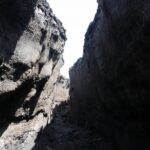
- From 2,500 m to 3,000 m: Walking Real Lava Terrain (Not a Gentle Nature Walk)
- Crater Views at the South-East Cone: How They Keep It Safe
- The Descent: The Part People Underestimate
- What’s Included (and What You Still Need to Bring)
- Price and Value: Paying for a Guided, Regulated Summit Experience
- Who This Hike Suits (and Who Should Think Twice)
- Quick Reality Check: Weather, Gear, and the Altitude Feeling
- Should You Book This Etna Summit Hike?
- FAQ
- What altitude does this hike reach?
- How long is the tour and how far do you walk?
- Is the cable car included in the price?
- What time does the tour start and where do we meet?
- What gear is provided?
- Is the tour offered in English?
- What if volcanic or weather conditions change?
- Can I wear contact lenses?
Key Points That Matter Before You Go

- Max safe altitude (3,000 m): the route targets the summit limit set by current ordinances.
- Regulated crater access: you see the South-East Crater from the allowed safe zone; entry to the cone can be closed for heat or instability.
- Small group pace (up to 15): easier listening, calmer movement, and more practical guidance on the trail.
- Everything geared for the hike: helmets, warm jacket, trekking poles, extra socks, and even a spare backpack.
- You walk both ways: descent is on foot, so the day feels like a true hike, not a quick round trip.
- Build-in weather/volcano flexibility: if conditions change, the itinerary can adjust to keep you safe.
Mount Etna’s 3,000 m Goal: What This Tour Really Delivers
This tour is built around one clear promise: you hike near Etna’s summit craters up to the maximum safe altitude currently foreseen, which is set by summit regulations. Translation: you get that big “I’m up there” feeling, without the chaos of trying to improvise your own summit plan in a place where rules change fast.
The route typically begins at 1,900 m, then you ride up by cable car to around 2,500 m. From there, you climb roughly 500 meters gain over lava fields, crater areas, lava channels, and hot fumaroles until you reach 3,000 m near the South-East Crater. It’s not about speed. It’s about being in the right altitude band and moving slowly enough to take in what’s going on—geology you can actually feel under your boots.
I also appreciate that the tour is explicit about what you might not get. The cone can be closed by Zafferana and Civil Protection due to extreme heat, instability, and the risk of collapses when magma is shallow. So instead of overselling access, this experience leans into safe observation and guided explanation.
You can also read our reviews of more tours and experiences in Sicily.
Nicolosi Start at 8:30: Timing, Meeting Point, and How the Day Flows

The meeting point is EsagonalPiazzale Funivia Etna, Sud, in Nicolosi (95030), and the start time is 8:30 am. Getting there early matters more on Etna than you might expect. Morning light helps, but the bigger reason is that the day depends on regulated access and operational cable car timing.
The program is roughly 5 hours total, with about 6.5 km hiking distance and about 500 m elevation gain (which can vary). You’ll get check-in and tickets with your guide before you move into the cable-car part of the experience.
Because this is designed for a small group (max 15), the pace is usually “guided hiking,” not mass tourism. That matters if you want to ask questions and still stay safe on uneven volcanic ground. You’ll also notice how quickly the plan becomes practical: once you’re on the trail, there’s less time to wonder what to do and more time to look at what you’re doing.
From 2,500 m to 3,000 m: Walking Real Lava Terrain (Not a Gentle Nature Walk)

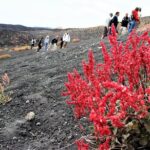
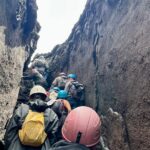
After the cable car ride to 2,500 m, the hike begins. This is the heart of the experience. You climb through volcanic terrain that’s visually dramatic and physically demanding in a different way than normal trails.
You’ll gain altitude while walking over:
- Lava fields
- Crater areas
- Lava channels
- Hot fumaroles (so yes, you’re dealing with ground that’s alive in a geologic sense)
Difficulty is rated E for hikers used to high altitude. That’s an important detail. Even if you’re fit, high altitude can make your breathing and energy feel less predictable. One review tip sticks in my head from the group experience: bring warm gear and remember the air is thinner up there and it can be much colder than you expect.
The tour also mentions a specific “body check”: the route includes ascending and walking along crater rims, which can cause dizziness in sensitive individuals. So if you know you’re prone to vertigo around heights, this is worth taking seriously before you commit.
Crater Views at the South-East Cone: How They Keep It Safe

The South-East Crater is Etna’s most active cone, and it’s also the reason the rules can change quickly. In this tour, you’re aiming for a point at about 3,000 m at the base of the South-East Crater to observe it from the allowed safe distance.
Here’s what that means for you on the ground:
- You should expect big crater visibility when conditions allow it.
- You should also expect that access to the cone can be closed.
- If you can’t go right to the cone, your guide will still keep you in the regulated area and adjust the hike to keep the views and safety balanced.
One of the best review takeaways is that even when the summit crater route is restricted, the day can still be excellent. In some cases, the tour shifts into a reduced route that continues along older and smaller craters and even lava caves downhill. Another example: if cable car service is affected by maintenance, you might hike more to make up for the missed ride.
That flexibility is not a downgrade. It’s the reality of volcano travel. The value is that you still get a guided Etna day instead of sitting around waiting for a plan that may not exist later.
The Descent: The Part People Underestimate

You start descending from around 3,000 m down on foot to the cable-car station area, then you take the cable car back to the start point. The itinerary description calls out that the descent is by foot, and that matters because it changes how you feel after the “big moment” at altitude.
Walking down on volcanic terrain can be tricky: your footing needs attention, and your knees do the work your lungs already did. This is exactly where the included gear helps. The tour provides trekking poles, plus the footwear support of proper hiking shoes if you’re using the provided ones (boots are listed as included in the overall equipment set). If you’re sensitive to cold or fatigue, the included warm jacket and extra socks can also make the descent more manageable.
I like that the experience doesn’t treat the hike like a one-way sprint. One review summed up the mood well: the walk down can be as interesting as the walk up, because your guide keeps connecting what you see to the story of Etna’s activity.



What’s Included (and What You Still Need to Bring)

This is a gear-forward tour. The included items list is unusually practical for a summit hike:
- Authorized vulcanological guide
- Trekking poles
- Trekking shoes, helmets
- Warm jacket, extra socks, extra backpack
- Accident insurance
- Entry/admission to Mount Etna
What’s not included is where you should budget and prep:
- €52 per person to pay on site for cableway (round trip)
- Parking ticket
- Snowshoe rental €15 per person if deep snow (your guide provides equipment)
- Transport from your accommodation
- Hat and gloves
That last line is big. Even with a warm jacket included, cold hands are still cold hands. Bring your own hat and gloves unless you’re comfortable buying or improvising on the spot (not guaranteed). And don’t ignore the contact lens note: contact lenses are not recommended due to volcanic gases and ash. If you wear them anyway, it says it’s advisable to use them with sunglasses.
One more practical detail: you’ll be moving at high altitude for hours. I’d treat this as a “dress for mountain weather,” not a “dress for Sicily morning” situation. Layers win.
Price and Value: Paying for a Guided, Regulated Summit Experience

The listed price is $66.38 per person, but the day’s real number depends on the cable car ticket. You pay €52 per person on site for the cableway round trip.
So what are you actually buying for that money? Not just access. You’re buying:
- an authorized guide who can interpret active volcano terrain in real time
- the equipment package that reduces the hassle of renting gear
- the structured route aiming for the official altitude limit
- accident insurance
- a small-group format (max 15)
In other words, the price feels like it’s paying for “safe guided logistics,” not just walking time. And the guide quality is repeatedly highlighted by the experiences people shared. Names that came up include Filippo (a geologist with a PhD in one review), Vincenzo, Daniele, and Podlo. The common thread: the guides made the hike feel meaningful, with encouragement at the right moments and explanations that match what you’re standing in.
If you’re someone who hates unclear plans and random meeting points, this setup tends to score well because it keeps you moving and informed.
Who This Hike Suits (and Who Should Think Twice)

This experience is for people with moderate physical fitness and it explicitly says it’s not recommended if you do little physical activity. The hike is rated E for hikers used to high altitude, so if you’ve never done anything at elevation, you’ll need to be honest about whether you can handle cold air, thinner breathing, and uneven ground.
It’s suitable for:
- hikers comfortable walking in rugged, unstable terrain
- people who want crater views without taking unsafe risks
- families with kids over 7 years old who are accustomed to walking
It’s not ideal for:
- anyone with cardiovascular or respiratory issues, or hypertension (these conditions are called out as not suitable)
- people who get dizzy easily at crater rims
Also, the tour can be suspended or adjusted if environmental, weather, or volcanic conditions change. That’s not a surprise; it’s part of volcano travel. If you have health limitations, share them with your guide so they can help prevent problems.
Quick Reality Check: Weather, Gear, and the Altitude Feeling
Etna can change the mood of a day fast, and this tour is transparent about that: the route follows current regulations and can be adjusted or suspended based on safety.
For planning, here’s what you can control:
- Bring your own hat and gloves
- Don’t count on thin layers working at 2,500–3,000 m
- Avoid contact lenses if you can
- Wear shoes that grip well on uneven volcanic ground
- Be ready for dizziness risk if you’re sensitive to crater rims
If you’re used to hiking at lower elevation, treat this as a training day in the best sense: slow your pace, drink when you can, and let the guide set the rhythm.
Should You Book This Etna Summit Hike?
If you want an Etna experience that’s active, guided, and built around regulated access to the summit altitude limit, this is a strong pick. It’s also a good choice if you care about understanding the volcano while you walk, not just taking photos from a distance.
I’d book it if:
- you’re comfortable with a high-altitude hike
- you want crater views around the South-East Crater
- you appreciate structured safety and a small-group format
I’d think twice if:
- you know you get dizzy on crater rims
- you’re dealing with any cardiovascular or respiratory constraints
- you don’t want to handle winter-type cold gear needs (even in “reasonable” months)
If you can handle uneven volcanic terrain and you like the idea of reaching the top altitude allowed by current rules, you’ll likely come away feeling like this was worth every step up the mountain.
FAQ
What altitude does this hike reach?
The trek goes up to about 3,000 m, which is described as the maximum altitude allowed by summit ordinances.
How long is the tour and how far do you walk?
The duration is about 5 hours. The hike distance is around 6.5 km, with roughly 500 m of elevation gain (which may vary).
Is the cable car included in the price?
Cableway tickets are not included in the listed price. You pay €52 per person on site for the round trip cableway.
What time does the tour start and where do we meet?
You meet at EsagonalPiazzale Funivia Etna, Sud, 95030 Nicolosi CT, Italy, at 8:30 am.
What gear is provided?
The tour provides trekking poles, trekking shoes, helmets, a warm jacket, extra socks, and an extra backpack.
Is the tour offered in English?
Yes, the experience is offered in English.
What if volcanic or weather conditions change?
The itinerary may be adjusted at the guide’s discretion or suspended if environmental, weather, or volcanic conditions change and pose a risk to group safety. It’s conducted according to current safety regulations.
Can I wear contact lenses?
Contact lenses are not recommended due to volcanic gases and ash that can irritate eyes. If you do wear them, using sunglasses as well is advised.