REVIEW · TENERIFE
Guïmar: Pyramids of Güímar Ethnographic Park Entry Ticket
Book on GetYourGuide →Operated by Pirámides de Güímar · Bookable on GetYourGuide
Stone pyramids chase the sun. At the Pyramids of Güímar Ethnographic Park in Tenerife, you walk an outdoor museum where astronomy theories meet volcanic gardens.
What I like most is the sense of discovery without needing a textbook. You get a clear, self-guided flow through pyramids, museum rooms, and themed gardens at your own pace.
One watch-out: the ticket options can be confusing, and you may need to pay extra at the counter if you assumed an upgraded add-on was included.
In This Review
- Key things you’ll notice at Güímar
- Why the Güímar Pyramids are more than a weird photo stop
- Walking the 64,000 m² park: trails, museum rooms, and botanical gardens
- Sun-aligned pyramids: the astronomy angle you can actually track
- Poison Garden with 70+ plants: intense, educational, and not for kids who touch everything
- The museum and the Rapa Nui exhibition for culture-curious minds
- Guided visits vs. audio guide: choose how you learn
- Price and ticket value: what $14 gets you and what to verify first
- What to bring and how to plan your day on Tenerife
- Should you book the Pyramids of Güímar ticket?
- FAQ
- How long does the Pyramids of Güímar visit take?
- What’s included with the entry ticket?
- Do I need a guide?
- Are there audio guides, and which languages are available?
- Is the park wheelchair accessible?
- What should I bring with me?
Key things you’ll notice at Güímar
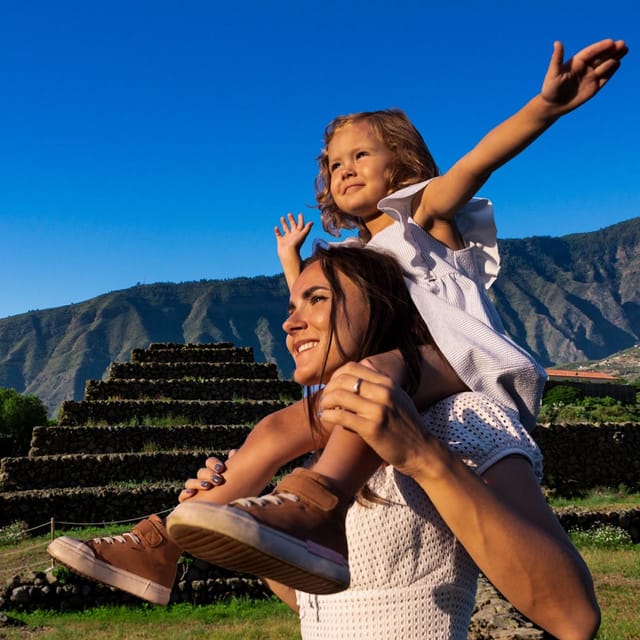
- Six stepped pyramids aligned with the sun on key astronomical dates
- 64,000 m² of outdoor trails with signposting and rest areas
- Poison Garden with 70+ dangerous plants, a rare stop in the Canary Islands
- One of the five largest botanical gardens in the archipelago
- Rapa Nui. Polynesia: Extreme Survival exhibition in the full-access option
- Guided theories vs. audio explanation, so you can choose your style of learning
Why the Güímar Pyramids are more than a weird photo stop
The Güímar Pyramids are one of those places where you immediately start asking questions. Six stepped structures sit in a volcanic setting, and the park frames them as more than just odd stonework. You’re encouraged to think like a curious observer: how were they built, why here, and what does the sun alignment mean?
What makes the park feel worth your time is how it mixes three “ways to look” at the same experience. You get the puzzle of the pyramids, the living detail of plants, and the museum-like context for culture and interpretation. It’s the sort of stop that works even if you don’t love archaeology, because the botany and trail walking keep the day moving.
I also like that the park is designed for regular humans, not just hardcore history nerds. The paths are well maintained, clearly signposted, and built around an easy walk through different themed zones. You don’t need special gear, either. If you wear comfortable shoes and you’re ready to stroll, you’ll be fine.
One more practical point: the structures themselves are the headline, but the gardens are where the day really becomes memorable. If you rush straight to the pyramids, you’ll miss the reason the park can feel calming instead of gimmicky.
You can also read our reviews of more tours and experiences in Tenerife.



Walking the 64,000 m² park: trails, museum rooms, and botanical gardens
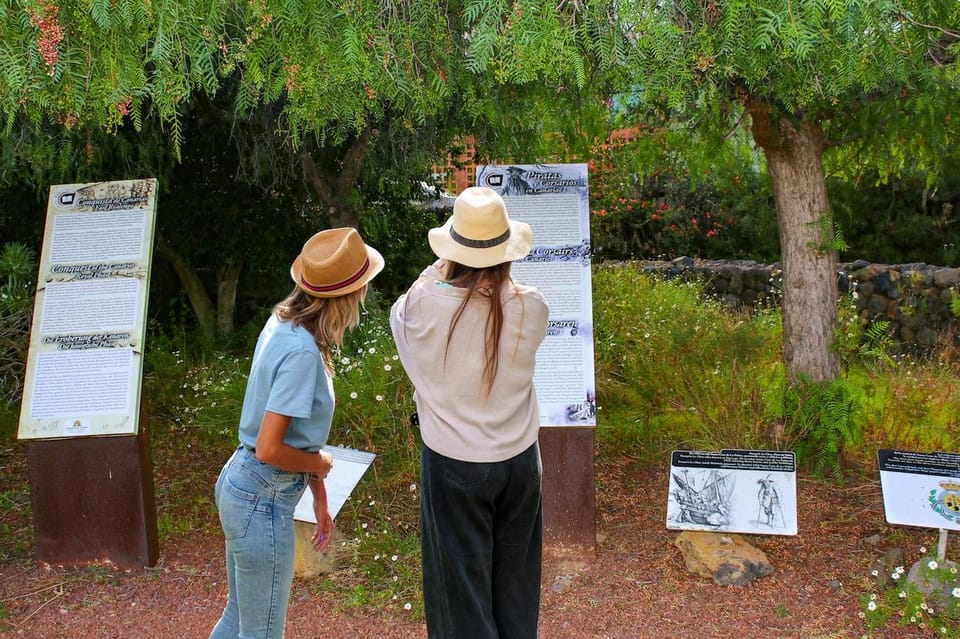
The park covers about 64,000 m², and that scale matters. You’re not just stepping into one courtyard and leaving. You’re moving through open-air sections connected by walkable trails, plus museum space that gives you context.
Here’s how it usually plays in real life. Start with the pyramids and let the sun-alignment idea hook you. Then shift into the gardens. As the plant areas unfold, the park’s “ethnographic” focus becomes clearer: people, nature, and how cultures interpret the world.
The botanical side is a big deal. The park includes one of the five largest botanical gardens in the Canary Islands, which gives it more weight than a token garden feature. You’ll see organized plant areas that make the walking feel purposeful instead of decorative.
You’ll also notice the park offers rest areas, which is a quiet win if you’re with kids, seniors, or just tired feet. For a 1-day visit, that kind of comfort keeps the experience from feeling like a grind.
If you’re the type who likes to look closely, plan to slow down in the garden zones. Small plant details are easy to overlook when you’re moving fast, and the poison garden later makes that careful eye even more important.
Sun-aligned pyramids: the astronomy angle you can actually track
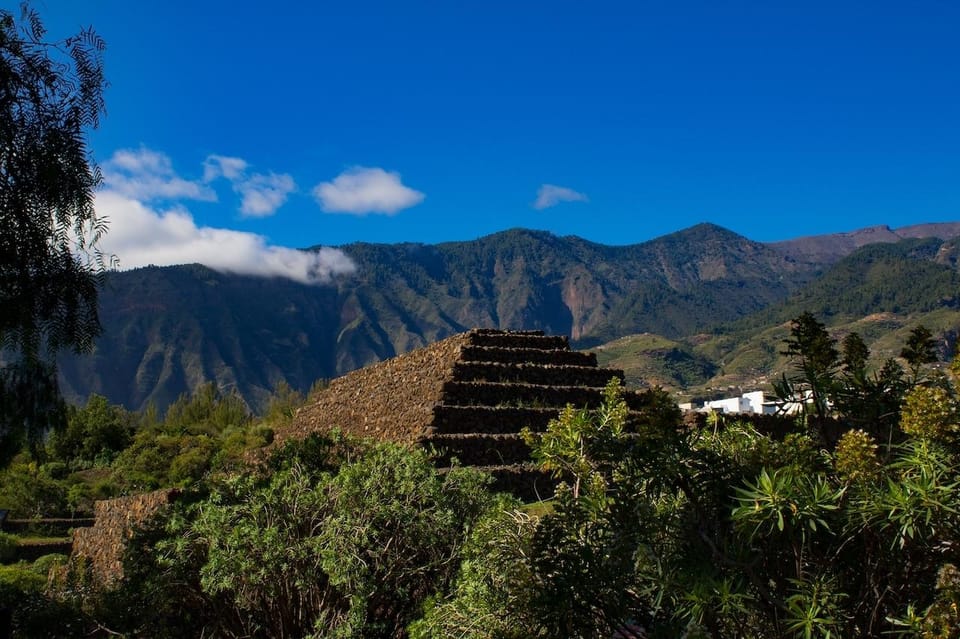
The headline feature is the set of six pyramids aligned with the sun on key astronomical dates. Even if you’re not an astronomy person, the idea is simple enough to follow: certain alignments are meant to connect the structures to the sun’s position on particular days.
This is also where the park’s storytelling style shows. You can hear theories during guided visits, presented by certified expert guides, and those theories explain possible origins for the stepped pyramids. The important part is that the park doesn’t pretend there’s one confirmed answer. The origins remain unknown, so you get multiple ideas rather than a single “case closed” story.
If you want the best chance to understand what you’re looking at, don’t treat the pyramids like scenery. Use the sun-alignment theme as your lens. Step back, look from different angles, and notice how your position changes what you can perceive.
A heads-up for expectation-setting: the park is built around dates and alignment themes, but your ticket isn’t a private planetarium with guaranteed cosmic drama. Still, the pyramids are visually distinct on their own, and the park context makes the astronomy element make sense rather than feel random.
Poison Garden with 70+ plants: intense, educational, and not for kids who touch everything

One of the most memorable stops is the poison garden, home to over 70 poisonous plants. This is where the park becomes more than just “pretty walking.” It turns into a cautionary lesson about how common plants can carry serious risks.
What I like about this section is the focus on information. The point isn’t fear; it’s awareness. You’ll see plants presented in a way that helps you understand that toxicity can be part of nature’s defense system.
Practical tip: this is exactly the kind of area where kids (and adults) will want to get close for photos. Keep a respectful distance and follow posted guidance. You don’t need to be nervous, but it’s wise to treat the signage as part of the education.
Also pay attention to your ticket details. Access to the poison garden is included with options that mention a premium visit. If you’re aiming to see it, double-check whether your entry includes that add-on. The park is clear about routes, but ticket expectations can vary.
If you’re the person who loves unusual plant facts, you’ll leave with a head full of sharp details. If you hate thinking about harmful plants, you might want to walk through quickly and focus on other zones.
The museum and the Rapa Nui exhibition for culture-curious minds
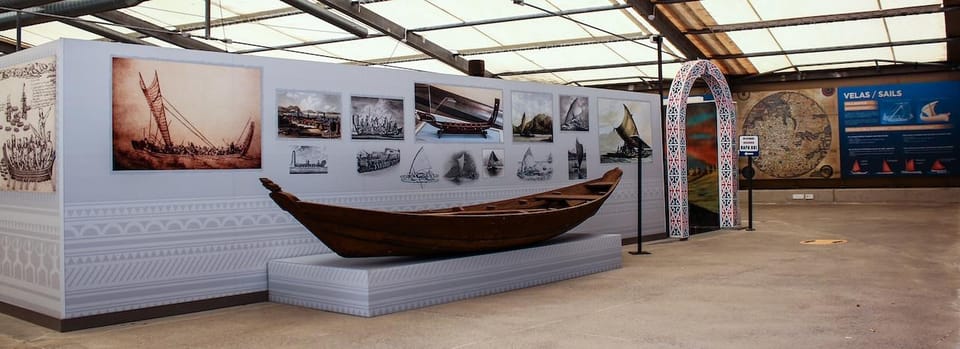
Beyond plants and pyramids, the park has a museum component. It’s not just storage space for artifacts. It’s meant to give you context for the bigger “why” behind the site.
If you go for the full-access ticket option, you also get access to the Rapa Nui. Polynesia: Extreme Survival exhibition. This includes interactive materials focused on aboriginal cultures. It’s a different gear shift from the sun-alignment puzzle. Instead of asking why stones were arranged a certain way, you’re looking at how people survive, adapt, and interpret their environment.
I like having this mix on the same day because it changes your brain’s focus. If you’re touring Tenerife and you already did beach time and maybe one church stop, this adds a very different kind of learning. It’s also helpful for families, since the exhibition’s interactive approach can keep younger visitors engaged.
If the exhibition matters to you, don’t assume it’s included in the simplest ticket. It’s specifically tied to a fuller option, so choose accordingly.




Guided visits vs. audio guide: choose how you learn
You’ve got two main options for explanations: guided visits and an optional audio guide. Guided visits are led by certified expert guides who share several theories about the pyramids’ origins. If you like a direct conversation, this is the easiest way to get your questions answered.
If you prefer control, the audio guide is designed for self-paced walking. It includes languages such as Spanish, English, German, French, Italian, Russian, and Norwegian. That language list matters because it means you can actually get explanations in the language you think in.
Here’s the practical difference you’ll feel during the day:
- Guided visit: best if you want a structured route and commentary that ties together different parts of the park.
- Audio guide: best if you like to wander and stop when something catches your eye.
If you’re traveling with kids, audio can be a good compromise. You can keep walking without waiting for a group pace, but still get the story behind what you’re seeing.
If you choose guided, give yourself permission to pause. The pyramids and gardens invite side glances, and those small stops often lead to better understanding than trying to stay in a rush.
Price and ticket value: what $14 gets you and what to verify first
At about $14 per person, this ticket is priced like an intentional day activity, not a casual add-on. The value comes from variety: you’re paying for more than one theme (pyramids, museum, botanical gardens, and potentially the special garden and exhibition depending on your ticket).
The biggest thing to manage is ticket complexity. There are different entry types:
- Full-access ticket: entry to all park areas, including the exhibition that’s linked to the full option.
- Basic ticket: a simpler route (so you may miss certain add-ons).
- Premium access elements: the poison garden and the exhibition are tied to premium inclusion.
In other words, don’t just buy and hope. If you know you want the poison garden and the Rapa Nui exhibition, confirm you have the option that includes them. I ran into a situation where someone thought they had an upgraded ticket and ended up paying a supplement at the counter. That kind of surprise is avoidable with one careful check.
Also, if you’re someone who hates paying twice for the same thing, look for a ticket that matches your wish list. If your top priority is the pyramids and botanical areas, the basic route might be enough.
Either way, plan on comfortable walking time. You’re doing an outdoor park with trails, so your best value comes from using the full day rather than treating it like a quick stop between other plans.
What to bring and how to plan your day on Tenerife
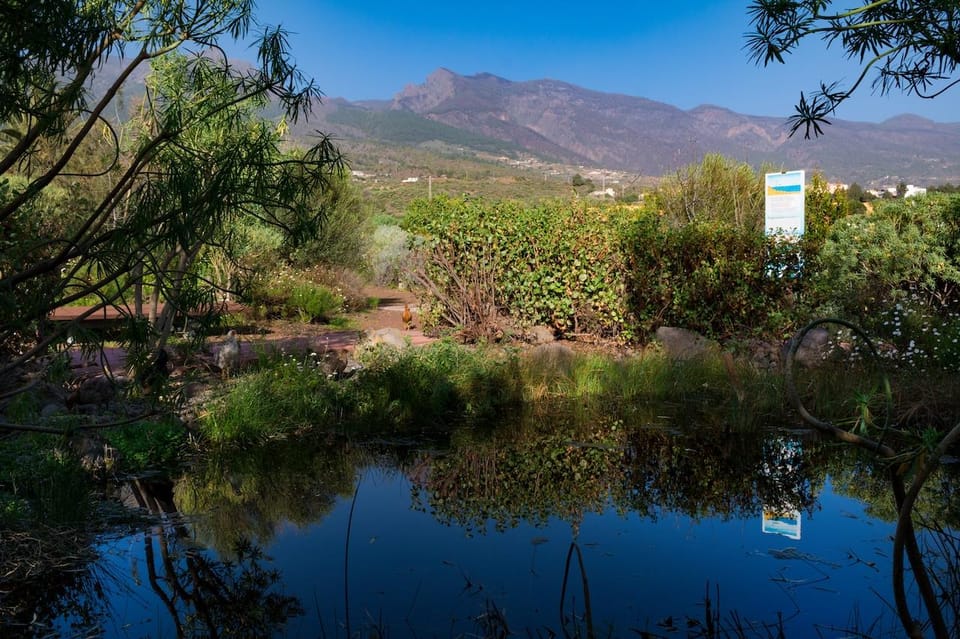
This is a straightforward day trip setup. Bring comfortable shoes. That’s the main requirement because you’ll spend real time on outdoor paths. Even though the site is designed to be accessible and safe, good footwear makes the difference between enjoying the walk and feeling annoyed by it.
If you’re visiting with a stroller, or if mobility is a concern, the park is wheelchair accessible, and paths are signposted with rest points. Still, keep in mind you’ll be moving through outdoor areas, so pace yourself and don’t schedule back-to-back activities right after.
Planning tip: pick a learning style before you arrive. If you want expert theories, lean toward guided. If you want flexible pacing, choose audio (or use audio alongside the rest of the day).
Finally, set a realistic goal: this isn’t a 2-hour drive-by. Think of it as a half-day to full-day feel depending on how long you linger in the gardens and whether you add the poison garden and the exhibition.
Should you book the Pyramids of Güímar ticket?
Book it if you want a Tenerife activity that isn’t just scenery. The sun-aligned pyramids give you a real “how does this work?” hook, and the botanical garden adds substance beyond the photo moment. If you’re curious, this place rewards slow walking.
Skip it (or reconsider your ticket) if you’re only interested in the pyramids and nothing else. The park shines when you let yourself go from stones to plants to museum context. Also, if you care deeply about the poison garden or the Rapa Nui exhibition, double-check your ticket type so you don’t end up paying more at the counter.
If you can handle one day of walking and you like places where mystery and science-minded explanations meet, this is a strong choice for your Tenerife itinerary.
FAQ
How long does the Pyramids of Güímar visit take?
The entry ticket is valid for 1 day. Starting times depend on availability.
What’s included with the entry ticket?
Your ticket includes access to the pyramids, museum, and botanical garden. Access to the poison garden and the Rapa Nui. Polynesia: Extreme Survival exhibition is tied to premium visit options.
Do I need a guide?
You can visit independently with an optional audio guide, or you can choose guided visits with certified expert guides.
Are there audio guides, and which languages are available?
Yes. Audio guides are available in Spanish, English, German, French, Italian, Russian, and Norwegian.
Is the park wheelchair accessible?
Yes, the experience is wheelchair accessible.
What should I bring with me?
Wear comfortable shoes, since you’ll be walking on outdoor paths.