REVIEW · GRAN CANARIA
From Palmas: Pico de las Nieves & Roque Nublo Full-Day Trip
Book on GetYourGuide →Operated by Trip Gran Canaria · Bookable on GetYourGuide
A mountain day in Gran Canaria starts with a volcano crater. This trip strings together Bandama’s caldera and the island’s top lookouts, then finishes in Teror for a slower, village pace. I love that you get serious altitude viewpoints without renting a car, and I also like that the day is built around real local stops, including tasting at Tejeda and a walk in Teror.
One heads-up: you’ll spend a lot of time on winding roads. If you’re prone to motion sickness, bring a remedy and plan for slower stretches while the driver negotiates the bends.
In This Review
- Key Highlights You’ll Actually Feel During the Day
- From Las Palmas to the Peaks: Why This Route Works
- Bandama Volcano Crater: The Morning Wow (Without the Grind)
- San Mateo Area and the Market Chance: Local Food Beats Another Viewpoint
- Pico de las Nieves: Where the Island Feels Like It Reaches for the Sky
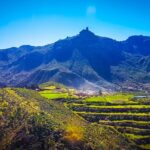
- Roque Nublo: The Basalt Monolith That Looks Unreal Up Close
- Cross of Tejeda: A Tastings Stop, Not Just a Photo Stop
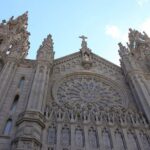
- Teror and the Basilica of the Lady of the Pine: End With a Village Stroll
- The Real Deal on Timing, Roads, and Comfort
- Guides Make the Day: The Difference Between Hearing and Understanding
- Price and Value: Is $52 Worth It?
- Who Should Book This Tour (and Who Might Skip It)
- Should You Book the Palmas: Pico de las Nieves & Roque Nublo Full-Day Trip?
- FAQ
- How long is the tour?
- Is lunch included?
- What languages are the guides?
- What are the main places you visit?
- Is the farmers market stop always available?
- Is it suitable for young children or wheelchair users?
Key Highlights You’ll Actually Feel During the Day
- Bandama caldera first: start with a dramatic volcanic bowl before the higher peaks
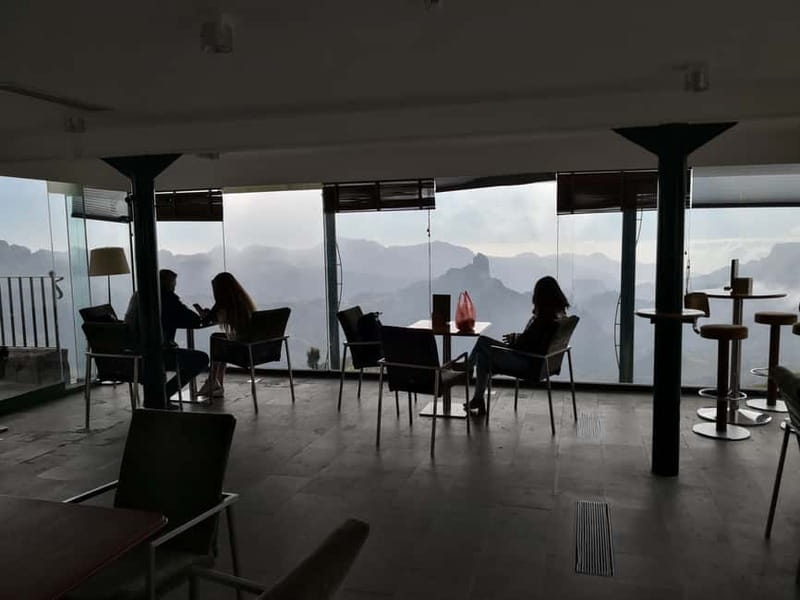
- Pico de las Nieves viewpoint time: the island’s top feel at nearly 2,000 meters
- Roque Nublo stop for scale: a basalt monolith that looks impossible in person
- Cross of Tejeda tasting break: cheese, honey, and fruit-style local flavors
- Teror’s Lady of the Pine Basilica: a charming village finish with a famous church
From Las Palmas to the Peaks: Why This Route Works
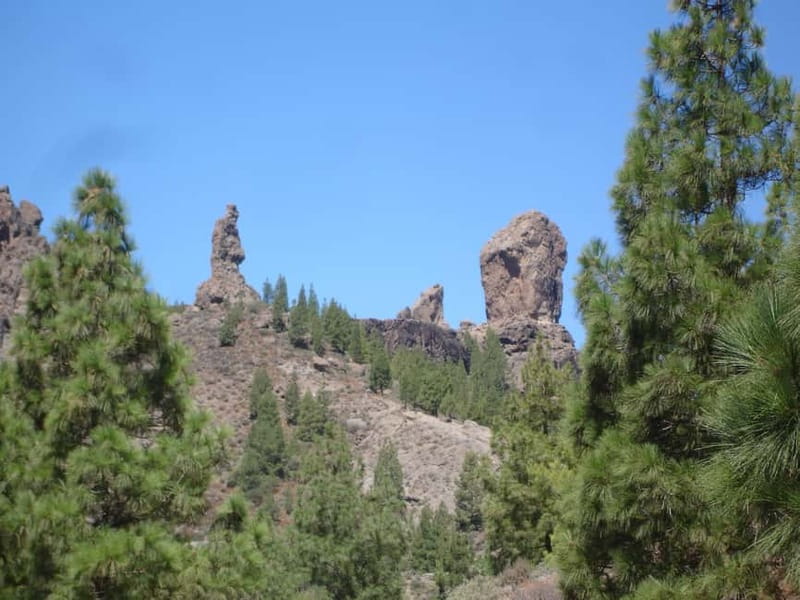
This is one of those Gran Canaria days that makes sense even if you’re staying by the beach. Instead of hopping between far-flung points on your own schedule, the trip takes you through the island’s central spine in a single guided loop. You’re not just looking at scenery, either—you’re seeing how volcanic landforms shape where people live and trade.
For me, the value is in how the day is paced: you get big-view stops at altitude, then you also get breaks where you can actually walk, snack, and reset. And because it’s guided, you’re not guessing what you’re seeing when the bus pulls into a viewpoint that feels almost too dramatic to be real.
The other big plus is that the route favors comfort over stress. You’ll be in an air-conditioned coach, bus, or minivan, driven by someone who knows how to handle narrow, steep roads. That matters on Gran Canaria, where the most scenic drives can also be the most tiring if you’re the one steering.
You can also read our reviews of more tours and experiences in Gran Canaria.

Bandama Volcano Crater: The Morning Wow (Without the Grind)
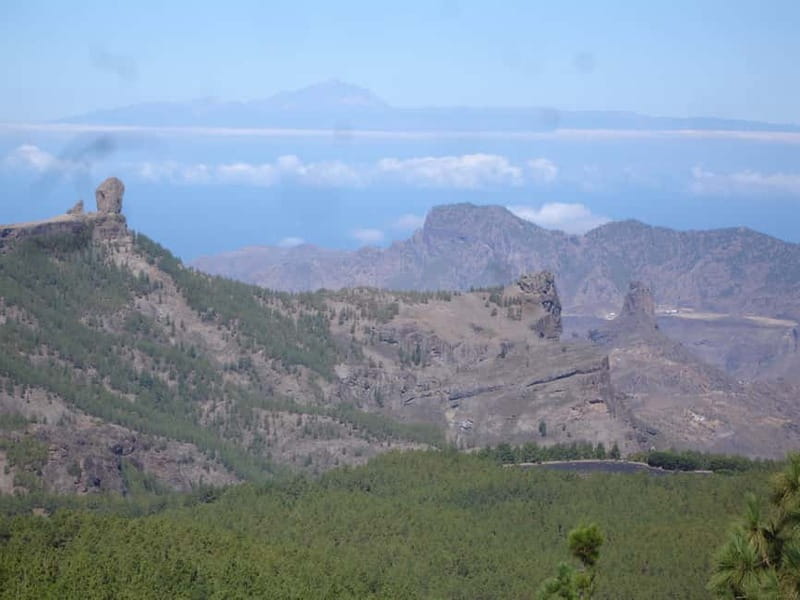
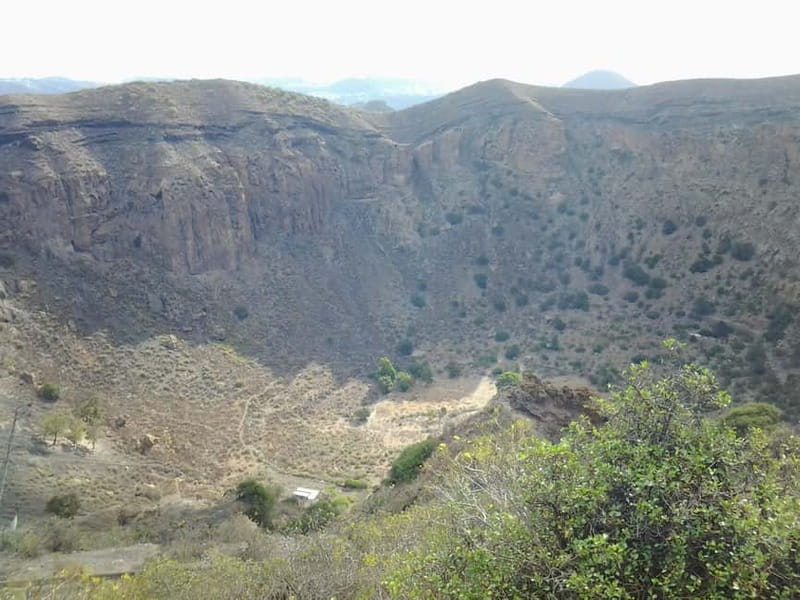
You’ll start inland with a visit to the dormant crater of Bandama. This is the kind of opening stop that sets the tone: volcanic geology, a sense of scale, and that immediate feeling that you’re on an island with serious geological muscle.
Bandama works well early in the day because:
- The lighting is often better for photos before the afternoon clouds or haze roll in.
- You get a dramatic “why Gran Canaria looks like this” moment before you move on to the higher peaks.
- It’s an easier introduction than going straight to the summit right away.
Even if you’re not a volcano superfan, you’ll likely enjoy how the viewpoint helps you connect the dots. Gran Canaria isn’t flat. It’s folded, raised, and carved by volcanic activity, and Bandama gives you a clean starting reference point.
San Mateo Area and the Market Chance: Local Food Beats Another Viewpoint
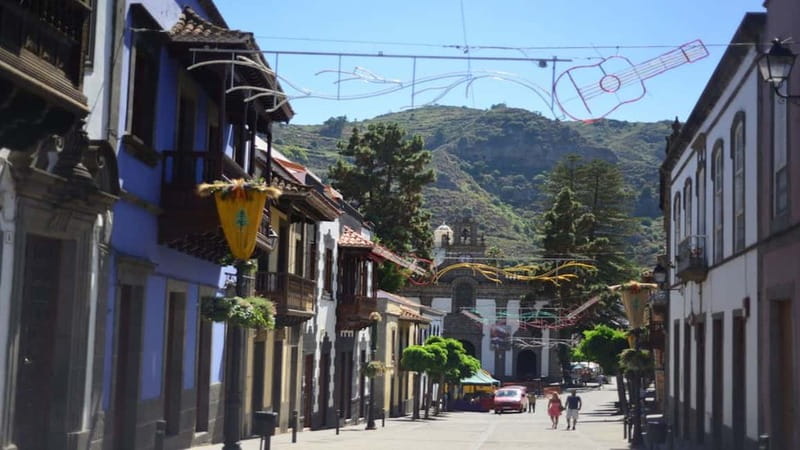
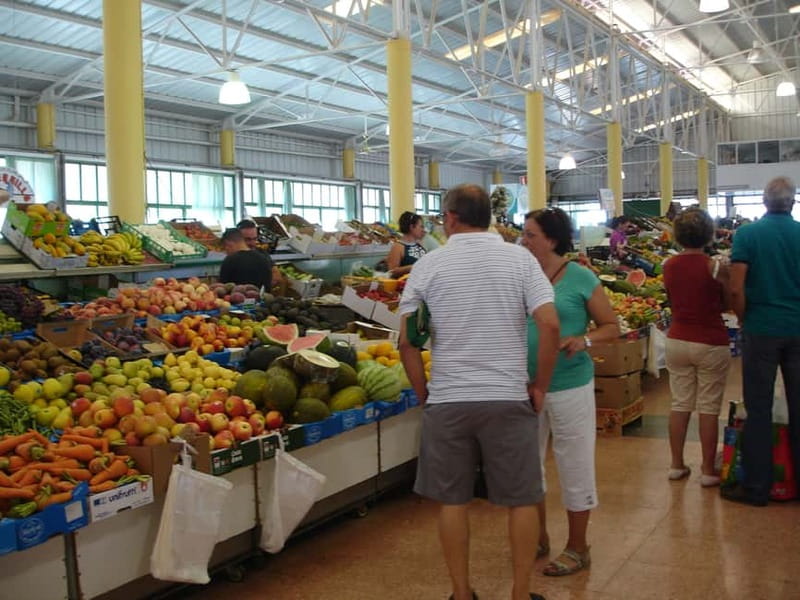
After heading toward San Mateo, you’ll have free time to visit a local farmers market that’s stocked with plenty of local products. Here’s the practical detail that makes this stop worth planning for: the market is open only on Saturday.
So if your travel dates line up, you can do something most people skip. You can browse what locals actually buy, not just what’s packaged for tourists. Think seasonal fruit and straightforward, no-fuss Canarian products—exactly the stuff you’ll want for a picnic later, or just something to snack on while you keep exploring.
If your day isn’t a Saturday, you’ll still get the general San Mateo break, but don’t count on the market atmosphere. This is one of those small “schedule-dependent” benefits that can quietly make the whole day feel more local.
Pico de las Nieves: Where the Island Feels Like It Reaches for the Sky
Next comes the high point: Pico de las Nieves, sitting at 1,959 meters. This is the moment when the trip stops feeling like a drive through towns and becomes a real mountain outing.
From the summit area, you’ll enjoy stunning views of the high neighboring peaks. And if weather is clear, you can even see as far as Tenerife. That’s not something you can recreate easily on a beach holiday. At this altitude, the air and the horizon change the whole mood.
A few practical notes to help you get the most from it:
- Bring a sun hat and sunscreen in summer. Even at altitude, the sun can be sharp.
- If you’re visiting in cooler months, expect it to feel cold up there. A jumper is a smart move, because winds and temperature drop at higher elevations.
- Plan your photos early. People often crowd the best corners, and the line for good angles can build as everyone wants the same view.
Also, this is where the bus timing matters. You’re not stuck all day at one spot, but you do get enough time to take in the panoramic feel and then move on before the day gets heavy.
Roque Nublo: The Basalt Monolith That Looks Unreal Up Close
After Pico de las Nieves, you’ll head to Roque Nublo, a huge basalt rock over 65 meters tall. This is one of those landmarks that feels bigger than you expect. In many places, famous rock formations look like rocks that happen to be tall. Here, it feels more like the island decided to place a sculpture in the middle of its own skyline.
Roque Nublo also adds variety to the day. Pico de las Nieves gives you wide, open horizon views; Roque Nublo gives you a single, powerful object you can see from different angles. It’s a visual anchor. The monolith helps you understand why the island’s central region is so visually striking.
The roads between viewpoints are part of the experience, even if they can be tiring. You’ll make several stops, and each one is there for a reason—short walks, quick sightlines, and chances to reset your eyes after the previous steep stretch.
Cross of Tejeda: A Tastings Stop, Not Just a Photo Stop
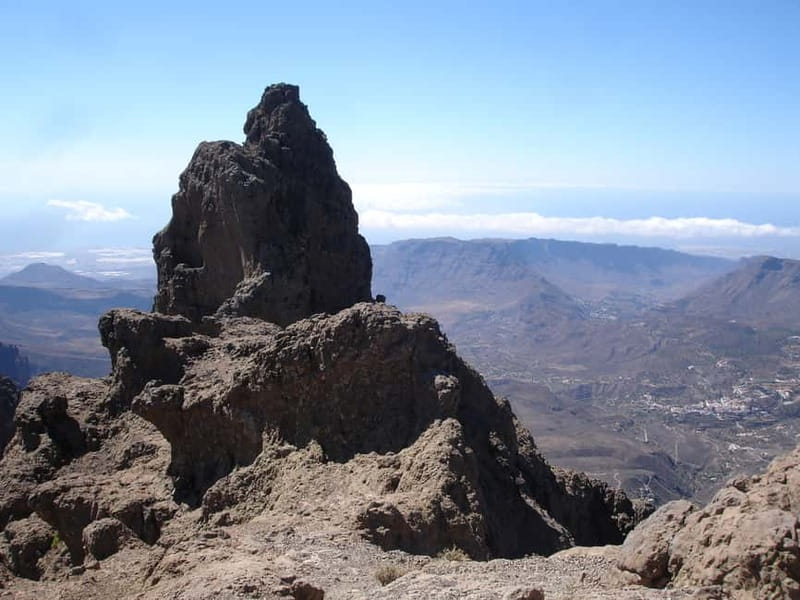
At the Cross of Tejeda, the trip shifts from pure viewing to a more Canarian flavor moment. This is where you get to taste local products such as cheese, honey, and fruit.
This stop is valuable because it breaks the rhythm. You’ve already been high in the air, looking out over peaks; now you slow down just enough to enjoy what the region is known for. It’s one of the easiest ways to make the day feel grounded in daily life rather than only scenery.
You’ll also likely appreciate the chance to pause in a spot where people actually spend time. The Cross area typically functions like a lookout and a meeting point, so it feels less staged than a random roadside pull-off.
And if lunch is on your mind: lunch isn’t included, but the guide can help you with an optional picnic plan or a local restaurant recommendation. This part of the day is where that choice starts to matter.
Teror and the Basilica of the Lady of the Pine: End With a Village Stroll
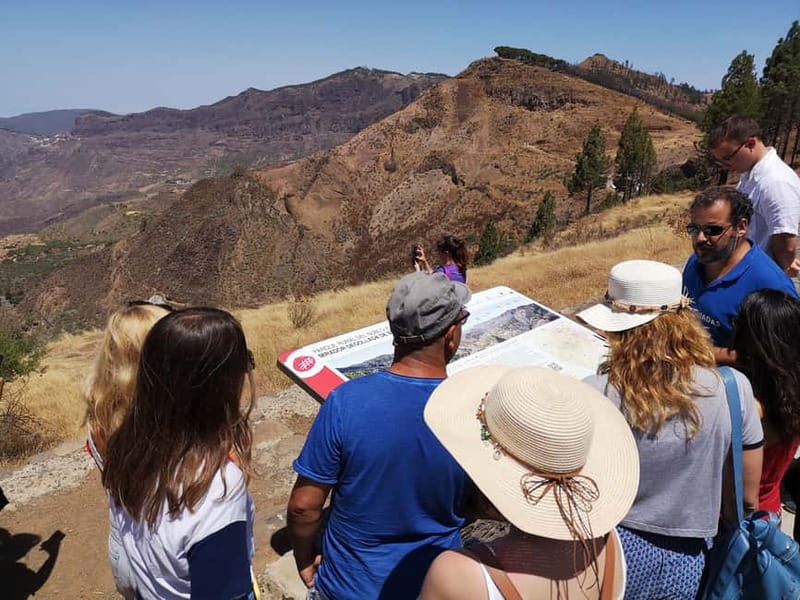
Then the trip finishes in Teror, a charming village where you can go for a walk and take in the slower pace. If Pico de las Nieves is the island at full altitude, Teror is the island at human scale.
The key landmark is the Basilica of the Lady of the Pine. Even if you’re not the type to chase churches, this one is worth your time because it anchors the village visually and gives your eyes a focal point when the streets and viewpoints soften.
What I like about ending here:
- You get a change of scenery after mountains and stone.
- You can stretch your legs at a relaxed pace.
- You get a sense of community life, not just geology and driving.
It’s a satisfying finish. Instead of rushing back straight from the peaks, the day ends with a walkable village moment that feels earned.
The Real Deal on Timing, Roads, and Comfort
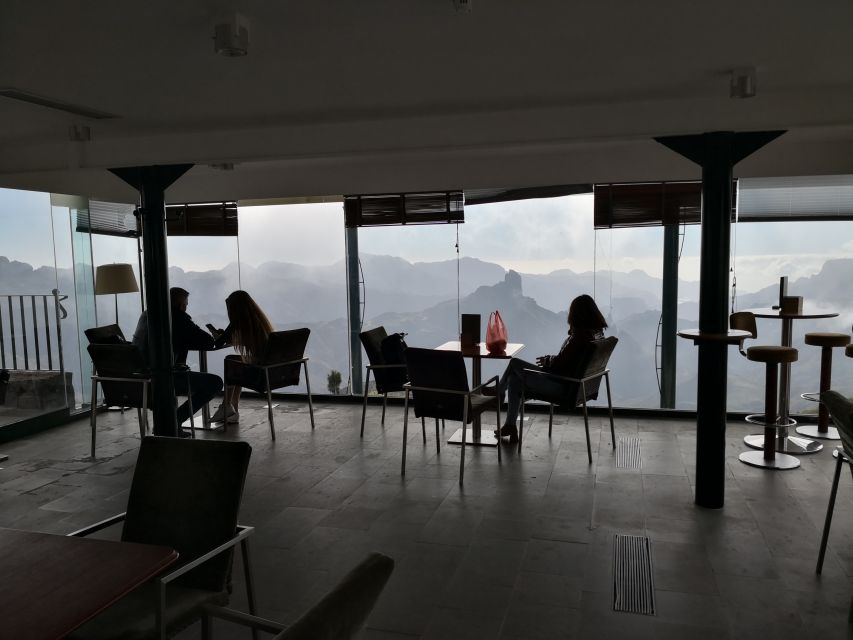
This tour runs about 7.5 hours, and it’s structured with multiple viewpoints and driving sections throughout the day. That sounds simple, but it matters because Gran Canaria’s interior is full of tight curves and steep stretches.
A few comfort tips that will make your day smoother:
- If you’re sensitive to motion sickness, consider taking something before you start. The roads are winding and the turns are frequent.
- Wear shoes that handle uneven pavement or short walks at the viewpoints.
- Bring layers. Morning heat can turn into cooler mountain air, especially around higher points.
- Expect that stops are meaningful, not endless. The day is designed to keep moving while giving you enough time to enjoy each location.
The drivers tend to be a big part of the experience’s safety and smoothness. Clear, confident navigation is exactly what you want here—because the best views often sit just beyond the most twisty road.
Guides Make the Day: The Difference Between Hearing and Understanding
A guided day works when you learn something while you’re still enjoying it. This trip’s format is built around a live guide (English and Spanish), and that means you’re not left staring at a view wondering what you’re actually looking at.
In the strongest departures, guides like Maria and Fran have been praised for being friendly, helpful, and organized. Other guides such as Vanessa, Vera, Selene, and Francesco also come up in the feedback for keeping the tour running smoothly and sharing interesting commentary without turning the whole day into a lecture.
That’s a real practical advantage. If the guide explains what makes Bandama’s volcanic shape different from Roque Nublo’s basalt presence, your photos will feel more connected. And if they point out what to watch for around Tejeda, your tasting break feels like part of a story, not just a stop.
Price and Value: Is $52 Worth It?
At around $52 per person for a 7.5-hour guided day, the price is mainly paying for three things:
- Transportation with hotel-area pickup and drop-off in Las Palmas
- Official guide time (English and Spanish)
- Access to places that are hard to reach without your own driving
You’re not just buying viewpoints. You’re buying a full route through central Gran Canaria, where the driving is part of the challenge. If you were to do it yourself, you’d spend time and stress planning mountain roads, parking, and the order of stops. Here, the order is handled for you.
Lunch isn’t included, but you’re also not forced into a tourist menu. The guide can help you plan an optional picnic or point you toward a good local restaurant, and you’ll also get the tasting experience at the Cross of Tejeda. For many people, that mix feels like smart value: you pay for the guided transport, then decide how you want your meal.
Who Should Book This Tour (and Who Might Skip It)
This is a strong fit if you:
- Want mountain scenery without renting a car
- Prefer guided explanations in English or Spanish
- Like a mix of viewpoints and village time
- Enjoy local food moments, especially around Tejeda and the chance at farmers-market-style products (Saturday)
You might think twice if you:
- Don’t handle winding roads well (motion sickness is a real consideration)
- Need wheelchair access. This tour isn’t suitable for wheelchair users.
- Are traveling with very young children. Minors under 5 years old aren’t permitted.
If you’re coming from Las Palmas proper, the included pickup points make this especially easy. If you’re staying outside the city, there’s no pick-up service, so you’ll need to check the best way to join the group.
Should You Book the Palmas: Pico de las Nieves & Roque Nublo Full-Day Trip?
I’d book this if you want a day that feels like Gran Canaria beyond the coast. The combination of Pico de las Nieves views, Roque Nublo’s dramatic scale, and a finish in Teror hits the right balance: big scenery plus a real village stroll.
It’s also a good choice for first-timers or anyone who doesn’t want to drive the interior roads. Between the official guide and the driver handling the turns, you spend less energy worrying about logistics and more time actually looking.
If you know you’re motion-sickness prone, plan for it (layers, hydration, and a remedy), because the scenic payoff comes with plenty of winding-road time.
FAQ
How long is the tour?
It lasts about 7.5 hours. Starting times vary, so you’ll want to check availability for the schedule offered.
Is lunch included?
No lunch is included. The guide can help with options like an optional picnic or a delicious local restaurant.
What languages are the guides?
The live guide provides commentary in English and Spanish.
What are the main places you visit?
You’ll go to Bandama’s caldera, then head through the San Mateo area, stop at Pico de las Nieves and Roque Nublo, visit the Cross of Tejeda for local tasting, and finish in Teror at the Basilica of the Lady of the Pine.
Is the farmers market stop always available?
The farmers market stop is only open on Saturday, so it depends on your tour date.
Is it suitable for young children or wheelchair users?
Minors under 5 years old are not permitted. The tour is not suitable for wheelchair users.