REVIEW · SICILY
Excursion to the top of Etna |For good walkers (transport services not included)
Book on Viator →Operated by Guide Vulcanologiche Etna Nord · Bookable on Viator
Etna’s crater edge is not for casual walkers. This north-side Etna climb mixes an authorized 4×4 ride, a tough walk across volcanic ground, and guided talk about geothermal sights as the volcano does its unpredictable thing. You’ll be moving through a summit zone that stays very much alive.
I like two things a lot here: the licensed volcano guide who explains what you’re seeing as conditions allow, and the safety-ready hiking kit (helmets plus trekking poles, and even shoes and a warm jacket) that helps on rough, unstable terrain. The best bonus is the chance for serious altitude views, including the sea when the summit cone gives you a clear line of sight.
One consideration: this is a real workout at high altitude, with steep sections and crater-edge walking that can bring on dizziness for some people. If you’re not used to mountain hiking (or if you have breathing issues or hypertension), you’ll likely feel it fast, and the route can also change if the volcano or weather turns moody.
In This Review
- Key highlights you’ll feel quickly
- Etna North: what you’re walking into up on the active summit zone
- 4×4 to the start line: how the climb is paced
- Crater rims, fumaroles, and the steep lava descent reality check
- What the tour gives you (and what you must bring)
- Price value: $129.40 plus the cable car and day costs
- Who should book this Etna summit hike (and who should skip it)
- Should you book this Etna crater hike?
- FAQ
- What time does the Etna hike start?
- Where do I meet the group?
- How long does the full experience last?
- How difficult is the hike in terms of distance and elevation?
- Is transportation included from my accommodation?
- What’s included in the price?
- Is the cable car included?
- Is lunch provided?
- Can the route change during the day?
- What happens if weather is bad?
Key highlights you’ll feel quickly
- Licensed volcano guide who monitors volcanic and weather conditions while you hike
- Helmet + trekking poles + proper footwear included for lava/ash terrain
- Sturdy high-altitude pacing: 4×4 lift to reduce the “too much climbing, too soon” problem
- Crater rim walking when conditions allow, up near multiple summit craters
- Views that reach the sea from the highest points on clear days
- Small groups (max 10) keep the hike manageable
Etna North: what you’re walking into up on the active summit zone
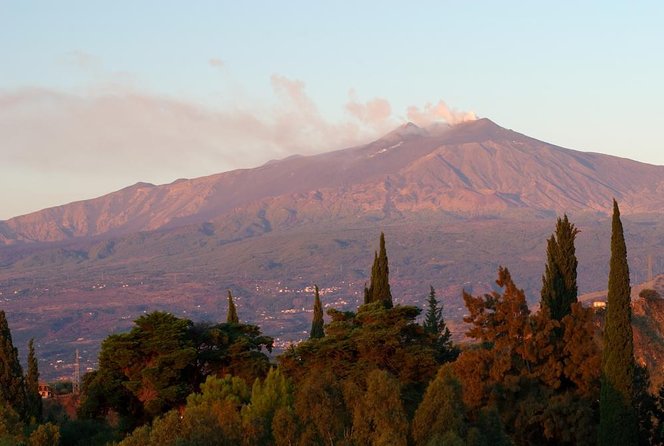
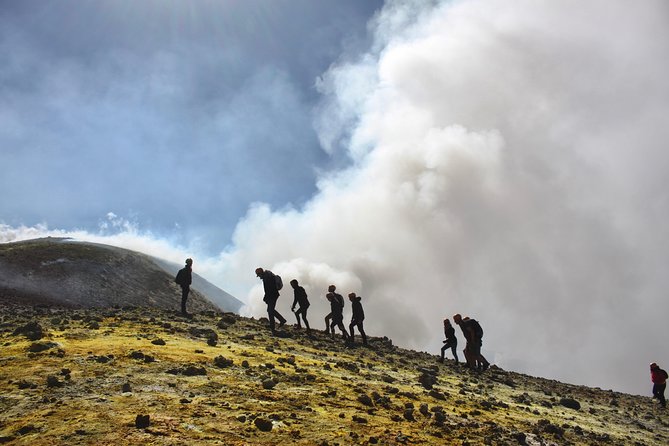
This excursion is for active walkers who want more than a scenic drive. You’re going straight into Etna’s highest active area, where the ground is basically a patchwork of lava flows, ash, and volcanic material from eruptions that keep reshaping the summit zone. Starting above 1,900 m means your body already has to adjust before the real walking starts.
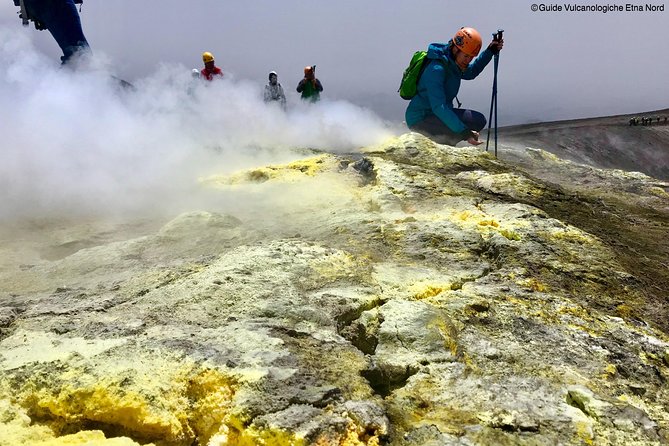
One big reason this is worth it: you don’t just “see Etna.” You walk near fumaroles and along crater edges, where the colors of minerals and the texture of the volcanic ground are part of the story. A good guide is key, and the operation centers on that. In the field, you might meet guides like Domenico or Vincenzo, who are described as clear, engaging, and focused on what’s happening right now—not a one-size-fits-all lecture.
This hike also has a practical rhythm. The program builds in the reality that Etna changes the plan. Gas, wind, and ground heat influence where you can walk safely, so the summit access and exact route may vary by day.
You can also read our reviews of more tours and experiences in Sicily.

4×4 to the start line: how the climb is paced
You begin with an 8:30 am start at Esagonal Piazzale Funivia Etna, Sud, 95030 Nicolosi CT. From there, you ride authorized 4×4 vehicles from around 1,900 m up to about 2,750 m. That ride matters, because it makes the hike feel like a mountaineering day without turning it into an all-day climb from the lowest slopes.
What you’ll likely notice first is altitude plus volcanic terrain. Even with the vehicle lift, you’ll hike a distance around 12–13 km with about 600 m of ascent and roughly a 6 km descent, typically lasting 5–6 hours total on foot. The trail climbs toward about 3,300 m, and sometimes up to around 3,380 m when conditions allow. That’s the point where you can feel the thin air and the cold from wind if the summit is exposed.
If you’re wondering why the descent is such a recurring theme in Etna hike reviews: it’s steep and rough. The return isn’t a gentle loop trail. It’s more like “get up, then pay attention on the way down.” You may have options during the day depending on conditions, and one account notes a bus from the observatory for the descent, but don’t assume that’s always available or easy for your group—plan for your own legs first.
Crater rims, fumaroles, and the steep lava descent reality check
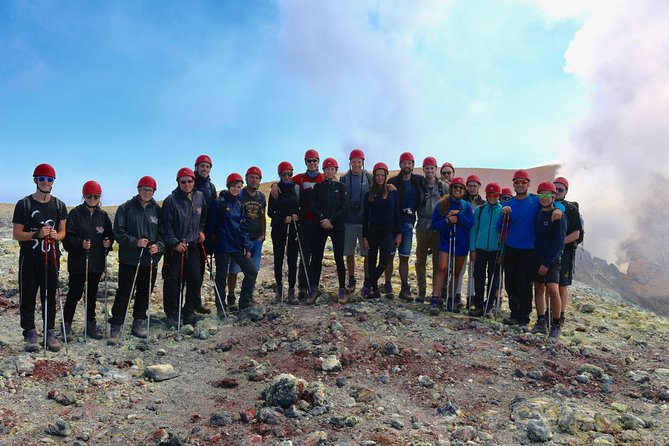
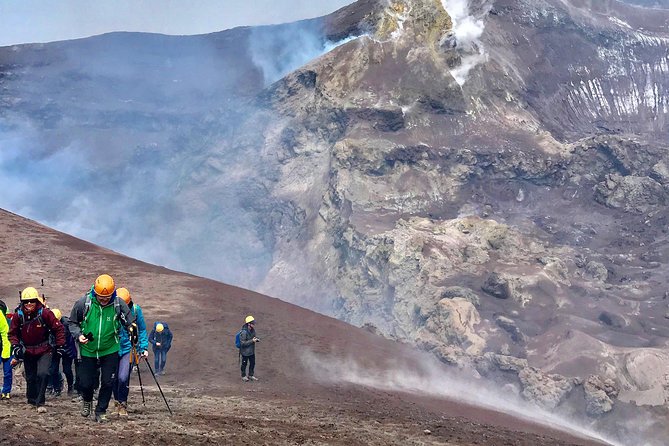
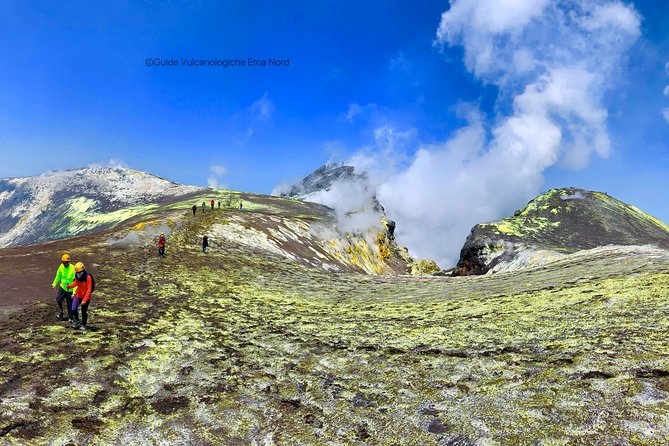
The main event is walking in and around the crater zone. Depending on what’s safe that day, your route may reach the rim of one or more of Etna’s four summit craters: North-East, Voragine, Bocca Nuova, and South-East. Not every day hits the highest possible rim. High activity and shifting hazards can limit how close you can get, and on some trips the approach focuses on a slightly lower point (for example, viewpoints around the high 2,000 m range).
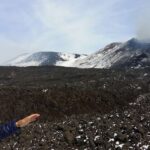
When conditions are right, you’ll get the kind of geology lesson that feels physical. The volcanic ground changes underfoot—lava surfaces, loose ash, and patches with unstable rock. Your guide will constantly monitor volcanic and weather conditions and choose routes accordingly, so you’ll often hear explanations tied to what you’re seeing at that exact moment, including fumaroles and mineral colors.
Now the human part: crater-edge walking can cause dizziness for susceptible people. Even if you’re fine on normal trails, don’t treat this as a “walk in the park.” If you know you get lightheaded easily, tell your guide ahead of time. If you wear contact lenses, you’re also advised not to use them because gases and ash can cause problems for your eyes.
And yes, the descent can be brutal. One note from a hike day calls out a very steep, harsh terrain for the way down. The trade-off is that crater areas often come with dramatic views—like the kind where you can spot the sea from high points on clear days, and in some early-season conditions people even catch sunrise over clouds.
What the tour gives you (and what you must bring)
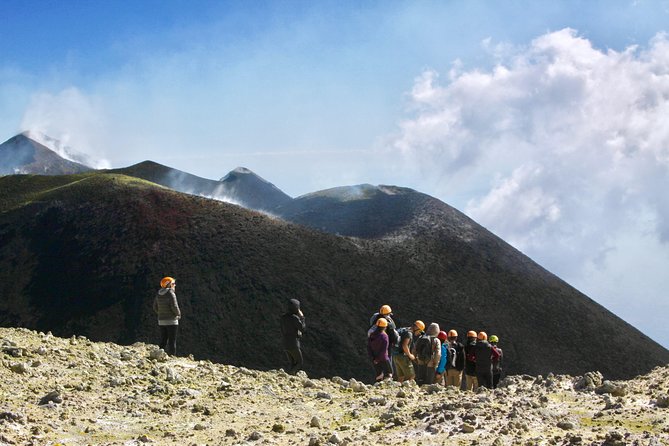
This operator supplies a lot of the “gear mistakes” protection. Included items cover key safety and comfort needs for rough terrain:
- Trekking poles
- Helmets
- Trekking shoes
- A warm jacket
- Extra socks
- An extra backpack
That’s not just convenience. On Etna’s volcanic ground, footwear and stable footing matter. The rules also say you’re not covered by insurance without adequate shoes, so it’s good that you’re not left to gamble on rental quality.
Still, there are a few things you should think about. A lunch bag is not included, so plan food and water like you’re hiking for most of the morning into early afternoon. Also, hat and gloves aren’t included, with a seasonal note that they’re recommended during autumn, winter, and spring—so if you’re going outside summer, pack for wind and cold.
A warm jacket is provided, but that doesn’t mean you’ll be automatically comfortable if you underdress. At 3,000 m+, wind can cut. Bring layers you can adjust, especially if the weather is changeable.
For communications, you’ll get a mobile ticket, and the tour is offered in English. The group size max is 10 travelers, so you’re usually moving with a manageable cluster rather than a large crowd.
Price value: $129.40 plus the cable car and day costs
At $129.40 per person, this excursion looks fairly reasonable once you total what’s included. You get a licensed volcano guide, insurance in case of accidents, entry to Mount Etna, and the full hiking gear kit (poles, helmet, shoes, warm jacket, extra socks, and an extra backpack). That’s the foundation cost.
Where cost can rise:
- Cable car: €52 per person round trip from 1900 m to 2500 m
- Lunch bag: not included
- Parking: €5 on weekdays, €8 on Sundays and public holidays
- Transport from your accommodation: not included
That cable car fee is the big line item many people forget. If you’re already planning your day around the north-side access point, factor this in early. Parking costs are small, but you’ll feel them if you’re budgeting tightly.
So is it good value? For the right person, yes. You’re paying for a guided crater-zone hike plus safety equipment in an active volcanic environment. If you tried to replicate this solo, the margin of error would be high—mainly because route access depends on volcanic and weather conditions, and you’d still need the right gear and knowledge for unstable ground.



Who should book this Etna summit hike (and who should skip it)
Book this if you’re a strong walker who likes altitude and wants to feel the geology under your boots. You should have solid fitness and experience with high-altitude hiking. The tour is also not aimed at people with particular health concerns, including breathing issues or hypertension.
Avoid it if any of these apply:
- You’re pregnant after the third month (not allowed)
- You’re sensitive to dizziness (crater-edge walking can trigger it)
- You rely on contact lenses (gases and ash can be a problem)
- You don’t have the fitness base for 12–13 km over volcanic terrain
Also be honest about your health conditions with the guide. The tour emphasizes sharing health details so risks can be reduced. That’s exactly what you want from a volcano operation: fewer surprises, better pacing, and safer route decisions.
One more practical tip: this experience depends on the conditions. The route can vary and the hike can be interrupted if environmental, climatic, or volcanic changes make it unsafe. That’s not a “failure.” It’s the point of doing it with professionals in an active zone.
Should you book this Etna crater hike?
If you want a front-row seat to an active volcano and you’re comfortable with a steep, high-altitude hike, this is a strong yes. The value comes from the licensed guide, the crater-zone access when conditions allow, and the fact that you’re not left to improvise safety gear.
Skip it if you’re looking for an easy nature walk or if altitude hiking stresses you out. In that case, the best move is choosing something calmer on Etna’s lower slopes.
If you do book: train for uneven terrain, pack layers for wind, bring a lunch bag, and be ready for a day where Etna sets the tempo. That’s the deal with Etna. The reward is real.
FAQ
What time does the Etna hike start?
The start time is 8:30 am.
Where do I meet the group?
You’ll meet at Esagonal Piazzale Funivia Etna, Sud, 95030 Nicolosi CT, Italy.
How long does the full experience last?
It’s about 5 hours 30 minutes on average, with the hiking portion typically lasting 5–6 hours.
How difficult is the hike in terms of distance and elevation?
You can expect around 12–13 km of walking with about 600 m of ascent and a descent of roughly 6 km. Trails may climb to about 3,300 m, and sometimes up to around 3,380 m when conditions allow.
Is transportation included from my accommodation?
No. Transport service from your accommodation is not included.
What’s included in the price?
Included items are a licensed volcano guide, insurance in case of accidents, trekking poles, trekking shoes, helmets, a warm jacket, extra socks, an extra backpack, and entry/admission to Mount Etna.
Is the cable car included?
No. There is an additional €52 per person for the cablecar service round trip from 1900 m to 2500 m.
Is lunch provided?
A lunch bag is not included, so you’ll need to plan your own food.
Can the route change during the day?
Yes. The guides can vary the route or interrupt the excursion based on volcanic activity and weather conditions to keep the group safe.
What happens if weather is bad?
The excursion requires good weather. If it’s canceled due to poor weather, you’ll be offered a different date or a full refund.