REVIEW · DRAKE BAY
Corcovado and Drake Bay 2-Day Small-Group Safari Guided Tour
Book on Viator →Operated by Sukia Travel · Bookable on Viator
Jungle nights, early starts, and real animal sightings—this tour does it fast. What I love most is the small group size (max 8), which makes spotting wildlife feel possible, not chaotic. I also like that you sleep right at Sirena Ranger Station, so your days start and end in the prime hours when the forest is loud and alive. The main drawback to plan around is the heat and humidity on the trails—Corcovado hikes are not the same as a cool daytime walk.
You’re in good hands with experienced guides (names I’ve seen connected with this trip include Jorge, Erick, Brayner, Andre, and Richie). Expect an itinerary that builds toward long stretches in and around Sirena, with a midday break and a second round of off-the-beaten paths before nightfall.
One more consideration: the boat ride to Sirena can be bumpy, so if you’re motion-sick, plan for it. Also, this isn’t the right fit for kids under 8 or travelers over 65, since the pace and conditions are fairly demanding.
In This Review
- Key points to know before you go
- Why this 2-day Corcovado safari works (and why timing matters)
- Drake Bay departure and the ride to Sirena Station
- Corcovado National Park days: trails, breaks, and a smart pacing system
- Day 1: first trail block, lunch timing, then more off-track exploration
- Day 2: early start for cooler wildlife activity
- Wildlife spotting: what you should realistically watch for
- Sleeping at Sirena: bunk beds, mosquito nets, and the open-air reality
- Meals on the trail: what’s included and what it changes for you
- What $460 really buys you in the Osa Peninsula
- Practical tips that will save your day (and your gear)
- Should you book this Corcovado and Drake Bay 2-day safari?
- FAQ
- How long is the Corcovado and Drake Bay small-group tour?
- What is the price per person?
- What time does the tour start?
- How big is the group?
- What meals are included?
- Where do we sleep overnight?
- Is the tour suitable for young children or older adults?
- What should I know about cancellations and weather?
Key points to know before you go
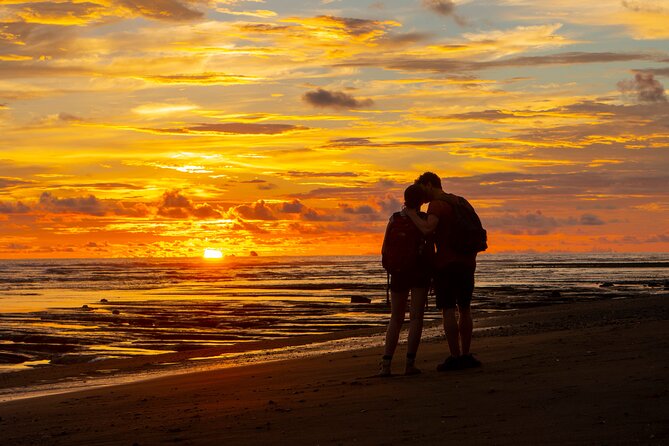
- Max 8 people means better animal viewing and less crowd pressure on the trails
- Overnight at Sirena Ranger Station lets you hear the jungle at night and catch early-morning wildlife
- Guides who track behavior, not just name birds, help you understand what you’re seeing
- Two long guided hiking blocks with a strategic midday rest in between
- Bedding and mosquito nets provided so you can focus on sleep instead of gear hunting
- Time for a jungle-water swim during the Sirena days
Why this 2-day Corcovado safari works (and why timing matters)
Corcovado is one of those places where time of day controls what you see. This tour leans into that reality. You leave Drake Bay early (breakfast at 05:30, boat 06:15), then you’re in the park during those first hours when animals are active and heat hasn’t fully hit yet.
The second day is also early. You start again at 05:00, then work your way into primary forest later in the morning. That rhythm matters because different animals move differently across the temperature curve. You’re not just hiking; you’re matching your schedule to the forest.
And the overnight is the big difference-maker. Sleeping at Sirena Ranger Station means you’re not rushing back out after a single daytime hike. You’re getting the jungle’s “before breakfast” soundscape, plus the calmer, lower-light moments around sunset—exactly when the whole place feels most alive.
You can also read our reviews of more tours and experiences in Drake Bay.
Drake Bay departure and the ride to Sirena Station
Your day begins at Drake Bay (meeting point: Camino de la playa, Osa). The start is early enough that the forest is already awake. You’ll have breakfast around 05:30, then board the boat at 06:15.
The boat portion is part of the adventure—and part of the reality check. A bumpy ride is specifically mentioned by travelers, so if you know motion sickness is your thing, take preventive meds beforehand. This is one of those “save your trip from misery” tips.
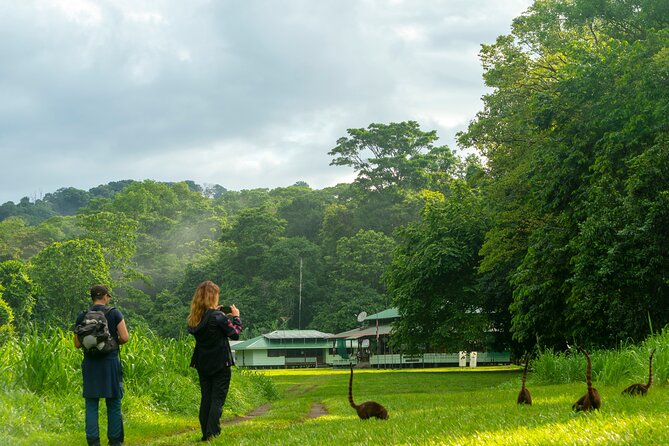
Once you reach the Sirena area, you transition from water to land. You walk from the black sand beach area at Sirena Ranger Station, then you head into guided exploration. One practical upside here: you don’t have to carry everything the whole day. Your luggage is left at the station after you arrive, so your hike packs can be smaller and more manageable.
Corcovado National Park days: trails, breaks, and a smart pacing system
This itinerary is built in blocks, which I like because it keeps the day from feeling like one endless slog. Day 1 is structured around guided exploring at Sirena in multiple stretches, then a strategic midday pause.
Day 1: first trail block, lunch timing, then more off-track exploration
After you arrive and settle in, the first guided exploration runs about 3 hours. This is prime time for spotting things that move quietly or keep to the edges—turtles, rays, dolphins are possible during water travel, and on land you’re looking for monkeys, birds, and other forest wildlife.
At 12:00, the plan shifts to lunch and rest during the hottest time of day. That timing is not an afterthought. Corcovado’s humidity can feel intense, and this pause gives you a chance to reset before the afternoon stretch.
After lunch, you go back out on trails described as off-the-beaten-path. That second exploration block runs about 4 hours and includes time to cool off with a swim in Corcovado’s jungle water. It’s one of those rare chances to switch from dry heat hiking to something refreshing, which also helps you feel less “worn down” by the day.
You return around 05:30 pm, right after sunset. Then dinner at Sirena wraps the day, and you’re in the position to count species you saw and swap stories—while the night sky still looks good if you’re in the mood to stay awake.
Day 2: early start for cooler wildlife activity
Day 2 starts at 05:00 with another early wildlife window. Later, you’re back around 07:15 for breakfast and a break (about 90 minutes). That recovery time matters because you still have a guided hike later.
At 08:30, you depart toward the primary forest. Primary forest hiking is different from edges and secondary growth: you’ll be surrounded by bigger trees and slower, denser movement. The guided element is key here because it helps you notice subtle signs—calls, tracks, and behavior—rather than just looking at a wall of green and hoping something appears.
You’re back to Drake Bay by noon, then the afternoon is yours.
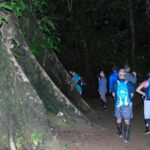
Wildlife spotting: what you should realistically watch for
This tour is designed around wildlife sightings, and the odds are helped by two things: early hours and guide-led tracking.
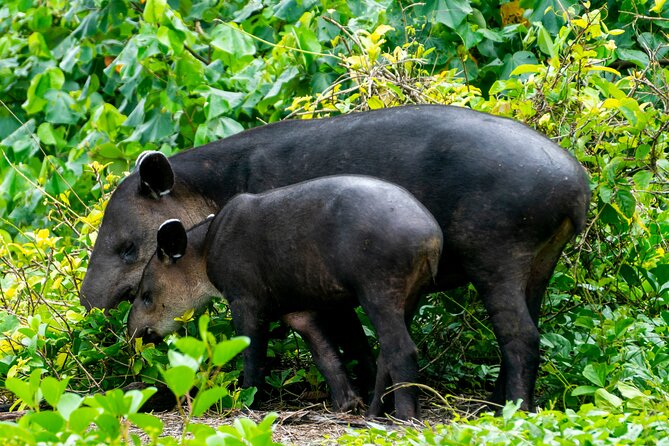
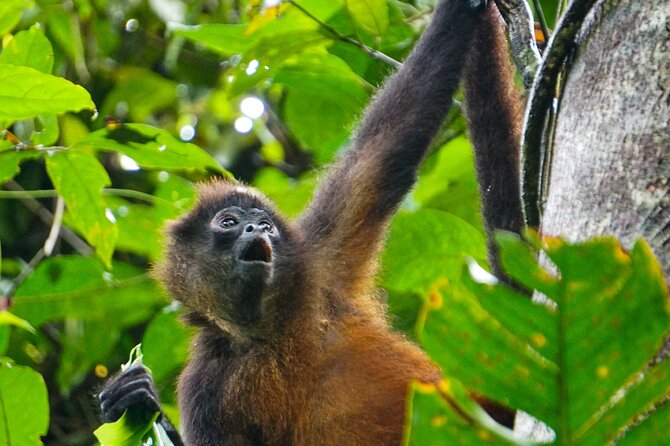
The highlights you can watch for include howler monkeys, toucans, and other rainforest birds, plus the possibility of dolphins during water segments. You might also spot reptiles and other forest animals depending on conditions and movement patterns that the guide reads.
What I like about how this is presented is the emphasis on behavior. A good guide doesn’t just point at animals; they help you understand what you’re looking at and why it’s there. In practice, that changes your experience from random “maybe I’ll see something” to active observation.
And since you’re in a small group, you’re not stuck behind a camera crowd. You can shift position when something calls from one direction, or you can slow down when the guide finds a track or feeding sign.
Sleeping at Sirena: bunk beds, mosquito nets, and the open-air reality
Sleeping at Sirena Ranger Station is a major part of why this tour feels like an actual rainforest trip. You’re in bunk beds with bedding, and mosquito nets are included. You can also expect the forest to be the soundtrack—howlers and birds start your night and can start your morning too.
It’s also open-air. That’s not a complaint; it’s the point. But it does mean you should pack with the climate in mind and accept that comfort is practical, not hotel-level. One traveler suggestion I’d take seriously: consider bringing socks or clean flip-flops for inside use, because outdoor shoes aren’t allowed at the station. That small move helps keep things cleaner and makes you more comfortable when you’re relaxing between hikes.
The station sleeping setup can be exactly what you want if you’re the type who likes the outdoors feel. If you need total privacy, quiet, and controlled temperatures, you might find it more “basic but functional” than you’d hoped.
Meals on the trail: what’s included and what it changes for you
Meals included are: one dinner, one breakfast, and two lunches. That’s a meaningful value piece because it reduces decision fatigue in a remote area and keeps you fueled for longer hiking blocks.
The bigger practical benefit is timing. Lunch isn’t just food; it’s a break during the hottest hours on Day 1. That helps you manage fatigue, especially when humidity is high and when you’re walking around 10 km in the jungle—which can feel like far more than 10 km in a dry climate.
Dinner at the station is another key element. After a full day of walking, it’s a relief to have a meal handled without you planning transport or searching for food in the evening. Plus, dinner is also when you get space to process your sightings and compare notes with your guide.
What $460 really buys you in the Osa Peninsula
At $460 per person for roughly two days, you’re paying for more than a guide and a schedule. You’re paying for access and logistics in a remote place where the “hard parts” are expensive and hard to organize: transportation out of Drake Bay, guided time inside Corcovado, park and station activities, and the overnight at Sirena Ranger Station with bedding and mosquito nets.
The small-group cap (max 8) is where some of that money comes from. Larger groups can be cheaper, but they can also mean more spacing and less flexibility when someone spots movement. Here, you’re buying the ability to actually see.
You’re also getting included meals and a swim during the Sirena days. Those are real comfort and value items, especially when you’re far from shops.
So for the price to feel worth it, you should be the kind of traveler who wants guided animal tracking and is comfortable with humidity, basic accommodations, and long day blocks.
Practical tips that will save your day (and your gear)
Based on what’s been shared by travelers who took this exact style of tour, here’s what I’d pack for success:
- Bring water shoes for getting on and off the boat (helpful on wet surfaces)
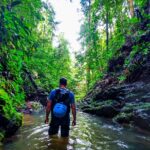
- Hiking boots if you like stable footing; trails can mean mud and slippery areas
- A reusable water bottle (single-use plastic is not allowed in the park)
- Bug repellent (it can be hard to buy in Drake Bay, so don’t rely on last-minute shopping)
- Pack light because you can’t carry actual luggage on the boat—keep everything in your backpack
Also think about comfort tricks:
- If you know you’ll feel hot, plan for sweat and humidity—this is a climate challenge, not a clothing-theory challenge.
- If you want to avoid wet-trip misery, remember the boat ride can be uncomfortable; pack changes in a way that protects from water.
Should you book this Corcovado and Drake Bay 2-day safari?
Book it if you want:
- A true rainforest overnight at Sirena Ranger Station, not a day trip
- Early-morning wildlife time plus a second guided hike in primary forest
- A small group that makes sightings feel easier and less rushed
- Guided tracking that focuses on behavior, not just names
Skip it if:
- You’re not comfortable with heat, humidity, and long guided walking days
- Motion sickness is a frequent problem for you and you don’t plan for it
- You’re traveling with kids under 8, or you’re over 65 and worried about the pace and conditions
If you match those dots, this is a high-value way to experience Corcovado’s core energy in just 48 hours—built around the hours that matter most for animals and the overnight that makes the whole thing feel real.
FAQ
How long is the Corcovado and Drake Bay small-group tour?
It runs for approximately 2 days.
What is the price per person?
The price is $460.00 per person.
What time does the tour start?
The activity starts at 6:15 am, with breakfast scheduled earlier that morning.
How big is the group?
The maximum group size is 8 travelers.
What meals are included?
The tour includes one dinner, one breakfast, and two lunches.
Where do we sleep overnight?
You sleep at Sirena Ranger Station in bunk beds, with bedding and mosquito nets included.
Is the tour suitable for young children or older adults?
It is not recommended for children younger than 8 years old, and it is not recommended for elders over 65.
What should I know about cancellations and weather?
The experience requires good weather. If it’s canceled due to poor weather, you’ll be offered a different date or a full refund. The experience is also non-refundable and cannot be changed for any reason.