REVIEW · ZAKYNTHOS
Half-Day Greek Cooking Class of Zakynthian Culture with Lunch
Book on Viator →Operated by Greek Cookery Class / Zakynthian Culture ''A Journey Into Greek Cuisine'' · Bookable on Viator
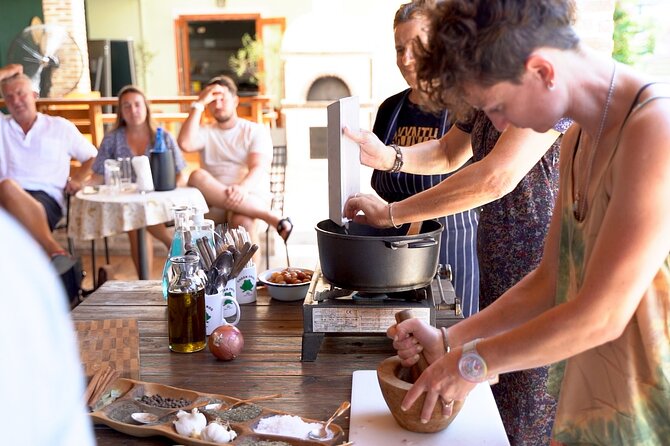
Cooking in a garden changes your whole trip. At Green Frog in Argassi, you join a small-group class where Alex and Mandy connect Zakynthian food to what life on Zante has been like.
I love how you do real work—chopping, rolling, shaping—and you finish with a meal you helped make, not a passive tasting. A possible drawback: the price is fairly high for a half-day, so it’s best if you actually want to cook and not just watch.
In This Review
- Key moments worth planning around
- A half-day that turns Zante food into real understanding
- Getting to Green Frog (and what the 10:30am flow feels like)
- How the small-group kitchen keeps you cooking (not waiting)
- Friday classes: iced mountain tea, stiffado first, then orange cake
- Tuesday classics: moussaka, baklava rolls, saganaki, and tzatziki
- Saturday vegetarian Zakynthian comfort food with kataifi
- Lunch in the shady garden: the meal you built, plus a few perks
- Price and value: what $108.89 buys in 4 hours
- Who should book (and who might not love it)
- Should you book this Zakynthos cooking class?
- FAQ
- What days does the class run?
- How long is the cooking class?
- Where does the class meet?
- What time does it start?
- How many people are in each class?
- Is lunch included?
- What language is the class taught in?
- Do they provide recipes you can use at home?
- Can they accommodate allergies?
- Is it dependent on good weather?
Key moments worth planning around
- A 10:30 start in Argassi that leaves you time for the rest of your island day
- Filo pastry practice, plus the confidence to recreate classics at home
- A build-your-own menu flow: main, appetizers, then orange cake
- Hands-on tastings of local produce, olive oils, cheeses, olives, and wine
- Different menus on Tue, Fri, Sat, so you can pick based on what you want to eat
- Recipe help after the class, so you can repeat the dishes later
A half-day that turns Zante food into real understanding
This is the kind of cooking class that makes you look at Greek food differently. You’re not just learning recipes; you’re learning how ingredients and habits fit together on Zakynthos—why certain dishes show up again and again, and what locals mean when they talk about food as part of daily life.
What makes it work best is the pacing. You cook, you taste, you listen, you snack, then you cook some more. By the time you sit down for lunch in the shade, you already understand what you’re eating and why it tastes the way it does.
You can also read our reviews of more tours and experiences in Zakynthos.
Getting to Green Frog (and what the 10:30am flow feels like)
The class meets at Green Frog, Main Road Argassi, where the outdoor setup helps the whole experience feel relaxed. Start time is 10:30am, and the tour ends back at the meeting point about four hours later.
A few practical points that matter:
- You’ll be standing and working at a kitchen station, so wear comfortable shoes.
- Group size is capped at 12, which is one reason you get real hands-on time.
- It runs in English, and you’ll get a mobile ticket.
Also, the setting is outdoor garden-focused, so if weather is iffy, build in flexibility for your day.
How the small-group kitchen keeps you cooking (not waiting)
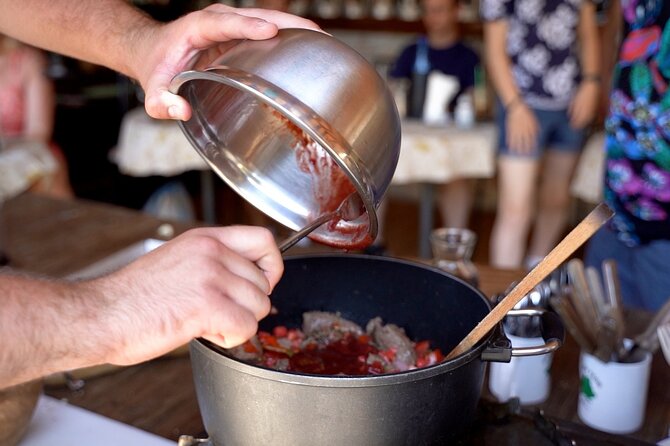
In classes like this, the biggest risk is that you end up watching while someone else does the important steps. Here, you don’t. The structure is built for you to take part—rolling, mixing, assembling, and learning what to do when something isn’t working.
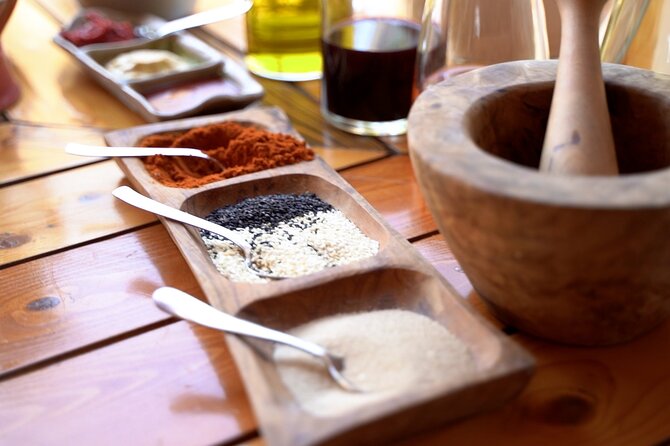
You also get guided tastings along the way. You’ll sample local products like olive oils, cheeses, and olives, and you’ll have wine to sample. That sounds casual, but it’s actually useful: you learn how ingredients taste on their own, then you see them go into dishes.
One detail I really appreciate from the feedback: they handle allergies with care. If you have dietary restrictions, tell them when you book. People reported getting separate portions so they could taste and cook without missing out.
Friday classes: iced mountain tea, stiffado first, then orange cake
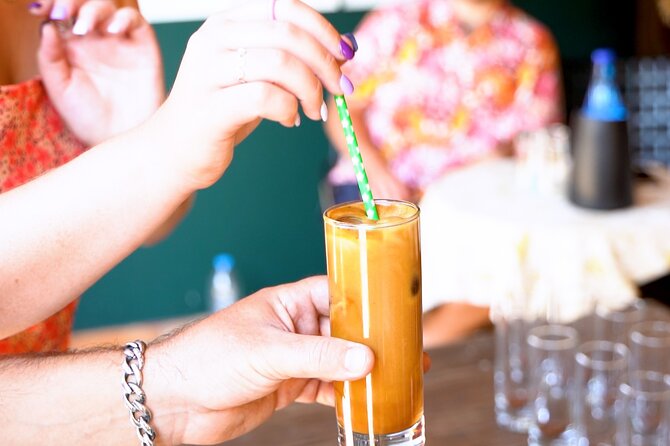
Friday has its own warm-up ritual. The day begins the Greek way with iced coffee and/or healthy mountain tea—and everyone makes their own version. It’s a small start, but it sets the tone: you’re not rushing, and the group atmosphere builds fast.
Then you move straight into cooking with stiffado. This iconic dish is a slow-cooked beef and tomato casserole with baby onions and Greek herbs and spices. The key is the method: you learn that stiffado is about patience and layering flavor, not just tossing ingredients together.
After that, the menu keeps building with appetizers and tastes, including:
- Spinach and feta pie (a classic Greek pie that’s useful beyond the class, since it works for picnic-style meals too)
- Dolmades
- A spicy cheese dip
- An unbelievably simple salad that still delivers
Dessert closes the loop: make-ahead orange cake, a traditional Zakynthian syrup cake, served with ice cream. The class approach makes sense here—you learn cooking steps in the morning, then dessert uses that same idea of planning ahead.
Interspersed through all of it are stories about the island and how Mediterranean eating became what it is today. This isn’t just trivia. It helps you understand why the food is the way it is, and it makes your final meal feel intentional rather than random.
Tuesday classics: moussaka, baklava rolls, saganaki, and tzatziki
On Tuesday, you get the same relaxed format, but with different dishes. If you’ve heard of Greek food and want the best-known hits, this day is the easiest choice.
You’ll focus on:
- Mousaka
- Baklava rolls (and you’ll connect this to filo pastry skills)
- Saganaki
- Greek salad
- Tsatsiki
This set is great because it teaches range. You go from baked comfort food (mousaka) to sweet pastry work (baklava rolls) to salty, punchy flavors (saganaki and tzatziki). By the end, you’re not just leaving with recipes—you’re leaving with a sense of how Greek meals balance flavors: creamy, tangy, savory, and sweet.
A practical benefit: the “classical” dishes tend to be easier to recreate because you’re learning familiar structures. Even if your kitchen setup isn’t the same as Green Frog’s, the logic transfers well.

Saturday vegetarian Zakynthian comfort food with kataifi
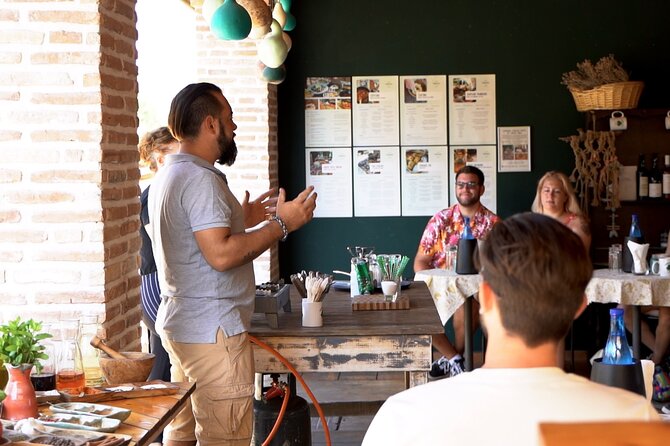
If meat isn’t your priority—or you want a broader Greek repertoire—Saturday is the pick. This version leans into Zakynthian comfort food with a vegetarian-friendly spread.
You’ll cook:
- Stuffed tomatoes
- Courgette fritters
- Spicy baked cheese
- Kataifi
Kataifi is the kind of ingredient that surprises people in a good way. Learning how it’s used turns a dessert or pastry concept into something you can actually handle later at home. And since the other dishes are veggie-forward, you’ll come away with options that fit more dining styles than the classic meat-heavy menu.
Lunch in the shady garden: the meal you built, plus a few perks
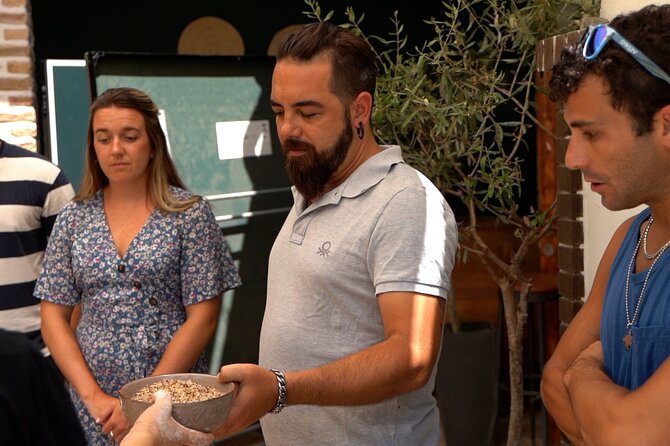
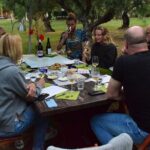
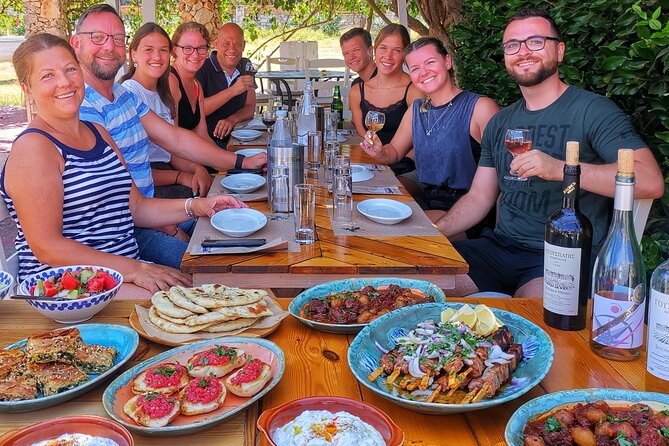
Lunch is included, and it’s served in a shaded garden setting. That matters more than it sounds. After a morning of cooking, you want a place to sit that feels comfortable, not chaotic.
This lunch isn’t just a reward—it’s the final “test.” You taste what you made, notice what you did right, and learn what you’d tweak next time. That’s how cooking skills stick.
A few extras that show up in the experience overall:
- You’ll sample products during the class, so lunch isn’t the first time you’re tasting local flavors.
- Some people also mentioned take-home portions like doggie bags, which is a nice option if you want leftovers or a later snack for the beach.
And if you’re curious about the broader place, Green Frog is also known for live music in its restaurant setting. That’s not the main reason to book, but it’s a good reason to plan your timing so you can enjoy the vibe afterward.
Price and value: what $108.89 buys in 4 hours
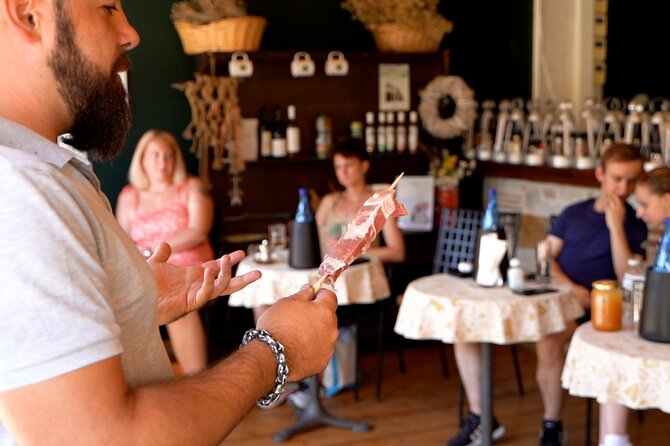
Let’s talk money the practical way. At $108.89 per person for about four hours, this isn’t a bargain-bin activity. But value doesn’t only come from cost. It comes from what you leave with.
Here’s what you’re paying for:
- Real instruction from Alex and Mandy (not just a demo)
- Multiple dishes made in one session (you’re typically working toward a main plus several appetizers, then dessert)
- Lunch included, in a garden setting
- Tastings of local produce, olive oils, cheeses, olives, and wine
- Recipe support after the class via email, so you’re not stuck trying to remember everything from scratch
So the math works best if you:
1) enjoy cooking,
2) want a structured plan for making Greek food at home, and
3) like learning why dishes work, not just how to assemble them.
If you’re only looking for a quick snack-and-photo stop, this will feel like more effort than you want. But if you want skills plus a meal, this price lands more fairly.
Who should book (and who might not love it)
I’d book this if you fit any of these:
- You cook at home and want new dishes that aren’t intimidating.
- You want a small-group experience instead of a big tour bus situation.
- You like the idea of Mediterranean food as culture, not just a menu.
- You want to start your trip with a solid food foundation so the rest of Zakynthos tastes make more sense.
It may be less ideal if:
- You hate hands-on cooking activities.
- You’re short on time and want something that’s mostly passive.
- Weather is a big deal for your schedule, since the class needs good conditions. When weather cancels, you’ll be offered a different date or a refund.
Should you book this Zakynthos cooking class?
Yes—if your goal is to leave with skills and a real sense of Zante food culture, this is a strong choice. The biggest wins are the hands-on format, the care from Alex and Mandy, the connection between stories and ingredients, and the fact that you eat what you made in the end.
If you want a half-day that’s actually useful later—when you’re cooking stiffado, pie, filo pastries, or kataifi at home—book it. Just choose the day based on what you most want to eat: Friday for stiffado plus classic appetizers and orange cake, Tuesday for Greek classics like mousaka and baklava rolls, or Saturday for vegetarian Zakynthian comfort food.
FAQ
What days does the class run?
The class runs on Tuesday, Friday, and Saturday.
How long is the cooking class?
It’s about 4 hours.
Where does the class meet?
It meets at Green Frog, Main Road Argassi, 291 00, Greece.
What time does it start?
The start time is 10:30am.
How many people are in each class?
The class has a maximum of 12 travelers.
Is lunch included?
Yes. A hearty lunch is included with the experience.
What language is the class taught in?
The class is offered in English.
Do they provide recipes you can use at home?
Yes. People reported receiving an email with all the recipes.
Can they accommodate allergies?
They may be able to. One account specifically mentioned being accommodated with separate portions so they could taste everything.
Is it dependent on good weather?
Yes. If it’s canceled due to poor weather, you’ll be offered a different date or a full refund.