A cooking class that feels like family time. At Chrysoula’s Traditional Cretan Home Cooking, you’re in a real home kitchen near Arkadi, joining a small-group lesson (max 12) in English for a hands-on 3.5-hour meal.
I love how personal it feels: Chrysoula and her helper Dee set a warm, funny tone that makes the work easy and the conversation natural. I also love the food choices, from dakos to mousaka and stuffed vegetables, finishing with homemade ice cream made with care and plenty of local ingredients. One consideration: the experience is weather-dependent, so plan around that and bring clothes that can handle a kitchen morning.
In This Review
- Key highlights before you go
- Why this home cooking lesson near Arkadi works so well
- 3.5 hours: how the morning typically unfolds
- First course: dakos to get you started
- Main course: mousaka (the comfort classic)
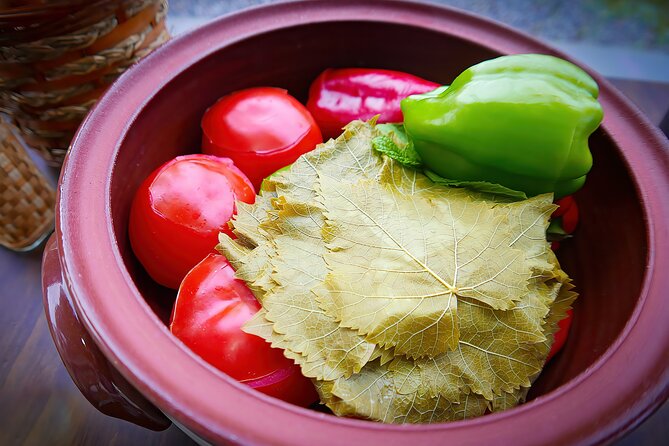
- Another main: stuffed vegetables and the slow-food mindset
- Dessert: homemade ice cream to finish the meal
- What you actually learn while you’re cooking
- Clear instructions without killing the fun
- You’ll leave with more than a photo
- Local ingredients and that Cretan home setting
- Group size, energy, and why it feels like more than cooking
- Private vs. shared experience feel
- Dietary needs: what you should count on
- Price and value: $113.84 for a full Cretan meal
- Meeting near Arkadi: getting there without stress
- Who should book Chrysoula’s Cretan Home Cooking
- Should you book it?
- FAQ
- How long is Chrysoula’s Traditional Cretan Home Cooking?
- What time does the class start?
- Where is the meeting point?
- What’s the group size?
- Is the class offered in English?
- What dishes are included?
- Is service animals allowed?
- What happens if weather is poor?
Key highlights before you go
- Chrysoula + Dee teach together, so you get clear direction without losing the relaxed vibe
- Hands-on cooking across multiple courses, not just watching someone else cook
- Cretan classics on the menu: dakos, mousaka, stuffed vegetables, and homemade ice cream
- Local ingredients are a big deal, sometimes from Chrysoula’s property or family farm
- Recipes are sent after the class, so you can recreate it later at home
- Dietary needs can be accommodated, including a vegetarian option in at least one recent group
Why this home cooking lesson near Arkadi works so well
Cretan food is more than dishes. It’s a rhythm: vegetables prepped with patience, olive oil used with confidence, and a meal that stretches because people keep talking. That’s what you’re signing up for when you choose Chrysoula’s Traditional Cretan Home Cooking—less performance, more everyday island hospitality.
This isn’t an industrial cooking school. You’re hosted in Chrysoula’s home setting, and the mood tends to match a big family meal: lots of small tasks, lots of laughter, and that feeling that everyone belongs at the table. With a maximum of 12 people, you also get enough attention to actually learn what you’re doing.
I also like the practical side. You’re in and out of a kitchen lesson in about 3 hours 30 minutes, with a clear starter-to-dessert flow. And because it’s offered in English, you’re not stuck guessing during the hands-on parts.
You can also read our reviews of more tours and experiences in Crete.


3.5 hours: how the morning typically unfolds
The class runs about 3 hours 30 minutes, with a start time of 10:00 am. You meet at the Arkadi area, and the activity ends back at the same meeting point. That round-trip setup helps if you want a smooth day without a long transfer.
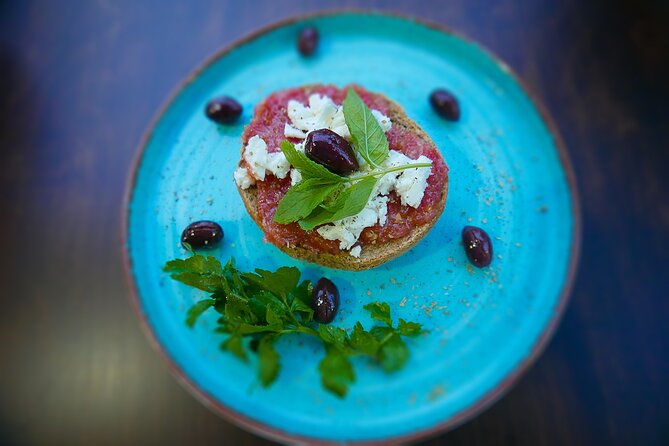
First course: dakos to get you started
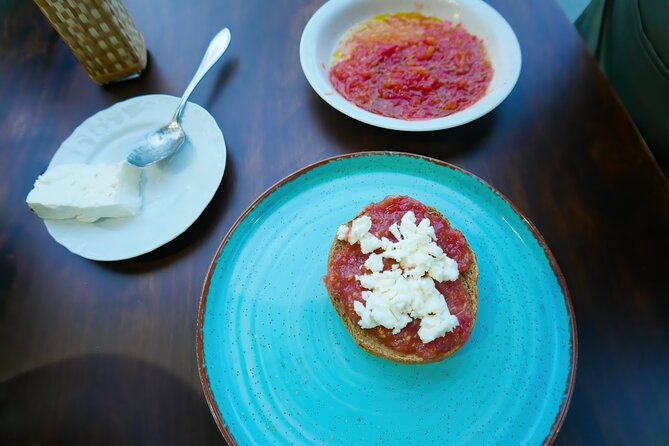
You’ll begin with dakos, a Cretan starter built around bread and toppings that can be simple but hit hard when the ingredients are right. Expect hands-on prep rather than a lecture-only start. This matters because you learn the basics of building flavor the Cretan way—texture, acidity, and olive oil all working together.
Dakos is also a good warm-up for what comes next. It teaches you how the island balances freshness and comfort, and it gets you thinking about how you’ll handle thicker, richer dishes later.
Main course: mousaka (the comfort classic)
Then you move to mousaka, the dish most people recognize and most people struggle to copy correctly. You’ll be working as part of a group, with Chrysoula and Dee guiding you through the steps and helping you avoid common mistakes.
Mousaka isn’t just about the final bake. It’s about layered structure, seasonings, and letting flavors settle. When you cook it with support, you’re more likely to understand what makes it work—rather than just following a recipe card at home.
Another main: stuffed vegetables and the slow-food mindset
After mousaka, you’ll tackle stuffed vegetables. This kind of course is a great window into Cretan cooking because it’s rooted in using what’s available and treating vegetables with respect instead of turning them into side notes.
In the stronger sessions, you may also see other stuffed or vegetable-forward dishes show up alongside the core menu. In at least one class, people learned items like stuffed grape leaves and squash blossoms, which fit the same logic: small parcels, lots of care, and big flavor per bite.





Dessert: homemade ice cream to finish the meal
For dessert, you’ll end with home made ice cream. That’s a satisfying final note because it cools down the richness of mousaka and the comforting weight of stuffed mains.
Ice cream at the end also reinforces the overall approach: Cretan home cooking isn’t only about hearty meals. It includes sweet finishes made with real attention, not shortcuts.
What you actually learn while you’re cooking
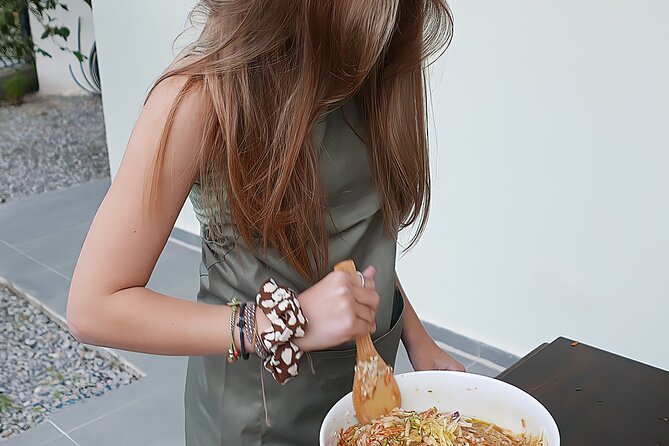
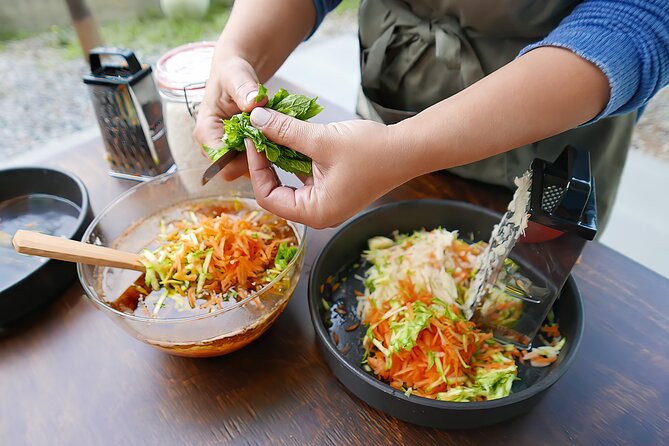
Cooking classes can be hit-or-miss: sometimes you do a little chopping, sometimes you actually learn technique. Here, you can expect hands-on work and clear coaching.
One theme in the experiences shared by others is how Chrysoula provides direction and context while keeping it fun. You’re not just making food—you’re learning the logic behind it: how ingredients behave, what to watch for, and why certain combinations make sense on Crete.
Clear instructions without killing the fun
A good teacher makes you feel capable. Chrysoula’s style (with Dee helping) seems built for that. Tasks get assigned, the pace stays friendly, and you get guidance when you need it. If you’re new to Greek cooking, this is a relief.
You’ll leave with more than a photo
A standout detail: you receive the recipes after the class. That’s huge for value. You won’t be stuck trying to remember olive oil measurements or cooking steps while you’re back home busy.
Local ingredients and that Cretan home setting
Food tastes different when it’s close to home. Multiple experiences describe the ingredients as local, sometimes sourced from Chrysoula’s property or her family farm nearby. That shows up in flavor even if you can’t identify each component.
The setting also matters. You’re not just eating indoors in a sterile space. People describe a home and garden area with views of nearby olive groves. Even if you’re only there for a few hours, that kind of environment changes the meal. It helps you slow down.
Group size, energy, and why it feels like more than cooking
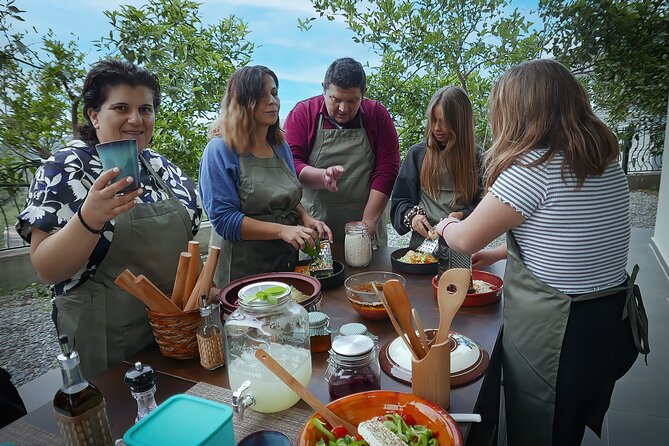
With a maximum of 12, you get that sweet spot between social and manageable. You’re not lost in a crowd, and you’re not trapped in a duo where only one person cooks. It’s easier to meet people, because the tasks keep cycling.
A recurring vibe in the experiences is how the group turns into a small community. People describe hugs, teasing, and ongoing conversation—sometimes with shared moments like raki, which shows up in multiple accounts of the day’s hospitality.
Is this a party? Not exactly. But it doesn’t feel stiff. If you want a lesson where you can talk while you work, this is built for you.
Private vs. shared experience feel
Even when the class is shared, it can feel personal. Chrysoula focuses on comfort and connection, and Dee supports the flow so everyone stays included. For solo travelers, this is often a plus because you’re not cooking in silence.
Dietary needs: what you should count on
This is one of the more practical positives. If you’re managing a dietary preference, you have a decent chance of being accommodated—at least a vegetarian option was handled by preparing a separate dish without meat in one recent experience.
Still, don’t assume every variation is automatic. The safest move is to note your needs when booking and confirm what can be adjusted for your group’s menu.
Price and value: $113.84 for a full Cretan meal
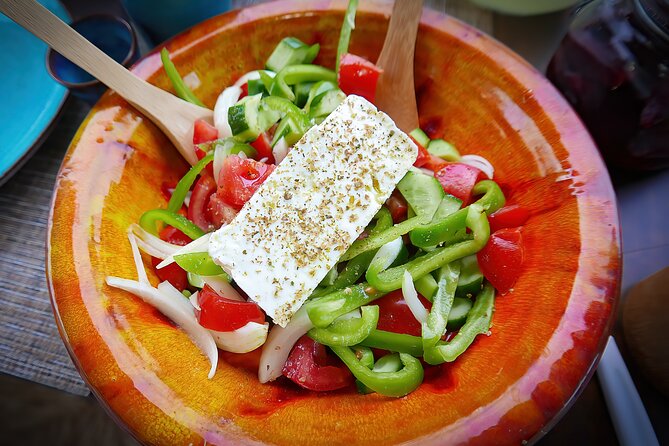
At $113.84 per person for about 3 hours 30 minutes, this costs more than a basic class that only includes a snack. But it’s priced closer to a true meal experience where you cook multiple courses and eat together at the end.
Here’s why it can feel worth it:
- You’re not just watching. You’re helping prepare starter, mains, and dessert.
- The meal is multi-course, so the food portion is substantial.
- Recipes are shared after the class, which turns the experience into something you can use again.
- The setting is intimate (max 12), which often means more coaching per person than larger group options.
If you’re the type who likes to learn by doing—hands in, sleeves rolled, olive oil flowing—this tends to be a strong value.
If you only want a quick taste with minimal cooking, you might find the time commitment a bit more than you expected. But the structure is built for active participation, so that’s part of the bargain.
Meeting near Arkadi: getting there without stress
You start and end at the same place near Arkadi, listed as 8G769H27+JHJ9H27+JHJ. The experience is near public transportation, so you should be able to plan a simple ride in and out.
Because the experience is weather-dependent, check the forecast the day before. If it’s rainy or too rough, you may be offered a different date or a refund. For clothing, wear something you don’t mind getting a little stained. You’ll be prepping food in a real kitchen environment.
Who should book Chrysoula’s Cretan Home Cooking
This is a great fit if you want:
- Hands-on cooking instead of passive sightseeing
- A small-group class where you can actually connect with the host and others
- A meal built around classic Cretan dishes like dakos and mousaka
- A place where dietary needs may be accommodated with advance notice
- A recipe takeaway, since you’ll get recipes after the class
It may be less ideal if you prefer highly structured, studio-style lessons with zero social warmth. This experience runs on personality as much as technique.
Should you book it?
Yes—if your goal is to taste Crete in a way that teaches you something. The combination of hands-on cooking, a real home atmosphere, and a multi-course menu makes this feel like more than an activity. It’s the kind of morning where you leave with a full stomach and a better idea of how Cretan flavors come together.
If weather is questionable during your dates, keep your schedule flexible. Otherwise, book it. This is the sort of Cretan day you can carry back home in your cooking, not just your photos.
FAQ
How long is Chrysoula’s Traditional Cretan Home Cooking?
It lasts about 3 hours 30 minutes.
What time does the class start?
The start time listed is 10:00 am.
Where is the meeting point?
The meeting point is near Arkadi, Greece, at 8G769H27+JHJ9H27+JHJ.
What’s the group size?
The class has a maximum of 12 travelers.
Is the class offered in English?
Yes, it’s offered in English.
What dishes are included?
A sample menu includes dakos (starter), mousaka and stuffed vegetables (mains), and home made ice cream (dessert).
Is service animals allowed?
Yes, service animals are allowed.
What happens if weather is poor?
The experience requires good weather, and if it’s canceled due to poor weather you’ll be offered a different date or a full refund.