Three Cities, one smart walking route. This small-group walk links Cospicua, Birgu, and Senglea with harbor history, plus a story about Caravaggio you won’t forget. I love how it feels like a guided stroll through real neighborhoods, not a drive-by.
Two things I like a lot: the small group setup (max 12) keeps the guide close enough to answer questions, and the route is mostly on foot, so you see more than you would on a bus. You get time at the fortifications and waterfronts where the views and the details matter.
One thing to consider is that timing can get fiddly if ferries run late or not at all from Valletta, and the experience expects good weather. Plan for a quick backup (taxi or local boat options), and you’ll be fine.
In This Review
- Quick hits
- Why the Three Cities feel different from Valletta
- Price and what you actually get for $24.19
- Getting to the start: Valletta Ferry Service to Cospicua
- Walking pace and group size: the small-group advantage
- Stop 1: Cospicua waterfront to Vittoriosa wayfinding
- Stop 2: Birgu fortifications, Collacchio, and Caravaggio
- Stop 3: Senglea waterfront taste test
- What you’ll learn: sieges, navies, and why walls mattered
- Where the tour ends: Birgu waterfront near the Malta Maritime Museum
- Who this tour suits best
- Should you book this tour?
- FAQ
- How long is the 3 Cities walking tour?
- What’s the group size for this tour?
- What language is the tour offered in?
- Where does the tour start and where does it end?
- What’s included in the price?
- Is the tour dependent on weather?
- Can I cancel for free?
Quick hits
- Small group (max 12) keeps the pace comfortable and the guide’s attention on you
- Real waterfront walking in Cospicua, Birgu, and a taste of Senglea beats a bus tour
- Caravaggio’s imprisonment story is tied to the harbor fortress area
- Knights-era fortifications and escape-route details make the walls feel personal
- Professional guide in English, with guides known for energetic storytelling like Karl and Chris
Why the Three Cities feel different from Valletta
Valletta gets most of the spotlight. The Three Cities—Cospicua, Birgu, and Senglea—are where you slow down and look at Malta’s harbor like it’s been doing its job for centuries. The streets are tighter, the scenery is more lived-in, and the fortifications don’t feel like props. They feel like defense systems that actually made sense.
What I enjoy most is the contrast. You start in one historic waterfront town, then move into Birgu’s defensive heart, then end with a short look along Senglea’s shore. It’s a short time window, but the change of scenery keeps your brain awake.
You can also read our reviews of more tours and experiences in Malta.
Price and what you actually get for $24.19
At $24.19 per person, this is one of those deals that looks modest until you break down what’s included. You’re paying for a professional guide, not just a generic walking route. The tour also keeps entry costs out of the picture since the stops are free—so you’re not budgeting extra tickets mid-walk.
Duration is about 2 hours 30 minutes, which is a sweet spot. Long enough to learn the story behind the harbor power plays, short enough to still have time in the afternoon for Malta’s own rhythm—cafés, views, or hopping back to Valletta.
If you’re the type who likes photos but also wants context (why that wall matters, why that street layout exists), this price makes sense. If you’re only after scenic walking with zero interest in history, you might feel less “paid back” by the time you finish Birgu.
Getting to the start: Valletta Ferry Service to Cospicua
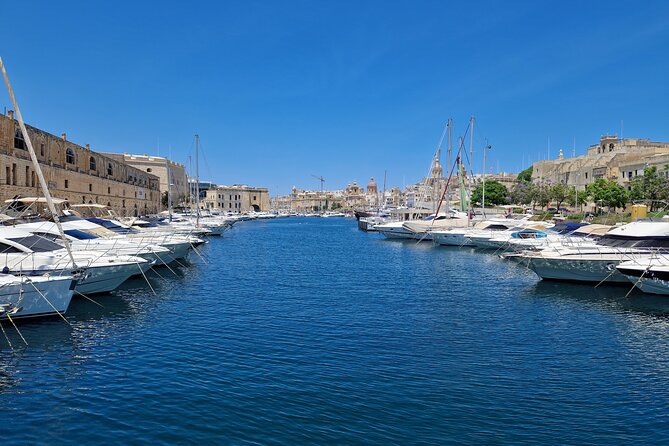
The meeting point is at Valletta Ferry Service – Cospicua (Cospicua). In theory, you ferry over and start the walk from there. In real life, ferry schedules can be unpredictable.
A practical approach:
- Check the ferry plan before you leave Valletta.
- If the ferry isn’t running when you expect, use a taxi to Cospicua and go straight to the meeting area.
One tip worth taking seriously: pin your start location on your map app. A few minutes of confusion at the start is avoidable, and you’ll thank yourself when the group is already underway.
Walking pace and group size: the small-group advantage
This is built for a maximum of 12 travelers, and it shows. When your group is small, the guide can slow down for questions instead of powering through at “tour-bus speed.” Reviews also mention pacing that feels leisurely and easy for most people, so it’s not the kind of walk that turns into a march.
Another bonus: because the guide is actively managing the group, you’re not just “following along.” You get attention, reminders about where to look, and help keeping everyone together for photos without turning the route into a traffic jam.
Also, because there’s a live guide in English, you can ask for clarification on things like the Knights’ role, British naval influence, or why the harbor layout shaped what happened here. You’ll get straight answers, not vague nods.
Stop 1: Cospicua waterfront to Vittoriosa wayfinding
Your first stop is Cospicua (Bormla), where you begin by walking the waterfront in this historic town. The route heads toward Vittoriosa, and that matters: it sets the tone for the day, which is Malta’s relationship with the harbor.
In this phase, you’re mostly in “get your bearings” mode. Waterfronts can look similar until someone points out the historical logic—what the water protected, what the docks enabled, and why these towns grew where they did. Even if you’re not a hardcore history person, the guide’s explanations give you handles to hold onto while you walk.
A small drawback of the first stop: if you’re expecting big landmark moments every five minutes, Cospicua can feel more like an introduction than a finale. Still, it’s a smart warm-up, and it pays off later when you see how the fortifications connect to this earlier waterfront context.


Stop 2: Birgu fortifications, Collacchio, and Caravaggio
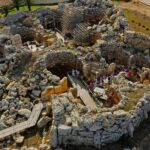
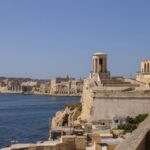
This is the centerpiece. You spend about 1 hour 20 minutes in Birgu (Vittoriosa), walking through the fortifications built by the Knights when they were based here before Valletta became the main hub.
You also get the kind of details that make walls interesting:
- Main entrance into the fortifications
- The Collacchio area
- An escape route
- Time spent near the oldest fortress in the harbor area where Caravaggio was imprisoned
That Caravaggio connection is the headline, but the value is how it’s woven into place. When you hear the story tied to a specific harbor fortress, it stops being a random fact and starts being part of why the harbor towns mattered.
And then there’s the British layer. You’ll see references to the British Navy headquarters in the same harbor fortress context. That adds an extra timeline in your head, from the Knights’ era to later naval power. If you like seeing Malta change hands and adapt, this stop delivers.
One practical note: since you’ll be moving through fortifications, wear shoes you trust. Uneven stone is common around these sites, and you’ll enjoy the walk more if your footing is solid.
Stop 3: Senglea waterfront taste test
After the heavier history of Birgu, Senglea is like a palate cleanser. You spend only about 10 minutes, walking through a small portion of the waterfront.
Don’t treat it like a full stop you can “solve” in a few photos. Treat it as a view-and-feel moment, a quick check of the harbor’s edge and a final reminder that these towns are built to live with the sea right there at street level.
If you’re the kind of traveler who wants one more deep fortification stop, you might wish this time were longer. But the tour design makes sense: the story peaks in Birgu, then ends with a short, scenic wrap-up.
What you’ll learn: sieges, navies, and why walls mattered
This tour does a good job connecting big events to everyday geography. You’ll hear about the Ottoman Great Siege and how Malta’s defenses were shaped by the reality of an enemy arriving by sea. Then you’ll hear about the British naval base era, which shows how later powers used the same strategic harbor logic.
Here’s the key takeaway I’d carry into the rest of your trip: fortifications aren’t just stone. They’re a map of fear, planning, and control. When you walk through the Knights’ headquarters fortifications, then move through harbor fortress areas tied to Caravaggio and later British naval use, you start to see the harbor as a long-term chessboard.
Also, because the group is small and guides are known for good storytelling (Karl and Chris are two names that come up), the history sticks better. It’s not a lecture. It’s a route of scenes.
Where the tour ends: Birgu waterfront near the Malta Maritime Museum
You finish at the Birgu Waterfront in front of the St Laurence Church, near the Malta Maritime Museum. That matters because it puts you right by the traditional boats that leave toward Valletta.
If you want a smoother next step, consider using the local traditional boats back to Valletta instead of the ferry. Some people find the vibe nicer and more direct for that last leg. Even if you stick with the ferry, ending near boat departures keeps you from having to crisscross town at the end.
Who this tour suits best
This is a strong fit if you:
- Want a walking tour with more detail than a bus ride
- Like history that’s tied to exact places (fortresses, escape routes, prison stories)
- Appreciate a small-group format with time for questions
- Prefer a comfortable pace over a power-walk
It’s also a good “first Malta history” tour if you’re already thinking about Valletta but want the harbor towns behind it. The Three Cities help you understand why Malta’s defenses mattered so much.
If you hate walking, or you only want major sights every minute, you might feel slightly frustrated. This is more about story and context than about ticking off endless big monuments.
Should you book this tour?
I’d book it if you want a high-value history walk that doesn’t feel rushed and doesn’t try to cover everything. The price is reasonable for the time, and the small-group cap (12) is the kind of detail that usually makes the difference between a “nice tour” and a “remember it later” tour.
Book it early enough that you can match it with your ferry/boat plans, especially if your day depends on getting from Valletta to Cospicua. And bring your curiosity: the best moments happen when you’re willing to listen to why those fortifications were built the way they were.
If good weather is in the forecast and you’re comfortable with a couple hours of walking through historic streets and fortifications, this tour is an easy yes.
FAQ
How long is the 3 Cities walking tour?
The tour runs for about 2 hours 30 minutes (approx.).
What’s the group size for this tour?
This experience has a maximum of 12 travelers.
What language is the tour offered in?
The tour is offered in English.
Where does the tour start and where does it end?
It starts at Valletta Ferry Service – Cospicua, and it ends on the Birgu waterfront in front of St Laurence Church near the Malta Maritime Museum.
What’s included in the price?
The price includes a professional tourist guide. The stop admissions listed are free.
Is the tour dependent on weather?
Yes. The experience requires good weather, and if it’s canceled due to poor weather you’ll be offered a different date or a full refund.
Can I cancel for free?
Yes. You can cancel up to 24 hours in advance for a full refund. If you cancel less than 24 hours before the start time, the amount paid isn’t refunded.