REVIEW · LANZAROTE
Try Scuba Diving in Lanzarote (No experience needed)
Book on Viator →Operated by Scuba Legends Dive Center Lanzarote · Bookable on Viator
Playa Chica makes learning scuba feel doable. This short, PADI-led experience takes you from paperwork to a calm first underwater session with small-group attention. I like that it’s built for first-timers, and you also get refreshments to keep you steady after gear work. The one thing to think about first: you’ll need to be comfortable in the water and medically fit for the activity.
You meet the instructor at the start point in Tías (near Playa Chica / Puerto del Carmen area), then you’ll organize equipment and complete a health questionnaire. After a briefing, you practice in shallow water, get your breathing and control sorted, and then go for an easy entry reef exploration chosen for beginners.
In This Review
- Key Things You’ll Care About
- Why Playa Chica Works So Well for a First Underwater Session
- Meeting Point Near Puerto del Carmen: Plan for a Simple Start
- Before You Enter the Water: Paperwork, Equipment, and a Real Health Check
- The Shallow-Water Skills Part: Where Confidence Gets Built
- The Reef Plan Around Lanzarote: Beginner-Friendly Marine Life Without the Pressure
- What’s Included: How This Becomes Good Value
- Equipment and Comfort: What to Bring for a Smooth Day
- The “No Experience Needed” Part: Who This Really Suits
- Price and Logistics: Is $108.61 Worth It?
- Quick Practical Notes Before You Book
- Should You Book This Try Scuba Session?
- FAQ
- FAQ
- Do I need any scuba experience to book this?
- How long is the experience?
- What language is the instruction in?
- How many people are in the group?
- Where do I meet the instructor?
- What’s included, and what do I need to bring?
- Is there a minimum age?
- Are there medical requirements?
- Can I fly soon after the session?
Key Things You’ll Care About
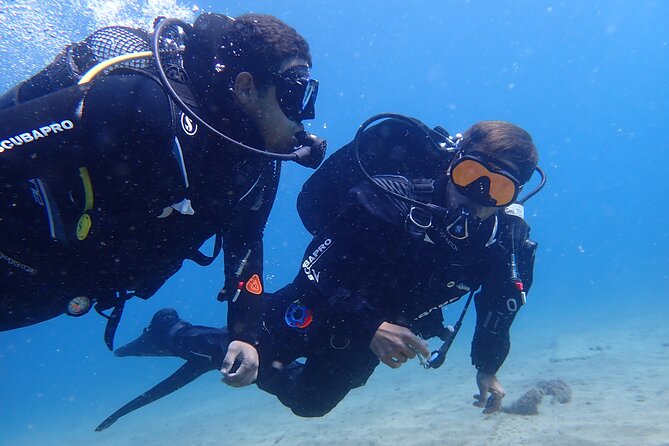
- PADI-certified instruction: you get guided explanations on equipment and marine life
- Max 4 people: guaranteed small groups for less waiting and more help
- Shallow water first: skills practice before going to the reef area
- Shore-friendly site selection: sites are picked for beginner access and easy entry
- Included insurance + equipment: you’re not piecing together your own scuba basics
- Fuel included: refreshments and a small snack during the session
Why Playa Chica Works So Well for a First Underwater Session
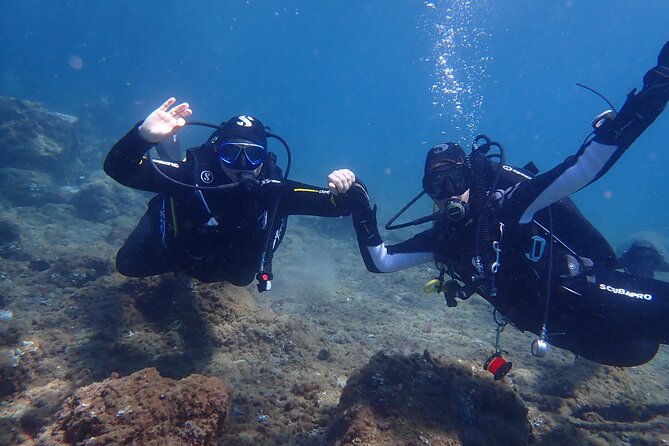
For a first scuba try, your biggest risk isn’t just nerves. It’s getting comfortable with the gear while your body is adjusting to being underwater. This setup starts you off in shallow water at Playa Chica, Puerto del Carmen, which makes sense. Shallow means you can focus on breathing and buoyancy without feeling rushed or overwhelmed.
The route is also designed for beginners. The operator notes that the locations chosen for the Discover-style experience are perfect for learning and easy to enter from shore. Translation: you’re not climbing into anything complicated, and you’re not thrown into a heavy current situation as your first step.
Finally, there’s a practical bonus: Playa Chica is a known beach start area. That matters because the whole day runs smoother when you’re not doing long transfers or complicated entry setups before you’ve even touched the water.
You can also read our reviews of more tours and experiences in Lanzarote.



Meeting Point Near Puerto del Carmen: Plan for a Simple Start
You’ll start at C. Bajamar, 2, 35510 Tías, Las Palmas, Spain, and you’ll return back to the same meeting point. The experience also says you’ll meet your instructor at Playa Chica in the Puerto del Carmen area. In real life, that usually means you’ll link up at the listed pickup/start point and then move a short distance to the water.
Two things I like about this kind of arrangement:
- It’s easy to find and re-check on maps.
- It avoids the “drive around and guess where everyone is” feeling that some small activities create.
You should plan to arrive with enough time to handle the paperwork and equipment organization without rushing. The session is about 2 hours total, so being even a few minutes late can cut into your practice time.
Before You Enter the Water: Paperwork, Equipment, and a Real Health Check
This is not a casual swim-and-go situation. You’ll complete paperwork and health questions before anything underwater happens. The operator requires you to be medically fit and do a health questionnaire. Some pre-existing conditions might stop you from participating (examples listed include no asthma or heart problems, plus other serious issues). If you have any doubts, it’s smart to check with your doctor before you go.
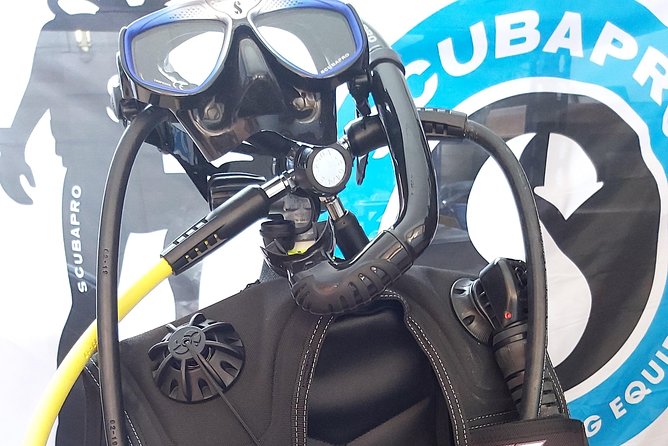
You’ll also organize your equipment on-site. That includes getting set up with the scuba kit and understanding how it works. The briefing covers equipment use and marine life, so you’re not just learning how to breathe underwater, you’re also learning what you’re likely to see and how to act around it.
A small but important detail: the tour includes scuba equipment, but towels and swimming wear are not included. Bring what you need so your only focus is getting ready properly.
The Shallow-Water Skills Part: Where Confidence Gets Built
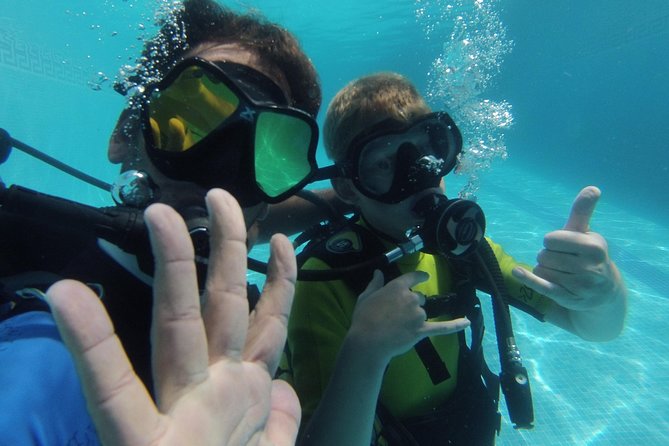
Here’s what the “try” portion really means in practice. You’ll start in shallow water and do skills sessions to get relaxed and comfortable with breathing underwater. For many first-timers, this is the make-or-break stage. If the instructor guides you step-by-step, your body stops panicking because you know what comes next.
You can expect an instructor-led flow that goes like this:
- instructor briefing and explanation of equipment
- gearing up with supervision
- practice in shallow water, working through controlled skills
- time to breathe, reset, and feel steady
- then you move on to the planned reef area
This is why small groups matter. With up to 4 people, there’s more time for personal coaching and fewer awkward pauses while you wait for others to get sorted.
From what the team’s approach shows in practice, they also keep communication clear and reassuring. In past sessions, instructors like Igor and Raúl were specifically praised for calm, patient guidance—exactly what you want when you’re learning new body mechanics underwater.
The Reef Plan Around Lanzarote: Beginner-Friendly Marine Life Without the Pressure
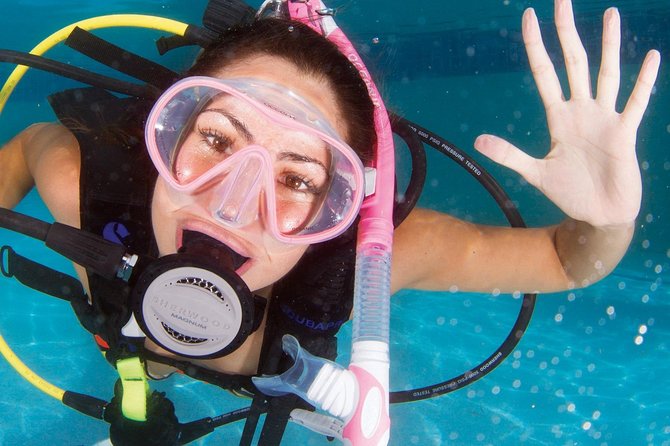
Once everyone feels comfortable with the shallow-water skills, you’ll head out for the main underwater experience around the reef. The operator notes the dive sites (water sites, for beginners) are chosen to be easy to enter from shore and suitable for first-timers.
What you’re likely to enjoy here is the mix of:
- relaxed pace (the goal is comfort, not speed)
- varied underwater scenery around Lanzarote
- plenty of marine life to look at while you practice staying calm
A standout for Lanzarote scuba newcomers is the chance to see fish life near shore without it feeling like a technical challenge. If you have a specific bucket-list underwater place in mind, there’s a nearby favorite you might want to ask about: the Museo Atlántico (also spelled Atlantico in some info). Some sessions run around Playa Chica and the museum area, and it’s often described as a memorable add-on for non-certified first-timers.
Tip: if Museo Atlántico is your priority, ask ahead of time whether it’s part of your exact plan for your date. The standard description focuses on beginner reef sites, so you’ll want to confirm what your operator has lined up.





What’s Included: How This Becomes Good Value
Price is $108.61 per person for an experience that’s about 2 hours. To me, the value comes from what’s included and what you’re not doing yourself.
Included:
- scuba equipment
- insurance
- certified and experienced PADI instructor
- guaranteed small groups
- refreshments and a small snack
Here’s why that matters for real life. When you’re new, the cost isn’t only the equipment rental. It’s also the time spent figuring out what to bring, how to use it, and whether you’ll get help fast enough when something feels off. Getting the equipment and insurance handled removes a chunk of stress.
The refreshments and snack also help more than you’d think. Gear work builds effort, and snorkeling-level expectations often turn into actual physical exertion once you’re in kit and focused on breathing. A snack avoids that late-session “hangry” dip.
One more value signal from the team: several instructors are credited with clear English and thorough explanations. That’s huge for kids and adults who want to understand what’s happening instead of just following instructions.
Equipment and Comfort: What to Bring for a Smooth Day
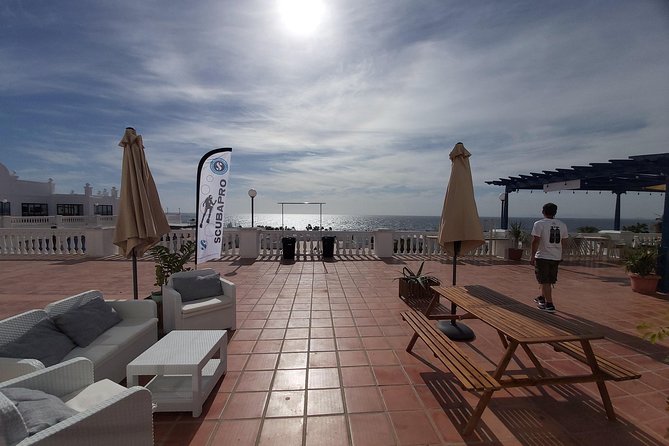
The basics you should bring are simple, but don’t skip them:
- swimming wear (since towels and swimwear aren’t included)
- comfortable clothing you don’t mind changing in
- anything you normally use for water comfort (if you wear contact lenses, think carefully about what feels safe for you)
You should also be ready for the fact that you’ll be gearing up on-site. That means you’ll want to arrive ready to get processed quickly, not still sorting out your bag contents at the water.
Also remember the weather rule: scuba requires certain conditions. If poor weather cancels the activity, you’ll be offered an alternative date or a full refund. This doesn’t mean you’ll be stranded—it just means you should be flexible with plans around that day.
The “No Experience Needed” Part: Who This Really Suits
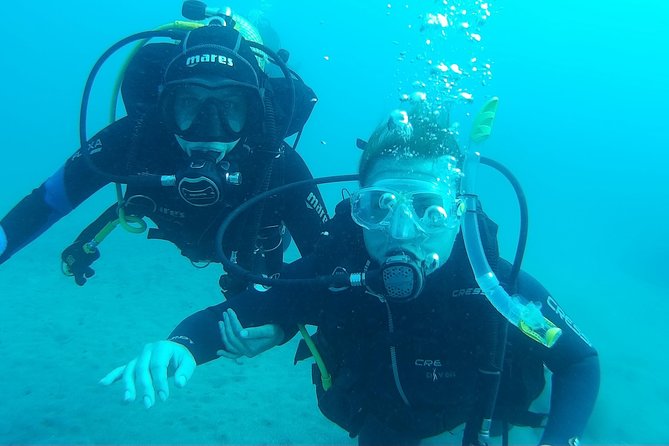
This is designed for beginners, and the information is consistent: no experience is needed, and it’s intended as a try session with expert instruction. The minimum age is 10 years, and most people can participate if they meet the medical requirements and are comfortable in the water.
This experience is especially well-suited for:
- first-timers who want step-by-step guidance
- families with teens or kids age 10+ who can follow instructions
- people who want a short, structured plan instead of an all-day commitment
- anyone who likes clear communication in English
It may be less suitable if:
- you’re not comfortable being in the water for a short period
- you have a medical condition that could prevent safe participation
- you’re planning to fly or go to altitude very soon after the session (see the FAQ)
Price and Logistics: Is $108.61 Worth It?
At $108.61 for roughly 2 hours, you’re paying for instruction time, equipment use, insurance, and a small-group setup (maximum 4 people). That’s where the value lives.
If you were to rent gear on your own, hire instruction separately, and then add insurance later, you’d likely spend more and still face uncertainty about comfort and safety guidance. Here, the operator handles the full chain: paperwork, equipment, instruction, and the beginner-friendly water plan.
Also, small-group attention changes how fast you learn. You get more individual help during gearing up and shallow-water practice. For first-timers, that reduces stress and makes the whole session more likely to feel enjoyable instead of scary.
Quick Practical Notes Before You Book
A few facts to keep in mind so you don’t get surprised:
- Confirmation is received at booking time.
- The experience is offered in English.
- You return to the start point afterward.
- You should be medically fit and complete the health questionnaire before participating.
- You’ll need good weather for the session to run.
There’s also an altitude note you should plan around. After one underwater session, you’re prohibited from flying or going above 300 meters altitude for 12 hours. After two sessions, it’s 18 hours. If your trip includes a flight the same day, check your timing carefully.
Should You Book This Try Scuba Session?
I’d book it if you want a structured first step into scuba with a serious instructor, a calm shallow-water start, and a beginner reef plan. The combination of PADI-certified guidance, guaranteed small groups (max 4), and included equipment and insurance makes this feel designed for people who want clarity and comfort, not guesswork.
I wouldn’t book it if you’re unsure about being comfortable in the water or you have a medical history that could fail the health screening. And if your schedule is tight around flights or altitude changes, you’ll want to plan your other travel steps so you’re not stuck waiting.
If you’re on Lanzarote and you’ve been curious about what scuba would actually feel like, this short try format is a smart way to test the experience without committing to a full course.
FAQ
FAQ
Do I need any scuba experience to book this?
No experience is needed. The session is designed for beginners, starting with shallow-water skills and moving to an easier reef area once you’re comfortable.
How long is the experience?
It’s approximately 2 hours.
What language is the instruction in?
The experience is offered in English.
How many people are in the group?
The experience has a maximum of 4 travelers.
Where do I meet the instructor?
You start at C. Bajamar, 2, 35510 Tías, Las Palmas, Spain, and the activity ends back at the same meeting point.
What’s included, and what do I need to bring?
Included: dive/scuba equipment, insurance, a certified PADI instructor, guaranteed small groups, and refreshments plus a small snack. Not included: towels and swimming wear.
Is there a minimum age?
Yes. The minimum age is 10 years.
Are there medical requirements?
Yes. You must be medically fit for diving and you’ll complete a health questionnaire before participating. Some conditions may prevent you from going underwater, so if you’re unsure, consult your doctor.
Can I fly soon after the session?
No. You should not fly or go to altitude above 300m for 12 hours after one underwater session, or 18 hours after two sessions.