REVIEW · TENERIFE
Tenerife – Farm Tour with Cheese Tasting
Book on GetYourGuide →Operated by Queseria Montesdeoca S.L · Bookable on GetYourGuide
Goats, cheese, and farm life in one hour. You’ll start by meeting the Canary Island goats and end with a hands-on-style tasting. It’s a small, friendly stop that’s unusually close to the work behind the product.
I especially like the way the tour mixes animal time with real production time. You’re guided through the cheese factory and shown how the cheese is crafted and aged, not just handed to you for tasting. The main thing to keep in mind: it’s a live-guide experience, so if you were hoping for audio support in every language (like French), you may not get it.
In This Review
- Key Highlights at a Glance
- Entering Quesería Montesdeoca: a short tour that actually teaches
- Meeting the goats first: why the animal intro is more than cute
- Inside the cheese factory: seeing handmade steps and aging in plain language
- The one-hour rhythm: photos, camp moments, and where the time goes
- Cheese tasting on the farm: fresh to smoked to aged
- Optional wine pairing if you want it
- Price and value: what $33 buys you (and why it’s fair)
- Best for food lovers, families, and first-timers
- Language and guide quality: choose the one you’ll enjoy most
- Practical tips that make your visit smoother
- Should you book the Tenerife farm tour with cheese tasting?
- FAQ
- How long is the Tenerife farm tour with cheese tasting?
- Where does the tour start?
- What’s included in the cheese tasting?
- Is wine included?
- What languages are available for the live guide?
- Is this tour wheelchair accessible?
- Are children welcome?
Key Highlights at a Glance
- Meet baby goats and the local Canary Island breeds at the start, before you ever see the factory
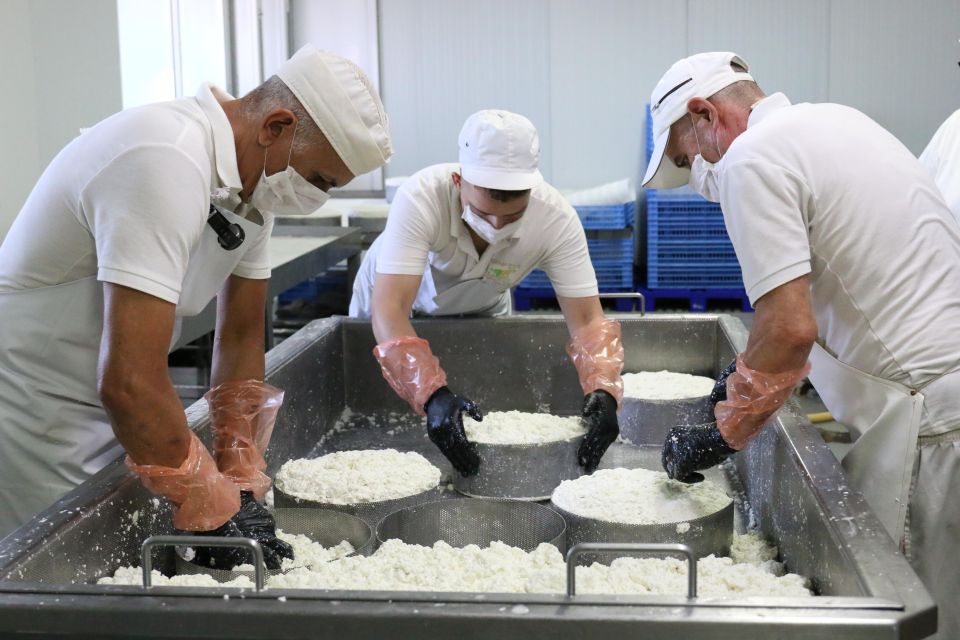
- See handmade cheese steps up close in a working production space
- Learn how aging changes the cheese, not just what it tastes like
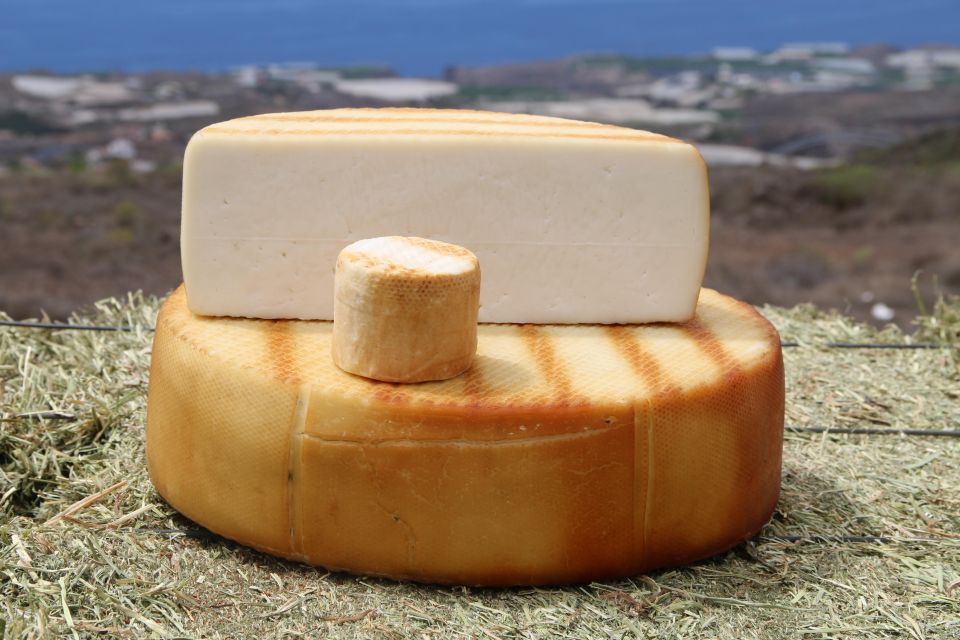
- Try a flight of award-winning goat cheeses fresh, smoked, semicured, and aged
- Small group size (up to 10) keeps questions easy and the pace relaxed
- A one-hour format means you can fit it between sightseeing plans without a full day commitment
Entering Quesería Montesdeoca: a short tour that actually teaches
This tour is built for people who love food, animals, and learning by watching. You don’t need prior knowledge about goat cheese. You just need comfortable shoes and a willingness to get a little farm-side dirty (not literally, but farm tours tend to be unpretentious).
You begin at the main gates of Quesería Montesdeoca, greeted by your live guide. From there, the experience is structured like a mini story: animals first, then production, then tasting. That order matters. It helps you understand why the cheese is the way it is—starting with the goats’ local relevance and ending with flavors created through careful handling and aging.
The time window is short (about 1 hour), and that’s a plus if you’re juggling a tight Tenerife itinerary. It also means the tour works best when you arrive ready to focus. If you want a leisurely stroll and long Q&A, you might feel the pace is quick. But for most foodies and families, it’s exactly right.
You can also read our reviews of more tours and experiences in Tenerife.

Meeting the goats first: why the animal intro is more than cute
The tour starts with farm life—right where it happens. You’ll meet the animals, including a baby goat, and be introduced to the local breed of Canary Island goats. This part isn’t just for smiles. It sets up the cheese story in a way that tasting alone never does.
I like that you’re shown, in plain terms, how the animals connect to Tenerife. Goats are not a random farming detail here. They’re part of why local dairy traditions exist in this island climate and landscape. Even if you’re not a farm person, you’ll likely come away with a clearer sense of what local cheesemakers are protecting and continuing.
This is also where families usually have the most fun. Kids can say hello to the animals, adults get an easy entry point into the production talk, and everyone gets the chance to feel like they’re visiting a real farm rather than a staged demo.
One practical note: since the tour begins outdoors on the farm grounds, wear shoes you’re happy to walk in. The experience is wheelchair accessible, but the route still involves farm surfaces, so good footwear helps everyone.
Inside the cheese factory: seeing handmade steps and aging in plain language
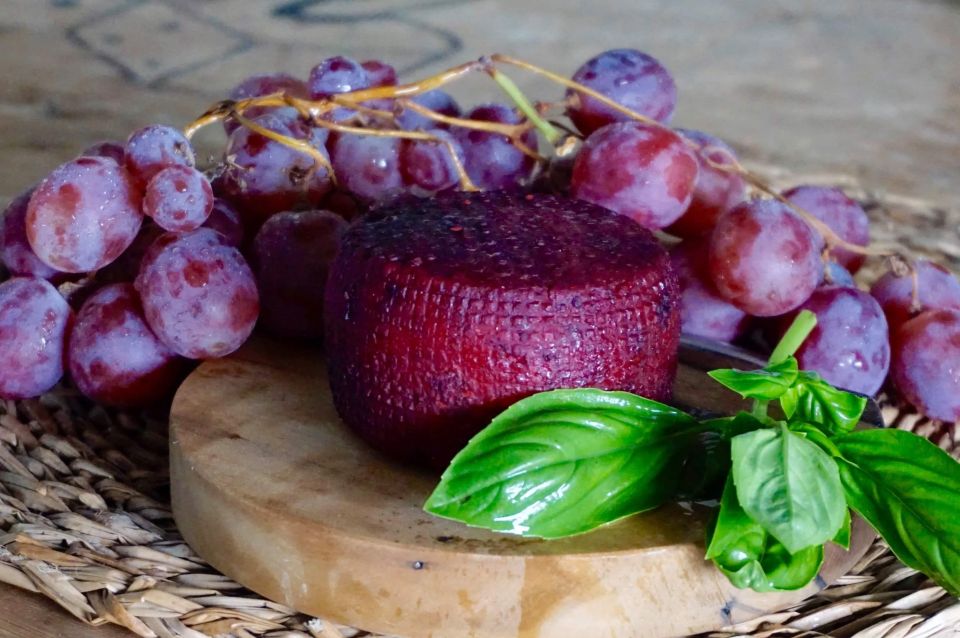
After you’ve met the animals, you move into the cheese-making space. This is the section that turns the tour from a nice visit into a real education. You’ll be guided through the factory area and shown how cheese is crafted by hand, then how it’s aged.
What you’re looking for here is the difference between seeing a finished product and understanding the process that leads to it. You’ll hear the logic behind steps—how handling and time shape texture and flavor. Even if you can’t memorize every detail, you’ll start to recognize what aging does while you’re tasting a few minutes later.
A big value point: this isn’t a generic slideshow. It’s presented live by a guide who can explain what you’re seeing in the moment. The tour guide is available in Bulgarian, English, Serbo-Croatian, and Spanish, so you can choose the language you’re most comfortable with.
The tone tends to be enthusiastic and friendly, which matters in a factory setting. If you’re the kind of person who asks lots of questions, you’ll likely enjoy having the guide there to answer in real time. If you’re shy, you’ll still get the core explanation without feeling put on the spot.
The one-hour rhythm: photos, camp moments, and where the time goes
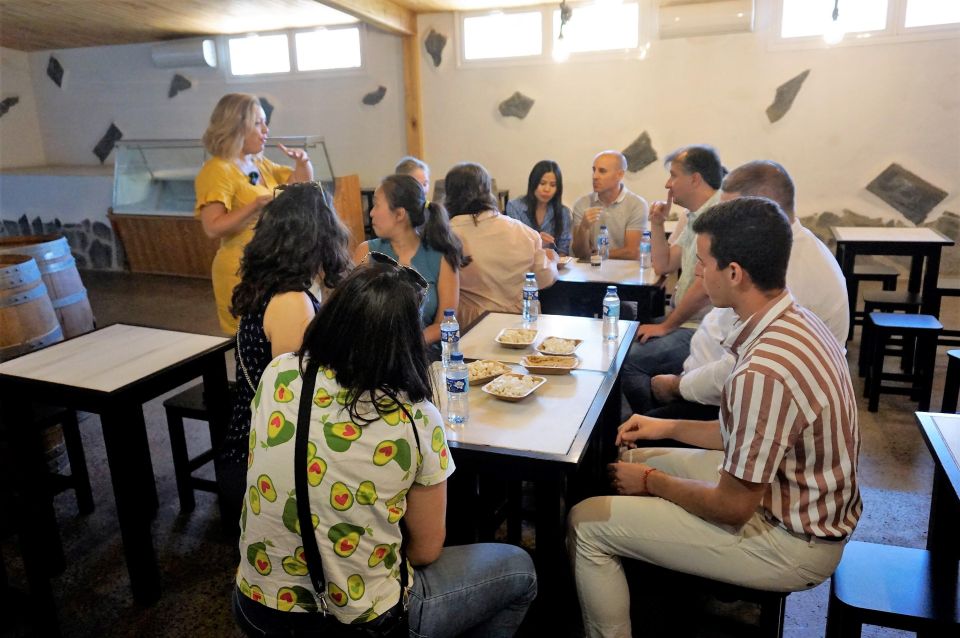
A tour like this can feel either too short to matter or perfectly paced. Here, the 1-hour duration is the design. You start with animals, then shift to the factory, and you still end with tasting.
You’ll also have a bit of time for a photo stop and scenic moments on the way through the property. There are “camp activities” included as well, and the timing is arranged so you don’t spend the whole hour behind a counter. The result feels like: see, learn, taste, done.
Small group size is part of the experience quality. With a group limited to 10 participants, you’re less likely to get lost in the crowd. It also makes factory access more manageable. In a real production environment, that “everyone can see” factor matters.
If you’re traveling with kids, this short format can be a gift. They’re not stuck for hours. They get animal time up front and a tasting finish that’s usually more engaging than a museum-style talk.
Cheese tasting on the farm: fresh to smoked to aged
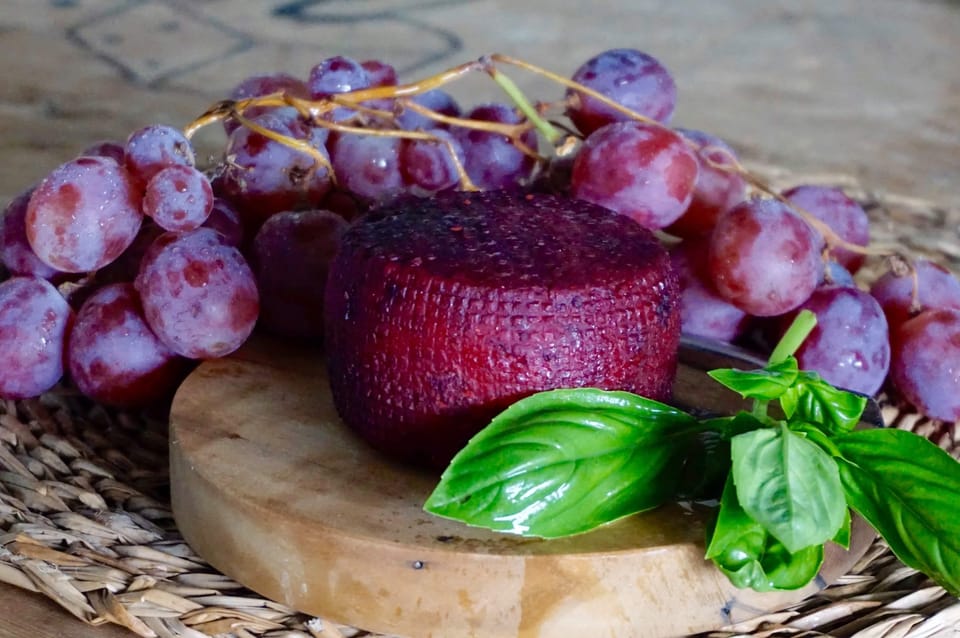
Here’s the part you’re really booking for: tasting. The tour ends with a cheese degustation featuring three of the most awarded cheeses, served right after you’ve learned the basic process and the role of aging.
You’ll sample cheeses across a range of styles, including farm fresh, smoked, semicured, and aged. That variety is a smart way to taste like a cheesemaker. You’re not just trying three versions that are all similar. You’re getting a spectrum of what changes over time and through processing.
This is also where your factory observations start clicking. If you noticed how aging is discussed, you’ll likely taste those effects in texture and strength. Fresh cheese tends to feel mild and soft. Smoked cheeses bring another layer through processing. Semicured can land in the middle—often offering a balance between freshness and depth. Aged cheese usually brings the longest flavor development and a more intense character.
And yes, your senses will be the main takeaway here. You don’t need technical terms to enjoy it. But the guide’s explanations can help you understand why one piece tastes sharper, creamier, saltier, or more complex than another.


Optional wine pairing if you want it
At the farm, there’s also wine tasting mentioned as possible during the visit. If you want matching wine, it’s available for an extra fee. This can be a nice add-on if you like learning how cheese and wine interact, but the core value is the cheese flight itself.
Price and value: what $33 buys you (and why it’s fair)
At around $33 per person for a one-hour visit, this isn’t an all-day excursion. It’s closer to paying for access: entry into a working goat farm, a guided walk through the factory where cheese is made by hand, plus the end tasting of top cheeses.
The value comes from the combination:
- Guided factory time (not just a tasting room)
- Handmade cheese explanation during the visit
- A tasting that includes three award-level cheeses
- A small group that keeps the experience personal
If you’re just hunting for the cheapest activity, this may not beat a free viewpoint or a supermarket snack. But if you care about food and you want more than a generic tour, the price makes sense. You’re paying for an efficient education and a proper tasting at the source.
It’s also friendly to families. Children aged 3 to 11 can attend at a child rate of 9 euros. That’s a big deal if you’re trying to keep the day fun without spending adult-level money for every child in the group.
Best for food lovers, families, and first-timers
This tour is well suited to:
- Foodies who want to understand where goat cheese comes from and what aging does
- Families who want a gentle, animal-friendly start to the Tenerife day
- First-timers who are new to goat cheese and want a guided tasting rather than guessing in a shop
It’s also a good fit if you prefer smaller, more human experiences. A group size capped at 10 helps. And because the whole visit is about an hour, it works as a planned activity even if your schedule is tight.
Who might want to rethink it? If you’re looking for a long, scenic hike or a full-day behind-the-scenes farm experience with heavy downtime, the short format may feel like a quick stop. This is intentionally compact.
Language and guide quality: choose the one you’ll enjoy most
Your guide is a live storyteller, not a passive audio track. The tour operates in Bulgarian, English, Serbo-Croatian, and Spanish, and the guide meets you at the entrance gates.
One review note that matters for expectations: there were comments about missing audio guides in French. That doesn’t mean the tour isn’t good—it just means you shouldn’t count on audio-style language support. If language is important, pick the tour in the language you can follow best.
In general, the best tours feel like conversation. This one aims for that by keeping the group small and the pacing active.
Practical tips that make your visit smoother
A few small choices can make a noticeable difference:
- Wear comfortable shoes for farm-ground walking.
- Keep your phone away during the factory part if the guide is explaining closely—listen first, then take photos afterward.
- Plan your day around the start time window: tours run Monday to Friday from 10am to 1pm.
- If you’re traveling with children, remember the visit is about animal time + cheese learning, not a playground tour.
Also, there’s a minimum reservation rule: a minimum of 2 people is required, and it has to be made two weeks in advance. So don’t treat this like a last-minute add-on.
Should you book the Tenerife farm tour with cheese tasting?
If you want a hands-on-feeling food experience that’s short enough to fit into a busy Tenerife trip, I think this is a smart book. The strongest reasons to go are the blend of animals + factory + tasting, and the fact that you’ll taste a lineup of styles rather than a single safe option.
Skip it only if you’re looking for a long excursion or a self-guided experience. This is guided, and it works best when you’re ready to pay attention for an hour.
FAQ
How long is the Tenerife farm tour with cheese tasting?
It lasts about 1 hour.
Where does the tour start?
The guide meets you at the main gates of Quesería Montesdeoca.
What’s included in the cheese tasting?
The tour ends with a cheese degustation featuring three of the most awarded goat cheeses, and you’ll be able to taste multiple styles like fresh, smoked, semicured, and aged.
Is wine included?
Wine tasting is possible during the visit, and matching wine can be added for an extra fee.
What languages are available for the live guide?
The live guide offers Bulgarian, English, Serbo-Croatian, and Spanish.
Is this tour wheelchair accessible?
Yes, it is wheelchair accessible.
Are children welcome?
Yes. Children aged 3 to 11 can join and pay a child rate of 9 euros.
If you want, tell me your travel dates and whether you prefer English or another language—I can help you plan where this fits best during your Tenerife day.