REVIEW · TENERIFE
Tenerife: Stargazing Walk in Teide National Park
Book on GetYourGuide →Operated by A donde vamos hoy · Bookable on GetYourGuide
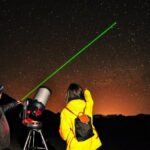
The stars over Teide feel close enough to touch. This 2-hour night walk in Teide National Park turns a cold, high-altitude sky into a guided show, with laser-guided help to find constellations quickly and confidently. I especially like that you get a personal picture to capture the moment, not just a pile of verbal astronomy.
The second thing I really like is the way the guide keeps the science human. You’ll hear clear explanations and fun sky facts from a local astrophysicist and a certified official guide, in small groups. One thing to plan for: there’s no telescope included, so this is best for people who want to look at the sky with their own eyes (and the laser pointers), not for close-up planet viewing.
In This Review
- Key Highlights You’ll Feel During the Walk
- Why Teide National Park Is a Top Stargazing Choice
- Getting Started at the Parador Cañadas del Teide
- The Roques de García Walk: What Happens on the Trail
- Laser-Guided Constellations and the Sky Stories You’ll Remember
- Lanterns, Comfort Stops, and How the Walk Actually Feels
- Price and Value: Is $28 Worth It for This Teide Night?
- Best Fit: Who Should Book This Stargazing Walk
- Weather and Night Conditions: Why Your Sky Might Shift
- Should You Book This Teide Stargazing Walk?
- FAQ
- Where is the meeting point for the stargazing walk?
- How long does the tour take?
- What’s included in the price?
- Is a telescope included?
- Do you offer the tour in English and Spanish?
- Do I need my own car to get there?
- What if the sky is cloudy or the tour is canceled by the organizers?
Key Highlights You’ll Feel During the Walk
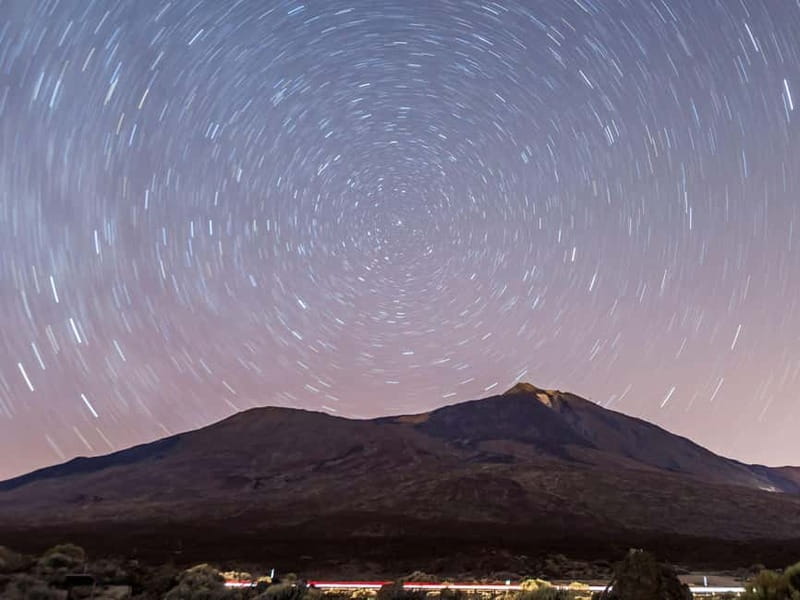
- High-altitude stargazing near 2,000 meters means darker skies and easier viewing than lower elevations
- Laser-guided constellation spotting helps you follow along instead of getting lost in the dark
- A calm, easy 2–3 km walk with plenty of stops to sit, look, and learn
- Roques de García is the night-sky stop that turns the stars into a story
- Lanterns provided so you can focus on the sky, not your footing
- Local astrophysicist + certified official guide for astronomy talk with real authority
Why Teide National Park Is a Top Stargazing Choice
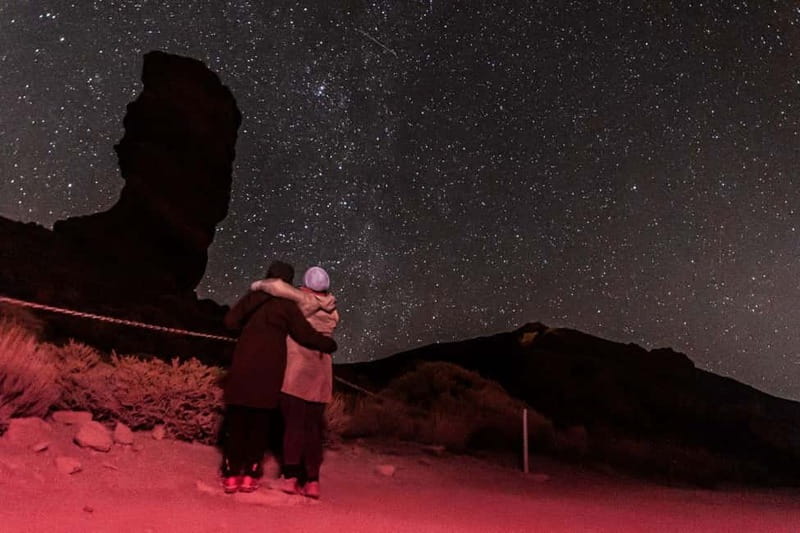
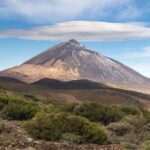
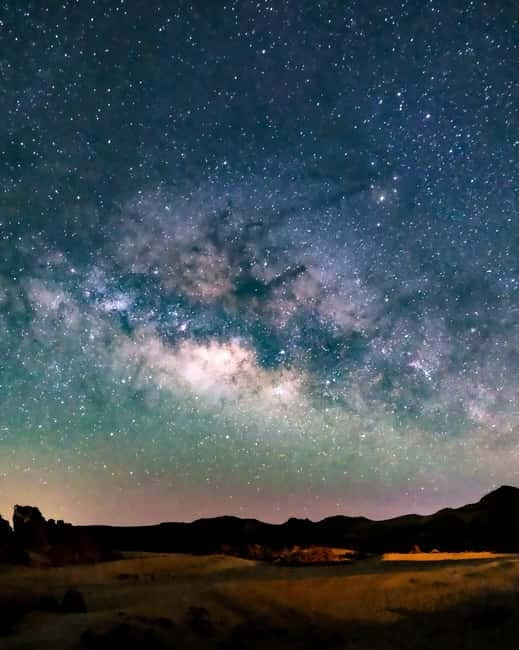
Teide National Park sits high enough that the air tends to feel sharper, and the night sky looks cleaner than you’d expect near sea level. At around 2,000 meters above sea level, you get a different kind of night—less haze, more contrast, and a real sense that the stars are sitting above you instead of behind clouds.
What makes this stargazing walk work is that it’s not just about “look up.” You’re walking into the setting, then using a guide’s system to connect what you see (stars, planets, moon phases, even shooting stars) to what you learn. That combination is the difference between a nice night and a night you remember.
And Teide’s location helps your eyes. Even if you’re coming from a city with light pollution, the sky in this park area is the main event, not a background decoration.
You can also read our reviews of more tours and experiences in Tenerife.
Getting Started at the Parador Cañadas del Teide
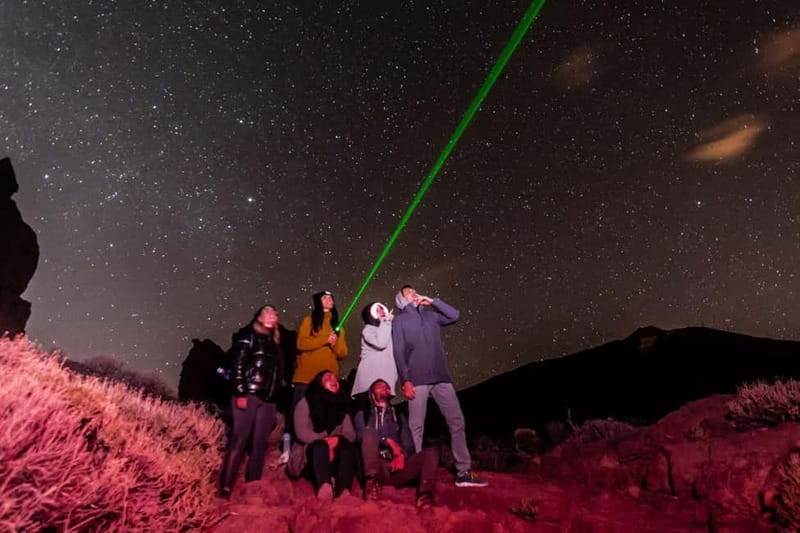
You meet at the entrance or outdoor patio of the Parador Cañadas del Teide. This is a practical setup because it’s a known landmark, and it keeps the group together before you head toward Roques de García.
In most seasons, the start lines up with the light. You’ll begin either at nightfall or by sunset, depending on what time of year you go. That matters because you get a gradual shift—from warm-ish fading light to full darkness—so the guide can start teaching while the sky is still “forming,” not waiting until you’re fully in the dark.
Plan to arrive ready to walk. The group typically stays together for the full experience, and the walk portion is designed for an easy pace with regular pauses.
The Roques de García Walk: What Happens on the Trail
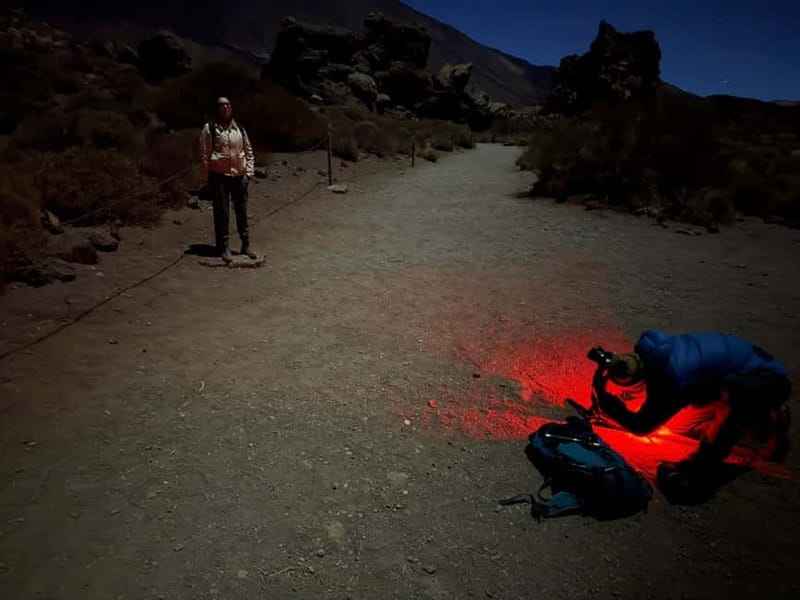
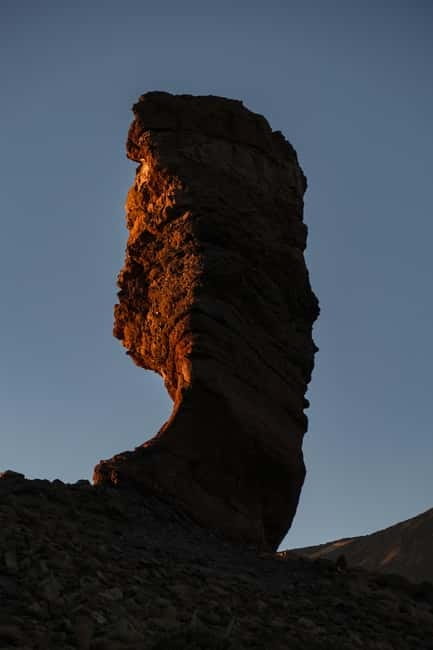
The core of the tour is the guided walk to Roques de García, then back to the Parador. The total time is about 2 hours, and the walking distance is easy: roughly 2–3 km.
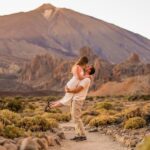
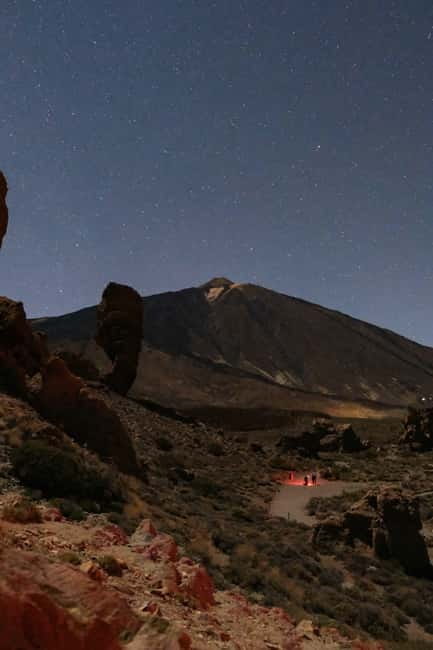
This section is special because the guide blends the sky with location. You’re not just learning random star names; you’re learning constellations and celestial phenomena while you’re actually standing in the dark, elevated Teide setting. That turns astronomy into something you can anchor to your surroundings.
You’ll also have moments where the tour slows down on purpose. This isn’t a “hustle from view to view” kind of activity. Expect stops, chances to sit or pause, and time to contemplate what you’re seeing. If you like your nights calm and your instructions clear, you’ll appreciate that rhythm.
Group size is another reason it stays enjoyable. The tour runs on Tuesdays and Fridays (with other days depending on the season) and averages around 10–20 people. That’s big enough to feel social, but small enough that you’re not shouting across a crowd while trying to spot a faint star.
Laser-Guided Constellations and the Sky Stories You’ll Remember
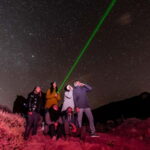
The standout tool here is the laser-guided experience. In practice, that means you’re not guessing. When the guide names a constellation, you can actually track where the points of light are—fast. It makes a huge difference if you’re not an experienced stargazer.
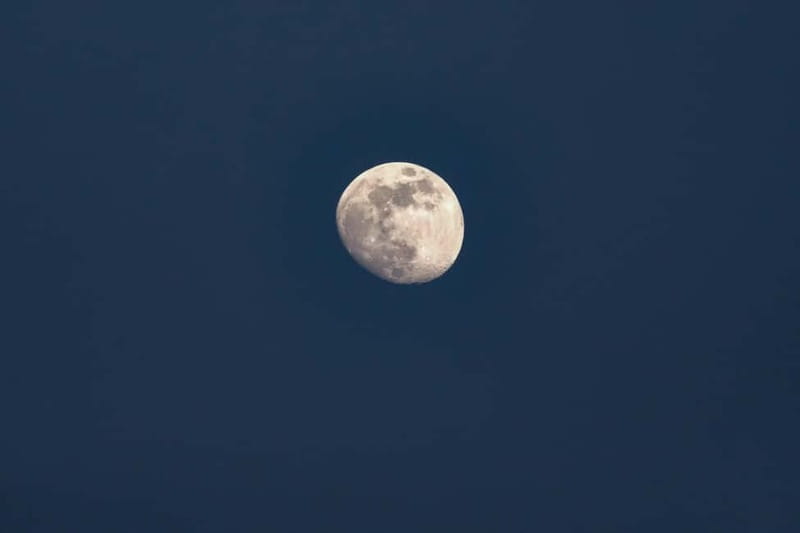
You’ll cover the basics you can use right away: constellations, planets, and celestial phenomena. The tour also references the moon phases, which is great because the moon changes the night experience. A bright moon can wash out faint stars; a darker phase can make the sky feel sharper. Either way, the guide explains what you’re seeing and how it affects visibility.
Then there’s the best “bonus” category: the sky events you can’t fully control, like shooting stars. You’ll learn what to watch for, and the guide helps you focus your attention so you catch more than you’d catch on your own.
If you love facts but also enjoy stories, this format usually hits the sweet spot. The night becomes a guided narrative: what’s up there, why it looks the way it does, and how to spot it again later.
Lanterns, Comfort Stops, and How the Walk Actually Feels
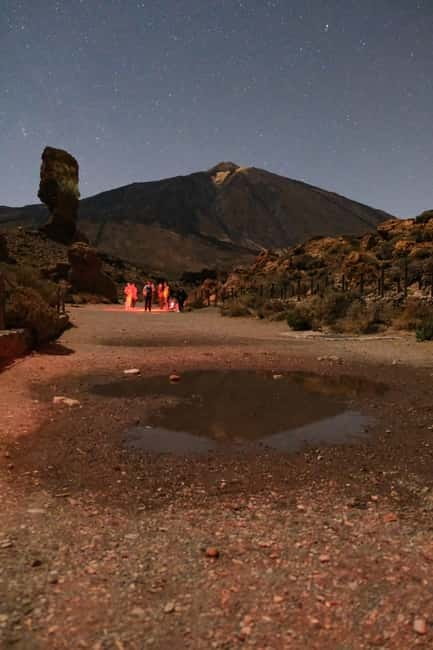
For night walking, the small details matter. Lanterns are provided, which helps you keep your footing while you look up. That sounds minor until you’re on rocky ground at altitude. The tour is designed to be easy, but it’s still nighttime, and you’ll be grateful for the light that doesn’t blind the sky.
The pace is comfortable, and the distance is manageable for most adults who are okay walking a couple of kilometers in the dark. The main time commitment is the 2-hour experience, so you’re not signing up for an all-night marathon.
Still, respect the cold. Even when it’s pleasant in town earlier, temperatures in this park area can feel intense after dark. The tour notes winter conditions can be 0–4ºC from October to March, and cooler nighttime conditions are typical in the shoulder seasons. From April to September, it’s more like 10–15ºC, but night can still bite. Bring warm layers, long pants, and shoes you trust.


Price and Value: Is $28 Worth It for This Teide Night?
At about $28 per person, this tour feels like solid value for what you get: a guided 2-hour night session in Teide National Park, laser guidance, lanterns, insurance, and professional astronomy teaching. You’re also getting the structure that makes stargazing work—pointing, explanations, and time to actually observe.
The “real cost” to consider isn’t the ticket price; it’s the effort you’d otherwise spend trying to figure things out on your own. Without laser guidance and a guide’s timing and knowledge, it’s easy to spend an entire night frustrated—finding a couple of bright stars, missing the rest, and not understanding what you’re looking at.
Also note what’s not included: transport and food and drinks. That’s normal for a park experience, but it affects your total trip cost. If you’re already planning to be near the Parador area, it’s easier to justify. If you’d have to pay for transport from far away, factor that in.
For me, this is the kind of tour that makes sense when your goal is learning and enjoyment, not gear. If you want the sky experience to feel guided and rewarding, the price lines up well.
Best Fit: Who Should Book This Stargazing Walk
This experience works best for people who want a guided stargazing night without complicated equipment. It’s ideal for families, couples, and friends who like nature walks and don’t mind getting out after dark to look up.
There’s also a clear age consideration. It may not be appropriate for kids under 7–9 years old, and it’s listed as not suitable for children under 8 and babies under 1. If you’re bringing kids, I’d think in terms of attention span and comfort in cold, dark conditions, because the walk includes stops for looking.
If you’re a solo traveler, you can still have a great time. A group of 10–20 means you won’t be floating alone, but you also won’t feel trapped in a tour stampede.
If you’re the type who wants photos, this tour is also promising because it includes a personal picture. That’s a practical perk if you don’t want to juggle a phone tripod and guess settings while the sky is doing its thing.
Weather and Night Conditions: Why Your Sky Might Shift
This kind of activity depends on the sky, and the tour can be canceled due to weather conditions or a fully cloudy sky, along with seasonal arrangements. That’s not a flaw; it’s reality in an astronomy setting.
If you’re going in winter or shoulder season, have a flexible mindset. A cloudy night doesn’t ruin your time—you just lose viewing conditions, and that’s why the tour’s planning includes weather contingencies.
What I’d do: plan your trip so you have at least some flexibility around this activity. If you can, avoid making it the only night you’re counting on for astronomy.
Should You Book This Teide Stargazing Walk?
Book it if you want Teide’s night sky to be guided, clear, and actually understandable. The combination of laser-guided constellation spotting, lantern-lit walking, and a local astronomy brain behind the explanations makes this a high-value way to enjoy the stars without needing a telescope.
Skip it (or consider a different option) if you’re specifically after close-up planet viewing, since a telescope is not included. Also, if cold and nighttime walking are big issues for you, go prepared, because the temperatures can be low at this elevation after dark.
If you want a night that’s calm but informative, and you’re excited to learn what you’re seeing in the sky above Teide, this is a very easy “yes” to plan around.
FAQ
Where is the meeting point for the stargazing walk?
You meet at the entrance or outdoor patio of the Parador Cañadas del Teide Hotel in Las Cañadas del Teide, 38300, Santa Cruz de Tenerife.
How long does the tour take?
The tour runs for about 2 hours.
What’s included in the price?
The tour includes a laser-guided constellation experience, lanterns, and insurance. It also includes a personal picture as part of the experience.
Is a telescope included?
No, a telescope is not included. If you want telescope observation, you can ask to include it.
Do you offer the tour in English and Spanish?
Yes. The live guide leads the tour in Spanish or English, and the groups are single-language.
Do I need my own car to get there?
Yes. Transport isn’t included, so you’ll need your own vehicle or arrange a taxi to reach the meeting spot.
What if the sky is cloudy or the tour is canceled by the organizers?
The activity may be canceled due to weather conditions or a fully cloudy sky. If the organizers cancel, you get a 100% refund. No refund is offered for cancellations within the last 24 hours.
“`