REVIEW · TENERIFE
Tenerife: Discover Scuba Diving with Free Photos
Book on GetYourGuide →Operated by Ocean Friends Buceo and Freediving · Bookable on GetYourGuide
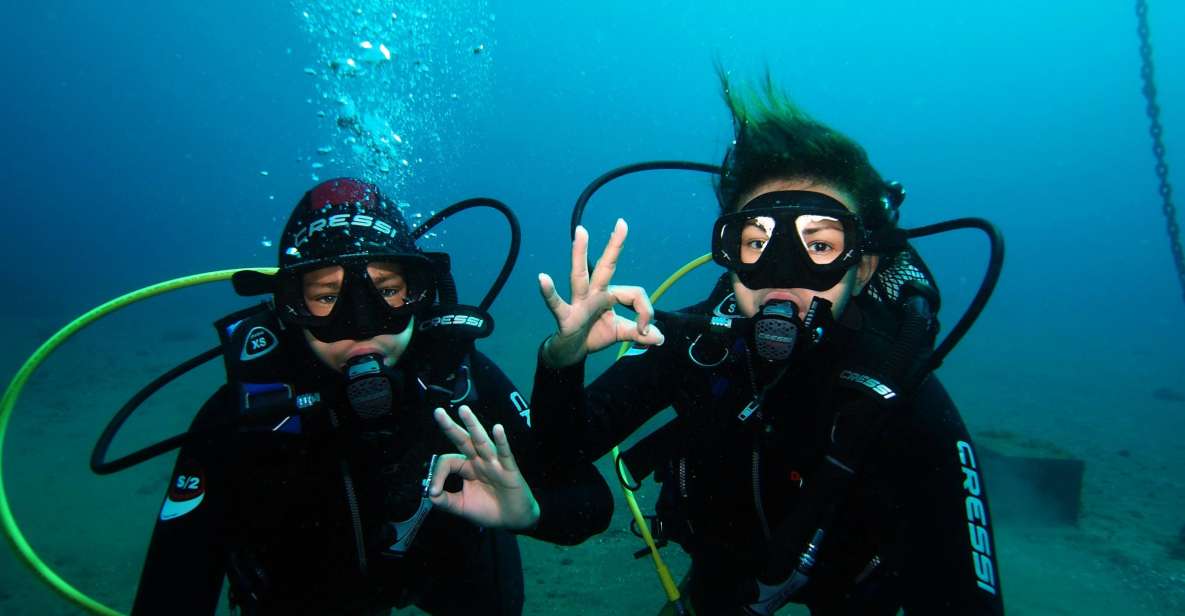
First-time scuba in Tenerife feels surprisingly calm. I like that this experience is run with a certified instructor and built for real beginners, with basics you can actually use, not just theory. I also love the free photos that help you remember the underwater volcanic formations and marine life without scrambling for your own camera.
One thing to weigh: you must be a confident swimmer. And if you get discomfort once you go deeper (sinus pressure can happen for some people), you may need to go slower or even shorten the time in the water.
In This Review
- Key things to know before you go
- Marina del Sur meet-up: where the day starts
- What “first scuba” really means here (it’s structured)
- The classroom-to-water flow: theory that actually pays off
- Shallow practice area: the confidence builder
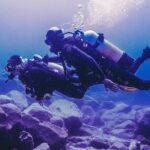
- Going deeper to 12 meters: volcanic scenery + marine life
- Free photos: how to get the most out of them
- Price and value: what $105 covers (and why it’s fair)
- Safety and support: what you should expect from the team
- What to bring (and what not to overpack)
- Who this is best for (and who should skip it)
- Aftercare: don’t rush back to flights or high places
- Should you book this Tenerife first-timer scuba experience?
- FAQ
- Where is the meeting point?
- How long does the experience last?
- How much does it cost?
- What’s included in the price?
- Are photos included for everyone?
- Do I need to know how to swim?
- What is the minimum age?
- Is hotel pickup included?
Key things to know before you go
- Small group (up to 10) means more attention while you learn the gear and breathing basics
- Certified instructor support all the way through, with hands-on coaching when you need it
- Shallow practice first, then a controlled max depth of 12 meters
- Free photo set (2 or 3 per person), with extras available if you want a lot more
- English or Spanish instruction, helpful for anyone who wants clear directions from the start
Marina del Sur meet-up: where the day starts
Your day begins at Ocean Friends at Marina del Sur (Puerto de las Galletas), dock 5. It’s not a complicated location, but it’s the kind of place where arriving a few minutes late can make the whole start feel rushed. Build in buffer time and show up 15 minutes early, as they ask.
The activity is listed with Marina South as the starting area, so expect you’ll find the right side of the marina without hopping taxis all over town. If you’re traveling from elsewhere on Tenerife, plan to arrive early enough to park, walk, and get oriented before anyone starts equipment prep.
And yes, the “3 hours” number can feel bigger or smaller depending on how many people are in the group that day. The actual time in practice can run between about 1.5 and 3 hours, so don’t schedule your next plan so tightly.
You can also read our reviews of more tours and experiences in Tenerife.
What “first scuba” really means here (it’s structured)
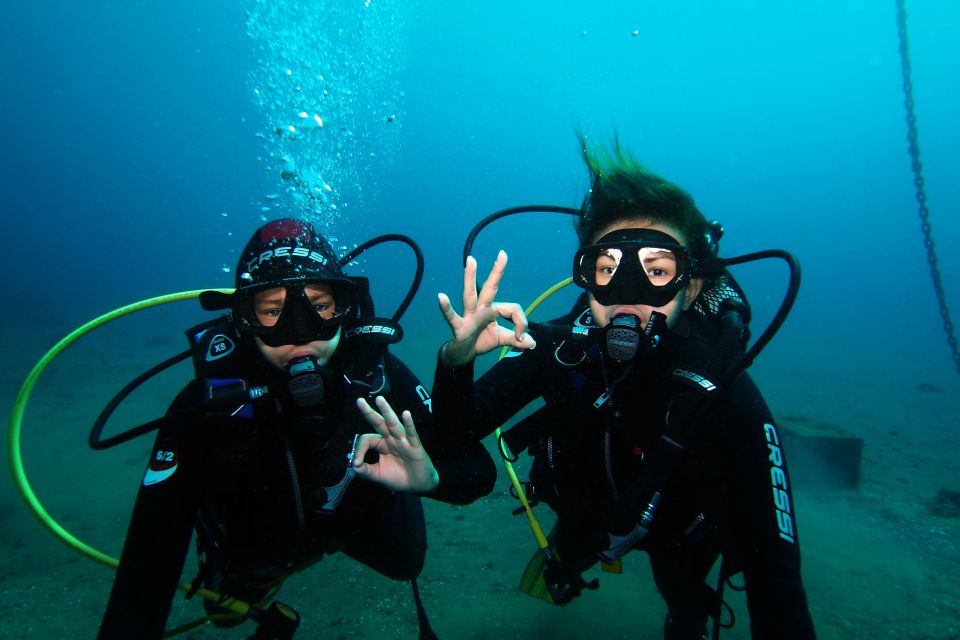
This experience is designed for your first time in scuba gear. That matters, because Tenerife can be amazing underwater, but the real value is learning how to function underwater without panic.
Before you ever go out, you’ll cover the basics: how scuba works in plain terms, how to handle the equipment, breathing fundamentals, and underwater communication. In practice, that means you’re not guessing what the instructor wants—you’re learning the signals and techniques so you can follow along confidently.
Then the plan steps up in stages:
1) learn and suit up
2) practice in a calm, shallow area
3) once you’re comfortable, go deeper to a maximum of 12 meters
That progression is what makes this a beginner-friendly outing. If you’ve tried a “try it” experience that throws you too quickly into deeper water, you’ll appreciate this pacing.
The classroom-to-water flow: theory that actually pays off
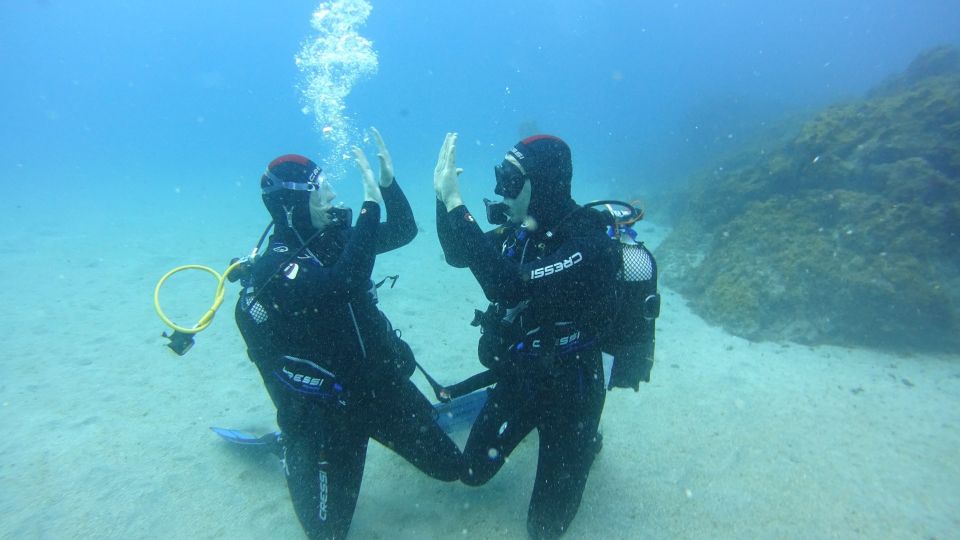
The session starts with a theoretical lesson. It covers the core concepts you’ll need to understand what you’re doing and why. You’ll also learn equipment use basics and breathing control—plus the underwater communication side, which is often skipped too fast in other experiences.
Here’s what I think is smart about this structure: they don’t treat the underwater part like a magic show. They treat it like a skills session. So when something feels unfamiliar (and first-timers have plenty of moments like that), you’re already working with a framework.
They’ll guide you on how to breathe and how to move with the gear. The goal is that you can keep your focus on staying comfortable—because comfort is what lets you look at the rocks and fish instead of staring at your own fear.
Shallow practice area: the confidence builder
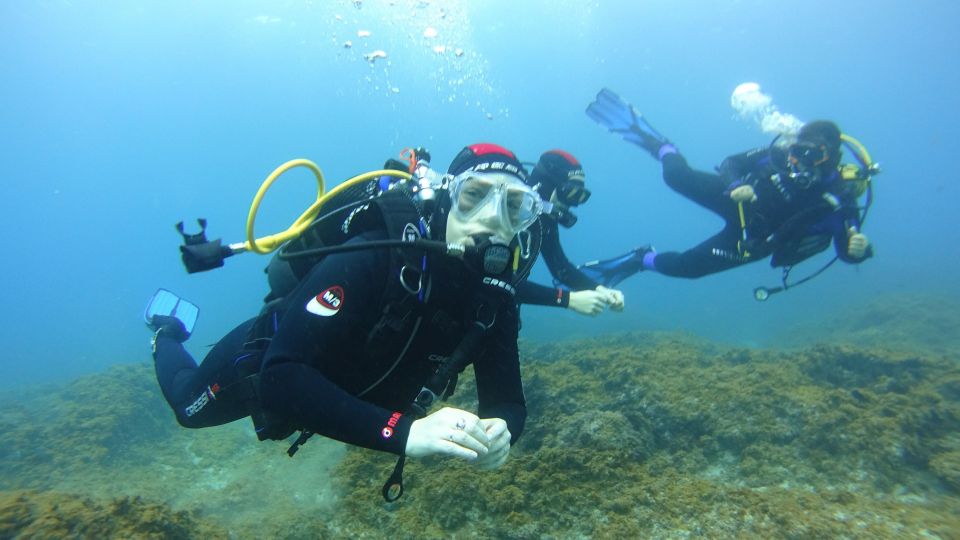
After the lesson, you head to a beach area for your first underwater practice. This is a shallow, calm zone, which is exactly what you want as a beginner.
You work at your own pace until you feel confident. That “no rush” part sounds simple, but it’s huge. Many first-timers need a few minutes to get used to the sensation of the equipment, the breathing rhythm, and the idea that underwater communication is real and not just talk.
If you’re the type who learns by doing (most people do), this portion is where you start feeling like scuba is doable. You’re not just passing time—you’re building the muscle memory to stay relaxed and keep moving when you later go deeper.
Going deeper to 12 meters: volcanic scenery + marine life
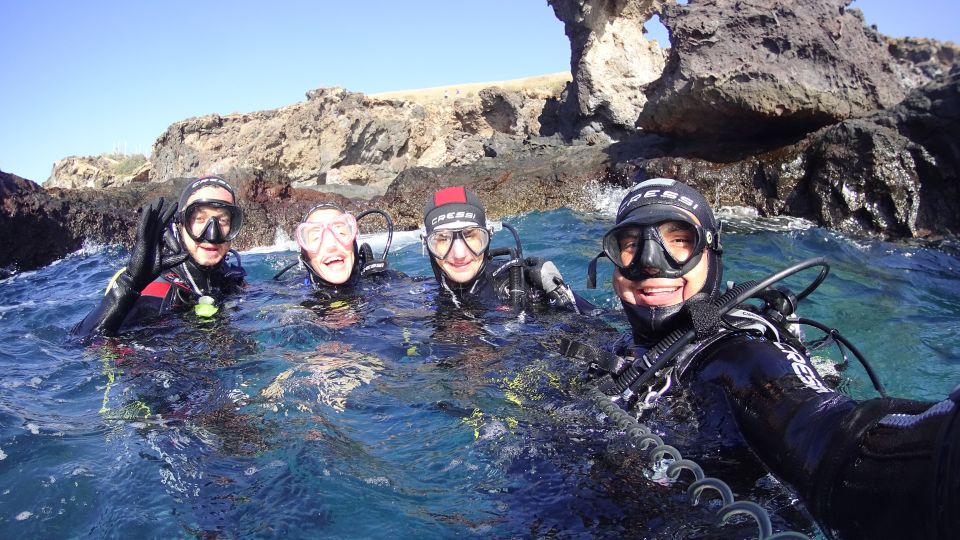
Once you’re comfortable, you go deeper, with a maximum of 12 meters. That depth is deep enough to feel like you left the surface world, but it’s still within a range that suits first-timers when you’re coached well.
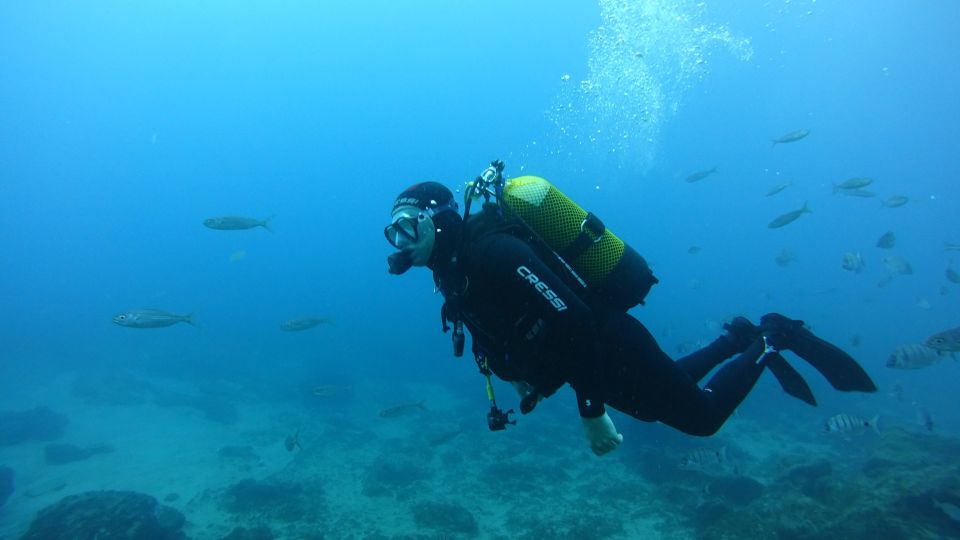
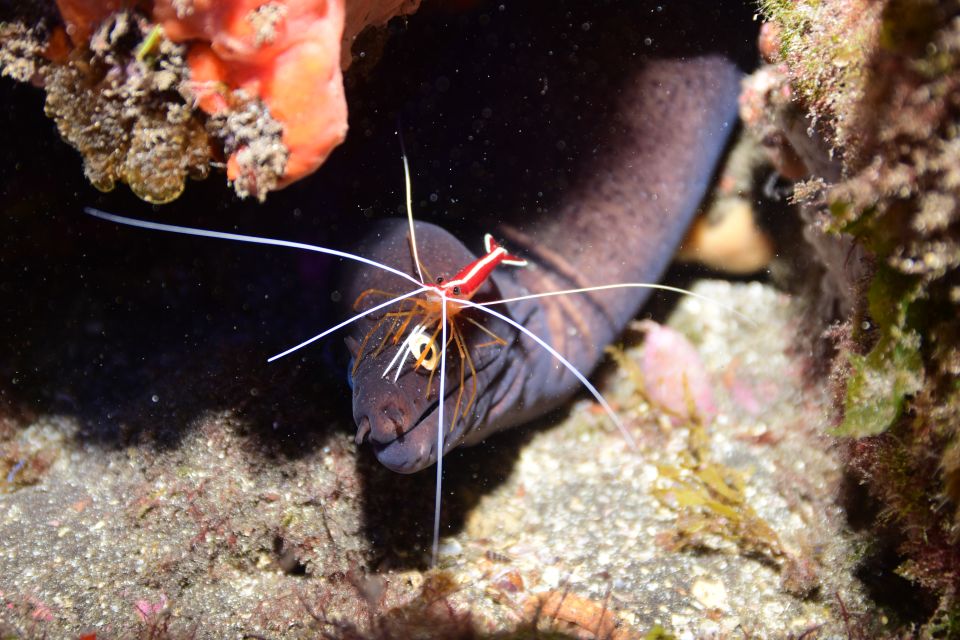
What you’re aiming to see: underwater volcanic formations and a solid range of marine life. Tenerife’s underwater environment is shaped by volcanic activity, and that shows up in the rock textures and formations you’ll be swimming over.
This is also where the instructor’s presence matters. You’re not just being watched. You’re being supported while you enjoy the scenery. That’s why the whole experience feels more like guided training than a chaotic free-for-all.
One practical note: if you’re prone to sinus issues, pressure can sometimes feel uncomfortable once you go deeper. A smart move is to tell your instructor right away if something feels off, rather than trying to “push through.” Being honest early keeps the session safe and more comfortable.



Free photos: how to get the most out of them
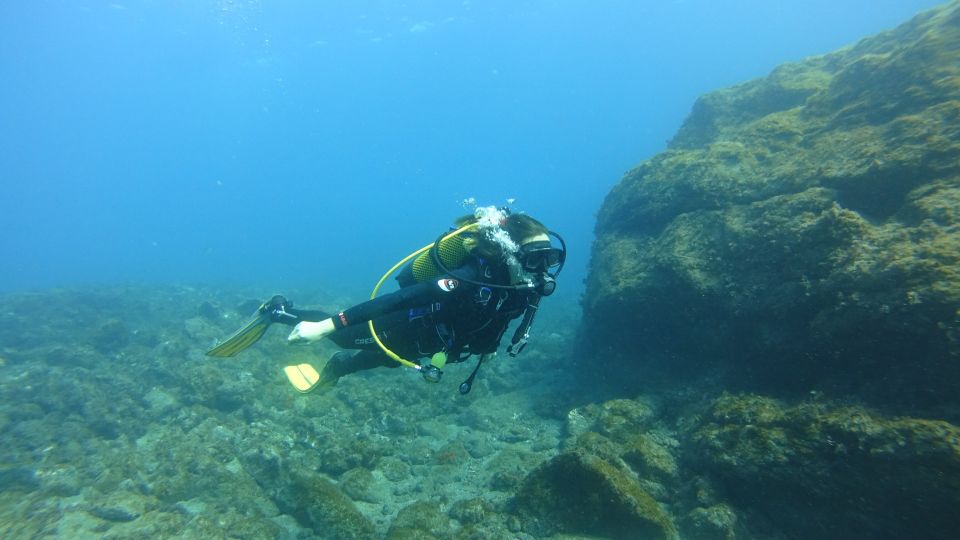
Yes, photos are included. During the activity, 2 or 3 photos per person are sent. If you want more, you can optionally purchase extra photos and video.
This is a good deal because it removes the biggest hassle of first-timer scuba. Trying to manage a camera on your first day often means you spend more time fighting your gear than actually looking at the water.
Still, here’s how to get the best results from the included set: be ready when they take photos, and don’t assume you’ll always know the exact moment. If you’d like a specific shot (like one with your instructor or a wide view of the volcanic rock), it helps to communicate calmly during the briefing so they understand what matters to you.
If you’re considering buying more photos or video, factor that into your budget upfront. It’s optional, but it’s also the easiest way to turn a short first-timer session into a lasting memory.
Price and value: what $105 covers (and why it’s fair)
The price is $105 per person for about a three-hour overall experience. For scuba-style instruction, that’s reasonable because the price isn’t just for “being in the water.”
You get:
- diving equipment
- a certified instructor
- insurance
- photos
The insurance and instructor support are often the cost drivers in activities like this. And equipment being included removes the common hidden expense of renting gear and figuring out what you actually need.
Meals and drinks aren’t included, and there’s no hotel pickup or drop-off. So your “real cost” is more about what you choose to eat before and after. But the core package is clearly built for value: instruction + gear + safety coverage + at least a small photo set.
If you’re comparing this with a self-managed option where you rent gear and hope you find calm conditions, this package is usually the better deal—because you’re paying for skill coaching and supervision, not just equipment access.
Safety and support: what you should expect from the team
The experience emphasizes safety, with a certified instructor supporting you at all times. That’s not just marketing talk. For a beginner, the difference is whether you get clear coaching when your brain is overloaded.
Also, this is a small group limited to 10 participants. In practical terms, that means you’re less likely to be one face in a crowd. You should feel like questions get answered quickly and that guidance is frequent enough to keep you confident.
One review detail worth taking seriously: some first-timers can have extra stress when learning a new breathing rhythm. The training approach here is built to lower that stress, and instructors are known for staying professional and patient with first-timers. If you’re anxious about equipment, this is the kind of setup where your nerves can settle because instruction is direct.
What to bring (and what not to overpack)
You only need a couple of basics:
- swimwear
- a towel
That’s it for what they specifically call out. Keep your bag simple. You’ll be dealing with a wet day, equipment handling, and changing quickly, so don’t bring a lot of fragile stuff.
If you’re prone to feeling sick in rough motion (boats and choppy water can do that), consider packing a motion-sickness remedy that you know works for you. One participant found it helpful to take something next time, after getting nauseous on the way back. Your best move is prevention, not damage control.
Who this is best for (and who should skip it)
This experience has clear fit rules.
Great for:
- first-timers who can swim
- people who want structured instruction rather than a quick plunge
- anyone who wants a short, controlled underwater experience with photos
Age and health notes:
- minimum age is 10 years
- being able to swim is mandatory
- not recommended for pregnant women
So if you’re traveling with a kid who can truly swim, this can be a fun way to introduce them to scuba basics with an instructor nearby. But if swimming comfort is shaky, don’t gamble. Choose something calmer or practice surface swimming first.
Aftercare: don’t rush back to flights or high places
Once you’re done, keep your body in mind. It’s not recommended to fly or go to high places (for example, Mount Teide) for 24 hours after your scuba session.
This is one of those rules that people sometimes treat like a suggestion instead of a safety guideline. Take it seriously. The main idea is to avoid pressure changes and let your system settle.
Also, if you ended the session early due to discomfort, still follow the same 24-hour caution. You’re still in the same pressure-related category, even if you didn’t stay at depth as long.
Should you book this Tenerife first-timer scuba experience?
I’d book it if you want a beginner-friendly way to see Tenerife’s underwater volcanic scenery without needing prior gear skills. The structure is the selling point: theory first, shallow practice, then a controlled max depth with a certified instructor watching your comfort and safety.
Skip it (or look for another option) if you can’t swim confidently, you’re pregnant, or you’re very worried about anything related to pressure comfort in your sinuses. And if you’re budget-sensitive, decide ahead of time whether you want only the included photos or you might also want extra photo/video.
If you go, show up early, bring a towel, and treat the shallow practice part like the main event. That’s where your confidence is built—and that’s what makes the deeper part enjoyable instead of stressful.
FAQ
Where is the meeting point?
Meet at Ocean Friends at Marina del Sur (Puerto de las Galletas), dock 5.
How long does the experience last?
The total duration is about 3 hours, but the activity itself can take between 1.5 hours and 3 hours depending on group size.
How much does it cost?
It costs $105 per person.
What’s included in the price?
Included are diving equipment, a certified instructor, insurance, and photos.
Are photos included for everyone?
Yes. Photos are taken during the activity, and 2 or 3 per person are sent. You can optionally purchase more photos and video.
Do I need to know how to swim?
Yes. Being able to swim is mandatory.
What is the minimum age?
The minimum age to participate is 10 years.
Is hotel pickup included?
No. Hotel pickup or drop-off is not included.