REVIEW · CORFU TOWN
Symphony of Flavors – Olive Oil & Food Pairing at Corfu Town
Book on GetYourGuide →Operated by Corfu Olive Tour · Bookable on GetYourGuide
Olive oil gets a full-on food show. In Corfu Town, The Olive House turns a simple tasting into a small, guided meal built around Extra Virgin Olive Oil and classic island flavors. You get a private, up-to-8 experience tied to Corfu’s culinary habits, with the menu designed to show how taste changes when the oil hits each course.
What I like most is the pairing approach: bread and olive oil as the foundation, then savory plates that show how fruit, tang, and legumes react to different oils. I also really appreciate the way the sweet courses use olive oil without trying to hide it, from lemon-leaning baking to chocolate-and-sea-salt textures.
One drawback to keep in mind: this is not a gentle, hands-off tasting. You’re there to taste and compare oils on purpose, so if you strongly dislike olive oil in any form, you may find the experience less fun.
In This Review
- Key highlights I’d plan around
- The Olive House in Corfu Town: where the meal starts
- The olive oil tasting: what you’re meant to notice
- Bread & olive oil plus Bitter Orange Salad: the flavor base
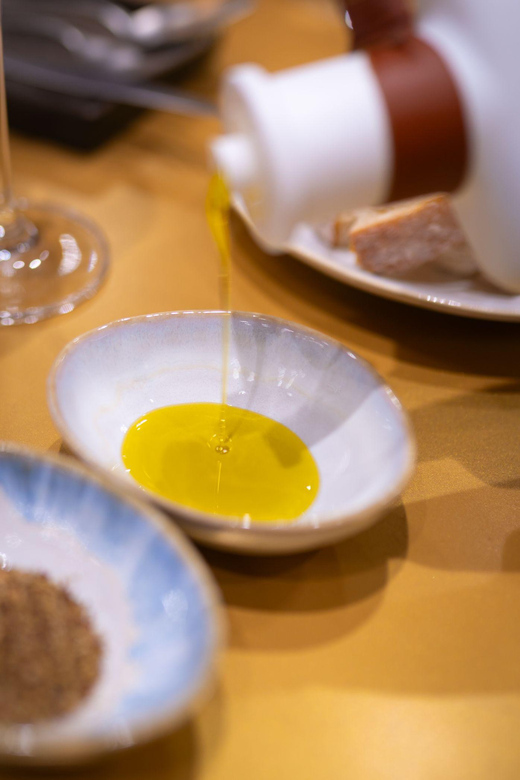
- Bread & Olive Oil
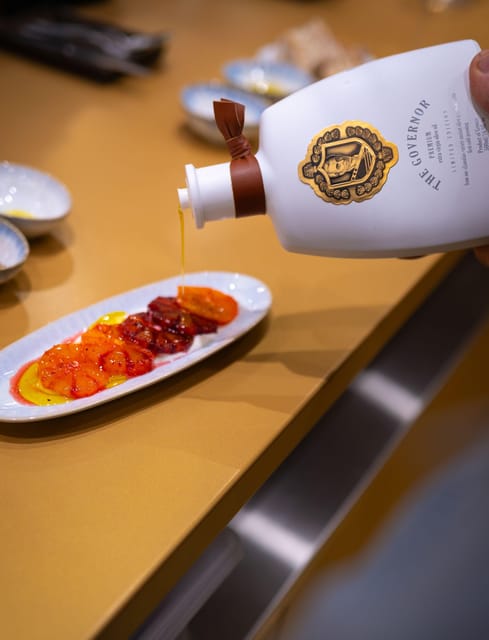
- Bitter Orange Salad
- Fava Bean Puree
- “The Governor” concept: why the oil is treated like the main character
- Lemon Fanouropita cake: sweet olive oil without the gimmick
- Lemon ‘Fanouropita’ Cake
- The Governor’s Ice Cream
- Chocolate textures with sea salt: where olive oil shines
- Timing, group size, and how to plan your day
- Price and value: does $40 make sense?
- Who should book this and who should skip it
- How to get the most out of your hour
- Should you book Symphony of Flavors at Corfu Town?
- FAQ
- How long is the Symphony of Flavors experience?
- Where does the experience take place?
- Is it a private tour?
- What food is included in the menu?
- Is olive oil shopping included?
- What language is the guide?
- Is it accessible for wheelchair users?
- What’s the refund policy?
Key highlights I’d plan around
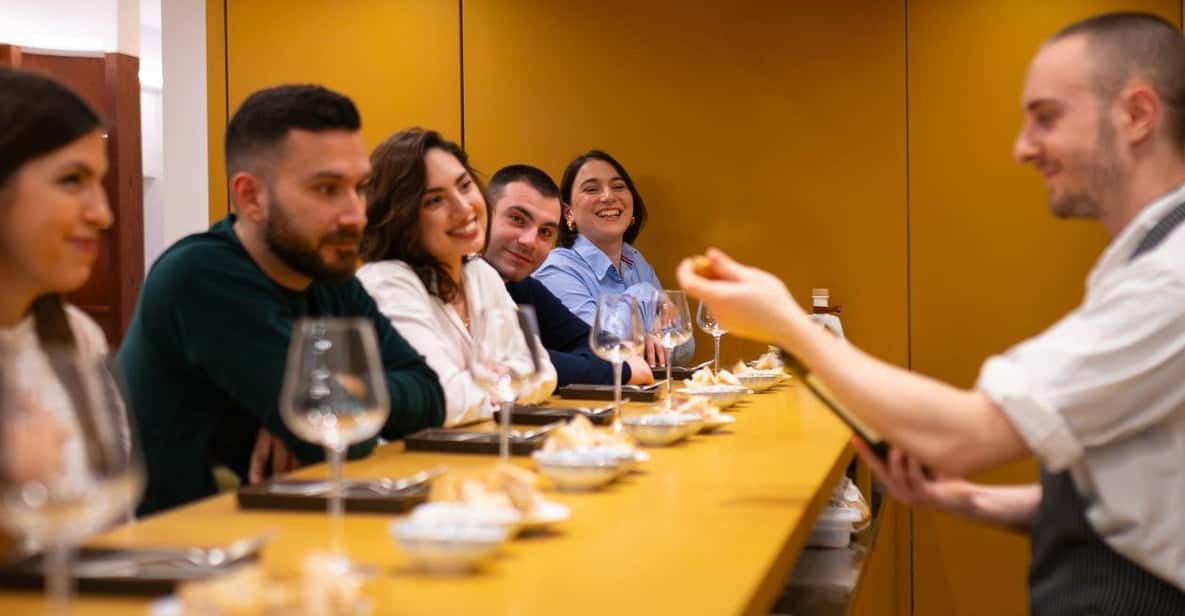
- The Olive House setting by The Governor, focused on certified olive oil quality and local cooking
- A true tasting-to-meal flow, starting with bread and moving into designed pairings
- Corfu-inspired menu, with 3 first courses and 3 desserts built for contrast
- Guide energy that explains the why, with hosts like Helen and founders like George stepping in
- Dessert pairings that actually make sense, especially lemon cake, early-harvest olive oil ice cream, and chocolate textures
- Private group feel, up to 8 people in a carefully designed space
The Olive House in Corfu Town: where the meal starts
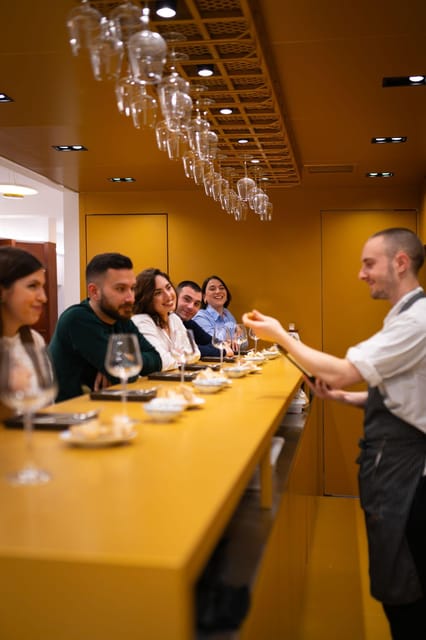
Corfu Town is good for wandering, but this stop is about slowing down. The experience takes place at The Olive House by The Governor on Nikiforou Theotoki 29, across from the famous Papagiorgis sweets shop. That’s helpful because you can anchor the meeting point fast, then relax into the pace.
What you’re walking into is a dedicated tasting space. It’s not a loud “event” vibe. Based on what I’ve seen from the way people describe the atmosphere, it feels calm and comfortably run, which matters on a hot day when the streets can feel long.
The format is private group and designed for up to 8 people. That’s a big deal for a food lesson. You can ask questions without shouting, and the guide can adjust explanations to what your group is tasting.
You can also read our reviews of more tours and experiences in Corfu Town.



The olive oil tasting: what you’re meant to notice
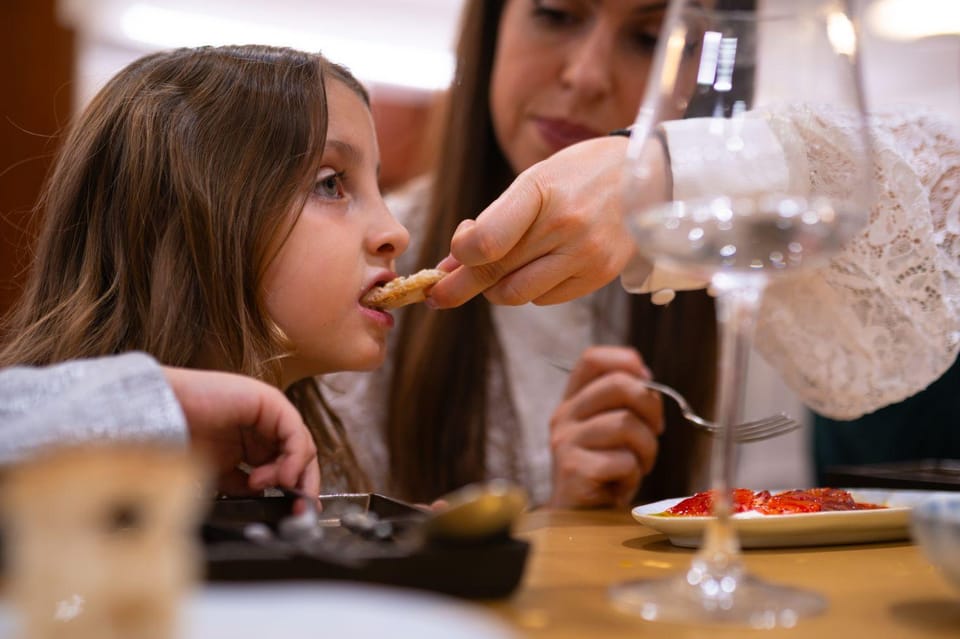
This isn’t just pouring oil and hoping you “get it.” The heart of the experience is learning how olive oil tastes and why pairing works.
You start with a tasting that sets your baseline. Expect a method: smell first, take a small sip, then let the flavors move across your palate. In the meal, you’ll keep coming back to those cues, because each course is built to react to the oil instead of sitting next to it.
From the way the guides are described, you’re not left guessing. Hosts like Helen (and later someone like George, one of the founders) help connect the dots: what “good” tastes like, how production influences flavor, and how to pick up the differences between oils.
Practical tip: while you taste, don’t chase perfection. Focus on three things:
- Fruitiness (does it taste grassy, ripe, or citrusy?)
- Bitterness/peppery finish (those can be signs of quality and plant character)
- How the oil behaves when food changes (that’s the real lesson)
Bread & olive oil plus Bitter Orange Salad: the flavor base
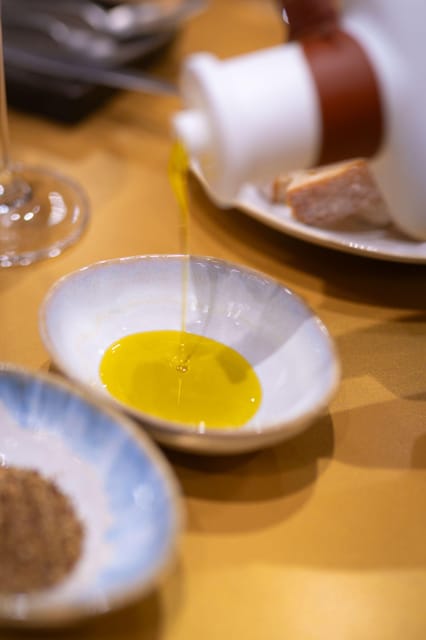
The first course set is built like a foundation layer. If you’re new to olive oil tasting, you’ll love this part because it teaches in plain language: start with simple ingredients, then watch the oil do its job.
Bread & Olive Oil
This is the classic opening: bread and olive oil. It’s more than a snack. It’s positioned as an everyday symbol of real Greek eating—fast energy, simple satisfaction, and the start of many family meals.
The key for you: bread helps you taste the oil’s texture and aroma without distraction. Once your palate is calibrated, you’ll be ready for the next contrast.
Bitter Orange Salad
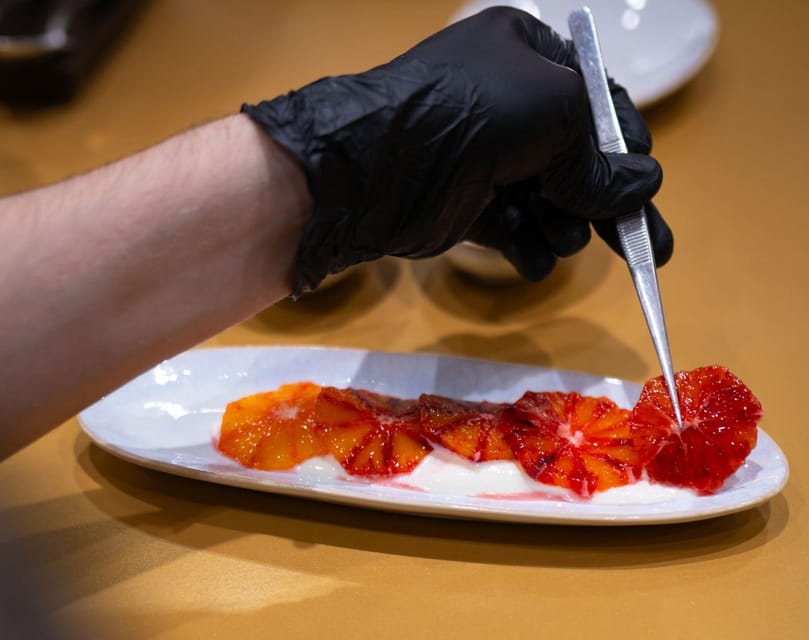
Next comes a Bitter Orange Salad. The idea is that good olive oil can pull flavors together and make them clearer, especially when tart fruit and creamy dairy are involved.
In this menu, the salad pairing is described as working especially well with yogurt and white cheeses. So as you eat, pay attention to how the oil changes the sharpness of the citrus and makes the dairy feel rounder instead of heavy.
One reason I’d pick this experience over a generic tasting: the pairing isn’t random. It’s designed to train your tastebuds on cause-and-effect.





Fava Bean Puree
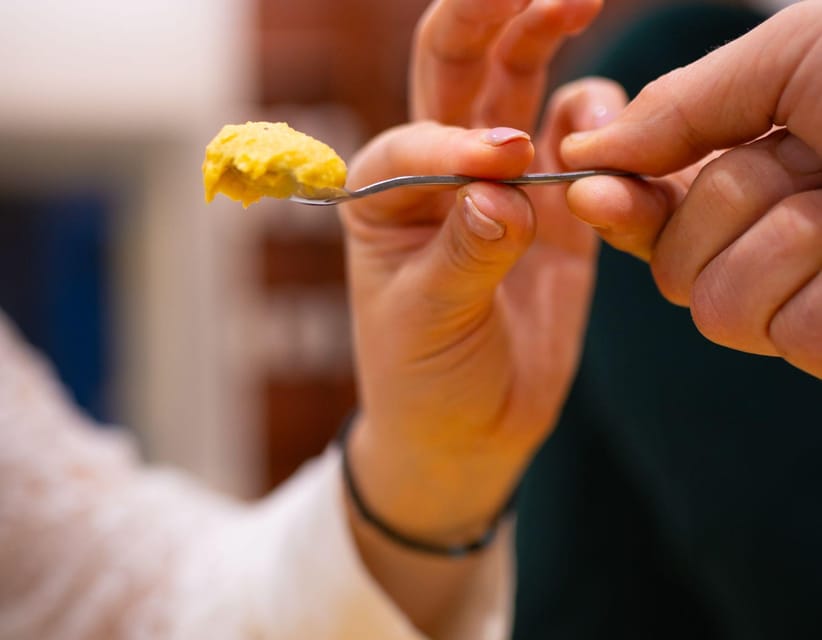
Then you get Fava Bean Puree. The pairing logic here is older than modern cooking. Olive oil and legumes have been companions since ancient times, and the menu uses that connection to show you texture and thickness as well as taste.
This course matters because it teaches something many people miss: olive oil isn’t only for finishing dishes. It can also partner with legumes to make a fuller mouthfeel.
If you tend to eat slowly, this is where you’ll get the most out of the lesson. Give yourself time to notice how creamy flavors “hold” the oil differently than crisp citrus does.
“The Governor” concept: why the oil is treated like the main character
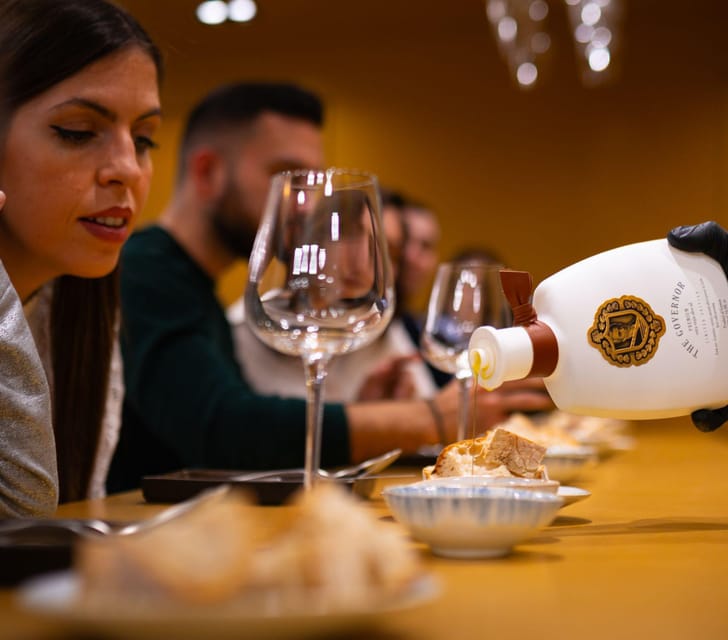
You’ll hear a lot about The Governor and the certified focus of the experience. Even if you don’t become an olive-oil nerd by the end, the point for you is simple: the venue is built around quality and consistency.
That means the tastings are not about cheap oil comparisons. The oil is handled as an ingredient with personality—made to be smelled, sipped, and matched with food on purpose.
You’ll also likely get a production backstory while you’re there. One of the clearer themes in people’s descriptions is that the guide explains the process behind the oil and then turns that knowledge into tasting practice. That’s a better learning method than just reading labels later.
And yes—there’s room for you to ask the shopping questions too. Several guests note that the sales approach doesn’t feel pushy. You can learn first, buy later if it fits what you actually liked.
Lemon Fanouropita cake: sweet olive oil without the gimmick
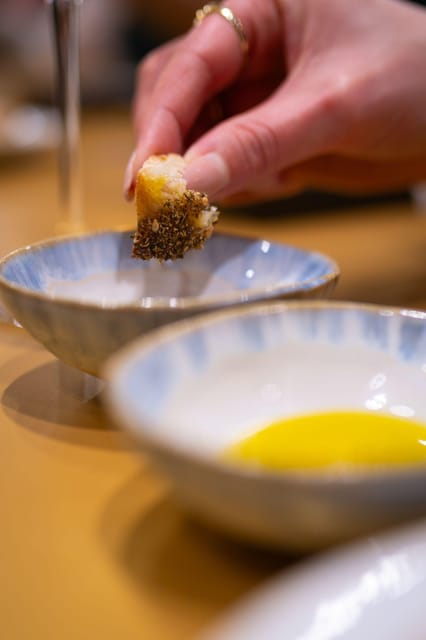
Now we shift to dessert, and this is where the experience earns its keep.
Lemon ‘Fanouropita’ Cake
The Lemon ‘Fanouropita’ Cake is inspired by a classic lemon-olive oil dressing, so it’s not a random dessert that happens to contain oil. It’s a bridge between savory Greek flavors and the sweetness most people already crave.
When you taste it, watch for balance:
- lemon brightness
- olive oil roundness (it can make sweets feel fuller)
- how the cake’s flavor changes as it warms slightly
This course is also a confidence builder for first-timers. If you’ve been worried that olive oil desserts will taste weird, this is the one that answers that fear by using tradition as a guide.
The Governor’s Ice Cream
Next is The Governor’s Ice Cream, and the menu leans into the idea that low temperatures preserve nutrients. The more useful takeaway for you isn’t nutrition talk—it’s flavor clarity.
The pairing suggestion is bold but logical: try vanilla with early-harvest olive oil. Early-harvest oils tend to be more intense, and when you pair that intensity with vanilla, you get contrast instead of bland sweetness.
Practical advice: start with a small bite. Then take another bite paired with a spoonful that includes the oil-forward note. That’s how you’ll feel the difference the menu is trying to show.
Chocolate textures with sea salt: where olive oil shines
Last comes Chocolate Textures with sea salt, built around three techniques/ingredients: chocolate, olive oil, and sea salt. The described forms include Namelaka cream, powder, and aerated rocks.
That sounds fancy, but the point is simple: olive oil helps chocolate taste more defined instead of just heavy. Sea salt adds edge and makes the chocolate’s sweetness feel controlled.
If you like dessert that isn’t just sugary, this is the payoff course. It’s also a good final test of the entire experience. By the time you reach chocolate, you’ve already tasted olive oil’s role in citrus, legumes, and dairy. Chocolate lets you see the same ingredient acting in a totally different flavor world.
Timing, group size, and how to plan your day
The experience is listed as 1 hour. The plan also describes a tasting block of around 1.5 hours, so build your schedule with a buffer and don’t stack this right after another sit-down meal.
The good news: the structure is focused. You’re at one place—The Olive House—and you’re fed. That means you don’t lose time crossing town with a full belly in your future.
For pacing, think of it as:
- Start with your flavor baseline
- Eat three savory pairings
- Finish with three dessert pairings
Also, because it’s private and small, it tends to feel interactive rather than factory-tour style.
Price and value: does $40 make sense?
At $40 per person for an olive oil tasting plus a designed menu, you’re paying for three things at once:
- Quality product focus (not random oils)
- Guided explanation (production, tasting method, and pairing logic)
- Food you’d otherwise order separately
The standout value isn’t just that you get “samples.” You get a structured sequence: bread, a bitter orange salad, fava puree, then lemon cake, olive oil ice cream, and chocolate textures. That’s a lot of prepared food for one short session.
And several guests specifically note the experience feels like a careful, calm, owner-minded operation rather than a sales pit. If you enjoy food lessons and want to understand how flavors connect, the price starts feeling fair fast.
Who should book this and who should skip it
This is a strong fit if you:
- like learning through taste, not lectures
- want Corfu flavors beyond the usual food checklist
- enjoy olive oil enough to want it explained, not just served
- prefer a smaller, private format in a dedicated space
It may be a miss if you:
- don’t like olive oil in any form (the oil is central to every course)
- need wheelchair access (it’s not suitable for wheelchair users)
- are over the stated age limit (it’s listed as not suitable for people over 95 years)
One more honest note: the experience includes both savory and sweet olive oil pairings. If you only want one type, you won’t get to choose. You’ll taste the full “symphony.”
How to get the most out of your hour
A few small moves will make your experience more satisfying:
- Go in hungry, but not stuffed. These are multiple courses, not a snack. If you already ate a big lunch, your palate won’t notice the differences as clearly.
- Use the tasting method, even if you think you know it. Smell, sip, and then pause between bites. Let the oil-food interaction settle.
- Ask the practical questions. How to recognize quality, how to use the oil at home, and what to buy based on what you liked.
- Pay attention to pairings, not just flavors. The real fun is noticing how tart fruit, legumes, dairy, and chocolate all react when the oil is part of the equation.
- Enjoy the people side. Named hosts like Helen and founder George are part of what guests describe as the best moments. Ask them what they want you to remember about olive oil.
Should you book Symphony of Flavors at Corfu Town?
Yes, if you want an olive oil experience that behaves like a real meal, with pairing done on purpose. This is good value for the time because you’re not just tasting oil—you’re tasting how Corfu flavors change when the olive oil takes the lead.
Skip it if olive oil flavors don’t appeal to you, or if you need wheelchair access. Otherwise, book it as one of your best “food brain” stops in Corfu Town. You’ll leave with stronger taste instincts and a clearer idea of what quality olive oil should taste like when it meets bread, citrus, legumes, and dessert.
FAQ
How long is the Symphony of Flavors experience?
It’s listed as 1 hour in total, with the food tasting as the main part of that time.
Where does the experience take place?
The meeting point is The Olive House by The Governor at Nikiforou Theotoki 29, across from the sweets shop Papagiorgis.
Is it a private tour?
Yes. It’s a private group experience for up to 8 people in the space described.
What food is included in the menu?
You’ll get bread and olive oil, bitter orange salad, fava bean puree, plus three desserts: lemon ‘Fanouropita’ cake, The Governor’s ice cream, and chocolate textures.
Is olive oil shopping included?
No. Purchases of olive oil products are not included.
What language is the guide?
The live tour guide speaks English.
Is it accessible for wheelchair users?
No. It’s listed as not suitable for wheelchair users.
What’s the refund policy?
Free cancellation is offered up to 24 hours in advance for a full refund.