REVIEW · LANZAROTE
Surf Lesson for Beginners in Famara: Introduction in Surfing
Book on Viator →Operated by Red Star Surf & Kite School · Bookable on Viator
First waves come fast here. This beginner surf lesson is built around safety and simple technique so you can go from standing on the sand to catching your first attempts in the water. I especially like the practical setup: gear is included, and the surf spot is chosen right before you start. One thing to consider: you need to be able to swim at least 50m, and the class runs only in good weather.
You’ll meet at Red Star Surf & Yoga Camp in Caleta de Famara and spend about two hours working through paddling, rips safety, and stand-up technique with instructors who’ve been running lessons for 10+ years. I also like that the team clearly teaches both the theory (what to look for) and the real physical steps (how to do it). A possible drawback: it’s a group format (up to 35), so the more nervous you feel, the more you’ll want to follow your instructor’s exact instructions.
In This Review
- Key things I’d prioritize before you go
- Playa Famara: why this beach works for first-timers
- Getting started at Red Star Surf & Yoga Camp (and what “intro” really means)
- Your 2 hours on the clock: what you’ll do step by step
- Safety basics you’ll actually use: rips and choosing where to go
- Gear that makes learning easier (and why it’s included)
- Instructors and group size: how coaching shows up
- Surf lesson value: is $60.34 a fair deal for 2 hours?
- Who should book this lesson (and who should think twice)
- Weather and what happens if the sea isn’t cooperating
- Should you book this 2-hour Famara beginner surf lesson?
- FAQ
- Do I need any surf experience?
- What’s included in the 2-hour lesson?
- Will I get video analysis?
- Where is the lesson and when does it start?
- How long is the surf lesson?
- How big is the group?
- Do I need to be able to swim?
- Is the lesson taught in English?
- What happens if the weather is poor?
- What’s the cancellation policy?
Key things I’d prioritize before you go
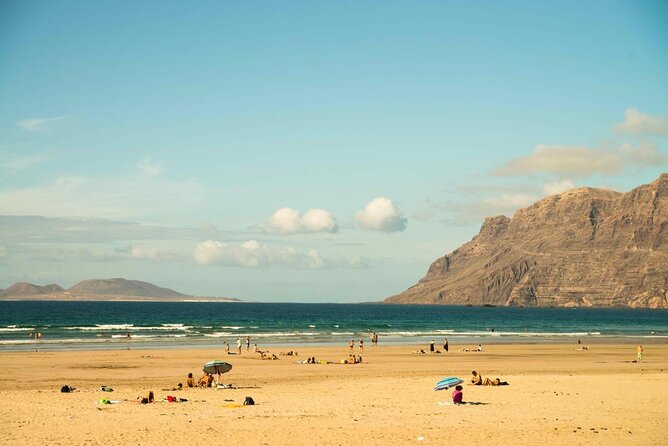
- Playa Famara beginner-to-intermediate waves: a beach break that’s a strong match for first lessons
- Gear included: wetsuit, rash vest, and a surfboard sized to you
- Safety skills, not just tricks: you’ll learn to recognize rips and deal with them
- Real coaching in the water: warm-up, beach exercises, then practice with instructor support
- Medical insurance during lessons: included as part of the experience
- 2 hours is focused: for options like video analysis, you’d need the longer lesson format
Playa Famara: why this beach works for first-timers
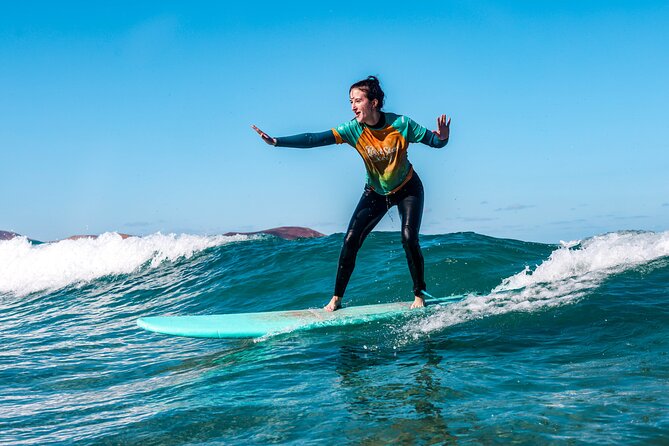
Playa Famara is one of the main reasons people come to Lanzarote for surfing lessons. It’s a beach break setup, which tends to be a friendlier place to learn than more complex reef conditions. The big advantage for beginners is that the instruction can stay grounded: you can practice core movement patterns (paddle, pop up, balance) without spending all your effort just figuring out where to stand or how to read the sea.
You’ll also appreciate the setting. Famara is known for looking dramatic and feeling open, so when you’re learning, you’re not stuck in a cramped space. Your time with the instructor is also more usable because the lesson includes both a short beach briefing and exercises in the water, not just one long “watch and hope” session.
You can also read our reviews of more tours and experiences in Lanzarote.



Getting started at Red Star Surf & Yoga Camp (and what “intro” really means)
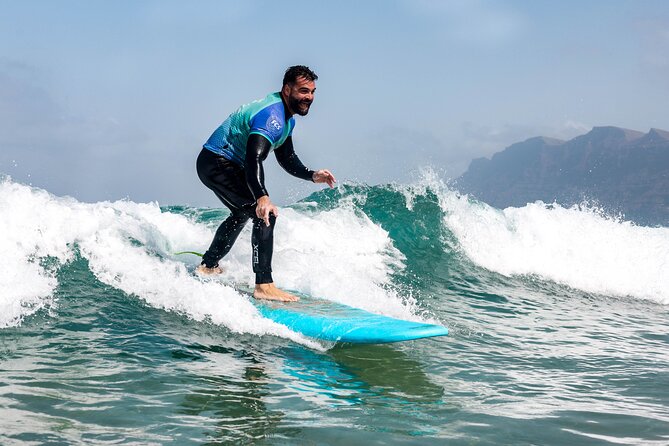
The meet-up point is at Red Star Surf & Yoga Camp, Av. el Marinero, 9, bajo, 35558 Caleta de Famara, Las Palmas, Spain, with a 10:00am start. The activity ends back at the meeting point, which keeps your day simple.
In practice, what you want from a beginner lesson is a fast path to being in the water. This one works that way. After a short briefing at the shop, you get your wetsuit and surfboard, then there’s a short ride to the right part of the beach to begin. Even though the lesson is beginner-level, the flow still feels organized: gear first, then safety, then the action.
And yes, you’ll see how much effort they put into easing people in. Instructors like Mariano, Humberto, Garo, Borge, Majestic, and Jerry are repeatedly mentioned for being patient, explanatory, and supportive—exactly the style you want when you’re trying not to panic the first time the board slips out from under you.
Your 2 hours on the clock: what you’ll do step by step
This is listed as about 2 hours, and that timing actually matters. Too-short lessons can leave you overwhelmed and under-practiced. Too-long lessons can turn into fatigue, especially if you’re learning paddling and pop-ups at the same time. This one aims for enough repetition that your brain gets the pattern.
Here’s how the lesson usually unfolds:
- Briefing and gear: you check in, then get fitted in a wetsuit, rash vest, and the board matched to your level
- Ride to the spot: a short transfer to where conditions and learning are best
- Safety talk and warm-up: before you’re in the water, you get a quick structure for what to do and what to avoid
- Beach exercises: you practice fundamentals on land first—so your first water attempts have a mental checklist
- In-water coaching: you paddle, catch waves (when it’s your turn), and get ongoing support
- Stretching and cool down: you’re not left walking away stiff and clueless
The lesson is designed so you’re learning while doing. You’re not just memorizing tips; you’re turning those tips into movement. Most learners catch their first wave on day one, and the teaching style is repeatedly praised as confidence-building rather than intimidating.
Safety basics you’ll actually use: rips and choosing where to go
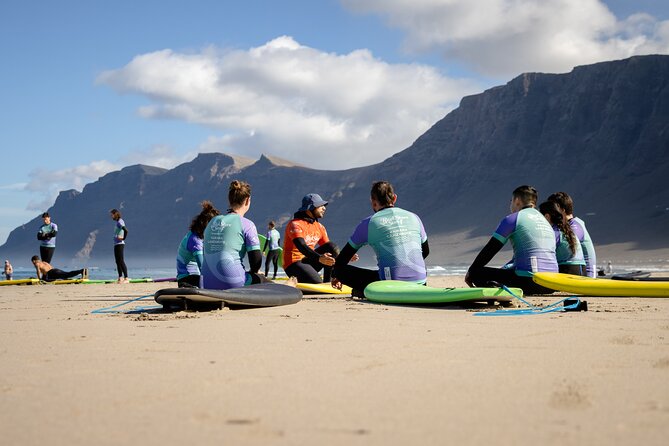
Beginner surf safety has two parts: practical rules and the ability to read the ocean. This class focuses on both.
You’ll be taught how to:
- Recognize rips and understand what to do if conditions aren’t safe
- Find the right places to surf safely
- Handle the basic decision-making that keeps you out of trouble
That rip-awareness piece is especially valuable because it’s not glamorous, but it’s the difference between feeling like you’re surviving and feeling like you can participate. Even if your first goal is simply standing up, you need to know where the water is acting normally and where it’s pulling harder than you expect.
Gear that makes learning easier (and why it’s included)
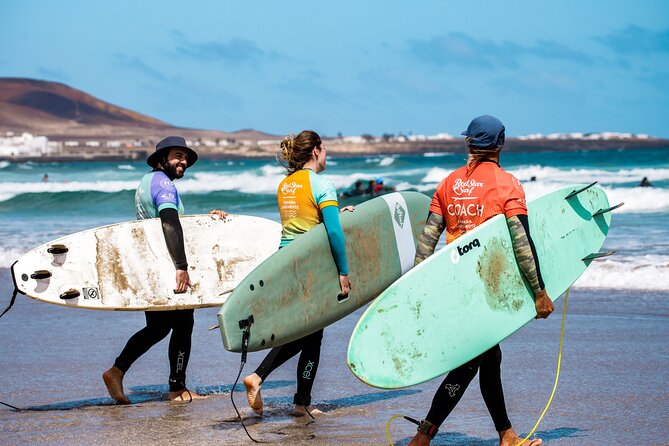
The lesson provides:
- Surfboard according to your surf level
- Wetsuit
- Rash vest
This matters because beginner gear can be the difference between progress and frustration. A board that’s a size and style match helps you paddle sooner, stay balanced longer, and reduce the “I can’t even get moving” stage. The wetsuit and rash vest also make the lesson more comfortable, so you can focus on technique instead of cold-water distractions.
If you’re wondering what to bring, the smart move is to show up ready to change into surf gear quickly. The class covers the big equipment pieces, so you’re mostly responsible for being prepared for sun, salt, and that after-water feeling (plan on rinsing and drying afterward).






Instructors and group size: how coaching shows up
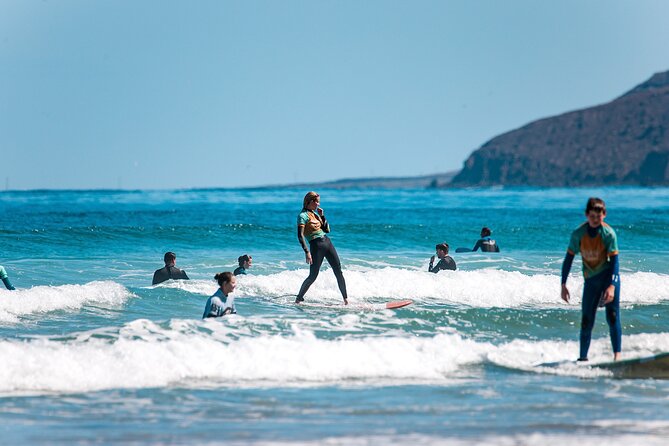
Group size is capped at a maximum of 35. That doesn’t sound tiny, but it helps explain why the lesson is structured in zones: beach exercises, then staged time in the water, with instructors supporting you as you practice.
In the feedback, the coaching style comes up again and again:
- calm instruction
- lots of clear advice
- encouragement that builds confidence fast
The vibe seems welcoming—especially for first-timers and teens. For example, one learner credited Mariano for breaking down the basics in a way that a beginner could actually implement, and another talked about a highly patient, teacherly approach from Borge. You’re not meant to figure it out alone.
Also, it helps that the surf school has been operating for over 10 years. That kind of experience usually shows up in logistics: the safety talk doesn’t feel improvised, and the equipment handoff doesn’t waste time.
Surf lesson value: is $60.34 a fair deal for 2 hours?
At $60.34 per person for about two hours, this is priced like a solid beginner activity—not a premium private coaching session, but not a cheap “try it once” offer either.
Here’s what you’re getting for the money (the practical stuff):
- Included surfboard, wetsuit, and rash vest
- instruction on board choice and wetsuit selection
- beach and in-water exercises
- stretching and warm-up work
- medical insurance during the lessons
There’s also a note on add-ons: video analysis is only available for longer lessons (4.5 hours). So if you’re the kind of learner who benefits from seeing your technique, you might consider upgrading to the longer format. If your goal is simply to get moving and build confidence, the 2-hour structure is often enough to get hooked.
And that “highly addictive” warning isn’t just marketing. Once you feel the difference between paddling effort and wave timing, it’s easy to want a second session.
Who should book this lesson (and who should think twice)
This lesson is designed for beginners and says no experience is required. That’s the main selling point.
It’s also a good fit if you:
- want a straightforward introduction without planning equipment
- like being taught step-by-step, with both theory and practice
- are traveling with a partner or family and want a shared activity on a great beach
But think twice if:
- you can’t swim at least 50m (it’s not recommended)
- you know you’ll struggle with cold or rougher conditions (the class depends on good weather)
Also, if you’re older or returning after time away from sports, the pacing can work well. One person said the 2-hour lesson was plenty long even for an adult over 50, while younger learners might prefer a longer session for extra time on waves.
Weather and what happens if the sea isn’t cooperating
Surf isn’t something you can force. This activity requires good weather. If it’s canceled due to poor conditions, you’re offered a different date or a full refund. That’s important because it keeps you from paying for an experience that can’t run safely.
If you’re planning around this lesson, give yourself flexibility on the day. Famara is a great place to learn, but it’s also the kind of spot where conditions change.
Should you book this 2-hour Famara beginner surf lesson?
Book it if you want a real beginner start with gear provided, safety taught, and a coaching team that aims to get you standing and catching waves sooner rather than later. The combination of board/wetsuit included, focus on rips and safety, and instructors like Mariano, Humberto, Garo, Borge, Majestic, and Jerry being repeatedly praised for clarity and encouragement is exactly what first-timers need.
Skip it (or reconsider) if you can’t swim 50m, you hate group instruction, or your schedule is too tight for weather-dependent rescheduling. Also, if video feedback is a must for you, you’d probably want to look at the longer lesson option where video analysis is available.
If you fit the beginner box and want maximum value without extra prep, this is one of the better ways to start surfing in Lanzarote.
FAQ
Do I need any surf experience?
No experience is required. The lesson is designed to introduce you to surfing from scratch.
What’s included in the 2-hour lesson?
You’ll get a surfboard based on your level, a wetsuit, and a rash vest. You also receive practical and theoretical instruction, surf exercises, stretching, and medical insurance during the surf lessons.
Will I get video analysis?
Video analysis is only available for longer lessons (4.5 hours). It’s not listed as part of the 2-hour format.
Where is the lesson and when does it start?
You start at Red Star Surf & Yoga Camp in Caleta de Famara (Av. el Marinero, 9, bajo, 35558). The start time is 10:00am.
How long is the surf lesson?
It’s approximately 2 hours.
How big is the group?
The maximum group size is 35 travelers.
Do I need to be able to swim?
Yes, you should be able to swim at least 50m. It’s not recommended if you can’t.
Is the lesson taught in English?
Yes, the lesson is offered in English.
What happens if the weather is poor?
This experience requires good weather. If it’s canceled due to poor weather, you’ll be offered a different date or a full refund.
What’s the cancellation policy?
You can cancel for free up to 24 hours in advance for a full refund. If you cancel less than 24 hours before the start time, the amount paid is not refunded.