REVIEW · CRETE
Semi-Private Wine Discovery Tour in Chania
Book on Viator →Operated by Chania Wine Tours · Bookable on Viator
A 5-hour wine lesson with real Cretan stops. What makes this tour work is the mix of wine tasting and olive culture across two family wineries and a monumental olive tree. Add in the countryside drives from central Chania, and it turns into an easy afternoon plan rather than a stressful route hunt.
Two things I really like about it: you sample a wide range of local produce and dairy alongside olive oil, then you get guided wine tasting the way it should be done, with enough context to help you taste better. The small, semi-private group size (up to 8) also keeps the pace friendly, so you can ask questions and actually learn something.
One possible drawback: this is adult-focused (minimum age 18 for participation and drinking), and it runs best when the weather cooperates. If you’re hoping for a laid-back beach-style afternoon, this is more education and structured tasting than wandering.
In This Review
- Key highlights to look for
- The 5-hour rhythm: how this tour stays fun and not rushed
- Meeting point at Chania’s Municipal Market: start where things happen
- Stop 1: Karavitakis Winery and the real start of the tasting
- Stop 2: Anoskeli Winery Olive Mill—wine meets olive oil culture
- The Vouves Monumental Olive Tree: a landmark stop that’s more than a photo
- 11 wines, a real teaching moment, and smart snacks
- About the snack pairings
- What countryside views really add to the experience
- Group size (max 8) and why semi-private matters
- Price and value: what you’re really paying for
- Practical tips so the afternoon goes smoothly
- Who this tour is best for
- Should you book the Semi-Private Wine Discovery Tour in Chania?
- FAQ
- How long is the Semi-Private Wine Discovery Tour in Chania?
- How many wineries are visited?
- How many wines are included in the tasting?
- What is included with the wine tasting?
- Where is the meeting point in Chania?
- Is the tour offered in English?
- What is the group size limit?
- Are there age requirements?
- What happens if weather is poor?
- Is the booking refundable if I cancel?
Key highlights to look for
- Two family wineries + an olive mill stop, so it’s not just wine
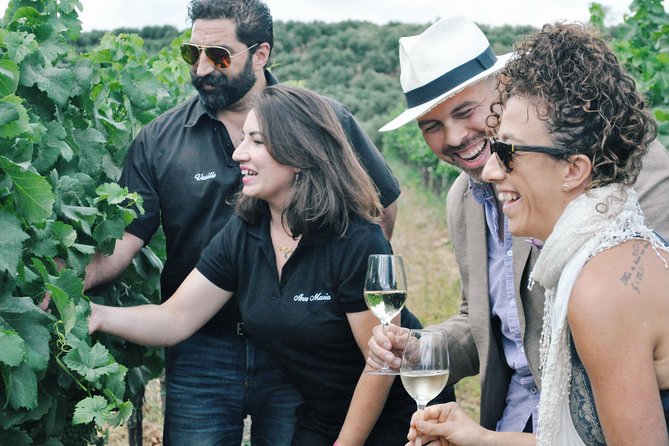
- 11 wines with snacks, paired to help your palate understand what you’re tasting
- Vineyard walk for photos and a countryside drive out of central Chania
- Vouves Monumental Olive Tree, a major landmark tied to Crete’s olive tradition
- Small group (max 8), which makes the guide’s explanations easier to follow
- Professional guiding from Cretan-wine specialists with excellent English
The 5-hour rhythm: how this tour stays fun and not rushed
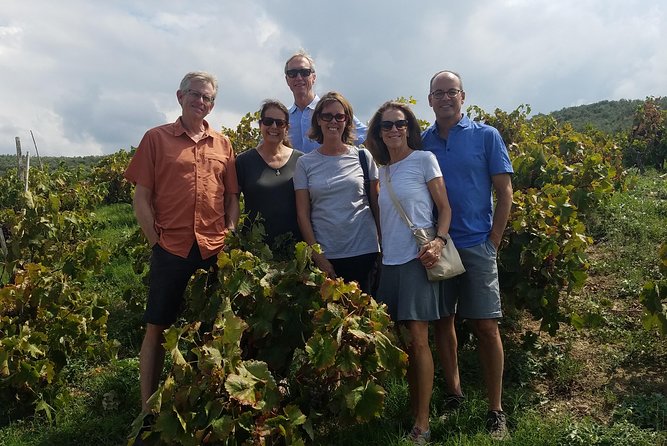
This is the kind of outing that makes sense on a vacation day. The total time is around five hours, and it’s built around short, meaningful segments: drive, taste, learn, walk, taste again. You’re not spending your afternoon waiting for transfers with nothing happening. Instead, each stop has a clear purpose, from wine education to olive oil context.
You’ll also like the pacing if you enjoy structure. The tour is educational, but it’s not stiff. The guiding style shows up in the reviews: guides like Oz and Anna are described as genuinely wine people doing tours, not actors reading from a script. That matters because wine tasting can feel vague without guidance, and the guide keeps it practical.
You can also read our reviews of more tours and experiences in Crete.
Meeting point at Chania’s Municipal Market: start where things happen
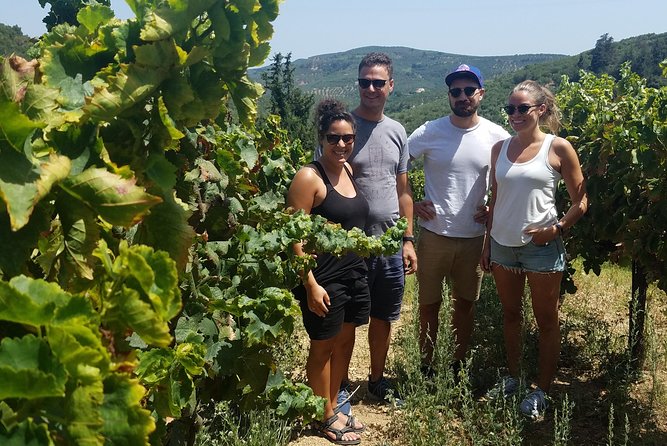
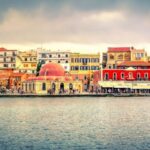
You meet at Platia Markopoulou in Chania. It’s a central, easy-to-find spot, and the tour returns you back there at the end. The start time is 1:00 pm, which is perfect if you want a late lunch and then a full afternoon of tastings without losing your evening.
One small planning tip: give yourself a little buffer before 1:00 pm. Even if you’re nearby, this is one of those tours where being on time keeps the whole flow smooth for everyone in the group.
Stop 1: Karavitakis Winery and the real start of the tasting
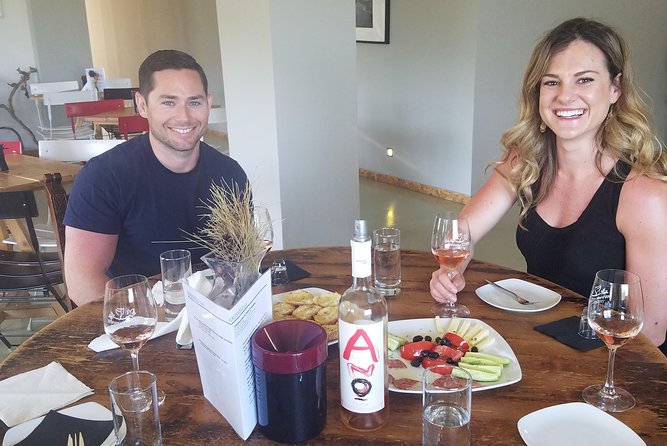
Your first winery stop is Karavitakis Winery. This is where the afternoon gets its footing. The tour includes a walk through vineyards, and yes, it’s genuinely useful for photos—but more than that, it helps you connect what you’re tasting to where the grapes grow.
This first set also matters because you learn how to taste wine in a guided way. If you’ve ever had a wine flight and wondered what you were supposed to notice, this kind of instruction helps you stop guessing. The tastings are framed around both local character and the broader world of grapes, so you’re not only dealing with unfamiliar varieties.
Stop 2: Anoskeli Winery Olive Mill—wine meets olive oil culture
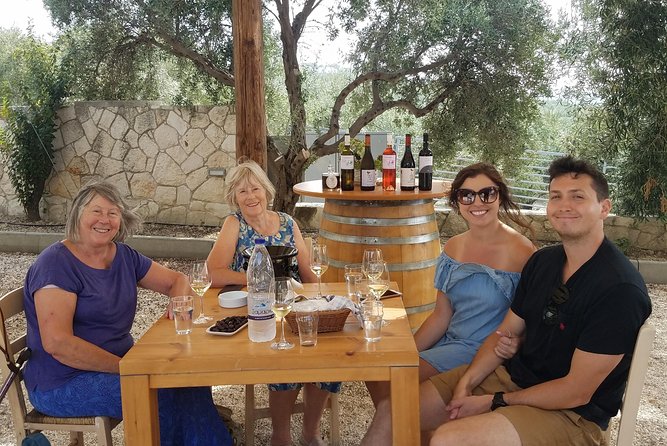
Next you head to Anoskeli Winery Olive Mill, where the tour shifts from grape-focused wine to olive oil culture. This stop is important because in Crete, olives aren’t a side theme. They’re part of the food system, the landscape, and the way producers build flavor.
What I like here is that you don’t get separated into two separate experiences—just wine here, only olive oil there. The tour keeps the learning connected: tasting and food sampling help you understand how olive oil and wine can complement each other instead of competing on your palate.
From the snack lineup you’re likely to see a mix of fresh and savory items: tomatoes, cheese, salami, cucumbers, bread, olive oil, and olives. That kind of pairing is more useful than fancy bites because it lets you taste the oil’s role in real Cretan food.
The Vouves Monumental Olive Tree: a landmark stop that’s more than a photo
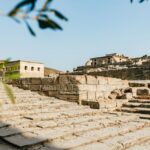
The third stop is The Monumental Olive Tree of Vouves. This is the standout landmark moment of the afternoon, often described as the oldest olive tree in the world. It’s the kind of place where a quick explanation changes your whole experience—suddenly it’s not just a tree, it’s a living symbol of time, survival, and agriculture in Crete.
The guide often gives context fast and clearly. One review highlights how a guide framed thousands of years in minutes to help people understand the connection between Crete’s history and its wine and olive industries. Even if you’re not into speeches, this is the kind of story that makes the rest of the tasting click.


11 wines, a real teaching moment, and smart snacks
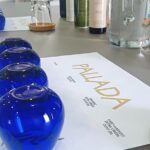
By the time you’ve finished the winery stops, you’ll sample 11 different wines along with snacks. That is a lot of wine variety for one afternoon, and it works only because the guide teaches you how to taste.
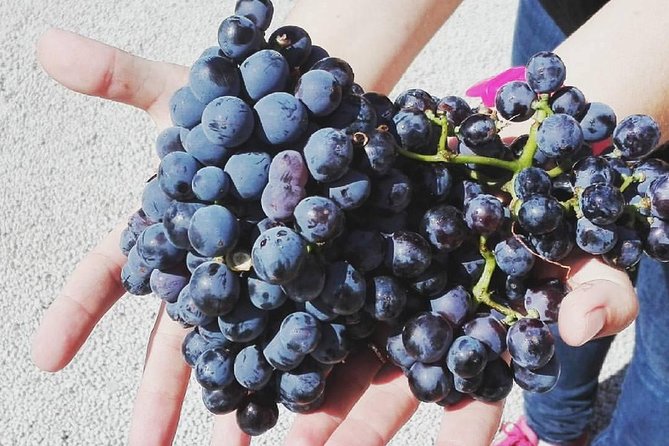
You’ll also notice a key point: the wines come from indigenous Cretan grape varieties plus international grapes you may recognize. That mix is great for value. If you love wine already, you get the thrill of discovering local character. If you’re newer to wine, the familiar grapes give you a reference point so you can understand the differences instead of just collecting tastes.
About the snack pairings
The snack plate is designed to support the tasting—bread, cheeses, olives, tomatoes, and salami are classic flavors that can help you judge structure and balance. One review notes that pairings might not match everyone’s exact preferences, but they’re appropriate for the tasting flight. Translation: don’t expect gourmet fine-dining. Do expect practical food that helps you taste better.
What countryside views really add to the experience
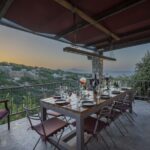
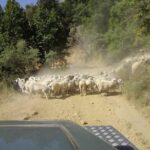
Driving between stops is more than transportation here. The countryside around Chania is part of the tour experience: views out over hills and farmland create a scenic buffer between tasting sessions. It’s one reason this works well as a break from a beach-heavy schedule.
And because the group is small, the minivan time doesn’t feel like a long bus ride. It feels like a rolling intro to the region—stop, look, taste, learn—then back on the road again.
Group size (max 8) and why semi-private matters
Semi-private usually means a nicer vibe, and here it’s not just marketing. With a maximum of 8 travelers, it’s easier for a guide to:
- keep explanations understandable
- answer questions without rushing
- manage the timing between tastings
- make sure the tasting pace matches the group
If you prefer a tour where you don’t feel like one face in a crowd, this is a strong choice. Reviews repeatedly mention that the small-group format helps people enjoy both the wine and the olive education without feeling dragged along.
Price and value: what you’re really paying for
At $114.65 per person, it’s not the cheapest activity in Chania. But when you break down what’s included, the value becomes clearer.
You’re getting:
- transport in an air-conditioned minivan
- wine tastings across two wineries (plus education)
- snacks and local food sampling
- a guided vineyard walk
- the major landmark stop at Vouves
Most importantly, you’re paying for guided tasting instruction. Wine tastings without coaching often feel like you’re just drinking small amounts and hoping you learn something. Here, the guide’s role is central—reviews highlight guides like Oz and Anna for exactly that: professional wine teaching with humor and clarity.
Also note timing: the tour is commonly booked about 22 days in advance. That’s a sign it’s popular with people who want an easy, well-organized afternoon. Booking earlier usually gives you more date options.
Practical tips so the afternoon goes smoothly
This is an adult tasting tour. Plan like it’s a tasting day, not just a walk-and-photos day.
A few practical ideas:
- Wear comfortable shoes for vineyard paths and the walk at the stops.
- Bring a light layer. Winery and mill areas can shift from bright outdoor light to indoor tasting rooms.
- If you’re picky about food, remember the tasting plate is part of the learning. It’s meant to pair with wine, not imitate your favorite restaurant.
- Stay hydrated. You’ll be sampling 11 wines, and even with small pours, you’ll feel it.
And if you’re booking late-season or shoulder season: remember the experience requires good weather. If conditions are poor, you’ll either be offered a different date or a full refund.
Who this tour is best for
This is a good fit if you:
- want a structured introduction to Cretan wine
- like food that actually pairs with what you drink
- enjoy countryside views between stops
- prefer small groups and clear guidance
It’s also a great choice if you’re traveling with a wine-curious friend or partner. The mix of indigenous and international grape styles makes it approachable for different levels of wine interest, while the olive oil and olive tree stop gives it wider appeal.
Should you book the Semi-Private Wine Discovery Tour in Chania?
Yes, if you want an afternoon that feels like a guided day out rather than a grab-bag of random tastings. The small group size, the 11-wine flight, and the decision to include olive oil culture and a landmark like the Monumental Olive Tree of Vouves make it a strong value for learning and enjoyment.
Skip it only if you’d rather do something purely relaxing, or if weather uncertainty would stress you out. Otherwise, this is the kind of tour that gives you more than souvenirs: it gives you context you can take into your next glass.
FAQ
How long is the Semi-Private Wine Discovery Tour in Chania?
The tour lasts about 5 hours.
How many wineries are visited?
You visit two family-owned wineries and also stop at an olive mill and the Monumental Olive Tree of Vouves.
How many wines are included in the tasting?
The experience includes tastings of 11 different wines.
What is included with the wine tasting?
Wine tasting and snacks are included, along with transport by an air-conditioned minivan.
Where is the meeting point in Chania?
The tour meets at Platia Markopoulou in Chania and returns back to the same meeting point.
Is the tour offered in English?
Yes, the tour is offered in English.
What is the group size limit?
The tour has a maximum of 8 travelers.
Are there age requirements?
Yes. The minimum age is 18, and the minimum drinking age is also 18.
What happens if weather is poor?
The experience requires good weather. If it’s canceled due to poor weather, you’ll be offered a different date or a full refund.
Is the booking refundable if I cancel?
No. This experience is non-refundable and cannot be changed for any reason.