REVIEW · KOS
Private Greek Cooking Class in Kos with Lunch
Book on Viator →Operated by Kosblogger featured by Theokritos Travel · Bookable on Viator
Three hours later, your kitchen skills feel official. I love the meat-free mezedes and the fact that the vegetables come straight from the garden and local farms; I also love the friendly, organized teaching from Kiki and Anna at Ambrosia. One thing to consider: the class is in German, so plan on translating key terms or bringing someone who speaks it.
You’ll cook in the tavern Ambrosia, run as a women’s cooperative, where the colorful garden setting makes chopping and tasting feel like a small celebration, not a chore. Lunch is included, and the menu fits vegetarians well since the appetizers are meat-free by design.
Pickup is offered, but private transportation and an air-conditioned vehicle aren’t included, so build in a little flexibility if you’re staying farther from Marmari. The upside is this stays private, so it’s just your group in the kitchen.
In This Review
- Key highlights you’ll care about
- Greek Mezedes in Marmari: what makes this class worth your time
- Ambrosia tavern and the women’s cooperative garden
- Meat-free mezedes and garden-to-table flavor
- What you’ll make: appetizer cooking that you can repeat at home
- How the 3-hour experience typically flows (starts at 11:00 am)
- Private group dynamics: why it feels different than a big tour
- Language reality check: German instruction and how to handle it
- Pickup and getting there: simple logistics for Marmari
- Lunch included: what you’re really paying for
- The tasting highlights: lemonade, wine, and feel-good food
- Who should book this Kos cooking class
- Should you book this private Greek cooking class in Kos?
- FAQ
- What time does the cooking class start?
- How long is the private Greek cooking class?
- Where does the class take place?
- Is lunch included?
- What will we cook?
- Is the class vegetarian-friendly?
- What language is the class taught in?
- Is it private or shared with other people?
- Is pickup available?
- Where do we meet, and where does it end?
- Is free cancellation possible?
Key highlights you’ll care about
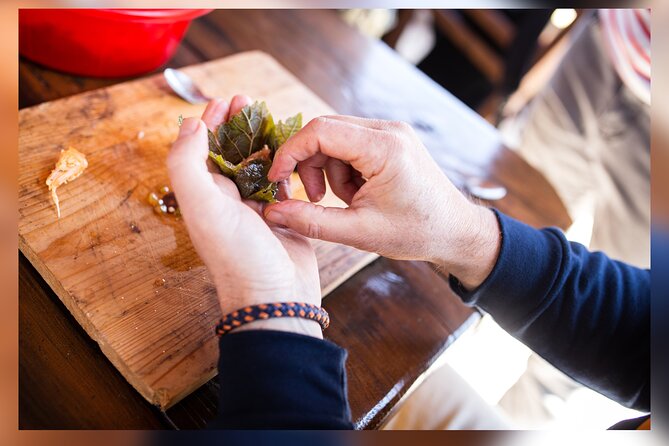
- Ambrosia in Marmari: a tavern setting inside a women’s cooperative, not a sterile cooking studio
- Garden-first ingredients: fresh vegetables from their own garden and local farmers
- Meat-free Greek appetizers: classic mezedes you can recreate back home
- Vegetarian welcome: the dishes are expressly vegetarian-friendly
- Small, private format: only your group participates
- Homemade lemonade and wine moments: often part of the tasting during the meal
Greek Mezedes in Marmari: what makes this class worth your time
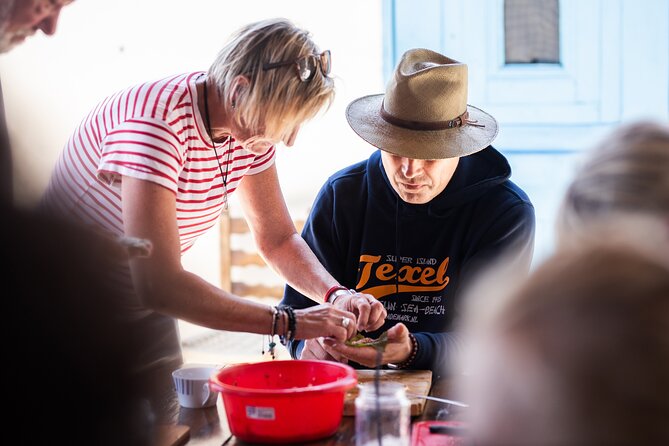
If you’ve ever tasted Greek mezedes on vacation and thought, I want this at home, this is the practical way to make it happen. In Kos, you’ll spend about 3 hours learning how to prepare Greek appetizers together, then eat lunch as part of the experience.
What I like most is the focus on food you can actually re-create. These are appetizer-style dishes, not complicated chef-only plates, and they’re built around fresh vegetables and simple techniques. And because it’s private, you can ask questions and get real coaching instead of watching from the sidelines.
The other big perk is the setting. Ambrosia is a tavern in Marmari, and the garden area makes the whole session feel relaxed. You’re not just cooking; you’re hanging out with people and learning the flow of a Greek table.
You can also read our reviews of more tours and experiences in Kos.


Ambrosia tavern and the women’s cooperative garden
Meeting at Amvrosia (the Traditional Cafe in Marmari) puts you in the right mood right away. From there, you’ll spend your time at Ambrosia, a women’s cooperative tavern with a garden that’s lively and colorful.
This matters because cooking classes can feel forced when the environment is bland. Here, the atmosphere helps you relax into the work: chopping, seasoning, tasting, and adjusting. You also get the feeling that the food comes from the people and the place, not from a showroom kitchen.
A few hosts and helpers show up in the class experience. You’ll often hear from Kiki and Anna as the guiding voices, and other team members may step in during the prep and tasting. Even if your German isn’t perfect, the tone is friendly and the process is guided step-by-step.
Meat-free mezedes and garden-to-table flavor
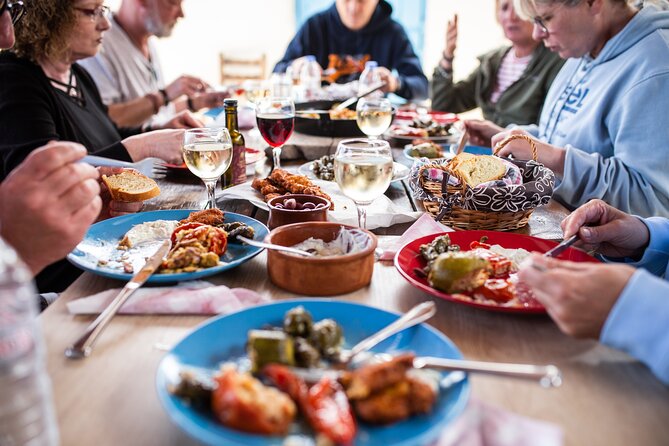
The menu centers on Greek appetizers, and the key detail is that they’re meat-free. That’s not a compromise here. It means you get to focus on vegetables, herbs, textures, and flavor-building techniques that make Greek mezedes so addictive.
The vegetables are fresh from their own garden and from local farmers. That gives you two benefits:
- You learn with ingredients that actually taste like Greece in season
- You understand what to look for when you shop back home
Vegetarians are expressly welcome. If you’re the type who wants a cooking class that won’t end with awkward substitutions, this one fits your style.
Also, the class is designed for authenticity and originality. You’re not only making a dish you can follow from a recipe card. You’re picking up the small choices that make it taste right, like how Greeks balance acidity, herbs, and seasoning in bite-sized plates.
What you’ll make: appetizer cooking that you can repeat at home
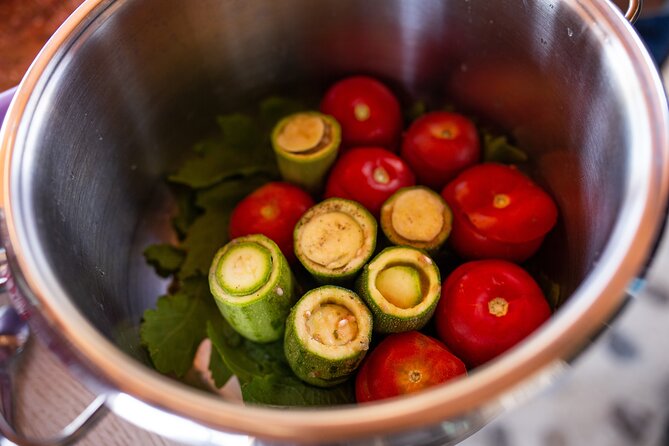
Even though this class is about Greek appetizers as a category, the heart of the experience is practicing the techniques that make mezedes work. Think in terms of:
- prepping vegetables properly
- building flavor through simple seasoning
- working as a team so the lunch happens on time
One of the dishes that pops up in feedback is chickpea fritters (like kichererbsen-style puffer cakes). It’s the kind of dish that feels impressive but is doable once someone shows you the consistency and timing. When you learn how thick the batter should feel and what “done” looks like, you can replicate it later without stress.
Other parts of the tasting can include homemade touches such as lemon-based drinks. In multiple reports, people highlighted self-made lemonades, and some also noted Greek wine being part of the meal. The exact serving can vary, but the takeaway for you is consistent: there’s a social food-and-drink rhythm, not just cooking until you’re hungry.
How the 3-hour experience typically flows (starts at 11:00 am)
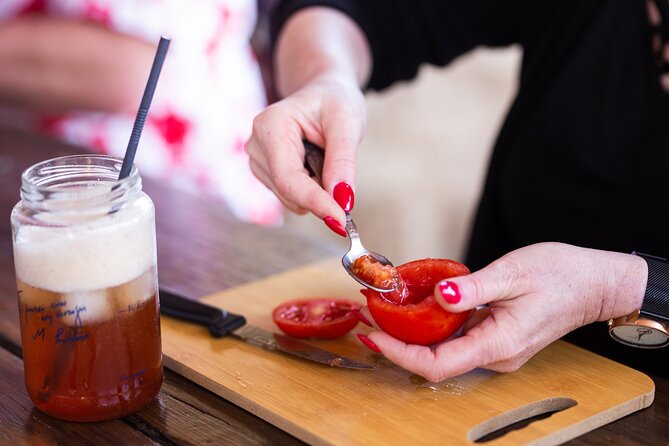
This starts at 11:00 am, and you’ll finish back at the meeting point. The full session is about three hours, so it’s not a half-day you need to plan your entire schedule around. It’s long enough to learn real skills, but short enough to keep your afternoon free for the beaches, old streets, or a lazy walk in Marmari.
Here’s what the time structure feels like in practice:
- You meet and get settled at Amvrosia/Traditional Cafe in Marmari
- You move into the tavern space and start food prep together
- You cook and work through the dishes as a group
- You sit down for lunch, with what you made at the center
Because it’s private, the pace can be adjusted slightly for your group. If someone in your party is more cautious with knives, you’ll likely get gentler pacing. If your group is talkative, expect more conversation time while you cook.
One thing to keep in mind is that this is not a silent culinary boot camp. The tone is social. People often mention laughing and chatting while prepping, and that’s part of what makes it fun rather than intimidating.


Private group dynamics: why it feels different than a big tour
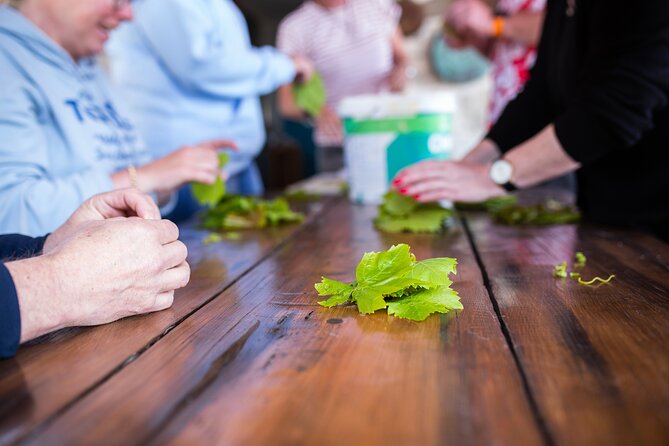
This is a private tour/activity, meaning only your group participates. That changes everything about the learning experience.
In a larger class, you can end up as a spectator with a small task. In a private class, you’re more likely to get attention, and you can ask questions as you cook. You can also adapt: if you’re vegetarian, you’ll get reassurance that the dishes are meat-free and appropriate.
It also helps if you’re traveling as a couple, two friends, or a small family. In those situations, cooking classes often become a highlight because you’re not trying to fit into a crowd’s rhythm. You get a shared activity you can talk about later, and you leave with actual skills.
Language reality check: German instruction and how to handle it
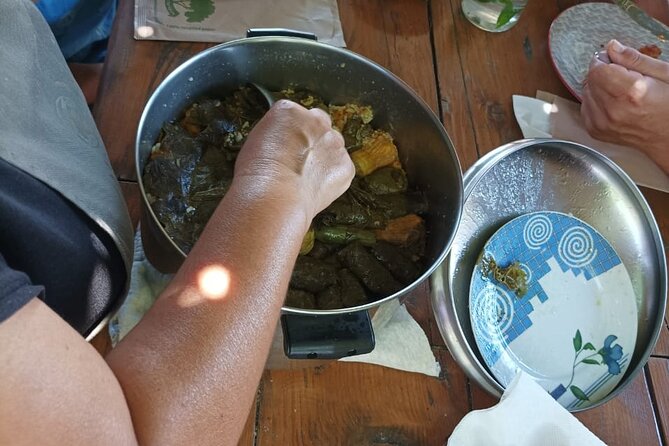
The class is held in German. This is the one drawback I’d call out clearly. If you only speak English, you might feel a little lost at first.
But here’s the good news: cooking is a language of its own. You’ll see what to do, and you can pick up the technique from actions even if you don’t catch every word. A friendly group setting also helps, since questions are usually answered through demonstration as much as explanation.
Practical advice if German isn’t your strength:
- Bring a translation app and be ready to learn a few basic food terms
- Ask your group members to point out questions you want answered
- Focus on timing and texture, since that’s universal
If your party includes at least one person comfortable in German, this becomes much easier. If not, you can still enjoy the class, just treat it like a hands-on workshop where visuals matter more than vocabulary.
Pickup and getting there: simple logistics for Marmari
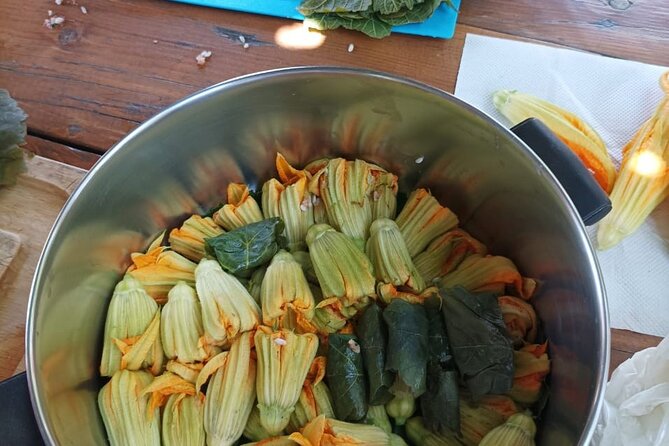
Pickup is offered, but private transportation and an air-conditioned vehicle aren’t included. Translation: you might need to arrange your exact ride based on what’s convenient for your area.
Since the meeting point is in Marmari, your best move is to plan around that neighborhood. If you’re already based near Marmari, you’ll likely find it simple. If you’re farther away, give yourself a buffer so you don’t rush.
Also, start time is 11:00 am, which is great if you want an early activity and then an unplanned afternoon. It’s not so early that you’ll feel groggy, and it’s not so late that you lose a full morning.
Lunch included: what you’re really paying for
At $95.98 per person, you’re paying for more than ingredients. You’re paying for:
- a private cooking session
- instruction in preparing Greek appetizers
- a lunch built around the food you made
That price can feel steep if you compare it to a casual meal. But cooking classes usually price instruction and time, and private formats cost more than group ones for a reason. You’re getting a guided experience in a real setting, with fresh ingredients and a full sit-down meal at the end.
Is it good value? In my view, yes, if you want skills you’ll use again. If you’re only looking for a quick snack and photos, you might wonder about the cost. But if you care about learning how Greek mezedes are built, it’s a solid deal.
Two other value signals show up in the class reputation: a 4.8 rating and a 96% recommendation rate. That usually means people leave happy, and in this case the repeated praise centers on the food, the friendly hosts, and the fun group atmosphere.
The tasting highlights: lemonade, wine, and feel-good food
Food classes can end with a rushed meal where you barely taste your own work. This one is structured around lunch included, and people often focus on the drinks and the overall meal experience.
One standout mentioned is self-made lemonade. That’s a classic Greek-style touch: bright, refreshing, and great alongside appetizers. Some also noted wine being served, which fits the tavern rhythm of Greece.
Even if you don’t drink alcohol, you’ll still benefit from the cultural idea here. The point is learning how Greek mezedes are part of a relaxed lunch or early evening table—food you eat slowly, with conversation, and with flavors that keep you reaching for the next bite.
Who should book this Kos cooking class
This is a great match if:
- you want a meat-free Greek appetizer lesson you can repeat at home
- you’re comfortable with or curious about German instruction
- you enjoy small-group or private activities more than large tours
- you appreciate fresh, garden-based ingredients and authentic cooking settings
It may not be the best match if:
- you need everything explained only in English
- you’re looking for an air-conditioned, bus-ride kind of tour with minimal standing
- you want a deep, fancy cooking “science” class rather than a friendly tavern-style workshop
Should you book this private Greek cooking class in Kos?
I’d book it if your goal is real taste-and-skill, not just a vacation activity. The combination of a women’s cooperative tavern, garden-fresh vegetables, and meat-free Greek mezedes makes it feel both authentic and practical.
If German is a deal-breaker, you might hesitate. But if you’re okay with a workshop vibe where visuals help you learn, you’ll likely have a fun time. And because the session is private, it tends to feel warm and personal, guided by hosts like Kiki and Anna, with extra help from team members such as Michal and Anja mentioned in the experience.
Go for it if you want to leave Kos with something more than memories: a set of appetizer techniques you can cook again at home and feel proud of.
FAQ
What time does the cooking class start?
It starts at 11:00 am.
How long is the private Greek cooking class?
The duration is about 3 hours.
Where does the class take place?
It takes place at the Ambrosia tavern in Marmari, Kos.
Is lunch included?
Yes, lunch is included.
What will we cook?
You’ll prepare Greek appetizers (mezedes-style). The dishes are meat-free.
Is the class vegetarian-friendly?
Yes. Vegetarians are expressly welcome, and the appetizers prepared are meat-free.
What language is the class taught in?
The cooking course is held in German.
Is it private or shared with other people?
It’s private. Only your group participates.
Is pickup available?
Pickup is offered, but air-conditioned vehicle and private transportation are not listed as included.
Where do we meet, and where does it end?
You meet at Amvrosia – Traditional Cafe, Marmari 853 00, Greece, and the activity ends back at the meeting point.
Is free cancellation possible?
Yes. You can cancel for a full refund up to 24 hours before the experience starts.