REVIEW · PAROS
Playing and Creating with Clay 3 Hours Pottery Class
Book on Viator →Bookable on Viator
Clay turns calm fast in Paros. This hands-on Playing and Creating with Clay class walks you through the real stages of making ceramics, from shaping your first piece to using the wheel for forms with personality. You get step-by-step guidance in English, plus a laid-back break in the middle so the day feels more like therapy than a lesson.
I especially liked how patient the instructor is, from first-time hands to fine-tuning your shape. You also get real time on the pottery wheel, which is fun even if you start with zero skill.
One consideration: you can’t count on taking pieces home the same day. The clay needs two firings, then shipping is possible about 15 days later and comes with extra cost for shipping and packing.
In This Review
- Key highlights worth showing up for
- Finding Pounta, then getting clay under your nails
- The 3-hour flow: building, resting, and shaping on the wheel
- Pinchpot, coiling, and slab: the practical ceramics toolkit
- The pottery wheel session: turning chaos into circles
- The real work happens after class: two firings and a wait
- Price and value: why $84.10 can be a good deal
- Who should book this Paros pottery class (and who might not)
- Practical tips before you go
- Should you book this Paros pottery class?
- FAQ
- Where is the class located, and where does it end?
- How long is the pottery class?
- Is the class taught in English?
- Is this a private tour or shared group activity?
- What pottery techniques will I learn?
- Do I get to use a pottery wheel?
- Can beginners participate?
- Can I take what I make home the same day?
- How long does it take to finish and ship the pottery?
- What is the cancellation policy?
Key highlights worth showing up for
- Pinchpot, coiling, and slab basics so you can actually understand how ceramics are built
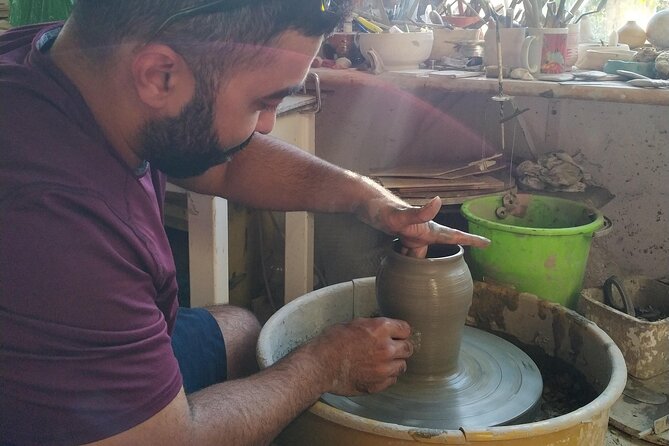
- Pottery wheel practice for round forms you can tweak with your own look
- A calm, low-pressure vibe led by hosts/instructors like Ria, with the same encouraging energy people mention from Sotiria and Vasilis
- A mid-class break for coffee, fruit juice, or dessert so you can reset
- Made-for-you creativity: you choose the bowl, mug, or other shape you want to try
Finding Pounta, then getting clay under your nails
This class is based in Pounta, Paros, and it ends back at the same meeting spot. That simple loop matters because you’re not hunting buses or zigzagging across town after a hands-on session. It’s also near public transportation, and the class is listed as close to that practical reality.
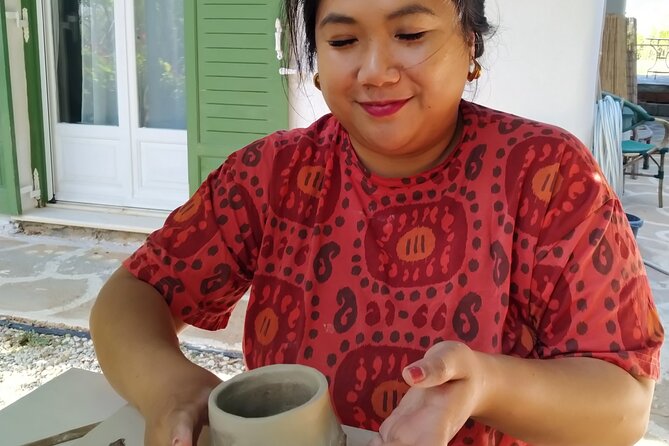
What you’re signing up for isn’t a rushed “watch me do it” demo. You’re working with clay during the main part of the 3 hours, learning the core techniques that potters use all the time. Even if you’re visiting for just a short stay, this kind of focused workshop is one of the best ways to experience Paros beyond the beaches.
You can also read our reviews of more tours and experiences in Paros.


The 3-hour flow: building, resting, and shaping on the wheel
The class runs about 3 hours, and it’s organized in two clear halves.
First you’ll learn the stages of creating complete ceramics and talk a bit about forms—then you start shaping your own idea. The instructor shows you the techniques (pinchpot, coiling, and slab) so you can build something you actually care about, like a bowl, a mug-style shape, or another form that fits your taste.
Then comes the reset. You take a break for coffee, fruit juice, and possibly dessert. It’s a small detail, but it changes the feel of the class. Instead of forcing you to stay “on” the whole time, you get a pause to breathe and snack.
After that, the wheel portion starts. You’ll try the pottery wheel for circular objects and learn how the form can be modified with aesthetics that match your own ideas. The best part is that the day doesn’t treat mistakes like failures. Clay is forgiving. You can adjust and keep going until it looks right to you.
Pinchpot, coiling, and slab: the practical ceramics toolkit
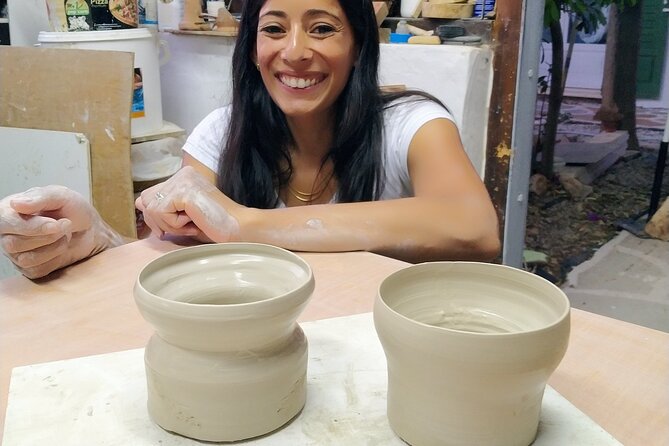
The techniques you’re taught are the foundation of hand-built pottery.
Pinchpot is the classic start: you compress and shape clay with your fingers. It’s a great way to understand thickness, control, and how form changes when you apply pressure in the right places.
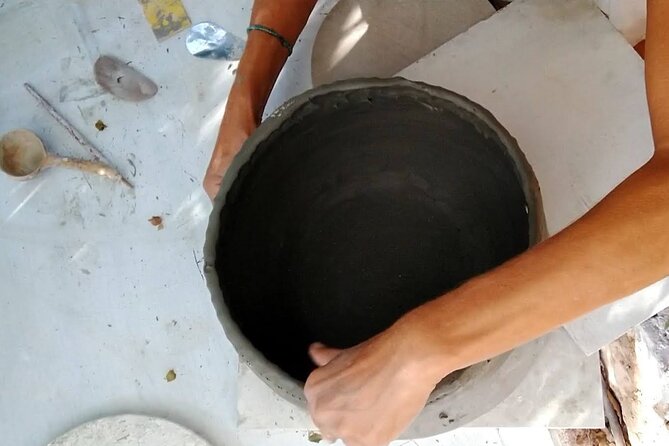
Coiling uses ropes of clay stacked and blended into a taller form. It teaches you how to think in layers and build height without losing stability. It’s also the technique that often makes people feel like they’re “making a real pot” rather than just playing.
Slab is all about flat pieces and edges. If you want something with a more structured look—like a form that relies on clean sides—slab work helps you see how thickness and alignment affect the final shape.
Why this matters for you: if you only try one method, it’s easy to leave thinking pottery is a single skill. Learning all three gives you options. It also helps you choose the shape that matches your energy. Some days you want gentle finger work. Other days you want to build, stack, and refine.
The pottery wheel session: turning chaos into circles
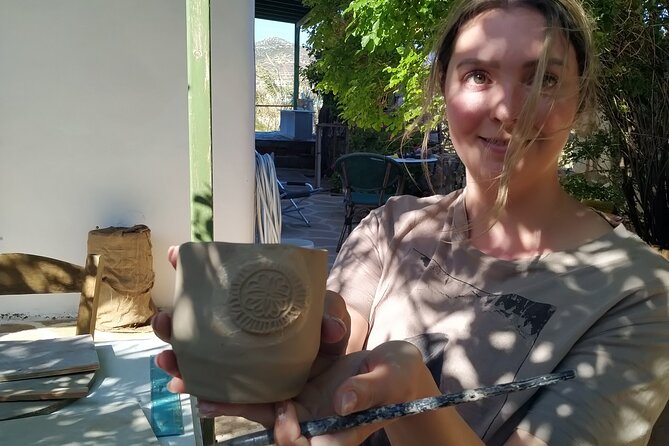
The pottery wheel part is the headline for many first-timers—and for good reason. On a wheel, your job becomes less about sculpting every millimeter and more about steady hands, timing, and guiding the clay into a centered form.
You’ll get to create circular objects and then modify them based on your aesthetics. That’s key: you’re not just trying to “make it round.” You’re learning how to adjust the shape so it looks intentional. Even when the wheel feels awkward at first (it will), the process is still enjoyable because you’re actively learning rather than waiting for someone else to do the hard part.
If you’re the type of person who likes hands-on tasks, this is where you’ll probably start feeling like your vacation has a story. It becomes less about watching Greece and more about participating in a craft.
The real work happens after class: two firings and a wait
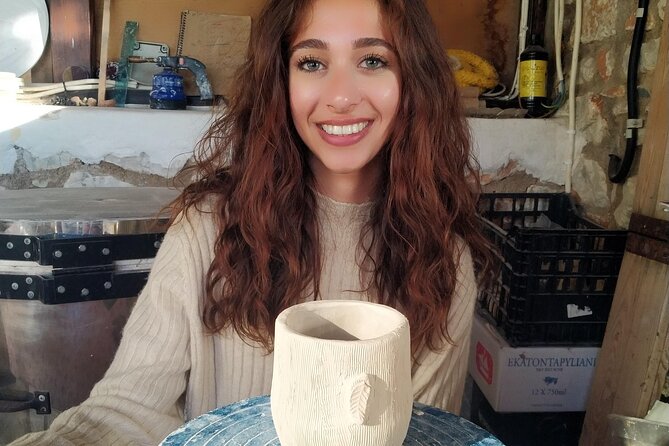
Here’s how ceramics gets finished: your pieces need two firings in a ceramic oven. After that, shipping is possible.
The timing is not instant. The process takes about 15 days for completion, and then shipping can be arranged. The shipping cost depends on the Greek Post office price table, and there’s an extra 20% packing cost. That packing detail matters because fired ceramics need protection. It’s part of why you should plan for the total cost before you fall in love with your final piece.
So think of this as an experience plus a souvenir—just not a same-day souvenir. If you want something to take home physically that day, this probably isn’t the format for you. But if you’re okay waiting and you enjoy the idea of your pottery arriving later, it’s a nice twist.






Price and value: why $84.10 can be a good deal
The class costs $84.10 per person for about 3 hours. On paper, it sounds like a straightforward workshop. In practice, the value comes from what’s included:
- Instruction on multiple build methods: pinchpot, coiling, slab
- Wheel time, not just a quick look
- A guided, calm structure (including a break)
- A complete ceramics process after class with two firings
The only “watch it” item is take-home logistics. If you want your pottery shipped to your home, shipping and packing add cost. One person basically summed up the math like this: it’s worth paying if you really love what you made, but it’s not cheap.
My advice: decide your priority before you book. If your goal is the relaxing learning day, the base price makes sense. If your goal is a boxed-up souvenir to your doorstep, budget for shipping from the start.
Who should book this Paros pottery class (and who might not)
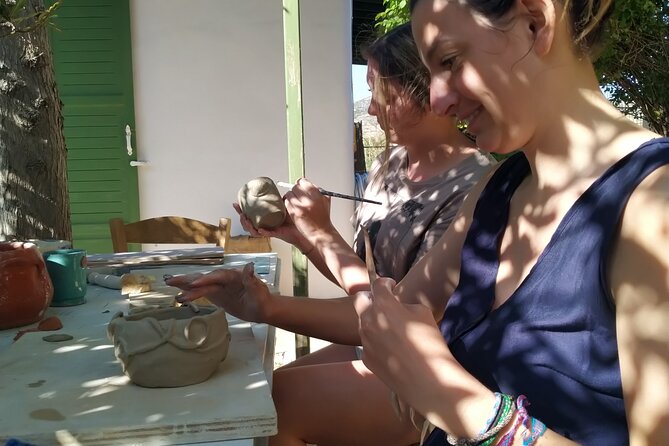
This class fits best if you want a hands-on activity that’s also mentally calming. The clay work is relaxing in the way crafts can be—steady, repetitive, and forgiving. It’s also described as enjoyable for beginners, which is important because pottery classes often fail the “first-timer” test.
You’ll probably love it if you:
- Like making things with your hands, even if you’re not artistic
- Want a break from sun-and-sand routines
- Enjoy learning a craft in real steps instead of one short demo
- Want a small, private-group feel (it’s listed as private, so only your group participates)
You might hesitate if you:
- Need same-day take-home souvenirs
- Don’t want to deal with the idea of shipping and waiting for two firings
Practical tips before you go
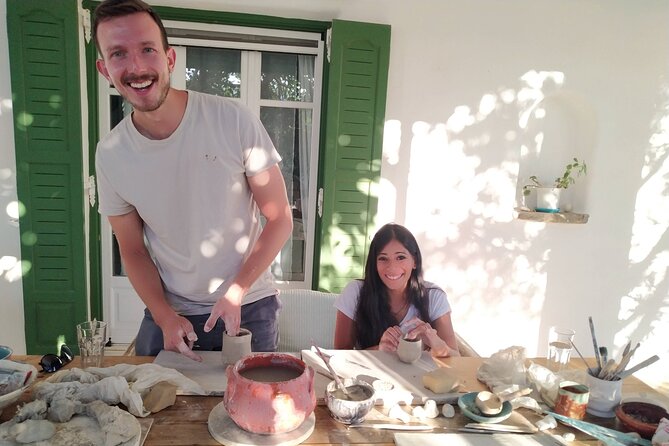
- Wear clothes you can get a little dusty. Clay is clay.
- Expect the wheel to feel different from hand-building. That’s normal.
- If you want to ship your pottery, plan your schedule with the ~15-day firing time in mind.
- Bring patience for the learning curve. The tone here is laid-back and encouraging, which helps a lot.
Should you book this Paros pottery class?
Yes—if you’re looking for a calming, hands-on Paros activity where you learn real ceramics basics and get wheel time. The strong point is the combination of skill-building and a friendly, low-pressure atmosphere led by hosts/instructors like Ria, with similarly welcoming energy described from Sotiria and Vasilis.
Skip it (or at least adjust expectations) if you’re only after an immediate souvenir. Your pieces require two firings, and shipping is an extra step with cost and timing. Also, if you’re trying to pack your day with lots of moving parts, remember this is a focused 3-hour making session with a real after-class process.
FAQ
Where is the class located, and where does it end?
It meets in Pounta, Paros and ends back at the meeting point.
How long is the pottery class?
The class is about 3 hours.
Is the class taught in English?
Yes, it’s offered in English.
Is this a private tour or shared group activity?
It’s listed as private, so only your group participates.
What pottery techniques will I learn?
You’ll be taught pinchpot, coiling, and slab techniques.
Do I get to use a pottery wheel?
Yes. Part of the class includes trying the pottery wheel for circular forms.
Can beginners participate?
Yes. Most people can participate, and even beginners are set up to enjoy the process.
Can I take what I make home the same day?
You won’t have your final pieces immediately. Your pottery needs two firings, and shipping is possible after completion.
How long does it take to finish and ship the pottery?
Completion takes about 15 days. Shipping is possible after that, with costs based on Greek Post office pricing plus 20% packing cost.
What is the cancellation policy?
You can cancel for a full refund if you cancel up to 24 hours in advance of the start time.