REVIEW · LOS ALARES LAS PALMAS
The Animal Academy – Shelter Tour
Book on GetYourGuide →Operated by The Animal Academy · Bookable on GetYourGuide
Second chances walk right up to you. At The Animal Academy you’ll tour a family-run, non-profit farm-animal rescue with 200+ rescued animals—donkeys, goats, horses, sheep, pigs, and more—then you’ll see how rehab and daily care actually work. I like that the visit is built around stories tied to each animal, and I like that your $23 ticket is direct support for ongoing rescue needs. One possible drawback: the guided portion is lots of spoken info (English or Spanish), so very young kids or anyone not comfortable with the tour language may struggle.
Plan on a roughly 2-hour total visit: about an hour with your guide, then time to walk the shelter at your own pace. This is not a petting zoo. If the animals choose to approach, you can pet them for some well-deserved affection—but you won’t be forcing contact or handing out treats.
In This Review
- Key Things I’d Book This For
- A Farm-Animal Rescue Tour That Feels Like Caring, Not Entertainment
- The Timing: One Guided Hour, Then You Set the Pace
- What You’ll See: A Whole Mix of Farm Animals With Real Personalities
- How the Tour Handles Petting (And Why That Matters)
- Rules That Keep Everyone Safe: No Food, No Riding, and Keep Pets Out
- Price and Value: Why $23 Can Feel Like a Fair Trade
- Getting There: No Pickup, Dirt Roads, and an Easy Safety Reminder
- What to Bring for Comfort (Because You’ll Walk)
- Wheelchair Access: Possible, But Expect Uneven Ground
- Who This Tour Suits Best (And Who Might Want Another Activity)
- Tips That Make Your Visit Feel Better on the Ground
- Should You Book the Animal Academy Shelter Tour?
- FAQ
- How long is the Animal Academy shelter tour?
- How much does the tour cost?
- Is the shelter open to the public without a tour?
- How big is the group?
- What languages is the tour offered in?
- Can I pet the animals?
- Can I bring food or treats for the animals?
- Can I ride the animals?
- Where do I meet the guide?
- Do they offer pickup or transfers?
Key Things I’d Book This For
- Small group (10 max): more time for questions and calmer pacing around the animals.
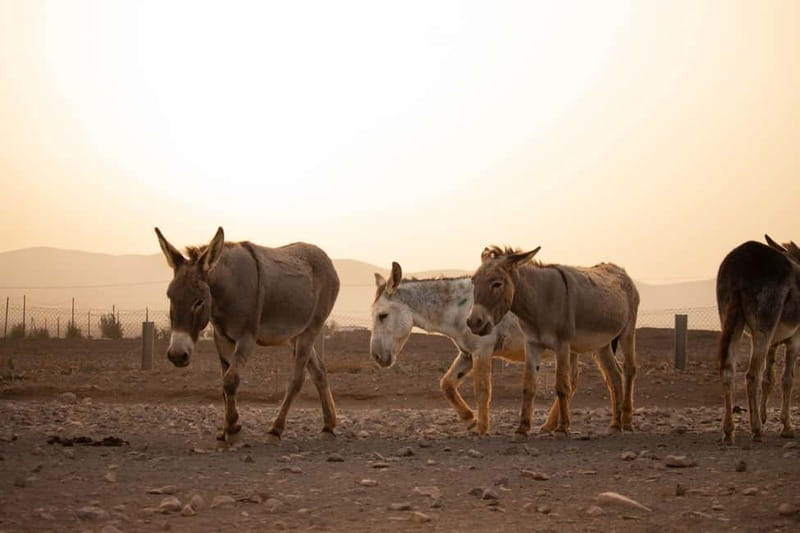
- Over 200 farm animals: you’re not just seeing a few exhibits—you’re meeting a working rescue community.
- Two-part visit: guided tour first, then free time to linger with the animals you connect with.
- Animal-led petting: affectionate moments happen only if the animals come close on their terms.
- Direct support through your ticket: your visit helps fund care for rescued farm animals.
- Family-run non-profit energy: real dedication shows up in how the animals look and act day to day.
A Farm-Animal Rescue Tour That Feels Like Caring, Not Entertainment
The Animal Academy is a family-owned, non-profit association focused on rescuing farm animals—but the main point is rehabilitation and care. These aren’t show animals in a staged environment. You’re visiting a working shelter where animals come in after abuse, abandonment, or neglect, and where the team’s job is to nurse them back to health and then build stable routines around their needs.
What makes this tour especially meaningful is that you’re not just walking past pens and guessing what each animal “might have been through.” The tour is built around individual stories, with time for your guide to explain what happened, what the animal needs, and why their behavior matters. That turns the visit from a quick animal sighting into something that sticks with you.
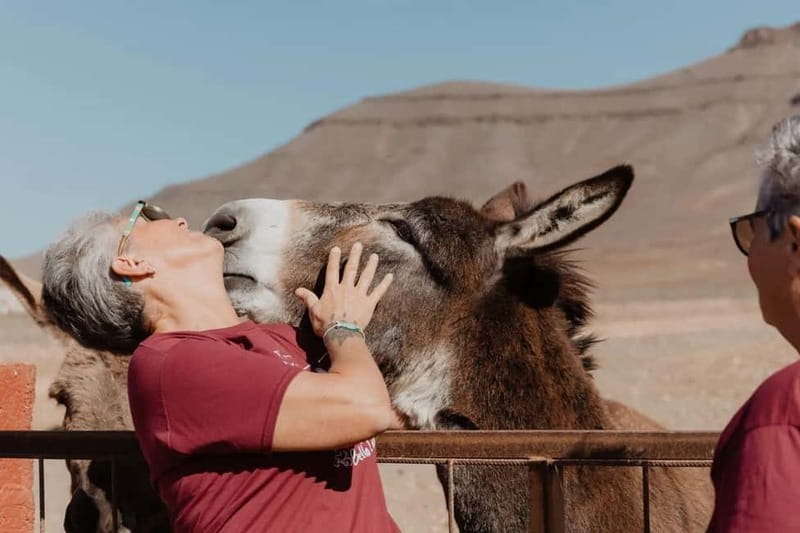
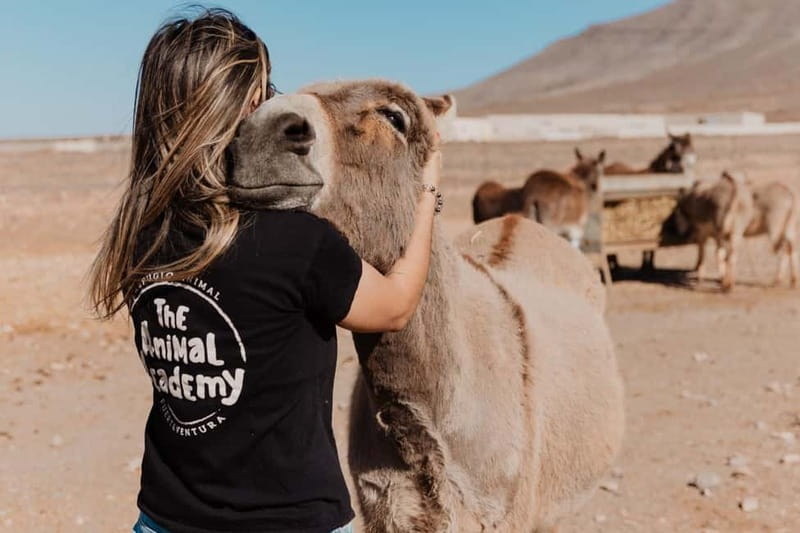
And yes, the animals can be affectionate. Multiple accounts highlight cuddly, trusting behavior—but with an important rule: interactions are never forced. If an animal wants closeness, you may get the chance to give them calm attention. If they don’t, you’ll still see that they’re comfortable enough to live safely in a place that understands farm-animal welfare.
The Timing: One Guided Hour, Then You Set the Pace
This shelter tour runs about 2 hours total, with a clear split in activities:
1) Guided tour (about 1 hour).
You’ll follow your guide as they introduce the animals and explain their backgrounds and care. This is the most information-dense part of your visit, and it’s where you’ll learn the “why” behind the daily routines.
2) Free time (after the tour).
Once the guided hour ends, you can slow down and explore at your own pace. This is where the visit becomes personal. If you felt a connection during the tour—maybe to a specific donkey, goat, or horse—you’ll have time to spend more moments nearby.
Practical note: because the whole experience is short, it helps to go in ready to pay attention during that first hour. You can’t “catch up” on information later—you’ll be using that time mostly to walk, observe, and (if the animal approaches) enjoy some gentle interaction.
What You’ll See: A Whole Mix of Farm Animals With Real Personalities
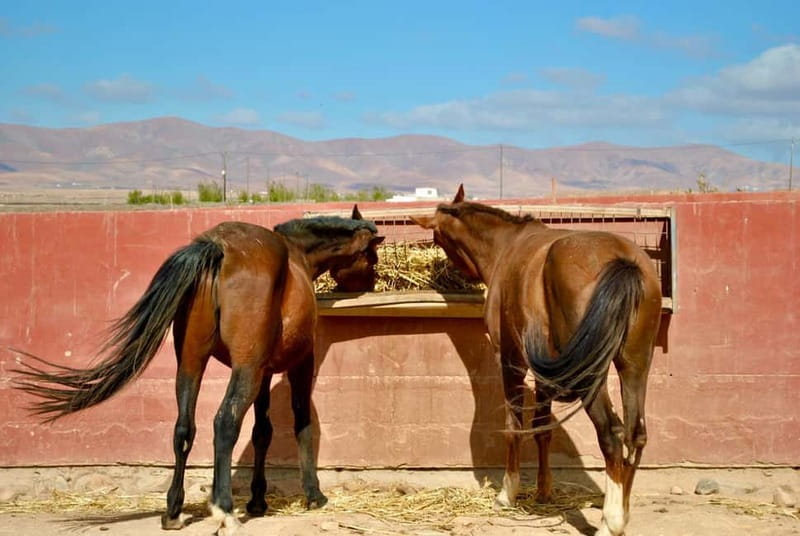
The shelter currently houses over 200 animals, including donkeys, goats, horses, sheep, pigs, and more. Expect to move through different areas where different species have their own comfort patterns—some animals may be curious, some may prefer quiet distance, and some may be most relaxed during the calmer moments later on.
From the way the tour is described, you’ll learn that farm animals aren’t “one-size-fits-all.” Guides explain what each animal is like, what they’ve been through, and how the team supports them now. That’s part of why the visit works: it teaches you to read animal behavior instead of treating every animal interaction like a simple petting moment.
A few examples show up in people’s write-ups—like mentions of specific donkeys and birds—as “standout” individuals during a visit. That’s a good sign for you: it means you’ll likely find at least a few animals that feel extra lively and trusting on your visit, not just a random sampling.
How the Tour Handles Petting (And Why That Matters)
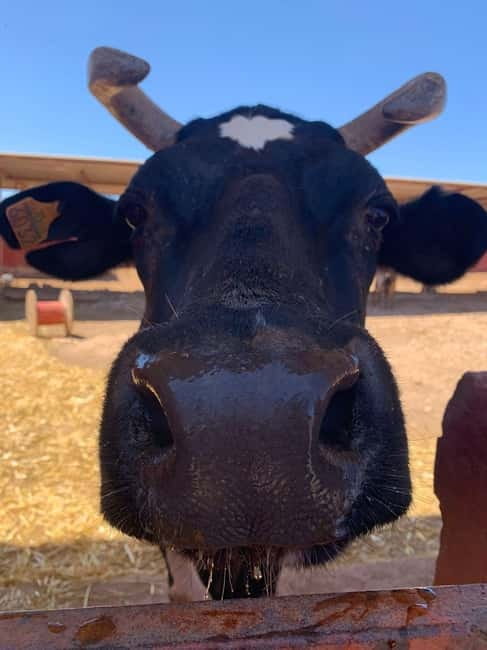
This is one of the tour’s biggest strengths, and it’s also one area where you should adjust expectations.
First: no petting zoo setup. You won’t be given food or treats. You won’t be asked to pick up or force contact. The shelter rules focus on safety and animal comfort.
Second: affection is still part of the experience. The animals are described as very affectionate, and some will love cuddles. But the key detail is choice. You can pet them only if they approach you. If they don’t, you’re still doing the right thing by watching respectfully.
Third: there’s a reason for the strict no-food policy. The data says some animals have allergies or intolerances, and feeding increases risk. So even if you’re tempted to offer a tiny snack, don’t. It’s better for their health and it helps keep the interaction calm for everyone.
Rules That Keep Everyone Safe: No Food, No Riding, and Keep Pets Out
If you want your visit to go smoothly, these “don’t” are worth remembering:
- Do not bring food or treats for the animals.
- No riding the animals.
- No pets allowed (assistance dogs allowed).
- Don’t open the entrance gate. The meeting point instructions say you should wait outside the entrance gate and not open it, since animals may be loose.
These rules aren’t about spoiling fun. They protect fragile animals that may still be healing, and they protect you from unexpected situations when farm animals shift from relaxed to alert.
Also pack for a real animal-care environment, not a polished zoo. This is an active shelter where you’re walking around a working set-up, so comfort and respectful behavior matter more than “doing activities.”
Price and Value: Why $23 Can Feel Like a Fair Trade
At $23 per person for a roughly 2-hour experience, the value comes from what your money supports and what the tour actually delivers.
Here’s how to think about it:
- You’re not paying for entertainment. You’re paying to access a place that is not open to the public and runs on care, not spectacle.
- The tour fee supports ongoing rescue efforts and daily animal needs.
- The guided part adds value because it connects you to individual stories and care needs, not just general animal facts.
If you’ve spent money at other animal attractions, you may be used to a “see, snap a photo, leave” routine. This tour works differently. You’ll leave with a clearer understanding of how rehabilitation and routine care change outcomes for farm animals.
One more value check: because it’s limited to small groups (up to 10), you get more attention from the guide and a better chance for personal, respectful interaction. That matters when the goal isn’t a checklist—it’s care and connection.
Getting There: No Pickup, Dirt Roads, and an Easy Safety Reminder
Logistics are simple, but you should plan for the reality of the site.
No transfer/pickup: you make your own way to the shelter.
Meeting point: wait outside the entrance gate and do not open it.
Access: the shelter can be reached via simple dirt roads suitable for all vehicles, but you should confirm your vehicle insurance covers off-road driving.
Why does this matter? Because if you show up without thinking about transport, you can waste time at the end of your trip—or stress about getting there safely. The experience itself is short and special, so it’s worth arriving calm and ready.
If you’re staying in the area, factor in a little extra buffer time. Even with straightforward roads, dirt tracks can slow you down more than you expect.
What to Bring for Comfort (Because You’ll Walk)
The shelter visit includes walking and outdoor time, so you’ll want the basics:
- Comfortable shoes
- Water
- Sunglasses
- Sun hat
- Sunscreen
- Comfortable clothes
In warm sun, shade can be limited depending on where the animals are most relaxed that day. Bring sun protection early, not at the last minute.
Also remember: no alcohol or drugs. And keep your hands and pockets free—because feeding is not allowed, and treats tempt people to forget the rules.
Wheelchair Access: Possible, But Expect Uneven Ground
The tour is listed as wheelchair accessible. However, the access roads are dirt roads. That means the overall experience may feel bumpy or uneven in places, even if access is possible.
If you’re bringing a wheelchair, consider how comfortable you’ll be on outdoor dirt paths. If you need extra help, it may help to arrive with a plan for who can assist in tighter spots.
Who This Tour Suits Best (And Who Might Want Another Activity)
This is a strong fit if:
- You love farm animals and want to understand their individual needs.
- You’re okay with a spoken guided experience.
- You want direct support for a non-profit rescue.
It may be a weaker fit if:
- You’re traveling with infants or very young children who may struggle with long stretches of talking.
- You don’t feel comfortable with English or Spanish, since the guided portion is very information-heavy.
- You’re looking for a hands-on, attraction-style experience. This is calmer and more rules-based, because the focus is animal welfare.
If you’re the type who likes respectful observation—watching how animals move, how they react, and how trust is built—this place is made for you.
Tips That Make Your Visit Feel Better on the Ground
A few practical moves can help your time here feel smoother:
- Arrive ready to listen. The guided hour carries most of the “why” behind the visit.
- Watch animal behavior, not just the animal. If they relax, you’re in a good rhythm. If they shift attention, slow down.
- Ask questions during the guided hour. That’s when the guide has the most structure to answer.
- Use free time for connection. Go back to the animals you felt drawn to, rather than trying to rush everything.
- Keep interactions calm and brief. Even when an animal comes close, gentle pacing helps them feel safe.
On-site, you’ll also notice that the team’s work is personal. People describe guides from the family—names like Fran and Javier show up in accounts—as taking time and answering questions. That style usually pairs best with visitors who lean into curiosity instead of rushing.
Should You Book the Animal Academy Shelter Tour?
If you want a meaningful animal visit in Spain that isn’t built like an amusement stop, I’d book this. The experience is short, the group size is small, and you get a real look at how a farm-animal rescue operates. Most importantly, you’re supporting rehabilitation and long-term care—not just “seeing animals for fun.”
Book it if you:
- enjoy guided stories,
- like quiet, respectful animal time,
- and want your spending to go toward rescue work.
Skip it if you’re searching for a purely hands-on petting setup or you know your group will struggle with a spoken tour format.
If your trip is in the area, this is the kind of tour you’ll remember for the right reasons: you leave knowing you helped, and you learned how much effort it takes to give abused or neglected farm animals a safe home.
FAQ
How long is the Animal Academy shelter tour?
The total experience is about 2 hours, with roughly 1 hour of guided tour followed by free time to explore at your own pace.
How much does the tour cost?
It costs $23 per person.
Is the shelter open to the public without a tour?
No. The shelter is not open to the public, and the only way to visit is by joining a guided tour.
How big is the group?
The group is limited to 10 participants, so it stays small.
What languages is the tour offered in?
The live tour guide speaks English and Spanish.
Can I pet the animals?
The tour is not a petting zoo. You may pet animals if they approach you, but interactions are never forced.
Can I bring food or treats for the animals?
No. You’re asked not to bring food or treats for the animals.
Can I ride the animals?
No riding is allowed.
Where do I meet the guide?
Please wait outside the entrance gate and do not open it. The shelter may have animals loose, and this helps ensure safety.
Do they offer pickup or transfers?
No. There is no transfer or pickup, so you’ll need to make your own way to the shelter.