REVIEW · MALLORCA
Palma de Mallorca : Must see Walking Tour With A Guide
Book on GetYourGuide →Operated by Guydeez Tours · Bookable on GetYourGuide
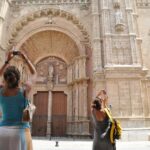
Palma tells its story on foot. In just 2 hours, you get a focused private walk with a guide who explains the why behind the stones—Old Town streets, Arab Baths, and standout architecture like La Bodeguita del Medio. I especially liked the way the tour feels personal, not cookie-cutter.
Two things I really liked: I got to see the big landmarks I actually came for, and I also walked away with practical advice for the rest of my day in Palma. One thing to consider: some stops may include ticketed interiors, and those entries can cost extra depending on what your guide chooses.
In This Review
- Key highlights worth your time
- Starting at Pg. del Born: the smooth way to get oriented
- Old Town lanes and Plaça de Cort: where Palma’s power shows
- Santa Clara Convent: slow down for the details in the middle of the walk
- Arab Baths in Palma: the stop that changes how you see the whole city
- La Bodeguita del Medio de La Lonja: Guillem Sagrera’s architecture moment
- Plaça de Santa Eulàlia and Basílica de Sant Francesc: religious landmarks with a reason
- Ca’n Joan de s’Aigo and Palau de l’Almudaina: power and daily life in one sweep
- Parc de la Mar: the sea-facing ending that makes the walk feel complete
- Guides make the difference: Frank, Jorge, Sylvie, and what that means for you
- Price and value: is $39 worth it for a private 2-hour walk?
- Who this walking tour fits best
- Should you book this private Palma walking tour?
- FAQ
- Where does the tour start and end?
- How long is the Palma walking tour?
- Is this tour private?
- What’s the price per person?
- What languages are offered?
- Does it include transportation?
- Are meals and drinks included?
- Can I get a refund if my plans change?
- What sites might we see?
Key highlights worth your time
- Private and customizable: you set the pace and can steer the route toward history, architecture, or something else
- Plaça de Cort to Parc de la Mar: you cover the center of Palma without wasting time
- Arab Baths stop: a powerful historical anchor point for understanding the city
- Guillem Sagrera connection: you’ll see why La Lonja-area buildings matter
- Guide-specific style: I like how different guides (Frank, Jorge, Sylvie) tailor the tour and share stories
- Ticket support: the team helps arrange tickets for the visit-worthy interiors you want
Starting at Pg. del Born: the smooth way to get oriented
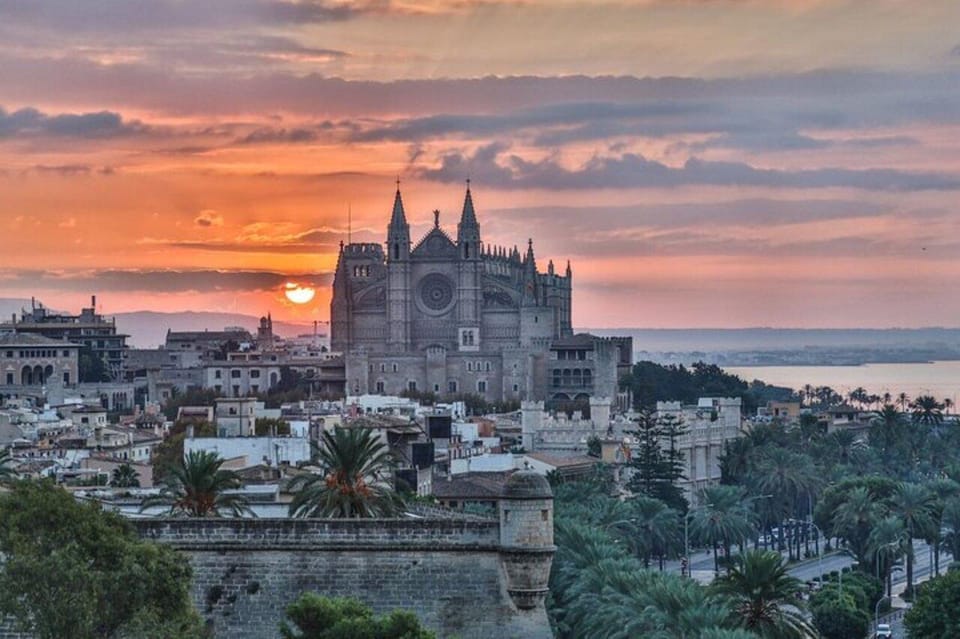
Most good city days start with getting your bearings fast, and this tour’s launch point at Pg. del Born, 4 is a smart place to begin. You’re not wandering in circles trying to figure out where everything sits. Instead, you start moving through Palma’s core while your guide sets context.
Because it’s a private tour, you’re less likely to feel rushed into photo stops. You can ask questions like what to prioritize if you only have one day, or how the Old Town layout connects to the sea. That kind of quick clarity is worth its weight in time.
You can also read our reviews of more tours and experiences in Mallorca.
Old Town lanes and Plaça de Cort: where Palma’s power shows
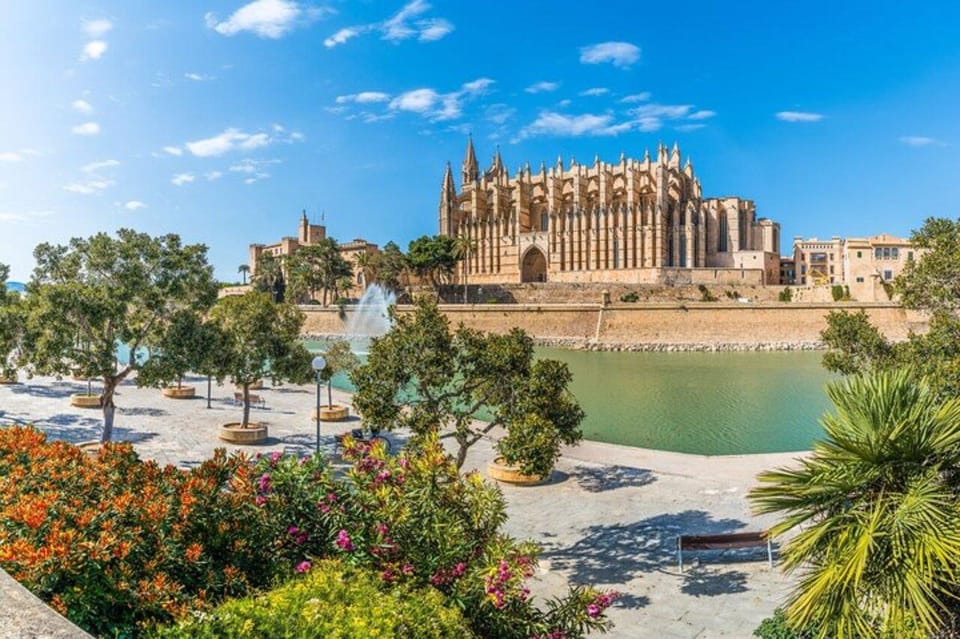
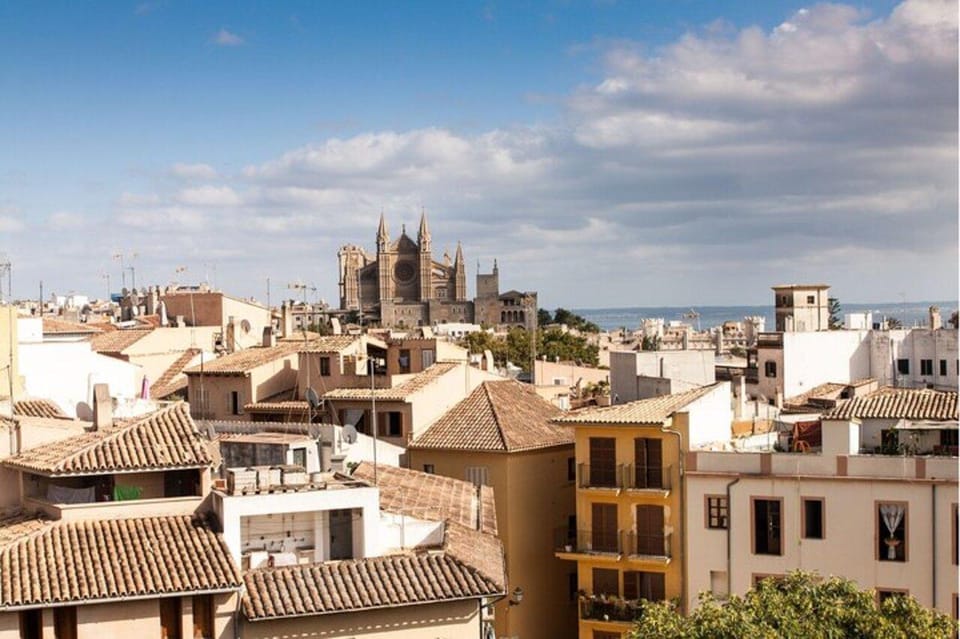
Once you’re in Palma’s Old Town, the walk becomes more than sightseeing—it becomes reading the city in the order a guide understands. You’ll pass through the kind of narrow streets and turning corners that make you realize Palma isn’t built like a grid. It’s built like a maze of history.
Plaça de Cort is a key stop because it helps explain why the center matters. It’s the sort of square that makes sense only when you understand what sat here, what ruled from here, and how the city grew around public life. Your guide’s job is to translate stone-and-street names into a simple story you can remember.
One practical plus: because the tour is scheduled and guided, you don’t waste your “best attention” on guesswork. You’ll know where you’re standing and why it matters, which makes the photos look better too.
Santa Clara Convent: slow down for the details in the middle of the walk
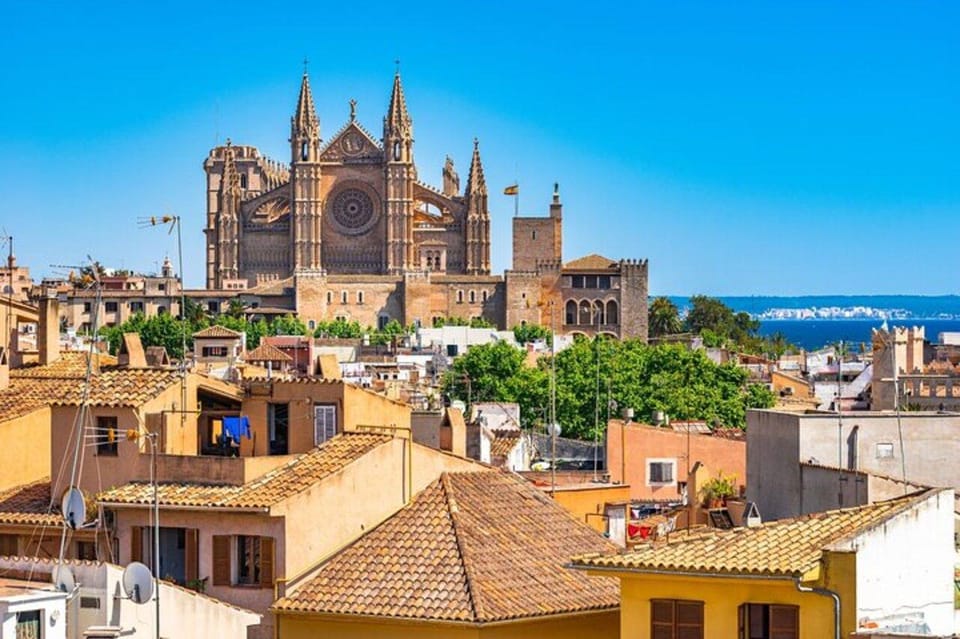
You’ll spend time at Convent de Santa Clara (often on foot as part of the route). This is one of those stops where the city noise drops a notch. Even if you’re not a big museum person, convent spaces tend to teach you how people used to move through Palma—quietly, intentionally.
I like how guides use this kind of stop as a palate cleanser between major architectural moments. You get a more human scale of history, not only grand buildings or civic spaces. It’s also a chance to slow your pace, catch your breath, and regroup for the next leg.
If you prefer tours that balance big sights with calmer moments, Santa Clara is a strong pick.
Arab Baths in Palma: the stop that changes how you see the whole city
The Arab Baths are the kind of landmark that makes the rest of your walk click. You’re not just seeing another historic site—you’re getting a tangible clue about Mallorca’s earlier chapters and cultural layers. In a short tour, this kind of anchor point is exactly what you want.
This is also the place where a guide’s storytelling matters. A strong guide helps you connect architecture and design choices to the daily life those spaces supported. It turns the visit from a quick photo stop into something you carry with you afterward.
If interiors are part of your chosen route, plan to spend a little longer here than you would on your own. The value is in understanding what you’re looking at, not just ticking the box.
La Bodeguita del Medio de La Lonja: Guillem Sagrera’s architecture moment
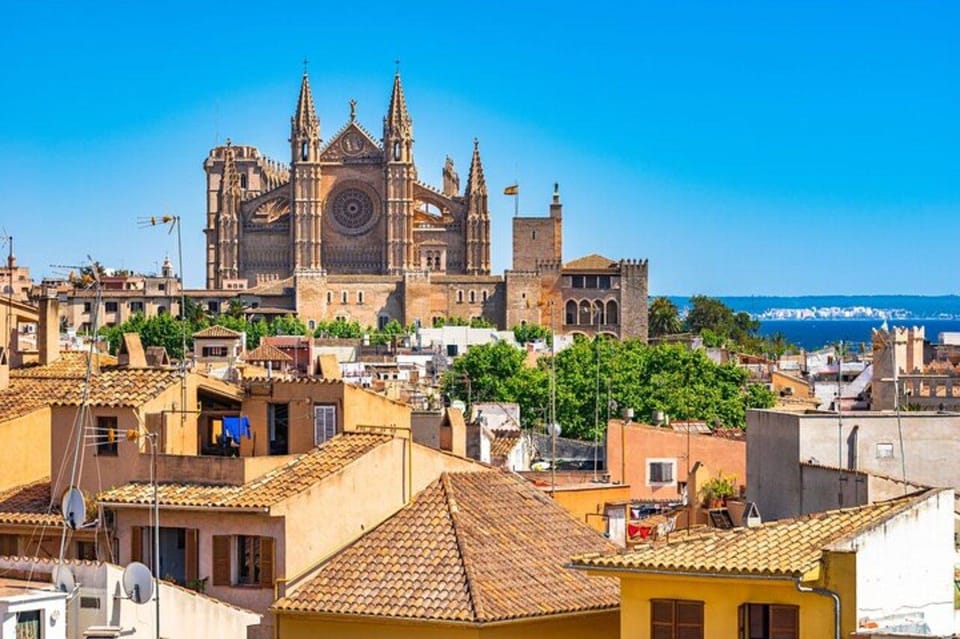
You may also see La Bodeguita del Medio de La Lonja, designed by Guillem Sagrera. Even if you’re not an architecture nerd, Sagrera’s work makes for an interesting contrast: the city’s historical identity meets a recognizably crafted, intentional design language.
I like this stop because it keeps Palma from feeling stuck in the past. It’s also a nice reminder that Old Town doesn’t mean old and frozen; it means layered, reused, and reinterpreted over time.
If you enjoy seeing how famous designers leave a mark on a city, this is a great “aha” moment in the 2-hour format.

Plaça de Santa Eulàlia and Basílica de Sant Francesc: religious landmarks with a reason
Next comes the church-and-square pairing: Plaça de Santa Eulàlia and Basílica de Sant Francesc. These stops help explain Palma’s religious and civic rhythms—how public squares and major churches shaped daily movement and community identity.
What I find useful is that a good guide doesn’t treat churches like stand-alone objects. They explain how the surrounding streets and the square’s role in the city help you read Palma’s layout. If you’re walking past these places later on your own, the guide’s explanation sticks, and your self-guided walk gets better.
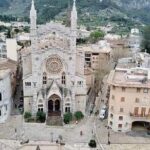
Basílica de Sant Francesc is also a good choice if you want something visually memorable without needing a long museum visit. You get atmosphere, architecture, and context, all in a short window.
Ca’n Joan de s’Aigo and Palau de l’Almudaina: power and daily life in one sweep
This part of the route can feel like the city is shifting gears. Ca’n Joan de s’Aigo adds a more personal, domestic-feeling layer—architecture that hints at who lived nearby and how wealth or influence showed up in built form.
Then you step into something more official: Palau de l’Almudaina. This is the sort of stop that helps you understand why Palma’s political and historical life mattered. Even if you don’t go deep into dates, the building’s presence communicates authority.
I especially appreciate when guides connect these points so you stop seeing Palma as separate attractions. You start seeing it as a system: where power sits, where people gather, and how the city’s story flows from one area to the next.
Parc de la Mar: the sea-facing ending that makes the walk feel complete
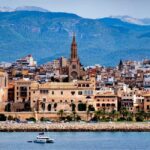
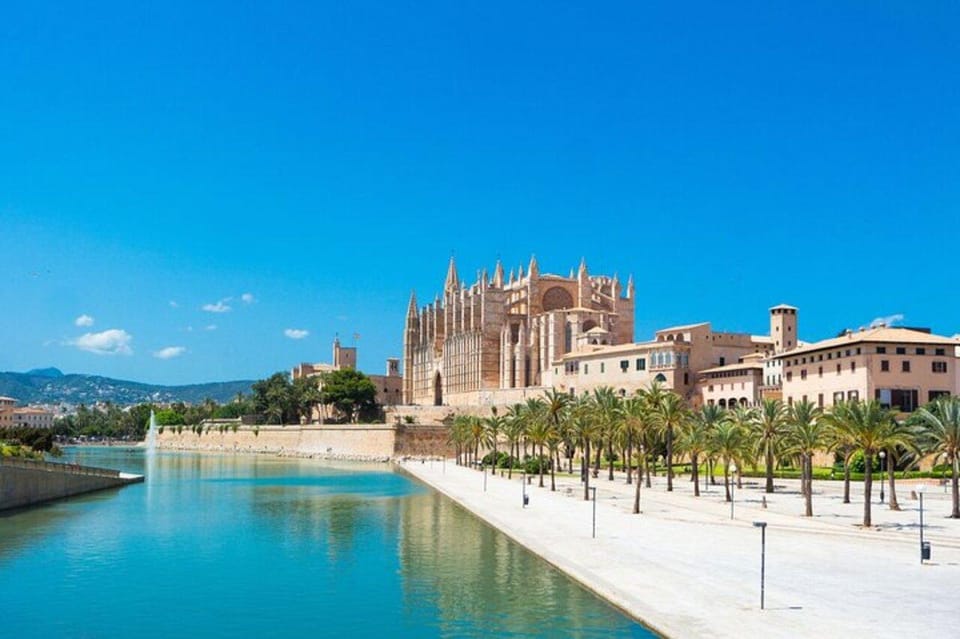
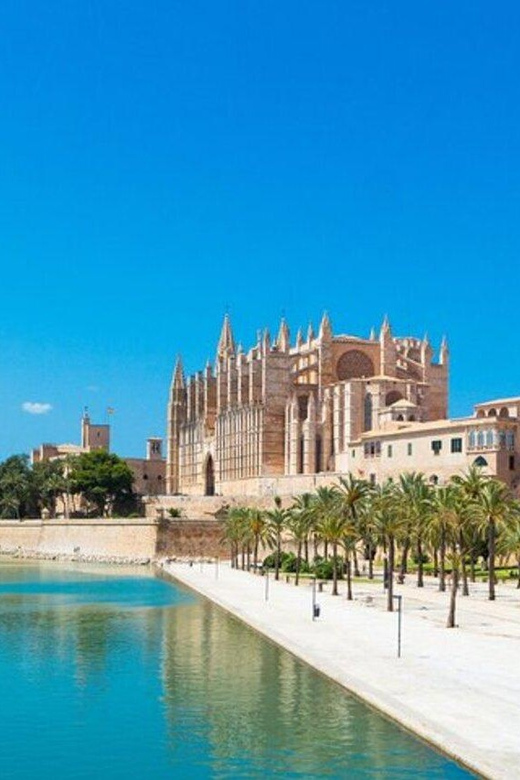
To finish, the tour often moves toward Parc de la Mar. This is a smart closing choice because it gives you a change of mood—less tight street focus, more open space and a sense of the city’s relationship to the harbor area.
In a 2-hour format, endings matter. Parc de la Mar helps you end on a lighter note rather than marching straight from one monument to the next. It’s also a convenient spot to orient yourself for whatever comes next: wandering for snacks, continuing your self-guided history walk, or heading toward the coast.
If you like finishing a walking tour with a place that feels practical for your next steps, this ending is a win.
Guides make the difference: Frank, Jorge, Sylvie, and what that means for you
The tour’s structure gives you a strong base route, but guides affect the experience in a real way. I like that because it means you’re not buying only a checklist—you’re buying interpretation.
- Frank (Germany) was praised for making Palma’s history feel like a return in time through clear knowledge and storytelling. That matters if you want history that stays understandable, not a lecture.
- Jorge tailored the tour around interests, focusing on history and architecture, and added a Roman baths stop with an extra 3.50 euros per person. If you love seeing how daily life and design connect, this kind of flexible routing is exactly what you want.
- Sylvie was described as passionate and sharing the secrets of Palma. That type of guide energy can turn “I saw it” into “I understood it.”
When you book, think about what you want the guide to do. Want strong context? Pick a guide who’s known for storytelling and explanation. Want design-focused highlights? Look for tailoring toward architecture. That’s the biggest lever you control.
Price and value: is $39 worth it for a private 2-hour walk?
At $39 per person for a 2-hour private tour, the value comes from three places: time saved, interpretation, and customization. You’re paying for a guide to connect landmarks so you don’t spend your limited vacation hours googling names and then forgetting them five minutes later.
It’s also private in the real sense: no one else in your group. That matters because you can ask direct questions, adjust pacing, and get advice that fits your style—especially helpful in a compact Old Town where wrong turns happen fast.
One more value factor: the tour includes walking and public transport, unless you choose one of the alternate options. That helps you cover more ground without feeling like you’re constantly sprinting between far-apart sights.
Potential cost watch: ticketed interiors may add fees. The tour includes help booking tickets for desired visits, and a Roman baths example came with an extra fee. So treat $39 as the guide-and-route price, then budget a little extra if you want the interiors.
If you want a high-impact overview with tailored guidance, this price is fairly aligned with what you’re getting.
Who this walking tour fits best
This tour is ideal if you:
- Want the main Palma highlights without doing the planning heavy lifting
- Enjoy architecture and history explained in plain language
- Prefer a private pace where you can stop for questions and photos
- Need a smart way to move through Old Town in limited time
It’s less ideal if you want a long, slow, free-form wandering day. Two hours is perfect for a focused first taste, but it’s not designed to replace a full-day self-guided exploration.
Should you book this private Palma walking tour?
If you want a time-efficient, private walk that connects Old Town landmarks into a clear story, I’d book it. The mix of Plaça de Cort, Santa Clara, Arab Baths, and the La Lonja/Sagrera architecture stop makes the route feel purposeful rather than random.
Before you go, think about one practical question: do you want interior visits? If yes, plan on possible extra ticket costs and let your guide help book what you care about. If you’re happy with exterior-focused walking and photos, you can keep it simple and still come away with strong context.
In short: book it if you want Palma explained well and you like your sightseeing organized by meaning, not just by distance.
FAQ
Where does the tour start and end?
The tour starts at Pg. del Born, 4 and returns to the same place.
How long is the Palma walking tour?
It lasts 2 hours.
Is this tour private?
Yes. It’s private and exclusive, with no one else in your group.
What’s the price per person?
The price is $39 per person.
What languages are offered?
The live guide is available in English, French, Italian, German, and Spanish.
Does it include transportation?
It includes a walking tour and public transport, except if you select one of the option types.
Are meals and drinks included?
No. Drink or food is not included.
Can I get a refund if my plans change?
Yes. It offers free cancellation up to 24 hours in advance for a full refund.
What sites might we see?
You might visit Palma Old Town, Plaça de Cort, Convent de Santa Clara, Arab Baths, La Bodeguita del Medio de La Lonja (Guillem Sagrera), plus others depending on the route, such as Plaça de Santa Eulàlia, Basílica de Sant Francesc, Ca’n Joan de s’Aigo, Palau de l’Almudaina, and Parc de la Mar. Ticketed interiors may require separate tickets, though the team can help you book them.