REVIEW · TENERIFE
PADI Open Water Diver Course
Book on Viator →Operated by Dive Centre Ocean Trek Tenerife · Bookable on Viator
Getting your scuba license shouldn’t feel scary. This 3-day PADI Open Water course in Tenerife focuses on clear instruction and lots of hands-on skill practice. It’s set up for English speakers, with hotel pickup available by request, and it’s run by an experienced team including Juan and Gerhard.
What I especially like is the training style: you work with instructors who calmly take you step-by-step, and you get practical repetition rather than a rushed checklist. I also like that the setup includes full equipment, a logbook, course materials, and even bottled water, so you’re not piecing together logistics.
One thing to consider: this is real scuba training with a moderate physical requirement. If you’re prone to ear trouble or you hate feeling pressure changes, you’ll want to be ready to practice slow, early pressure equalization and follow instructor guidance closely.
In This Review
- Quick Hits Before You Book
- Tenerife Is a Smart Place for Your Open Water Course
- Your 3-Day Rhythm: Two Underwater Sessions Daily
- Ocean Trek Setup: Pickup, Gear, and a Real Small-Group Vibe
- From Theory to Skills: How the Course Actually Feels Day to Day
- Instructor Matters: Juan, Gerhard, Manuel, and the Team Dynamic
- Buoyancy and Ear Care: Two Skills You’ll Be Glad They Taught
- Where You Go Underwater: Variety Without the Confusion
- Marine Life Highlights: What You Can Expect to See
- Price and Value: $792.16 for What You Actually Get
- Practical Fit: Who This Course Is Best For
- Should You Book Ocean Trek for Your Open Water Course?
- FAQ
- How long is the PADI Open Water course in Tenerife?
- Is instruction offered in English?
- Does the package include equipment and course materials?
- Is hotel pickup available?
- What’s not included in the price?
- What are the age and health requirements?
Quick Hits Before You Book
- Small-group feel: private tour structure, and multiple students note very limited group sizes.
- Two underwater sessions a day: you’ll get frequent practice instead of just one long day.
- Instructor support is front-and-center: names like Juan, Gerhard, Manuel, and others show up repeatedly.
- Volcanic Tenerife underwater variety: fish plus the island’s volcanic underwater world.
- All gear included: equipment, course literature, and logbook come in the package.
- Pickup available by request: helpful if you don’t want to fuss with transport.
Tenerife Is a Smart Place for Your Open Water Course
Tenerife has a “learn fast” advantage. The island’s underwater world is shaped by volcanic terrain, which means you can get variety without needing complicated travel plans. In practice, that makes your training more interesting because you’re not staring at the same scenery for every skill session.
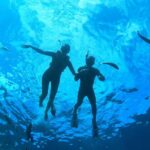
You’ll also be in an area known for marine life you can spot around the island’s underwater spots—students mention fish, and highlights like sea turtles and stingrays (not guaranteed, but very much in the realm of what you might see). Even when you’re focused on technique, the surroundings help keep motivation high.
You can also read our reviews of more tours and experiences in Tenerife.
Your 3-Day Rhythm: Two Underwater Sessions Daily
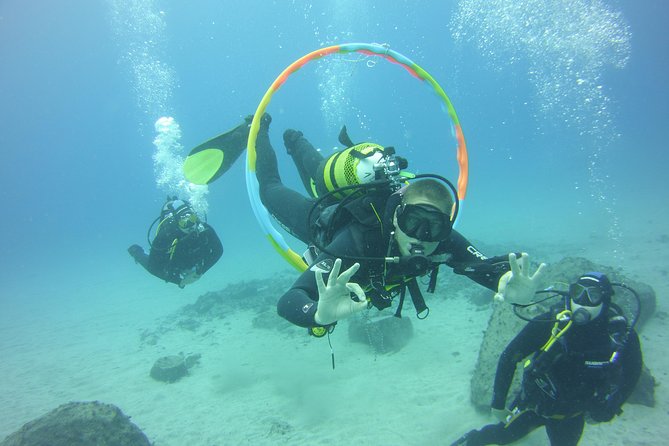
The course runs about 3 days, and the structure is built around repetition. Expect to get in the water twice a day, with classroom/theory time mixed in with practical work.
Here’s the practical timing piece to plan around: if your schedule includes a morning session, you may not be back at the hotel until around early-to-mid afternoon. That’s not a complaint—it’s just how training days run when you factor in gear setup, instruction, and debrief.
Also note you’ll be returning to the meeting point at the end of the activity. If you’re counting on a tight dinner reservation, I’d keep that evening flexible and let the course finish naturally.
Ocean Trek Setup: Pickup, Gear, and a Real Small-Group Vibe
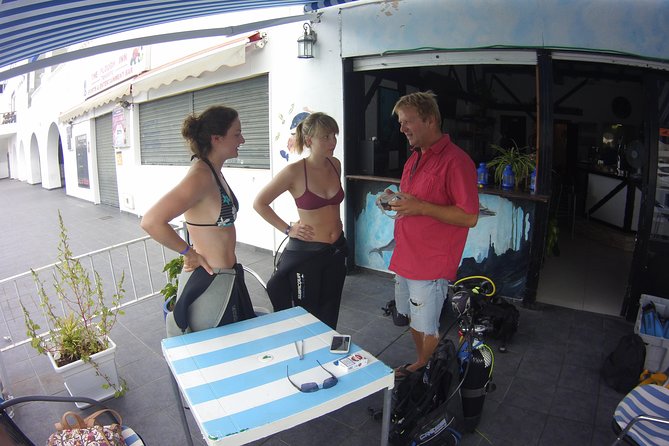
Ocean Trek is set up so you’re not just a number. The experience is described as small-group instruction, and multiple students talk about limited group sizes—one student even notes a max of around 4 people underwater. That matters because Open Water training is about comfort: you learn faster when you can actually ask questions and get corrected before bad habits stick.
The package also includes the full gear you’ll need. That’s one less stress point for you. You don’t have to bring a mask from home or hunt for a basic wetsuit rental on short notice.
Pickup is another big quality-of-life factor. The inclusion notes pickup/drop-off within up to 20 km of the dive center, while the pickup details list a max distance of 10 km. Either way, it’s clearly meant to reduce hassle. If you’re staying farther out, ask early and confirm what your exact hotel location qualifies for.
From Theory to Skills: How the Course Actually Feels Day to Day
The course combines theory with practical training in small groups. The goal is to teach you the basics of scuba with enough structure that you understand what you’re doing—not just copying motions.
Some students also describe doing the theory portion ahead of time with PADI eLearning on a phone or tablet. If that’s part of your plan, build in a realistic study block. One student estimated about 8–12 hours total for theory prep, with a manageable approach of shorter daily sessions.
In the water, the training happens in relatively shallow water first, with skills broken into teachable chunks. You’re not expected to perform under pressure. You practice, get feedback, practice again, and gradually build confidence.
And yes, you’ll see marine life during your sessions. One student described the training as calm and progressive—learning buoyancy, control, and comfort while still getting a chance to spot sea life along the way.
Instructor Matters: Juan, Gerhard, Manuel, and the Team Dynamic
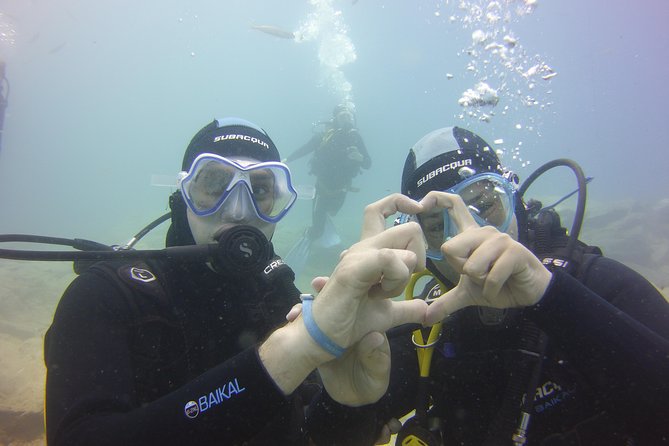
You can tell a training operation by how it handles nerves. Several students highlight instructors who are patient and precise, especially Juan and Gerhard (Gerhard is described as the owner/boss in responses). People also mention Manuel as a key instructor for skill work.
One theme that repeats: instruction follows an easy pattern—explaining, demonstrating, and then practicing. That’s what you want for a first certification. It reduces guesswork and helps you build correct muscle memory.
You may also see team members like Gema, Ryan, Maria, Sean, Nelly, and Pauli mentioned across different experiences. Even without memorizing every name, the takeaway is that the staff is organized and supportive, not chaotic.

Buoyancy and Ear Care: Two Skills You’ll Be Glad They Taught
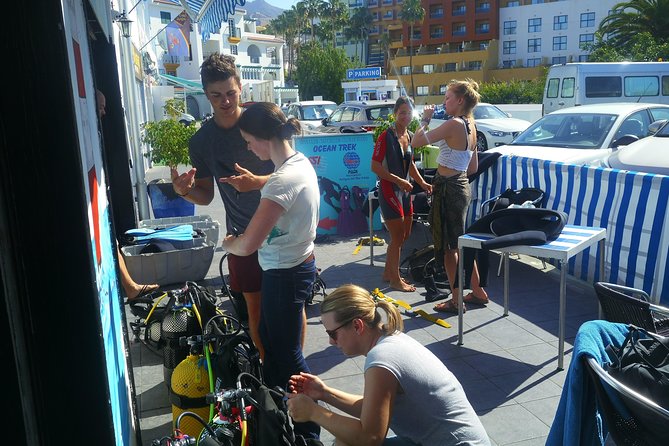
Open Water works because of small details. Two practical ones show up clearly in student tips and outcomes: buoyancy and pressure equalization.
Students praise buoyancy specifically—one wrote that buoyancy was just great and even noted that many divers need more time for it. That tells me the school pays attention to body position and control, not just getting you through the checklist.
Ear pressure care is another key. One student gave very specific guidance: equalize as soon as you feel pressure, and keep it slow. If you try to force it hard, it can be painful later in the training period. They also recommended not overworking calf muscles, since cramps can ruin focus. It’s a small thing, but it’s exactly the kind of advice that makes your first certification smoother.
Where You Go Underwater: Variety Without the Confusion
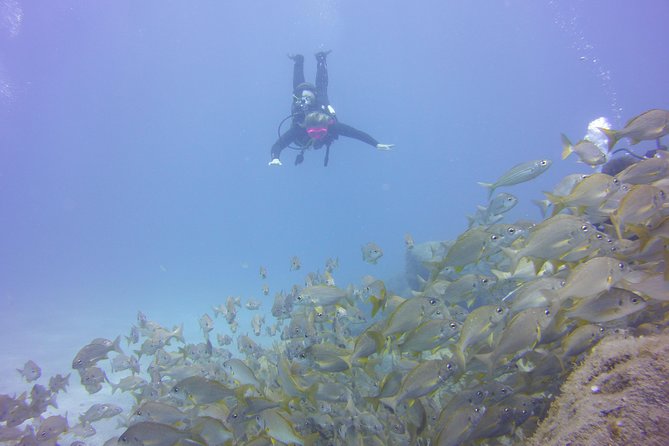
The course uses different underwater spots rather than repeating the same location every time. One student described going to three different spots across the training, which helps prevent the course from feeling repetitive.
Another student described 4 total practical sessions (the classic Open Water structure), with the first being more of a trial and the later ones focusing on required skills in shallow water. The exact course flow can vary based on your group and conditions, but the design goal is consistent: enough variation to keep things engaging, plus enough practice time to build competence.
You’ll also likely spend time watching and learning in a team environment—one student even mentioned a colleague who took photos. That can be useful for motivation, since you can compare how you moved from early practice to later sessions.
Marine Life Highlights: What You Can Expect to See
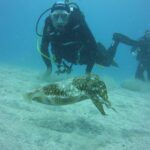
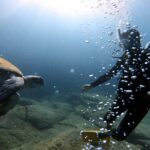
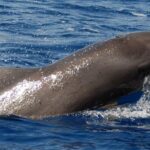
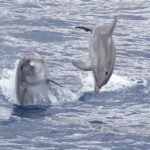
This isn’t a zoo-style wildlife tour, but Tenerife can deliver real “I can’t believe I’m here” moments while you’re training. Students specifically mention sea turtles and rays as highlights. Others list marine life like octopus and sepia, plus fish such as barracudas and stingrays.
A helpful way to think about this: your primary job in the Open Water course is skill and safety. But the volcanic underwater environment and marine life around Tenerife make it easier to stay relaxed and curious. When you’re relaxed, you usually control buoyancy better—and then everyone wins.
Price and Value: $792.16 for What You Actually Get
At $792.16 per person for an about 3-day course, the price makes sense because several high-friction costs are bundled.
Included in the package:
- Pickup and drop-off in the local area (noted up to 20 km in one place, and max 10 km in another—confirm for your exact hotel)
- Full diving equipment (so you’re not buying/renting basics elsewhere)
- Course literature and a logbook
- PADI-license fees
- Bottled water
- The course itself, with theoretical and practical training in small groups
Not included:
- Lunch
So where’s the value? You’re paying for structured instruction, certification fees, and gear access. If you’ve ever tried to piece together a course yourself—studying, booking gear, coordinating transport—this package is the easier path. And because you’re in the water more than once per day, your learning time is used efficiently.
The one true “extra” to plan for is food. If you skip lunch, you’re just making your day harder. Bring snacks you like, or plan a simple lunch option nearby depending on the schedule.
Practical Fit: Who This Course Is Best For
This course is designed for people with reasonable health and moderate physical fitness. Minimum age is 10 years, so it can work for mature teens or adults ready to follow instructions and practice safely.
It also says service animals are allowed, and the location is near public transportation. If you’re traveling without a car, that’s a nice safety net.
The main “fit” question is your comfort level with the physical parts of scuba: buoyancy control, equipment handling, and ear equalization. If you’re anxious about pressure changes, bring that up on day one and be ready to practice calmly. The school’s teaching style—calm correction, step-by-step learning—sounds like it’s built for exactly that situation.
Should You Book Ocean Trek for Your Open Water Course?
If you want a course that feels organized, small-group, and instructor-led—this is a strong bet. The repeated emphasis on calm instruction, practical skill focus, and quality staffing (Juan and Gerhard in particular) makes it a good option when you’re serious about learning, not just getting a card.
I’d book if:
- You want two underwater sessions per day for faster progress
- You prefer small groups and clear feedback
- You’d rather have gear and course fees handled in one package
I’d think twice if:
- You need a very predictable midday return time after morning sessions
- You’re dealing with ongoing ear issues and aren’t confident you can equalize comfortably
Bottom line: for Tenerife, this is a straightforward way to turn curiosity into real certification—while still giving you chances to see sea life along the way.
FAQ
How long is the PADI Open Water course in Tenerife?
The course lasts about 3 days.
Is instruction offered in English?
Yes, the course is offered in English.
Does the package include equipment and course materials?
Yes. It includes use of full diving equipment, course literature, and a logbook, plus bottled water.
Is hotel pickup available?
Pickup is offered by request. The included notes mention pickup/drop-off in the area up to a max of 20 km, and the pickup details list a max distance of 10 km from the dive center.
What’s not included in the price?
Lunch is not included.
What are the age and health requirements?
Minimum age is 10 years, and you need a reasonable state of health for scuba diving with moderate physical fitness.