REVIEW · SICILY
Naturalistic excursion to Ustica
Book on Viator →Operated by Escursioni Ciprea Ustica · Bookable on Viator
If you want quiet, real nature on Ustica, this fits. You’ll stroll the woodland paths of the Oriented Nature Reserve, learn how to read the island’s flora and fauna, and finish with a guided sunset moment focused on how to see the green ray. I especially like the way the guide (VITTORIO) uses humor and mini-quizzes to turn plants into something you can actually notice, and I like the small dose of hands-on fun, including the hug the trees moment. One drawback to think about: this is timed for sunset and it runs outdoors, so good weather matters.
You’re also getting good structure for the price: the route is planned along a cobbled mule track, then you head back by bus to the same start point. Expect walking around 1.8 km on mostly level ground, with time built in for stops, stories, and questions.
In This Review
- Key things I’d circle before you go
- Where Ustica’s nature reserve shines on a timed walk
- Meeting at Via Dottore Mario Randaccio and how the timing works
- The 1.8 km mule-track loop: what your feet will actually do
- Tuff quarry and the island’s built-in geology
- Plant “communication” and the tree-hugging moment
- Figuring out what’s native and what’s invasive on Ustica
- The sunset path and how you’ll try for the green ray
- Price and value: $17.35 for two hours that actually teach you
- Who should book this naturalistic excursion
- What to bring (and what to skip)
- Should you book this Ustica nature walk ending at sunset?
- FAQ
- What time does the excursion start?
- How long is the Naturalistic excursion to Ustica?
- Is pickup available, and do I need a mobile ticket?
- What is included in the price, and what is not?
- Is the tour affected by weather?
- Can I bring a service animal?
Key things I’d circle before you go
- Sunset-based green ray lesson: you’ll be taught the conditions and the method for spotting it
- Tree-hugging moment: yes, it’s part of the experience, and it’s oddly effective
- Native vs invasive plant focus: you’ll learn what belongs to Ustica and what was brought in
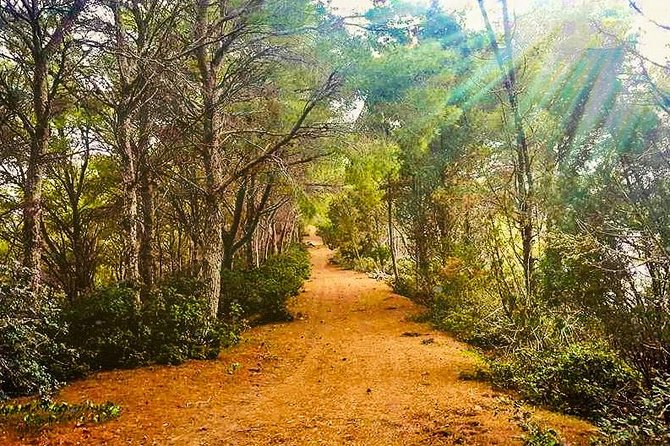
- Cobbled mule track + forest paths: steady walking, not a rough climb, about 1.8 km there and back
- Tuff quarry stop: a quick look at geology tied to how Ustica’s houses were built
Where Ustica’s nature reserve shines on a timed walk
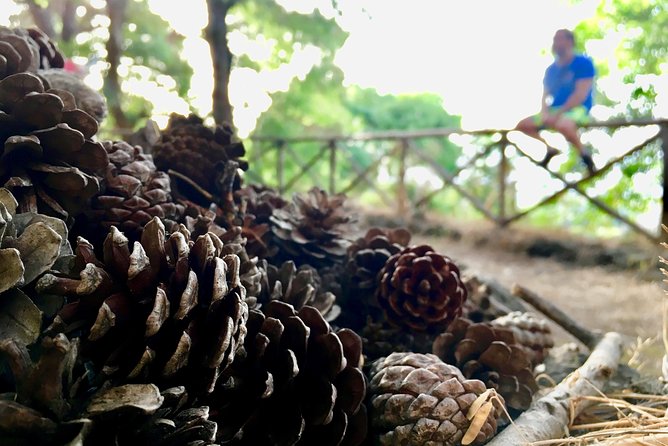
Ustica is small, but it feels wild. This nature excursion takes you off the busy bits and into the two central hills of the island—inside the Oriented Nature Reserve—where you can sense the island’s own rhythm. The vibe is simple and outdoorsy: short transfers, walking paths, and lots of focused stopping to look closely.
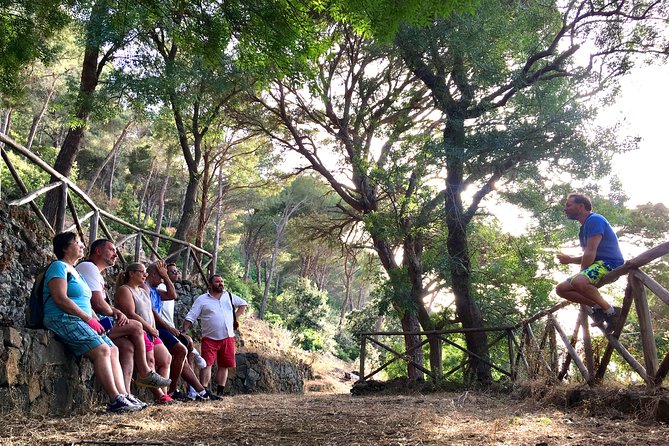
What makes this experience more than a casual stroll is the teaching style. The guide doesn’t just recite names. He ties plant life to how you should pay attention, and he uses mini-quizzes so you’re not just listening—you’re looking. That matters, because the fun part of a nature walk is building your “spotter brain.” You’ll leave with the ability to notice things without needing a guide next time.
Also, the timing is smart. Starting in the late afternoon (5:30 pm) means you finish when light gets interesting—right when the tour aims for the sunset green ray lesson.
You can also read our reviews of more tours and experiences in Sicily.

Meeting at Via Dottore Mario Randaccio and how the timing works
You meet at Via Dottore Mario Randaccio, 11, 90051 Ustica PA, with a start time of 5:30 pm. The tour returns you back to the meeting point at the end, so you’re not guessing about logistics afterward.
Pickup is offered, and a mobile ticket is used. That’s a small detail, but on a compact island it helps you keep things easy: less hunting around, less back-and-forth, and fewer moving pieces when you’re trying to enjoy your evening.
One practical note: because the route ends at sunset, it’s not the kind of plan where you can be late and still get the full experience. You want to be there ready to walk, listen, and stop when the guide calls it.
The 1.8 km mule-track loop: what your feet will actually do
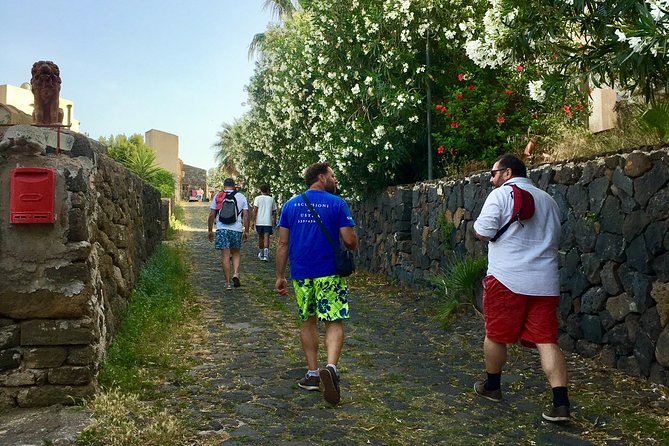
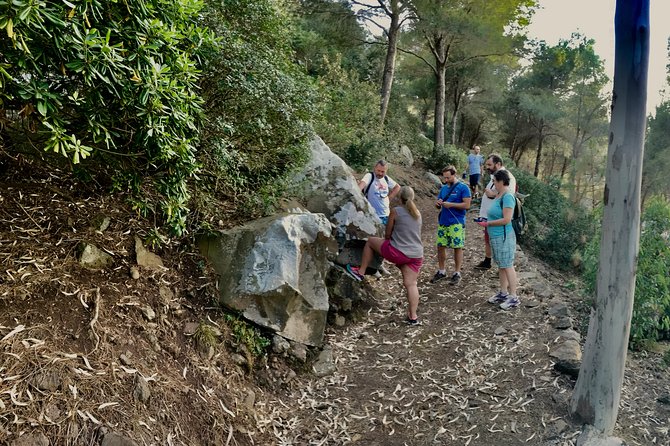
The route winds through the reserve along a cobbled mule track. On the way out and back, you cover about 1.8 km total, and most of it is on the plain. In plain terms: this is not an all-day hike or a steep climb. It’s an evening nature walk with enough structure to keep you engaged.
Because the surface is cobbled and outdoors, I’d treat footwear seriously. You’ll be stepping on uneven ground, so comfortable shoes beat sandals. If you’re someone who gets sore quickly, pace yourself on the first stretch. You’ll feel better when the guide shifts from walking to stopping and explaining.
The “why” behind this route is worth noting. The reserve paths let you move through different pockets of plant life without needing a big altitude gain. That means you can learn how species and habitats show up in real, close range rather than seeing only a far-away view.
Tuff quarry and the island’s built-in geology
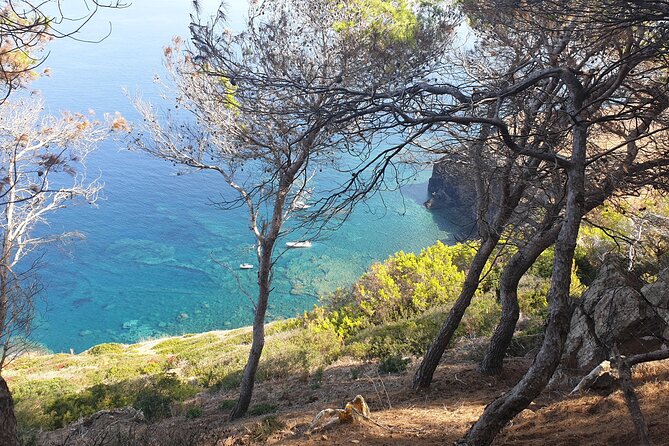
Along the way, you’ll come across a tuff quarry that was used to build houses in Ustica. This is one of those stops that makes a nature walk feel grounded in real island life. You’re not only learning about living things; you’re seeing the material story of the place.
Tuff is lightweight volcanic rock, and it’s common in Mediterranean building history. Here, it becomes a quiet lesson: the same island forces that shaped the ground also shaped how people built shelters. You’ll likely never look at a stone wall the same way again.
The tour doesn’t linger too long here, so don’t expect a full geology lecture. Think of it as a short, high-impact stop—enough context to connect nature to everyday life.
Plant “communication” and the tree-hugging moment
This excursion is built around a simple idea: plants aren’t just scenery. They’re living systems you can learn to respect and notice.
One of the standout moments is the experiential tree-hugging portion. It’s not about theatrics. It’s about slowing down and paying attention in a way that turns a forest from background to something personal. Even if you’re a little skeptical before you start, it tends to change the feel of the walk fast—because you stop treating the trees like objects and start treating them like neighbors.
The guide also explains how plants and humans can share a kind of relationship in terms of rhythms and vibrations. I’d keep an open mind here. You don’t need to be a science person to enjoy it. The real value is that it pushes you to observe more carefully afterward—leaf shape, growth patterns, and how certain areas feel different.
You’ll also get anecdotes and playful mini-quizzes, which are surprisingly useful. They turn attention into a habit, and you’ll find yourself scanning the path ahead instead of just watching where you step.



Figuring out what’s native and what’s invasive on Ustica
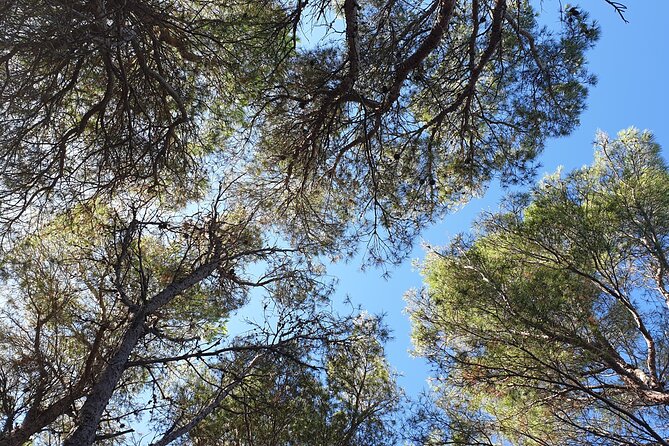
Ustica has its own plant identity. A big part of the teaching is distinguishing the plants that are originating on the island from those that are invasive—species that arrived elsewhere and now compete for space.
This is one of the most practical takeaways you can get on an island walk. Once you learn what to look for, you start understanding why some areas feel more “dominated” than others. You’ll also realize that invasives aren’t just a topic for experts. They change the look and health of what you’re seeing.
VITTORIO’s style matters here. The reviews point to a guide who tells these plant stories with passion and ironia—meaning lively humor without turning it into a joke. The result: you remember details, because you’re not falling asleep through facts.
If you care about conservation or you just like learning how ecosystems work, this section is a strong reason to book. It turns a casual walk into a lesson you can use right away.
The sunset path and how you’ll try for the green ray
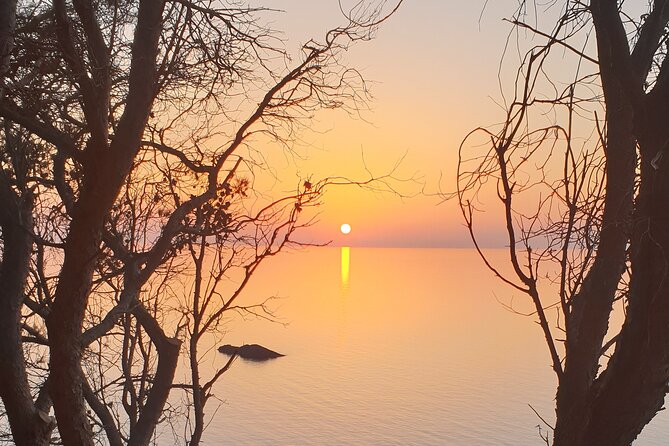
The tour ends with the sunset. And it ends on purpose—on the route called the path of the sunset. This is where the experience becomes its own kind of show: not a staged performance, but a guided attempt to catch a real atmospheric optical effect.
The guide will reveal how to see the green ray. The exact method can vary with conditions, but the key takeaway is that you’ll get the guidance needed to look at the right moment and not treat the phenomenon like pure luck. You’ll also get help with what to watch as the sun drops.
A reality check: nature doesn’t always cooperate. If the sky isn’t clear, or the horizon is blocked by haze, your chances drop. That’s why the operator notes that the experience requires good weather. Even when it’s visible, it’s subtle and quick, so you’ll want to stay calm, keep your eyes on the horizon, and follow instructions.
Price and value: $17.35 for two hours that actually teach you
At $17.35 per person for about 2 hours, this is good value if you care about more than just walking. The tour includes all fees and taxes, and you’re not paying extra for the guide’s time or the activity content.
What you’re really buying is a focused evening with:
- a planned route in the reserve (including a geology stop),
- an interactive guide approach (tree-hugging, quizzes),
- and a sunset experience aimed at the green ray.
Two hours is also a sweet spot on Ustica. You can fit it into an evening without losing the rest of your time to a long excursion. And since you return by bus to the meeting point, the logistics stay simple.
Small note: soda/pop isn’t included, so don’t expect a drink to appear at the end. If you want something to sip while you wait for sunset, plan on grabbing it outside the tour.
Who should book this naturalistic excursion
This tour is a great fit if you:
- enjoy nature walks with real interpretation (not just “look at that tree”),
- like learning about how islands stay unique,
- and want an evening activity that ends with a memorable visual goal.
It’s also a solid choice for couples and solo travelers because the experience is structured but not overly formal. With a maximum of 150 travelers, it should feel like a group activity with space for stopping and listening, though obviously it’s still a group.
It’s best if you can handle outdoor walking on cobbled paths and you don’t mind that part of the experience is a little playful, like the tree moment and quiz format.
If you’re very sensitive to unpredictable lighting (sunset chasing) or you get grumpy in the rain, you may want to be selective with evenings. The good-weather requirement is real.
What to bring (and what to skip)
The tour data doesn’t list a formal packing list, so I’ll keep this practical and general.
Bring:
- comfortable walking shoes for cobbled, outdoor paths
- a light layer, since late afternoon can cool down as you wait for sunset
- your patience for brief pauses while the guide teaches
Skip expectations:
- don’t count on soda/pop being provided
- don’t expect a guarantee of the green ray—conditions matter, and the operator builds the activity around weather reality
If you’re traveling with a service animal, that’s allowed on this experience. Also, it states that most travelers can participate, so if you’re moderately mobile, you’re likely fine.
Should you book this Ustica nature walk ending at sunset?
I’d book it if you want a guided evening that turns Ustica’s reserve into something you can understand, not just see. For the price, you get a compact route, interactive teaching, and a sunset goal that feels different from the usual sightseeing checkbox.
You should think twice if:
- you hate walking on uneven cobbles,
- you’re scheduling your sunset tightly and can’t tolerate weather-related changes,
- or you’re not interested in learning about flora and invasive species.
But if you’re the kind of person who looks closer when the light changes and enjoys a guide who makes plants fun, this is an easy yes.
FAQ
What time does the excursion start?
It starts at 5:30 pm.
How long is the Naturalistic excursion to Ustica?
It lasts about 2 hours.
Is pickup available, and do I need a mobile ticket?
Pickup is offered, and you’ll use a mobile ticket.
What is included in the price, and what is not?
All fees and taxes are included. Soda/pop is not included.
Is the tour affected by weather?
Yes. The experience requires good weather. If it’s canceled due to poor weather, you’ll be offered a different date or a full refund.
Can I bring a service animal?
Yes, service animals are allowed.