REVIEW · MYKONOS
Mykonos Walking Tour
Book on GetYourGuide →Operated by Mykonos Excursions · Bookable on GetYourGuide
Mykonos Town is a maze you can conquer. This guided stroll turns the island’s hype into an easy route, with Manto Square, the windmills, and classic Chora photo corners all explained in plain English. I especially love the way the guide links famous landmarks to real local stories, and I also like that you’re shown how to move through the narrow streets without losing your bearings.
One heads-up: this is real walking on tight, uneven Old Town lanes, and it’s not suitable for wheelchair users.
In This Review
- Key Takeaways Before You Go
- Getting Oriented in Mykonos Town, Fast
- Pickup and Transfers: The Real Value of a $41 Tour
- Manto Square and Manto Mavrogenous: More Than a Monument
- Matogianni District: Window Shopping Meets Old Mykonos
- Optional Gioras Bakery: A Small Pause That Helps You Enjoy the Walk
- The Five Windmills: Iconic Views With Photo-Stop Time
- Scarpa Area and Little Venice: Where the Town Touches the Water
- Panagia Paraportiani: The Church You Actually Learn to Look At
- Agios Nikolaos Finish: A Familiar Church to Close the Loop
- What the Guides Bring (and Why Names You’ve Seen Matter)
- Who This Tour Suits Best
- Price and Logistics: A Straight Talk Take on Value
- Should You Book This Mykonos Walking Tour?
- FAQ
- How long is the Mykonos walking tour?
- Is pickup from the port or hotel included?
- Does the tour include the bakery stop?
- What languages are available for the guide?
- Is this tour wheelchair accessible?
- Are there any extra fees for remote pickups?
Key Takeaways Before You Go
- Hotel or cruise-port pickup saves time when you only have a short window on the island
- Manto Square and Manto Mavrogenous add meaning beyond the usual photo stops
- Matogianni lanes mix stylish storefronts with older Mykonos details you’d miss alone
- Windmills plus Little Venice give you two iconic views with just the right time to photograph
- Panagia Paraportiani is treated as more than a postcard, with help noticing what matters
- Gioras bakery stop is optional, but a smart way to refresh mid-walk
Getting Oriented in Mykonos Town, Fast

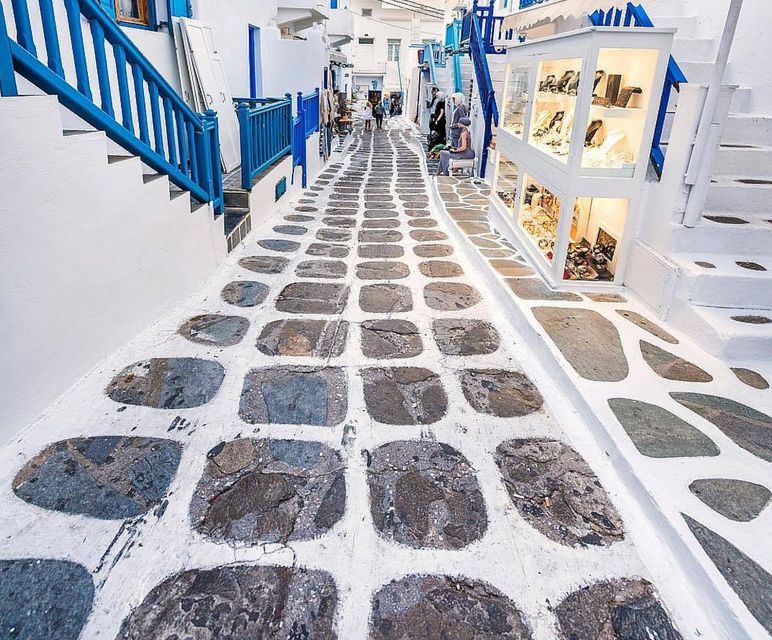
Mykonos Town (Chora) is famous for its whitewashed maze of streets. Left on your own, you’ll have fun—but you might also wander in circles while the best viewpoints slip by. The big win here is a guided route that helps you cover the essentials without feeling rushed.
I like that this tour doesn’t just “point at sights.” You get context as you go, so places like Manto Square and Paraportiani land better in your head. And because you’re walking with an English-speaking local escort, questions are easy to ask on the spot.
This is also a great choice if you’re jet-lagged or arriving by cruise ship. A focused 2-hour plan means you can get Mykonos Town’s layout figured out today, then wander independently tomorrow.
You can also read our reviews of more tours and experiences in Mykonos.



Pickup and Transfers: The Real Value of a $41 Tour
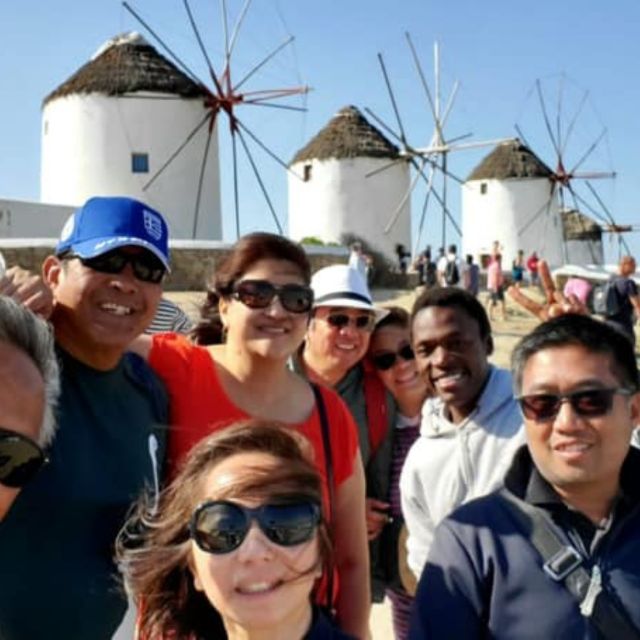
The price is $41 per person, and the value mostly comes from what’s included: round-trip transfers from your hotel or the Mykonos port, plus an English-speaking escort. For a short tour, that matters. You don’t want to spend half your time in transit, then only see half the sights you paid for.
In practice, your experience depends on where you’re staying. If your location is in the remote-villa zone (Elia, Kalafatis, Agrari, Panormos, Super Paradise, Ano Mera, Kanalia, and other outlying areas), there can be an additional €10 per person, paid in cash. If you’re close to town, you’ll likely have a smoother, more predictable flow.
One more timing note: the tour duration can vary with traffic and weather, and the total time includes the transfer. If you’re working around a dinner reservation or a tender window, plan a little buffer.
Manto Square and Manto Mavrogenous: More Than a Monument

The tour starts with a short drive and then focuses on Mykonos Town’s core landmarks, beginning at Manto Square. This is where you’ll see the monument of Manto Mavrogenous, a heroine from the Greek War of Independence. It’s one of those stops that sounds formal until the guide puts it into everyday context.
What makes this stop useful for you is simple: it anchors the rest of the walk. When you understand why Manto Mavrogenous matters, you start noticing how the town’s identity is tied to its history and coastline. You also get a strong landmark to recalibrate yourself later if you wander off-route.
If you’re the type who likes “why this is here” answers, this is a good first lesson. It’s quick, visual, and it sets the tone for the tour’s mix of story and sightseeing.
Matogianni District: Window Shopping Meets Old Mykonos
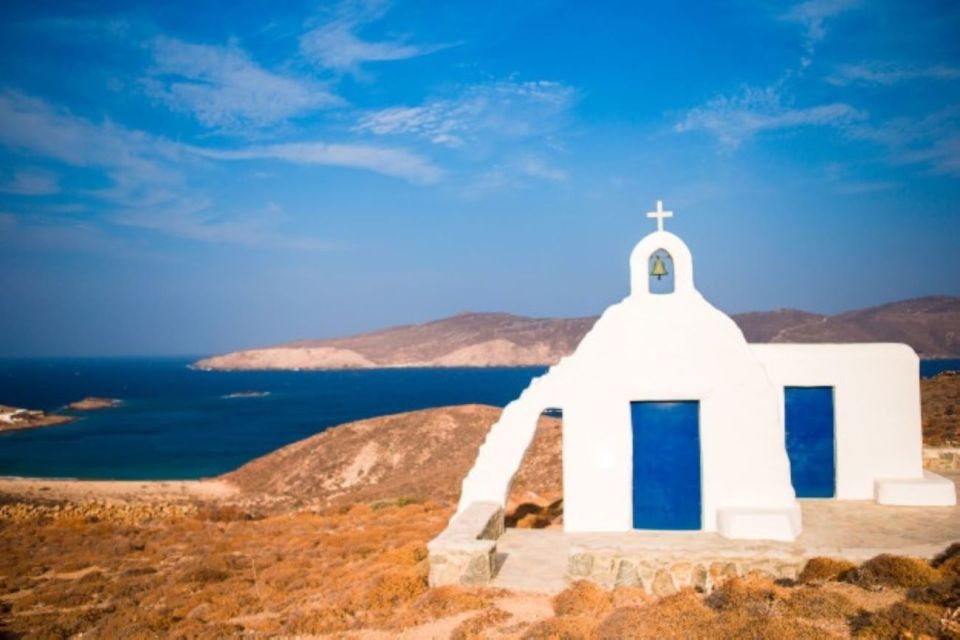
Next comes the walk through the district of Matogianni. Yes, you’ll pass storefronts with famous fashion brands, and the streets look great for photos. But the guide’s job here is to get you past the obvious shopping scenes and into the older fabric of the town.
One highlight is how you learn about the former home of the mother of Manto Mavrogenous. That kind of detail is exactly what you don’t get from a quick self-guided loop with your phone camera. It helps the town feel less like a set of landmarks and more like a place where real families and stories lived.
This is also a good stretch for pacing. The lanes are narrow, so you’ll move slowly enough to take in doorways, tiny views, and the way the town’s design funnels you toward the water.
Optional Gioras Bakery: A Small Pause That Helps You Enjoy the Walk
If you want a break, there’s an optional stop at the traditional Gioras bakery. This isn’t a “must-stop” for the tour’s core sights, which is nice. You can take the treat and reset, or keep walking if you’re saving room for dinner.
In a place like Mykonos, a small food stop is practical. It gives you a short moment away from the sun and crowds, and it turns the tour into something more lived-in. Expect this to feel like a local rhythm stop, not a staged museum stop.
Keep this in mind: the bakery treat itself isn’t included, so you’ll pay for it separately. But if you’re doing the tour earlier in your trip, having a snack before the biggest photo zones (windmills and Little Venice) can make the rest of the walk more comfortable.




The Five Windmills: Iconic Views With Photo-Stop Time
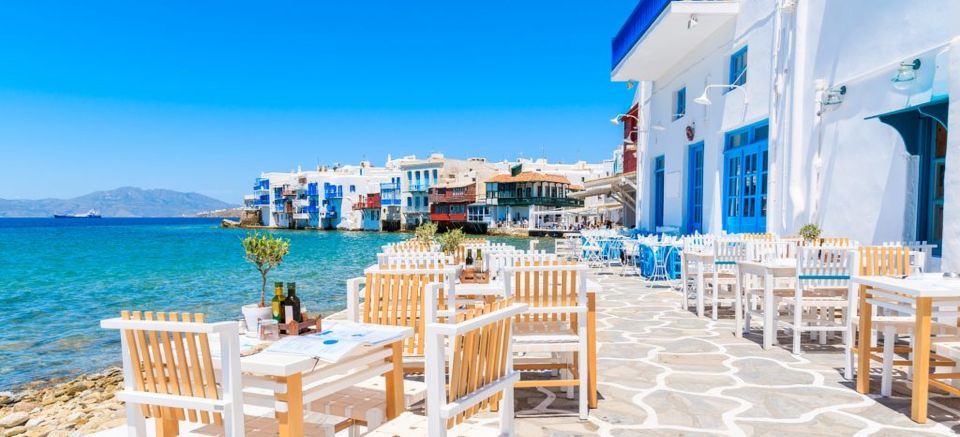
Then you head toward one of the most photographed areas on the island: the five windmills. These windmills still stand as a local attraction even though they’re no longer working mills. That’s part of what makes them interesting—you’re seeing a structure that has become a symbol.
You’ll get a photo stop here (around 10 minutes). The key is to treat those minutes as your “set up and shoot” window. If you want pictures at multiple angles, this is where to do it rather than trying to improvise later when the group is moving on.
One reason the windmills matter for your trip planning: after this stop, you understand how the town relates to the sea. The views start making sense, and Little Venice feels less random. It’s a smooth transition from history-and-icons to coastline-and-postcards.
Scarpa Area and Little Venice: Where the Town Touches the Water
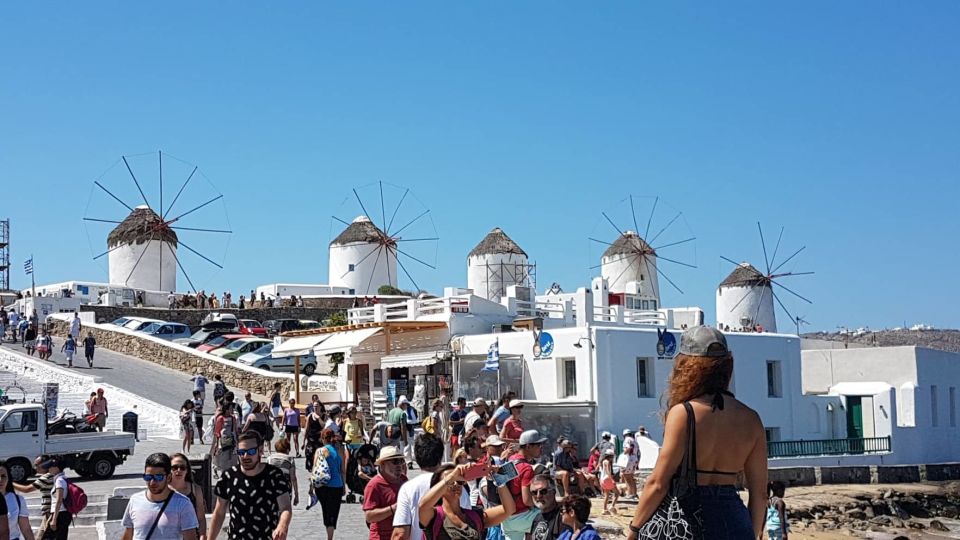
After the windmills, you venture down toward the Scarpa area, where the houses of Little Venice jut out across the water. This is the part of Mykonos that looks like it’s been designed for sunset photos, but there’s more going on than aesthetics.
You’ll get a photo stop and free time of about 15 minutes. Use that time well. If crowds are thick, step back and take a wider shot first, then move closer for details. If the wind is strong (it often is near the water), keep your camera strap secure and don’t rush.
What I like here is that you’re not just dropped at a viewpoint and sent off. The tour connects this area to the route you already walked, so it doesn’t feel like a random detour. You’re ending up at a real “Mykonos is coastal, not just white buildings” moment.
Panagia Paraportiani: The Church You Actually Learn to Look At
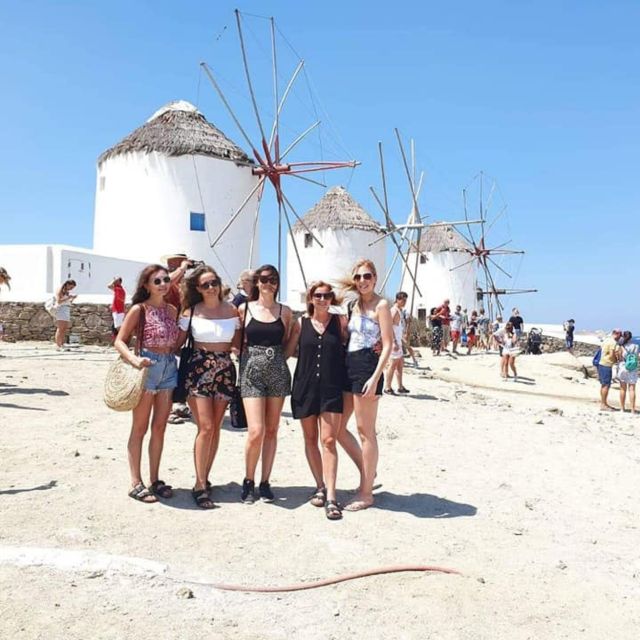
Next up is Panagia Paraportiani, one of the most famous churches in Greece. The tour stops here for about 10 minutes, with the guide explaining the details so you know what you’re looking at instead of just admiring the exterior.
This is a great stop if you enjoy architecture. The church’s shape and features can look confusing at first glance, especially with bright light reflecting off stone. The guide’s explanation helps you notice how different elements relate to each other.
And because this is a walking tour, the pacing works. You’re not sitting in one place for long. You’re learning, photographing, and moving on—exactly what you want in a crowded town.
If you love churches, you’ll leave with enough understanding to appreciate similar Cycladic styles you see later. If you don’t care about architecture, you’ll still get the main idea: this isn’t random beauty; it’s a specific, meaningful structure.
Agios Nikolaos Finish: A Familiar Church to Close the Loop
To wrap up, you head back toward the starting area, passing by Agios Nikolaos. You’ll get a final summary from the guide before you’re driven back to your meeting point.
I like this closing rhythm because it reinforces your mental map. The route loops you through multiple landmarks so you don’t feel like you only saw the “top five” and left confused. Instead, you finish with a sense of where you are and what you want to do next.
Also, that last summary can save you money. A good guide will point you toward the next steps—places to wander after the tour ends, how to avoid the most confusing stretches, and what to prioritize if you have limited time.
What the Guides Bring (and Why Names You’ve Seen Matter)
A big reason people rate this tour highly is the human factor: the escort. Past groups have been guided by locals such as Victoria, George, Kalinka, Leti, Christina, Sophia, Lucy, Stephanie, and Gibson, plus other names like Alex, Andreas, and Theo.
The common thread across these guides: they tend to be friendly, prompt, and willing to help with details like navigation and picture timing. Several guides are described as flexible with the group’s pace, and some even help with photo direction—useful in a town where angles matter.
If you’re hoping for a tour that feels like a conversation rather than a lecture, this is the part to pay attention to. A good guide turns “windmills” from a generic sight into a clear sequence you can repeat later on your own.
Who This Tour Suits Best
This walking tour is a strong fit if you want a focused overview of Mykonos Town in a short time. It’s especially good for first-timers who feel overwhelmed by the maze of streets.
It’s also a nice match if you like mixing the iconic with the less obvious. You get windmills and Little Venice, but you also walk through areas like Matogianni with context tied to Manto Mavrogenous. The optional Gioras bakery stop helps if you want a breather without derailing the schedule.
A couple of limits to consider: unaccompanied minors aren’t allowed, and the walking isn’t built for wheelchair users. If anyone in your group has mobility challenges, you’ll want a different plan.
Price and Logistics: A Straight Talk Take on Value
For $41, you’re buying three things: a guide, a curated route, and transport. In Mykonos, those add up fast if you try to do them yourself.
The tour’s 2-hour window is also honest. You won’t see everything on the island. But you will see the key “orientation landmarks” that make your independent time easier. I find that’s the best value in a short port day or a quick stay—helping you navigate your next wander.
Watch for the remote pickup surcharge if you’re staying far from town. Also remember that late arrival may mean you miss parts of the route, since the tour time can’t stretch forever.
Should You Book This Mykonos Walking Tour?
Book it if you want a quick, guided way to understand Mykonos Town without getting lost. The combination of pickup, classic photo stops at the windmills and Little Venice, and the guided stop at Panagia Paraportiani is exactly the kind of “smart first day” experience that pays off later.
Skip it if you want a long, slow, totally unstructured stroll. This tour has a plan, a walking pace, and specific stops, so it’s not ideal if you hate moving with a group.
If you’re trying to decide the timing of your visit, I’d lean toward doing it early. Get the layout and the landmark meaning first, then use the rest of your trip to wander with confidence.
FAQ
How long is the Mykonos walking tour?
It lasts about 2 hours. The total duration also includes the transfer from and back to your hotel or the port.
Is pickup from the port or hotel included?
Yes. Transfers to and from your hotel or the cruise ship port in Mykonos are included.
Does the tour include the bakery stop?
The bakery visit at Gioras is optional. The treat itself is not included.
What languages are available for the guide?
The escort is available in English, Spanish, and Italian.
Is this tour wheelchair accessible?
No. It is not suitable for wheelchair users.
Are there any extra fees for remote pickups?
Yes. For remote areas such as Elia, Kalafatis, Agrari, Panormos, Super Paradise, Ano Mera, Kanalia, and other remote villas, there is an additional €10 per person, paid in cash on the spot.