REVIEW · LANZAROTE
Museo Atlantico for non-certified divers
Book on Viator →Operated by Dive College Lanzarote · Bookable on Viator
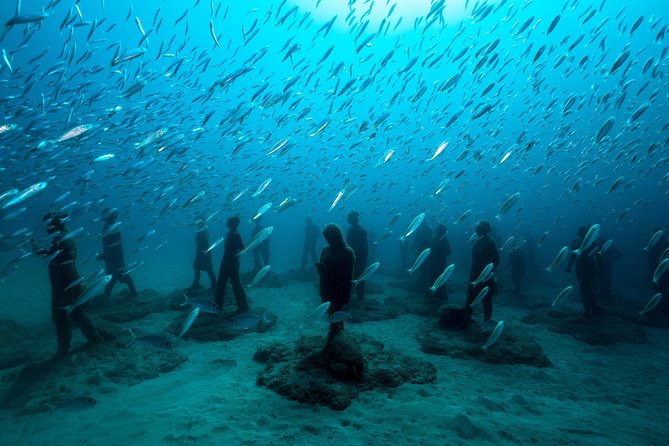
Museo Atlántico is Lanzarote’s underwater wow-factor. This 3-hour try-scuba outing takes you from a calm shoreline training into a guided visit to the underwater sculpture museum that’s known across Europe. I especially like that it’s built for first-timers and capped at seven people, so you’re not lost in a crowd.
What I like most is the structure: you start with a safety briefing and pool-style practice before you ever go out over the water. Transfers are included from Playa Blanca, so you spend less time figuring out logistics and more time readying yourself.
The main thing to consider is the medical side. You’ll complete a health questionnaire, and some conditions (like asthma or heart issues) can stop you from participating, plus you’ll need to be patient with ear equalization during the underwater part.
In This Review
- Key highlights worth knowing before you go
- Why Museo Atlántico is a great first underwater goal
- The 10:00 start: training that actually prepares you
- Getting to the museum: the boat ride and the pacing
- Safety and supervision: small group comfort is real
- Gear, photos, and what to bring for a smoother day
- Who this experience fits best (and who should think twice)
- Price and value: what $192.29 is really buying
- Should you book this Museo Atlántico try-scuba experience?
- FAQ
- Do I need a scuba license or prior experience?
- How long is the experience?
- What is the maximum group size?
- Is pickup included from Playa Blanca?
- What should I do regarding health and fitness?
- Is there a minimum age?
- What if the weather is bad?
Key highlights worth knowing before you go
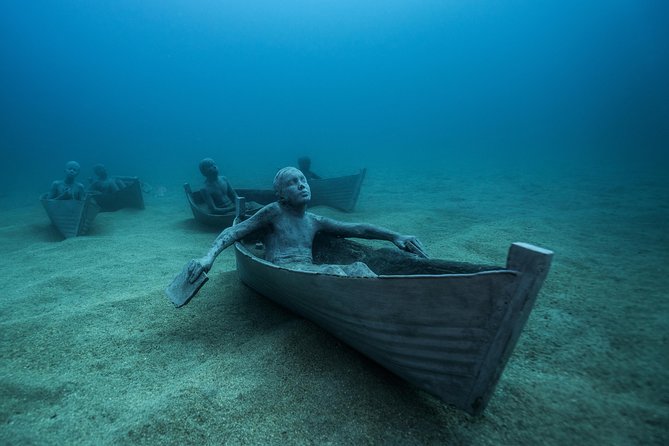
- Rare underwater sculptures at Museo Atlántico, guided by instructors
- Small group size (max 7) for close coaching
- Shore training first so your water skills aren’t a mystery
- Playa Blanca pickup/transfer included for easier day flow
- English-speaking support (with multilingual staff mentioned in feedback)
- Beginner-friendly format with no license required and a controlled maximum depth
Why Museo Atlántico is a great first underwater goal
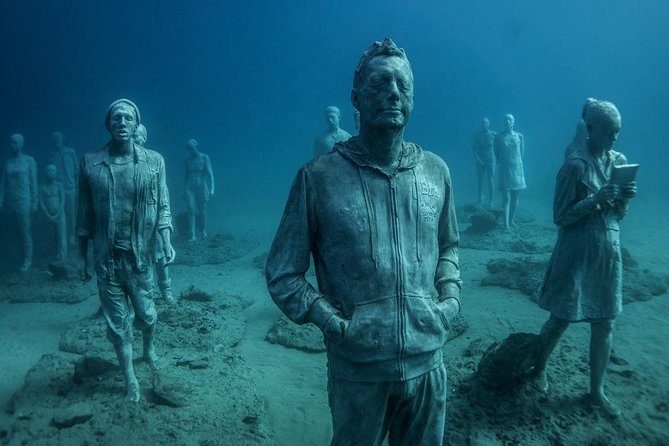
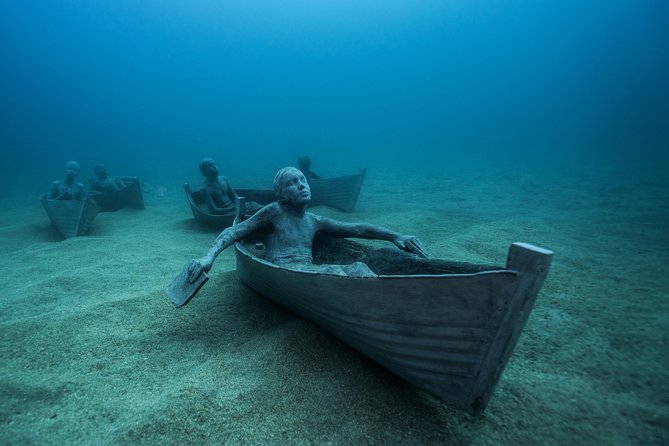
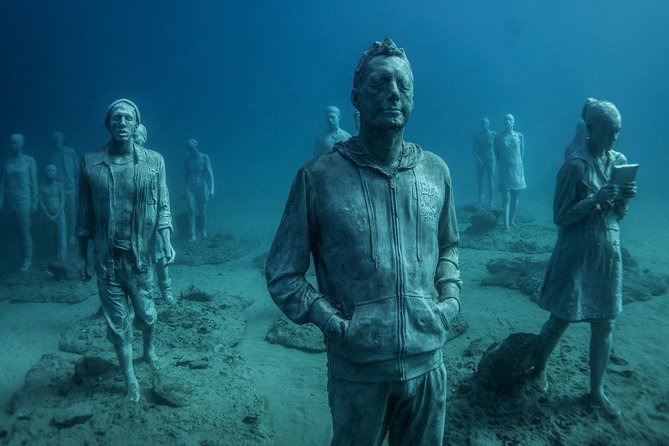
Museo Atlántico is exactly the kind of stop that makes people plan a whole trip around it. You’re not just looking at fish and rocks. You’re looking at sculptures that sit on the seafloor and create a real sense of story underwater.
This experience is designed around that goal: you’re guided among the sculptures with the instructor right there to keep the session at a comfortable level for beginners. The underwater part reaches a maximum depth suitable for beginners, which matters because it shapes the pacing, the amount of exertion you’ll feel, and how much time you’ll have to take things in.
One detail that comes through in feedback: people remember not only the statues, but the life around them—beautiful fish, and even an octopus sighting mentioned by one participant. For first-timers, that’s a big deal. You go in expecting the museum. You leave also surprised by what’s living around it.
You can also read our reviews of more tours and experiences in Lanzarote.



The 10:00 start: training that actually prepares you
The day starts at 10:00 at Dive College Lanzarote, at Centro Comercial La Mulata in Playa Blanca. The session begins with a warm welcome and a safety briefing, followed by an easy-to-understand introduction to the basics of scuba. If you’re nervous, this matters more than you think. In feedback, multiple people highlighted how patient and calm the instructors were while explaining what to do and why.
Before you head out, you do a pool training session. That’s the difference between a “throw you in and hope” experience and one that helps you get your bearings. In plain terms, you’re practicing the basics in a controlled setting so you don’t learn everything for the first time while underwater.
Here’s the kind of coaching you can expect from the instructors based on the way they guided people: clear, repeated reminders about what’s okay to communicate during the session. One company reply emphasized that you learn how to signal that you’re okay, that you want to go up, and that you’re unable to equalize your ears. That’s practical. It reduces panic because you know you have options.
If you’re the type who does better with a friendly coach, names that came up in feedback include Martha, Maliny, Steve (also noted for photography), and Marco. Even if your instructor is someone else, that kind of attentive, patient teaching is a consistent theme.
Getting to the museum: the boat ride and the pacing
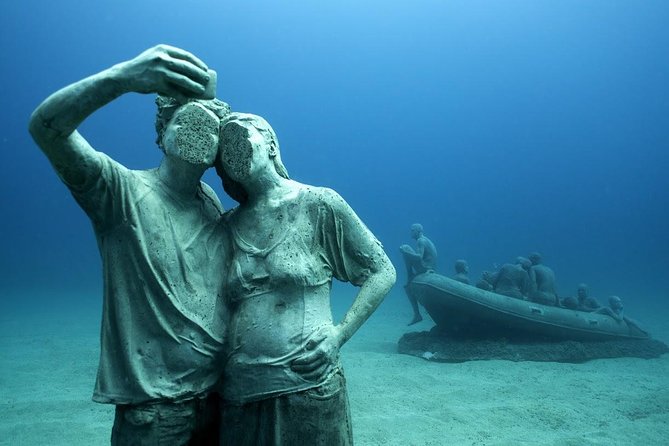
After the shore practice and a short break, you head out by boat. The departure is at 12:00 from the coast toward Museo Atlántico.
Boat travel is part of the day’s rhythm. It gives you a buffer after training, and it also helps the scuba setup feel less abrupt. People described the boat trip as enjoyable, and they liked that the team stayed organized with equipment on and everyone accounted for.
What about pacing once you’re underwater? The session is guided and structured. You’ll go to the museum with an instructor supervising you directly. That’s a safety win for beginners. The tradeoff is that you shouldn’t expect a slow, hour-long artistic tour where you stop at one statue for ten minutes and admire it like a museum on land.
One critical note from feedback: a person felt the underwater museum time was too short and that the group moved quickly. Other feedback contradicts that experience, saying the instructors made it possible to see the statues and that the team kept a close eye on the group. So I’d frame it like this: plan for a focused visit, not a leisurely one. You’ll get the main sights, but you’ll still be following instructor timing, especially around equalizing and controlled ascent/descent.
Safety and supervision: small group comfort is real
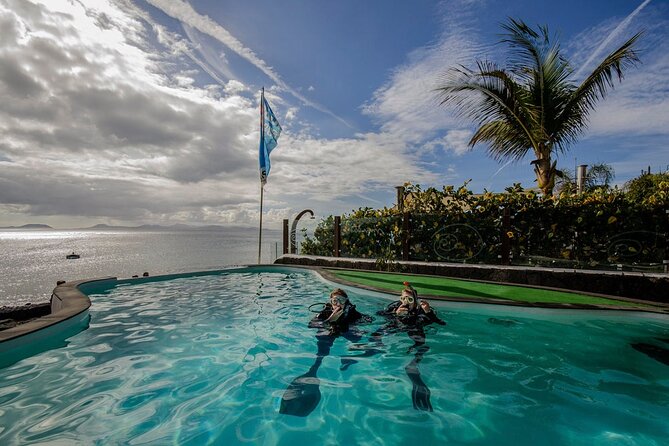
This is capped at seven participants. That number is a huge part of why the experience feels manageable. With fewer people in the water, instructors can spend time checking that you’re okay, not just counting heads.
Feedback also points to a pattern: people felt reassured because the briefings were thorough and instructions were understandable. Several nervous first-timers said the instructors stayed calm and patient, and that helped them actually complete the session rather than quitting at the shallow end.
A common success story: someone who didn’t think they would go deeper ended up going down farther (reported around 12–14 meters) because the instructor guided them step by step and kept them supported. That doesn’t mean you should expect that same depth. Your comfort, your equalization, and instructor judgment drive the final plan.
If you’re prone to stress underwater, this trip is still worth considering—because the coaching style is repeatedly described as reassuring. Just know that you’ll need to communicate if you’re not feeling right, and you should be willing to slow your pace when asked.
Gear, photos, and what to bring for a smoother day
This experience provides the scuba equipment as part of the try-scuba format. If you’re new, that matters: you’re not spending hours renting the wrong thing or guessing which parts you actually need.
Photos are also part of the experience. One participant specifically credited Steve for taking good photographs. Another person complained that the photo preview felt rushed and that most images didn’t load on the screen. That suggests you should plan to ask for time to view them properly if you care about getting copies.
What you can control is your comfort on land. One suggestion that stuck with me: bring flip-flops or water-friendly slip-ons for walking near the water, and have a small way to keep them from getting lost. Even if you don’t carry a basket, the idea is solid: keep your walking footwear, towel, and bag organized so you don’t stand around trying to improvise while everyone else is gearing up.
Practical comfort tips you can follow without overthinking:
- Eat a real meal beforehand and avoid a super heavy stomach. (People did advise being fueled and rested.)
- Bring a towel and a change of clothes for after.
- Wear something easy to rinse and dry quickly.




Who this experience fits best (and who should think twice)
This is clearly aimed at first-timers. No diving license is required, and the format includes shore training before the underwater part. The minimum age is 10 years, so it can work for older teens or families where the kids can follow instructions.
It’s also a good fit if you want the unique museum experience without committing to a long certification course. The structure here is learn-the-basics-first, then see the sculptures with supervision.
Where you should think twice is if you’re dealing with medical or equalization challenges. You’ll complete a health questionnaire, and some pre-existing conditions can prevent you from diving. If you have recurring sinus issues, ear problems, or asthma, talk to your doctor before you book. One person also described the importance of equalizing at each meter, and the session can end early for people who can’t equalize or who feel too stressed.
Also consider your expectations. One negative review argued that this is not a full course and won’t teach everything you’d learn in longer training. If your goal is certification-level skill-building (buoyancy control for example), this may feel too short. If your goal is a safe, supported first underwater encounter with the Museo Atlántico, it’s built for that.
Price and value: what $192.29 is really buying
At $192.29 per person (approx.), you’re paying for a packaged day that includes:
- A full morning structure starting at 10:00
- Safety briefing and instruction
- A pool training session
- Boat transfer to the museum area at 12:00
- Guided underwater supervision at a beginner-suitable maximum depth
- Mobile ticket
- English-offered instruction
- Pickup/transfer for Playa Blanca
That’s the value. You’re not just buying access to sculptures. You’re buying training time, equipment handling, and guided supervision. And because the group is capped at seven, the per-person attention is part of what you’re paying for.
The best “value move” is to show up rested, fed, and ready to communicate if something feels off—especially ear equalization. When people reported having a great time, it often came down to feeling safe and supported right from the first briefing.
Should you book this Museo Atlántico try-scuba experience?
Book it if:
- You’re a true beginner and want a rare underwater museum experience without a license
- You prefer small-group attention and structured training before the underwater part
- You want a day with clear coaching, especially if you’re nervous (the calm, patient instruction style is repeatedly mentioned)
Consider skipping or doing more training first if:
- You’re hoping to master advanced scuba skills in a single afternoon
- You have health concerns that might affect diving fitness (or you know equalization is hard for you)
- You want a slow, statue-by-statue museum experience rather than a guided, controlled session
If you do book, plan smart: get good sleep, eat beforehand, and be honest with the instructors during briefings about your comfort level. That’s when this kind of experience pays off the most.
FAQ
Do I need a scuba license or prior experience?
No. This is described as suitable for beginners and non-certified participants, and it’s designed for people with no diving license.
How long is the experience?
It runs for about 3 hours (approx.), starting at 10:00 and including the boat departure at 12:00.
What is the maximum group size?
The tour/activity has a maximum of 7 travelers.
Is pickup included from Playa Blanca?
Yes. Transfers to and from Playa Blanca are included. Your exact pickup time depends on where you’re staying, and you’ll be contacted after booking.
What should I do regarding health and fitness?
You’ll complete a health questionnaire before diving. Some pre-existing conditions may prevent you from participating, so it’s smart to check with your doctor if you have concerns. You should also have a moderate physical fitness level.
Is there a minimum age?
Yes, the minimum age is 10 years.
What if the weather is bad?
This experience requires good weather. If it’s canceled due to poor weather, you’ll be offered a different date or a full refund.