REVIEW · MALLORCA
Mallorca: Market Visit and Traditional Cooking Workshop
Book on GetYourGuide →Operated by Forn de sa Llotgeta · Bookable on GetYourGuide
Palma smells like lunch and good stories. This 4-hour Mallorca cooking workshop pairs a guided visit to Mercat de L’Olivar with a hands-on meal at Forn de la Llotgeta, led by the warm, capable instructor Deborah. I really like the small group size (max 8)—you get time to ask questions and actually learn the steps. I also like how the menu is built around seasonal, local ingredients tied to the island’s food calendar. One consideration: market tastings can feel brief compared with what you’re paying, so if you want lots of bites while shopping, set expectations.
In the end, you’re not just watching someone cook. You’ll make a complete 4-course traditional lunch, and you’ll leave with the ingredients and materials so you can repeat the recipes at home. Wine is part of the experience too—two glasses per person, and it’s paired with the workshop’s sustainable food ethos.
In This Review
- Key Things You’ll Notice
- Where You Start: Mercat de l’Olivar in the Middle of Palma
- A small watch-out on tastings
- Forn de la Llotgeta: Cooking in an 18th-Century Bakery
- The Hands-On Part: How the Menu Teaches Mallorca
- The included menu you can expect
- Diets: what you can adapt
- Wine, Aperitif, and the Pace of a Small Group
- What drinks are included
- Who this group size suits
- Price and Value: Is $171 Fair for What You Get?
- Sustainability Through Food: Seasonality, Producers, and A Bit of Gratitude
- Is It Worth It for You? Who Should Book This Workshop
- Should You Book This Mallorca Market and Traditional Cooking Workshop?
- FAQ
- How long is the Mallorca market visit and cooking workshop?
- Where do I meet for the workshop?
- How big is the group?
- What food will I eat during the workshop?
- Is wine included?
- Can the class be adapted for vegetarian or vegan diets?
- Is it suitable for children?
Key Things You’ll Notice
- Mercat de L’Olivar ingredient hunt: you walk through fruit, fish, and delicacies with vendor conversations that help you understand what’s truly seasonal
- Meet point that makes sense: in front of El darrer vestit a l’ampla, on the side of BBVA bank, right by Mercat de l’Olivar
- Forn de la Llotgeta, dating to the 18th century: you cook and dine in an old-school bakery setting
- Deborah’s teaching style: structured, friendly, and focused on technique plus context
- A full Mallorca menu, not a single dish: flatbread, clay-pot rice, and gató with almond ice cream
- You take parts of the experience home: ingredients and materials used during the workshop, so it’s not over when you leave
Where You Start: Mercat de l’Olivar in the Middle of Palma
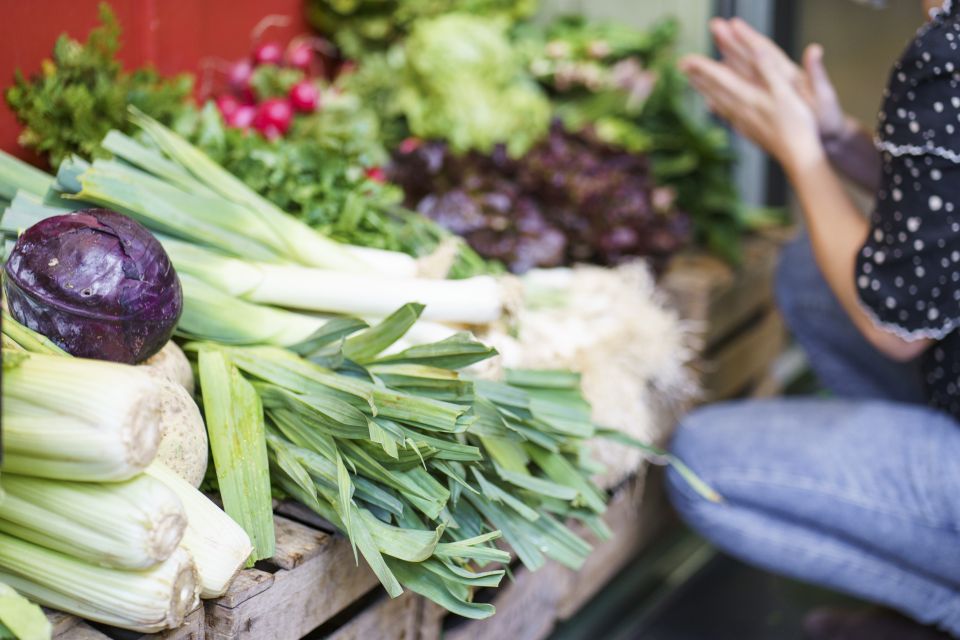
The workshop begins with a 1-hour market tour at Mercat de l’Olivar, one of Palma’s biggest typical markets. The meeting point is specific: in front of El darrer vestit a l’ampla, on the side of BBVA bank. This matters because you’re not wandering around trying to find a group—show up there and you’re quickly in motion.
What you’ll do at the market is more than just sightseeing. You’ll stroll through stalls featuring fruit, fish, and other delicacies, and you’ll meet the vendors to source ingredients for the cooking class. There’s also a tasting component—local delicacies such as ham are part of it.
My practical advice: go with a shopping-mindset even if you don’t buy much. The goal is to learn how Mallorcans think about food seasonally and locally, and the market walk is the fastest way to calibrate your palate to what the island is actually producing right now.
You can also read our reviews of more tours and experiences in Mallorca.

A small watch-out on tastings
This is the only place where value expectations can clash with reality. If you’re hoping for repeated samples of everything at the market, don’t count on that. One experience note points out that tasting amounts may feel limited (for example, one slice of ham). You’ll still get the market context—but if you’re a hardcore sampler, keep your expectations grounded.
Forn de la Llotgeta: Cooking in an 18th-Century Bakery
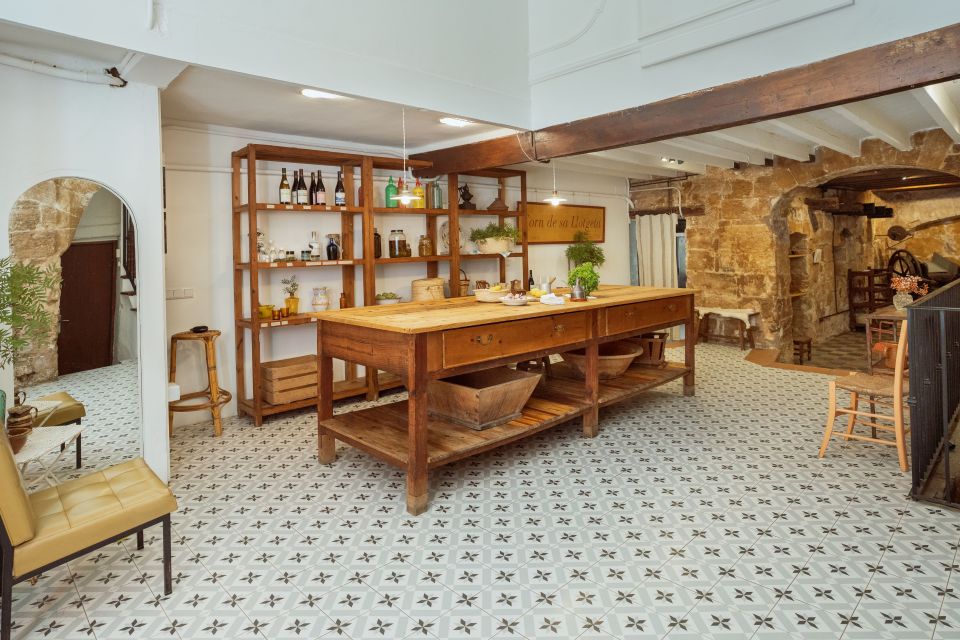
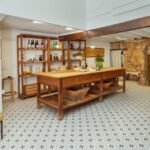
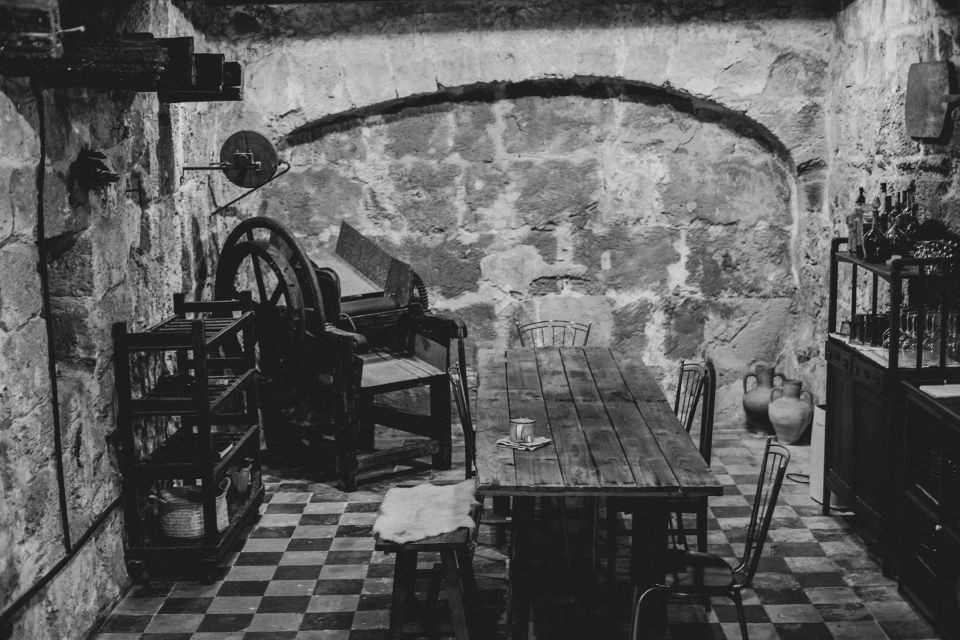
After the market, you head to Forn de la Llotgeta, described as an emblematic bakery dating from the 18th century. That alone changes the feel of the class. This isn’t a modern demo kitchen where everything is pristine and fast. It feels built for real food work—prep, cook, and sit down together.
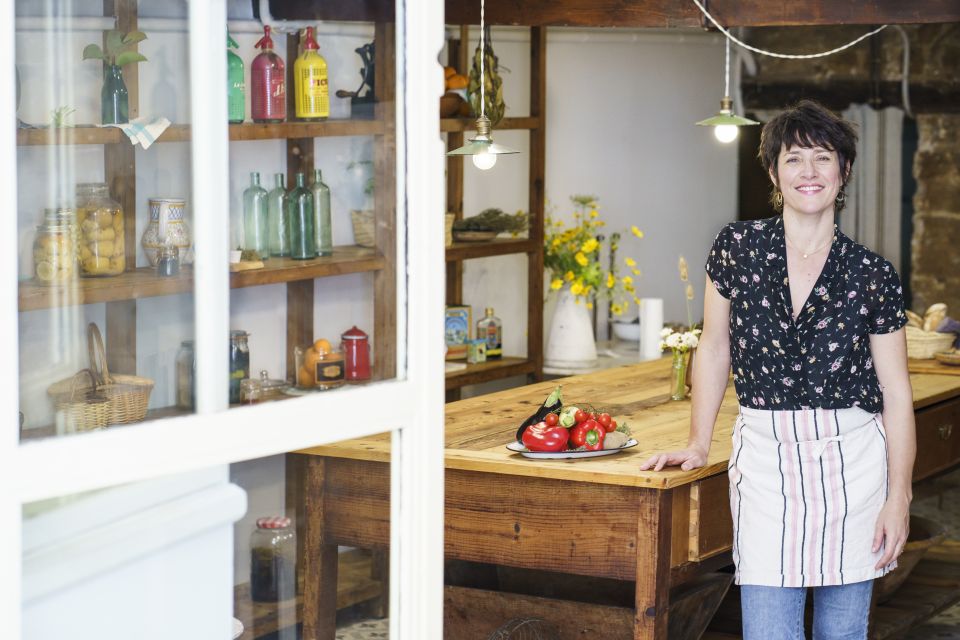
The teaching space is Deborah’s studio/atelier area, set up for hands-on cooking and shared dining. In one account, the setting is described as relaxed and inspiring—exactly what you want when you’re learning techniques you can’t read off a recipe card.
Another useful detail: the classes are designed to shift with the seasons. If you book in winter, you’ll get winter-focused produce and dishes. If you come back another season, the menu adjusts. That means you’re not paying just to cook the same thing everyone cooks year-round.
The Hands-On Part: How the Menu Teaches Mallorca
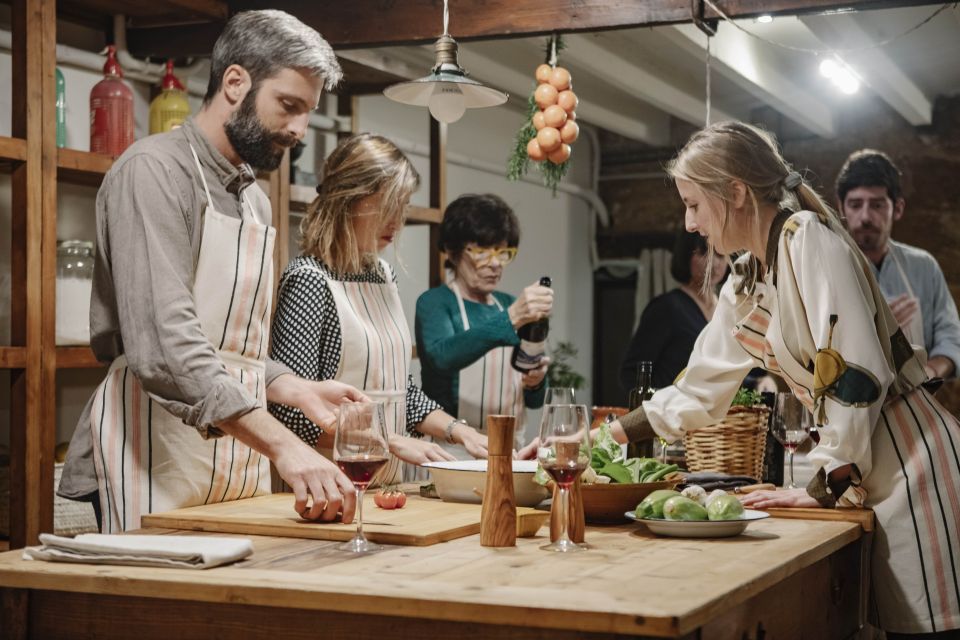
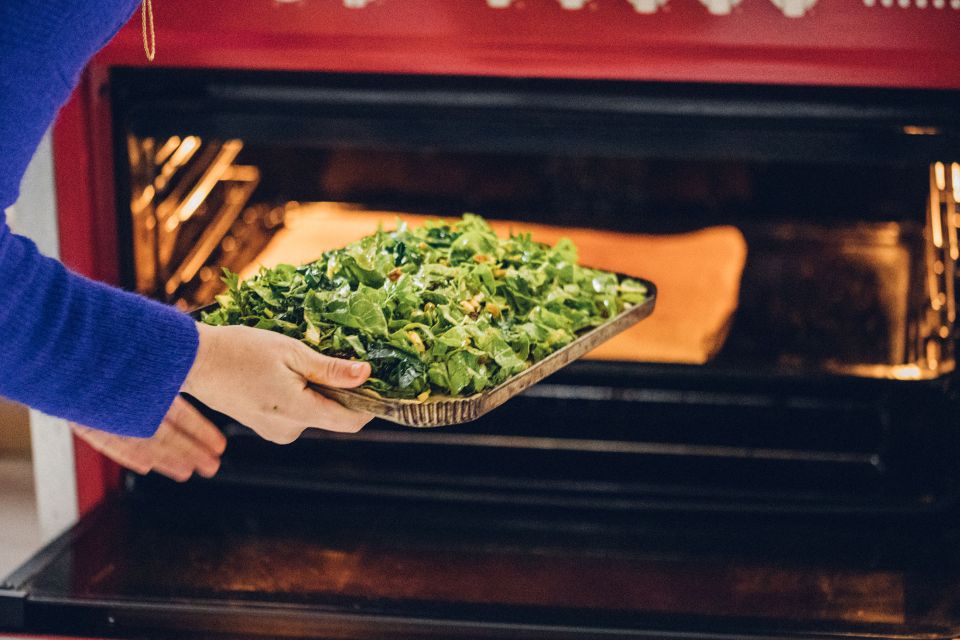
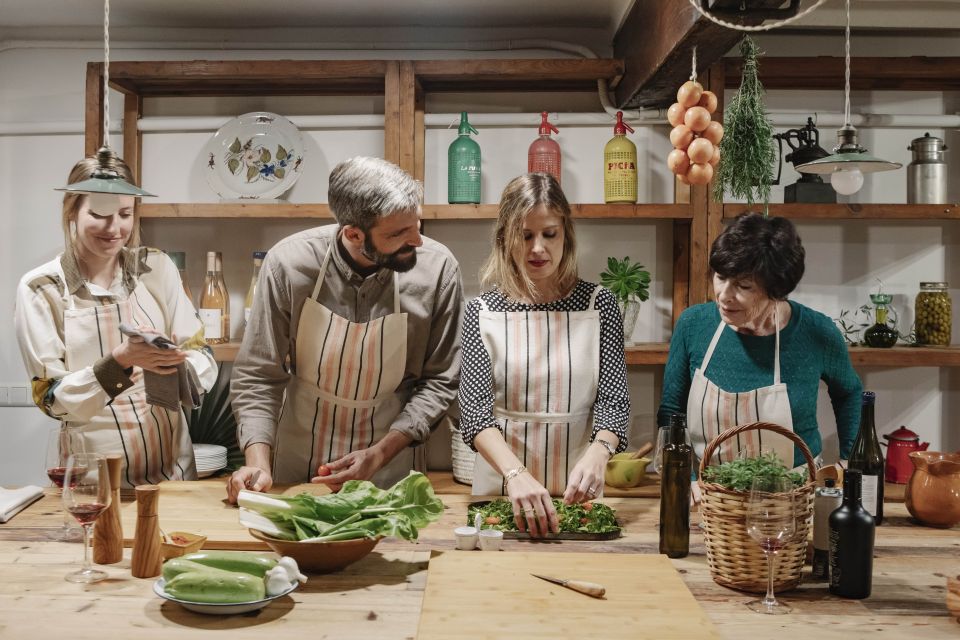
This is a guided, hands-on workshop. You’ll prepare a complete seasonal menu as a group, plus you’ll taste what you make. The structure is built around a full lunch experience with multiple steps, not just one cooking station.
The included menu you can expect
The sample menu is very classic Mallorca. You’ll learn dishes that show both local ingredients and the island’s cooking personality—simple moves, strong flavors, and careful timing.
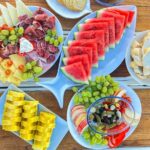
Here’s what’s typically on the table:
- Local cold meats and artisan cheeses with grapes and almonds
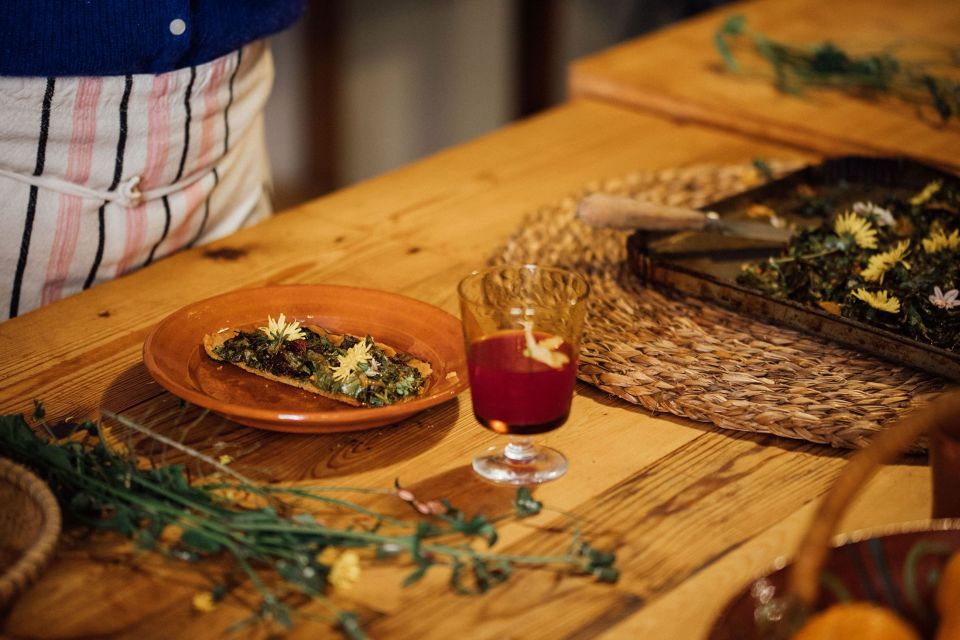
- Mallorcan flatbread with greens and raisins
- Artichokes & sobrasada meloso rice cooked in a clay pot (greixonera)
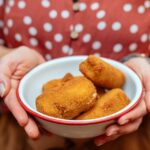
- Gató (almond cake) with almond ice cream
A few things I think are worth highlighting for your decision-making.
1) Greixonera is the “this is Mallorca” moment
The clay-pot rice—greixonera, with artichokes and sobrasada meloso—is the kind of dish that teaches more than flavor. It teaches how Mallorcan cooking uses texture and patience. The clay pot matters because it supports the slow, gentle cook you’d miss if you used a standard pot and rushed it.
2) The flatbread shows the sweet-salty logic
The flatbread with greens and raisins might sound unusual if you’re used to plain bread. But it’s a very Mallorcan idea: balance savory ingredients with a touch of sweetness so the whole plate feels rounded.
3) Gató ties the meal together
Dessert is gató—almond cake—with almond ice cream. If you love almonds, you’ll understand why Mallorca keeps showing up in Spanish bakery conversations. If you don’t love almonds, it’s still a good lesson in local dessert style—dense, fragrant, and not overly fussy.
Diets: what you can adapt
The workshop uses animal protein as part of understanding traditional Mallorcan food culture. That said, it can be adapted.
- For private groups, the course can be made vegetarian or vegan if you tell the team in advance.
- For any booking, the guidance is to advise of dietary requirements so they can try to accommodate.
- If you have severe food allergies or very specific restrictions, you should contact the provider before you book online.
That approach matters. Cooking workshops often treat dietary needs as an afterthought. Here, they actually expect you to communicate so they can build the menu around your limits.
Wine, Aperitif, and the Pace of a Small Group
This experience is designed for a small group: up to 8 participants. That size changes everything. You’re not watching from the sidelines. You’re working, tasting, and asking about why a dish is made that way, not just how.
Language options are English and Spanish, and you’ll be taught by Deborah. If you want to understand the “why” behind the “how,” that language support is a big plus—especially when questions come up while you’re cooking.
What drinks are included
Wine is part of the meal. You’ll get two wine glasses per person included. The workshop also pairs the experience with organic wines and a sustainable food ethos.
The menu includes an aperitif on evenings: vermút & banderilla. If you’re booking for an evening slot, this is likely the pre-meal flavor warm-up.
Who this group size suits
This is a great fit if you’re:
- the type who asks questions while cooking
- interested in Mallorca’s food culture as much as the food itself
- traveling solo or with a small group and still want real interaction
It’s less ideal if you hate structured meals and prefer total freedom. This one keeps you on a food track—market, cooking, lunch, done.
Price and Value: Is $171 Fair for What You Get?
$171 per person isn’t cheap. But it’s also not just a “cook one dish” class. Based on what’s included, you’re paying for a full food day of guidance.
What’s included:
- 1 hour market tour with tastings (examples like ham)
- ingredients, materials, and recipes
- guided hands-on workshop
- 4-course lunch based on your cooking
- two wine glasses
What’s not included:
- hotel pick-up/drop-off
- additional wine
- personal gift shopping at the market
So the value math looks like this: you get a guided market walk, a multi-course cook-and-eat meal, and take-home materials aimed at helping you reproduce the recipes later. If you’ll actually cook at home, that take-home piece makes the cost feel more reasonable. If you won’t cook later and you only want a one-time taste, you might feel the price more sharply—especially given the note that market tastings may be limited.
My advice: treat it like a guided food course, not a cheap sampler. If you do, you’ll likely feel it’s money well spent.
Sustainability Through Food: Seasonality, Producers, and A Bit of Gratitude
This workshop doesn’t pitch sustainability as a slogan. It frames it as daily practice: seasonality, local products, and a mindset of austerity and harmony with nature.
Practically, that shows up in two ways:
1) The menu follows Mallorca’s food calendar—so you’re eating what fits the season rather than imported “any time” ingredients.
2) They collaborate with small producers and farmers, tying your plate back to real people making real food.
You’ll also have the chance to take home ingredients and materials used during the workshop. That matters for two reasons: it gives you a repeatable recipe experience, and it reinforces the idea that the island’s food culture isn’t just a one-night show.
Is It Worth It for You? Who Should Book This Workshop
I’d aim for this workshop if you want:
- authentic local cooking with a cultural explanation
- a small-group class where you learn steps, not just watch
- a real Mallorca menu that includes iconic elements like greixonera and gató
- the chance to ask questions in English or Spanish with Deborah
I’d skip or reconsider if:
- your priority is lots of market sampling rather than learning cooking
- you need strict accommodations for severe allergies and haven’t contacted the provider first
- you’re traveling with kids under the advised age range (not suitable for children under 12 years)
Private groups are an option for families or friend groups (from 2 to 15 pax, subject to availability). The note also says kids are welcome in private groups, even if the main course isn’t recommended for younger kids—so if you have a group and need flexibility, that’s your path.
Should You Book This Mallorca Market and Traditional Cooking Workshop?
Book it if you like the idea of a market-to-table day in Palma, plus a proper Mallorca lunch you cook yourself. The combination of Mercat de l’Olivar sourcing, cooking in the historic Forn de la Llotgeta setting, and a full menu built on seasonal local products makes it more than a class—it’s a food-culture snapshot.
Don’t book it if you mainly want lots of constant tastings at the market. And if you have serious allergies, plan to contact the provider before paying.
If you want a simple rule: come hungry, wear comfortable shoes for the market walk, and be ready to learn. This is the kind of experience that sticks because you can cook it again later.
FAQ
How long is the Mallorca market visit and cooking workshop?
The full experience lasts about 4 hours, made up of a 1-hour market tour and a 3-hour hands-on cooking workshop.
Where do I meet for the workshop?
You meet in front of the statue El darrer vestit a l’ampla, on the side of BBVA bank, right in front of Mercat de l’Olivar.
How big is the group?
It’s a small group with a maximum of 8 participants.
What food will I eat during the workshop?
You’ll prepare and enjoy a 4-course Mallorca menu, including items such as cold meats and artisan cheeses, Mallorcan flatbread with greens and raisins, a clay-pot rice dish (greixonera) with artichokes and sobrasada, and gató with almond ice cream.
Is wine included?
Yes. Two wine glasses per person are included with the workshop.
Can the class be adapted for vegetarian or vegan diets?
Animal protein is part of traditional Mallorcan food culture, but the course can be made vegetarian or vegan for private groups. Let them know your dietary requirements.
Is it suitable for children?
It is not suitable for children under 12 years. The information also notes that kids may be welcome in private groups.