A day like this turns Mallorca from postcard to lived-in place. You get an expert local guide, multiple food stops that taste like real island life, and scenic spots that are easier with someone who knows the back roads. I especially like the small-group pace and the local tastings that skip the usual tourist menu; the only real drawback is that it’s a packed 6–7 hours, with short visits and a couple of key viewpoints you’ll admire from the outside.
You start from Palma with a 10:00 am departure, and pickup is offered so you’re not wasting time figuring out where to meet. The group stays under 18, so you’ll actually hear the guide instead of competing with traffic noise.
If you’re picky about getting inside every site, plan around that. A windmill at Algaida and the lighthouse at Far de Cap Blanc are both places you can’t enter, so the payoff is in the walk-around, photos, and the story your guide tells.
In This Review
- Key things I’d plan for
- Pickup, group size, and the drive-with-radio setup
- Why the expert guide changes everything
- Local food stops: ensaimada, pa amb oli, Quelitas, and gató focus
- Quiet starts at Ermita de la Santísima Trinitat: peace first, views after
- Miramar (and its gardens and secrets): from Ramón Llull to Byzantine vibes
- La tafona de Can Det: olive oil production plus orange growing, taught by the owners
- Algaida’s preserved windmill and the story of energy
- Pina’s Cruz and Islamic-era washing places
- Lloret de Vista Alegre: pass through the plains and listen
- Montuïri and pa amb oli: recharge in a typical place
- Santuari de Cura: 360º views and the Cabrera check
- Son Mut Nou: the world’s biggest fig tree experimentation field
- Far de Cap Blanc lighthouse: walk-around photos and freshly baked ensaimada
- Cala Pi tower down to the beach, plus that turquoise promise
- Es Trenc salt marshes: a talk on salt and Quelitas tasting
- Practical value: what you’re really paying for at $150.60
- Who should book this tour, and who might prefer something else
- Should you book Mallorca Hidden Marvels?
- FAQ
- What time does the tour start?
- How long is the experience?
- Is pickup included, and where do I meet the driver?
- What language is the tour in?
- How large is the group?
- Are there admissions included, or is everything free?
- Can I visit places inside during the stops?
- Is cancellation free if my plans change?
Key things I’d plan for
- Small-group cap (18 max): enough time for questions, without the “tour bus herd” feeling.
- Expert local storytelling: you’ll get context for what you’re seeing, not just directions.
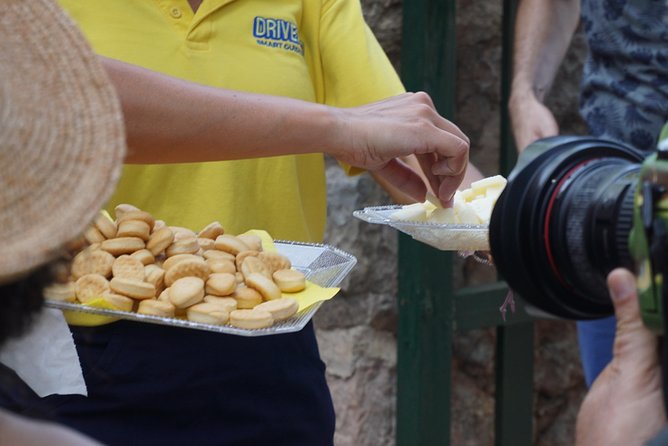
- Multiple food tastings: ensaimada, salt cookies Quelitas with cheese, and pa amb oli set the tone for the day.
- A route that mixes inland villages and coast: windmills, Islamic-era washing places, and Es Trenc salt marshes in one flow.
- Outside-only viewpoints at a couple stops: you’ll admire from around the sites, not through museum doors.
- Optional communication support: if you drive your own car, there’s a portable system to keep everyone coordinated.
Pickup, group size, and the drive-with-radio setup
This tour is built for a smooth day. Pickup is offered, and you’re asked to wait for the driver outside your hotel, apartment, or private house. That matters in Mallorca, because parking and meeting points can eat up time fast.
The max group size is 18 travelers, which keeps things calm. It also helps the guide manage the timing so you’re not stuck waiting for late arrivals.
One neat detail in the highlights: if you’re using your own car, you get a portable communication system. So you can still travel with the group flow (and stay together), without relying on a full coach. If you prefer your own driving comfort, that option can be a good compromise.
Duration is about 6 to 7 hours. That’s long enough to feel like a “real day out,” but not so long you’ll be exhausted by nightfall—if you pace yourself and snack when you can.
You can also read our reviews of more tours and experiences in Palma de Mallorca.

Why the expert guide changes everything
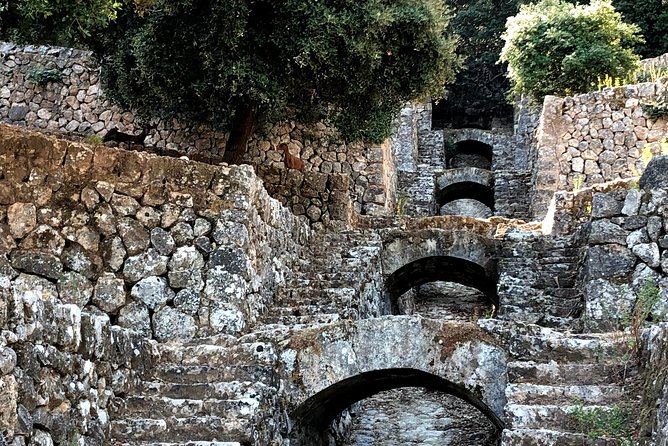
What makes this day work is the guiding style: stories tied to exact places. You’re not just looking at buildings and views—you’re learning why they exist and how island life shaped them.
The reviews also point to the kind of guides you might get. People named Birgit and Alvaro describe their guides as island-raised and strong at turning history into something you can picture. One repeat theme: more than the usual stops, the best moments were the extra culture bits and side details that only show up when someone knows the island well.
That’s the real value of a guided route like this. Mallorca is full of “I would’ve missed that” spots, but with a local, those small moments become the main event.
Local food stops: ensaimada, pa amb oli, Quelitas, and gató focus
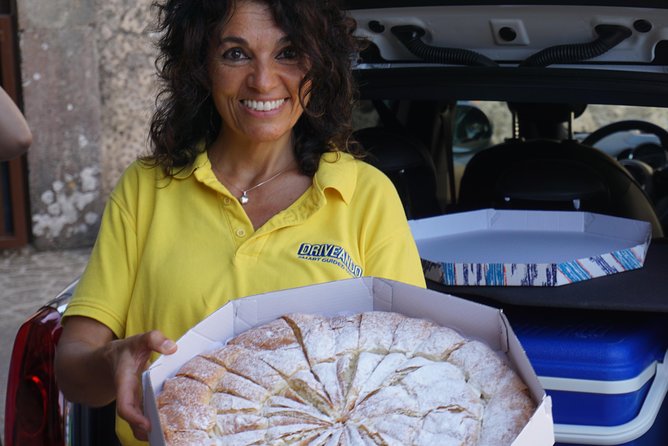
The food on this tour isn’t an afterthought. It’s part of the itinerary, with tastings that match what you’re seeing.
Here are the standouts you can expect during the day:
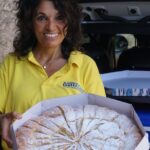
- Ensaimada appears more than once. You’ll taste a piece near the Ermita de la Santísima Trinitat, and later you’ll also get a freshly baked ensaimada by the coast at Far de Cap Blanc.
- Quelitas cookies with cheese show up at Miramar and again at the Es Trenc salt marshes.
- Pa amb oli is the big local lunch-style moment at Montuïri, where you recharge and eat one of Mallorca’s simplest, best ideas: bread plus olive oil plus toppings.
- The overall food emphasis is on classic island dishes like pa amb oli and gató, which helps this day avoid the usual “guess what you’ll get” tourist meal vibe.
A practical tip: treat these tastings like scheduled small meals. With multiple stops, you’ll feel better if you don’t skip the bites just because you ate earlier.
Quiet starts at Ermita de la Santísima Trinitat: peace first, views after
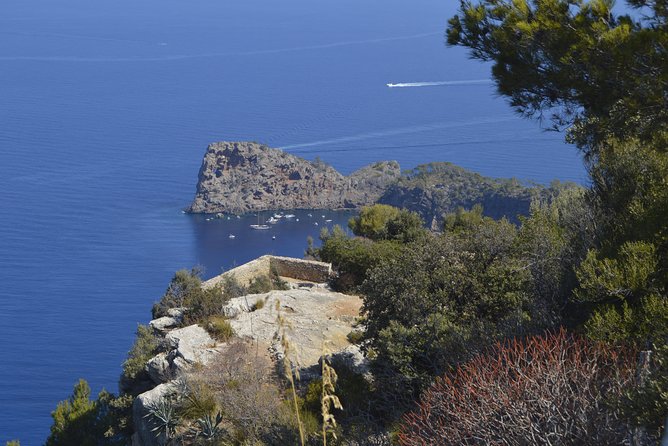
Your first stop is the Ermita de la Santísima Trinitat. You’ll do a short walk—about 10 minutes—to reach a peaceful spot where the guide shares a short but fascinating story.
It’s the kind of place that works because you don’t need a long hike or big effort. You’ll be close enough to the route to catch your breath, but removed enough to feel like you stepped into a calmer pocket of Mallorca.
You also get a small taste of ensaimada here. It’s a nice “warm-up” that blends food and setting, rather than turning the day into a series of random photo stops.
Miramar (and its gardens and secrets): from Ramón Llull to Byzantine vibes
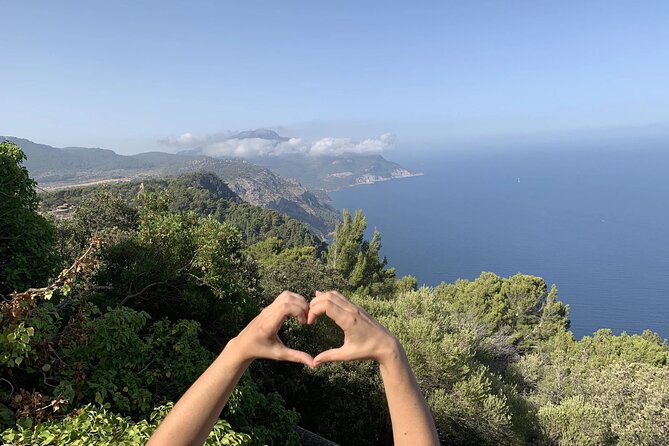
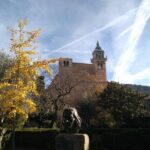
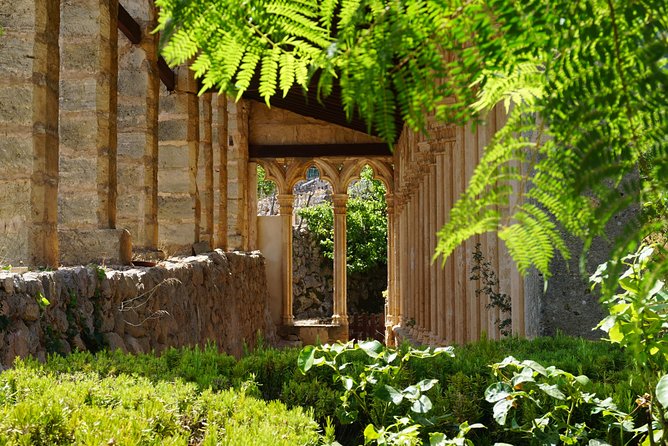
Next up is Miramar, with a backstory that’s unusually layered for a single stop. You’re looking at a place founded by the thinker and inventor Ramón Llull—later it became a monastery, and then it turned into the summer mansion of Archduke Luís Salvador of Austria and his guests.
What you’ll focus on during your visit is the combination of setting and style: the gardens (including Byzantine gardens) and interiors with stories, secrets, and legends. Even if you don’t memorize every detail, the guide helps you connect the dots so the place doesn’t feel like “just another pretty estate.”
You’ll also end this stop with Quelitas salt cookies with cheese, which ties back to the Mallorca habit of eating well in simple, local ways.

La tafona de Can Det: olive oil production plus orange growing, taught by the owners
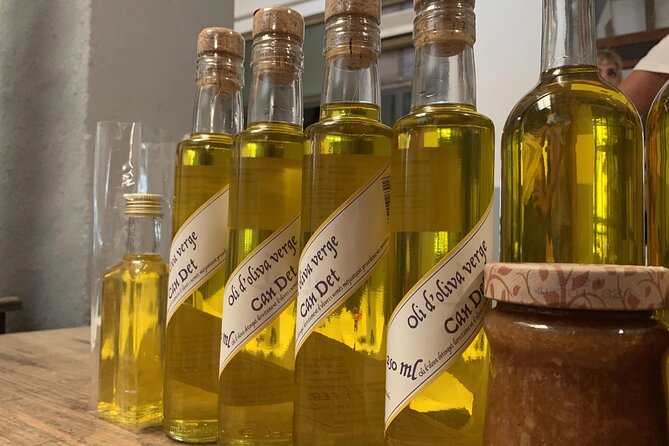
Then you shift from palaces and viewpoints to something hands-on: La tafona de Can Det. This is where the day gets more grounded.
You learn about the process to produce olive oil, and you also connect it to Mallorca’s local orange crop. The key detail here is that it’s run by a small family company, and you learn directly with the people who live and work there.
This stop runs about 45 minutes, and admission is included. Even if you’re not an olive-oil superfan, you’ll come away with a clearer sense of why oil is so deeply tied to Mallorca’s economy and culture.
Algaida’s preserved windmill and the story of energy
After that, the route heads toward Algaida, where you visit one of the best-preserved windmills in the area. It’s a classic wind-powered setup, and it’s also a reminder that these structures weren’t built for sightseeing.
Here’s the practical catch: you won’t be able to go inside because it’s private property. But you will be able to observe the details of the windmill’s structure and how these machines powered daily life—energy and sustenance—for island families.
This stop is short (around 20 minutes), and that’s fine. Windmills are the kind of sight where you learn a lot quickly if you have context, and you can usually tell right away what makes one preserved one worth seeing.
Pina’s Cruz and Islamic-era washing places
Next is the quiet village of Pina (small by local standards). You’ll take a walk to the Cruz de Pina and visit its fountain. Then comes the part that makes this stop more than scenic strolling: you’ll hear the history of ancient washing places, a vestige from the Islamic period.
The story you’ll get is about hydraulic systems and how the remains show practical water engineering. It’s one of those Mallorca details that makes the island’s layers feel real—not just romantic names on stone.
Expect about 30 minutes here. It’s a comfortable pace for a day like this: enough walking to feel involved, not so much that you’ll run out of energy before the coast.
Lloret de Vista Alegre: pass through the plains and listen
You’ll also do a detour through Lloret de Vista Alegre. You won’t stop inside the village itself, but you’ll cross its plains and listen to the history and traditions.
This is a common smart move on guided routes: rather than spending 30 minutes parked somewhere, you use driving time to keep learning. If you love the “in-between” parts of travel—small villages you’d otherwise skip—this kind of passing stop can be surprisingly enjoyable.
Montuïri and pa amb oli: recharge in a typical place
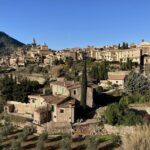
At Montuïri, you get a more traditional rural Mallorca moment. The village sits perched on a hill, with endless slopes around it, and the guide uses the views from the outskirts to explain how this type of settlement fits the island.
The best payoff is the meal moment: you enjoy pa amb oli in one of the most typical places visited by Mallorcans. This is where you’ll feel the day shift from “drive and look” to “slow down and eat.”
You’ll have about 45 minutes, and admission is not the focus here—comfort and food are. If you’ve been tasting cookies and little bites for hours, this is a good time to settle in and actually refuel.
Santuari de Cura: 360º views and the Cabrera check
Next is Santuari de Cura. It rises about 550 meters above sea level, surrounded by nature, and the big selling point is the view: 360º views of Mallorca.
On clear days, you can see the island of Cabrera. That’s a detail worth planning around. If the weather is even mildly clear, this becomes one of those “okay, wow” stops that makes the earlier drives feel worth it.
This stop is about 45 minutes. That includes time to take in the view and soak up the guide’s explanation of why the sanctuary sits here—again, not just where it is, but why it matters.
Son Mut Nou: the world’s biggest fig tree experimentation field
Then the tour turns botanical. At Son Mut Nou, you’ll stop at the Finca de Son Mut, famous for the largest fig tree experimentation field in the world.
The numbers are big and specific: 1,724 fig trees covering more than 830 varieties from across the world. Your visit here is about 45 minutes, and admission is included.
This isn’t just a “look at trees” stop. The way it’s presented helps you understand the island’s relationship with crops and experimentation, and how Mallorca’s farming creativity connects to global plant life.
If you like unusual roadside science—or you just enjoy gardens with a story—this is one of the more memorable pauses of the day.
Far de Cap Blanc lighthouse: walk-around photos and freshly baked ensaimada
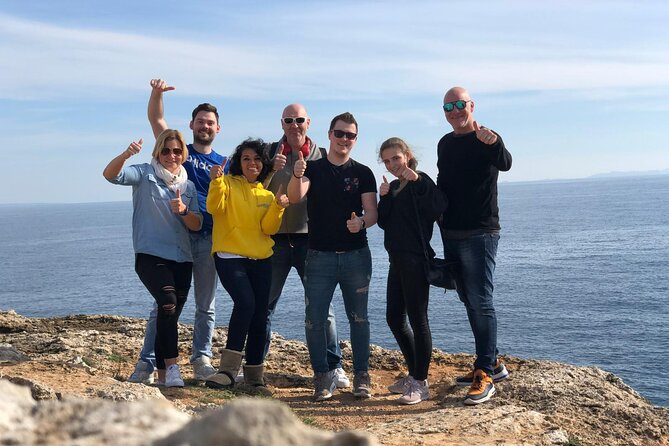
Now you hit the coast in a way that feels raw and dramatic. At Far de Cap Blanc, you’re near one of Mallorca’s wildest corners and one of the most impressive coastal viewpoints.
The lighthouse was built in 1862 and is still in operation under public management. The key limitation: you can’t visit inside. But you will walk around the area to admire it—your photos come from the outside.
You’ll also enjoy a freshly baked ensaimada during this stop. That combo—sea air plus warm pastry—lands really well on a longer day.
The stop is short (around 20 minutes), so it’s best to be ready with your camera and your questions for the guide before you’re rushed to move on.
Cala Pi tower down to the beach, plus that turquoise promise
Then comes Cala Pi. You’ll visit the tower and the cliff area that leads down to the famous beach of Cala Pi, known for turquoise, crystal-clear water.
You’ll have about 20 minutes here. It’s a good stop for photos and for that quick “okay, now I get it” moment when you see why people come back to this part of the coast.
If you’re traveling with beach time on your mind, take a close look at the water color and think about whether you want to return later for a longer swim.
Es Trenc salt marshes: a talk on salt and Quelitas tasting
The final major stop is Flor de Sal d’Es Trenc, the salt marshes at Es Trenc. This is one of the tour’s most educational ends to the day.
You’ll see the ponds where salt concentration increases, and you’ll hear how the salt works in stages—right up to the salt that ends up on your table. There’s also an idea woven into the explanation: humans can create ecosystems where wild animals and people live in harmony.
This stop runs about 40 minutes and admission is included. It ends with a tasting of Quelitas biscuits with cheese, which is a fun closing move: salty-sweet flavor after a day of sea views and local scenery.
Practical value: what you’re really paying for at $150.60
At $150.60 per person for about 6–7 hours, the price can feel like a splurge—until you look at what’s bundled in.
You’re getting:
- pickup convenience from Palma-area lodging,
- an expert local guide managing a long route,
- a small group size (max 18),
- multiple scheduled food tastings,
- and included admissions at key stops like La tafona de Can Det, Son Mut Nou, and Flor de Sal d’Es Trenc.
This isn’t just “transport.” It’s logistics plus learning plus food. For couples, solo travelers, and cruise visitors who only have one full day, that mix is often better value than paying separately for a guide, tastings, and several individual entry fees.
Who should book this tour, and who might prefer something else
Book it if:
- you want one organized day that covers villages, farms, and the coast without stress,
- you like food stops that feel tied to place (ensaimada, pa amb oli, Quelitas),
- you enjoy views like Santuari de Cura’s 360º panorama and the coastal walk-around at Far de Cap Blanc,
- and you’d rather have a local explain the stories than just read plaques.
Skip or adjust expectations if:
- you hate tight timing and prefer long stays inside buildings (a couple stops are outside-only),
- you’re sensitive to “lots of short stops” (this is many stops in one day, each designed for quick but meaningful learning),
- or you want a strictly beach-and-swim day rather than a mixed inland/coast route.
Should you book Mallorca Hidden Marvels?
I think this is a strong choice for a first or second-time Mallorca visitor who wants real island texture: villages you can’t easily thread together on your own, plus tastings that actually match what you’re seeing.
If you’re the kind of traveler who gets energy from stories—why a sanctuary sits where it does, how salt works, why windmills mattered—you’ll probably enjoy the day a lot. If you’re hoping for a slow, lounging itinerary with lots of museum time indoors, pick a different style of tour.
If you want one guided day that feels like Mallorca lived-in, not staged, this is the kind of route worth booking.
FAQ
What time does the tour start?
It starts at 10:00 am.
How long is the experience?
It runs about 6 to 7 hours.
Is pickup included, and where do I meet the driver?
Pickup is offered. You wait for the driver outside your hotel, apartment, or private house.
What language is the tour in?
The tour is offered in English.
How large is the group?
The tour has a maximum of 18 travelers.
Are there admissions included, or is everything free?
Some stops are free, and admission is included for certain stops (La tafona de Can Det, Son Mut Nou, and Flor de Sal d’Es Trenc).
Can I visit places inside during the stops?
Some sites can’t be visited inside, including the windmill at Algaida and the lighthouse at Far de Cap Blanc. You’ll still walk around to see them.
Is cancellation free if my plans change?
Yes. You can cancel up to 24 hours in advance for a full refund.