REVIEW · MALLORCA
Mallorca: Cova des Coloms Caving Trip with Hotel Transfer
Book on GetYourGuide →Operated by Experience Mallorca · Bookable on GetYourGuide
Cova des Coloms is sea cave adventure with real swim time. I like that it’s beginner-friendly (you don’t have to go under water) and that you get hotel transfer plus all the safety gear sorted. The main drawback: it still involves a coastal hike and some climbing/scrambling in cold water, so you’ll want decent fitness and comfort in the sea.
In practice, this is one of those rare Mallorca experiences where the dramatic part is underground and the fun part is in the water. I also like the small group setup (max 10), which means more hands-on coaching. Just keep in mind the ocean can force changes, and access may shift to other caves that don’t require entering the sea.
In This Review
- Key points before you go
- Why Mallorca’s Cova des Coloms sea cave is different
- The 4-hour flow: pickup, wetsuits, the coastal hike, then the sea swim
- Inside the caves: pools, climbing, and safety that feels hands-on
- When the sea gets rough: how the tour adapts
- Guides make the day: the Patrick, Jose, Nico, and Mario vibe
- What to bring (and what actually matters day-of)
- Price and value: why $88 can be worth it here
- Who should book this (and who should skip it)
- Should you book Cova des Coloms sea caving with transfers?
- FAQ
- Do I need prior caving or underwater experience?
- What equipment is provided?
- Is there a hotel transfer included?
- How long is the tour and what’s the main activity time?
- What should I bring with me?
- What if sea conditions are unsafe?
- Are there age, weight, or mobility limits?
Key points before you go
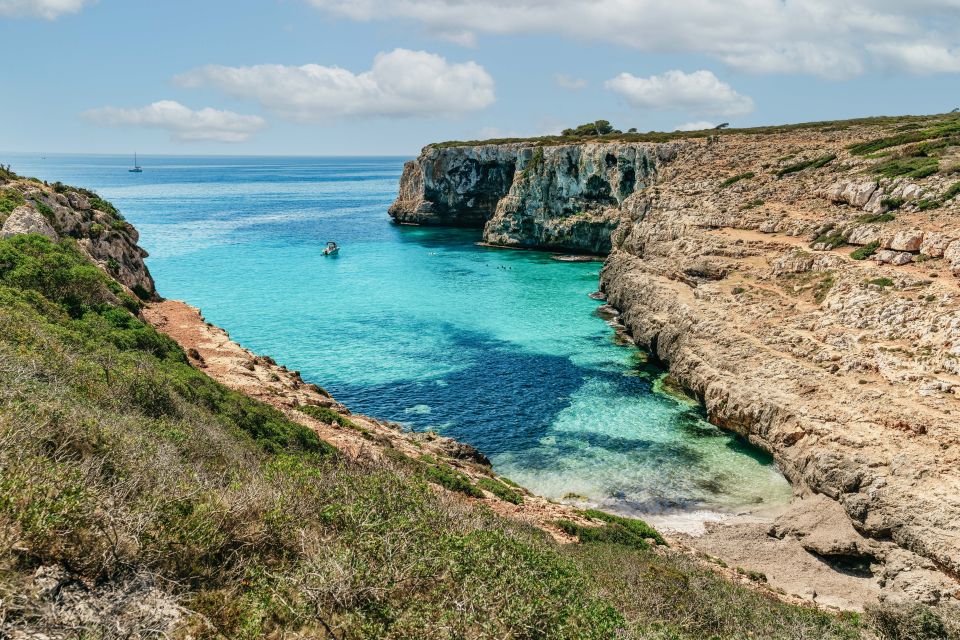
- Sea-to-cave swim (about 300 meters) with instruction
- You can keep it beginner: no need to go under water
- Wetsuit, helmet, water shoes, buoyancy aid, and light are provided
- Natural pools, limestone formations, and cave scrambling
- Cliff-jump option (around 4 meters) if you want the extra thrill
- Small group for safer pacing and better guidance
Why Mallorca’s Cova des Coloms sea cave is different
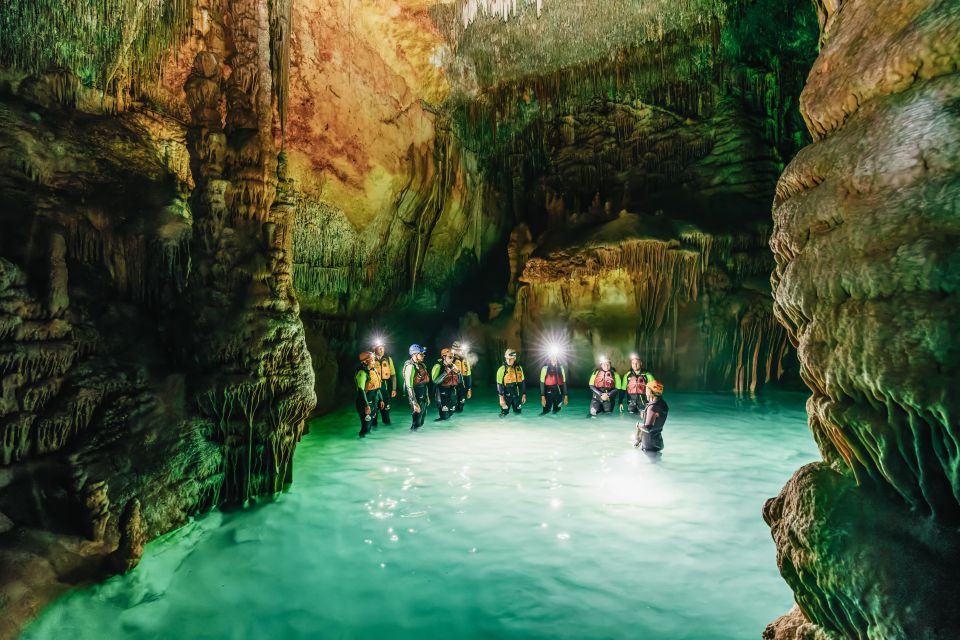
Most caves are something you walk into. Cova des Coloms is the opposite. You get to it from the sea, then explore limestone corridors that were shaped by water over time. That means your first big wow moment isn’t an archway or a stalactite wall. It’s the feeling of moving through clear water toward the cave entrance, knowing the whole route was designed around the sea connection.
This tour is also built for real people, not just experienced cave divers. The guidance emphasizes technique and safety, and you’re not expected to do anything technical like scuba-style breathing. One of the best parts is that you can do it as a true beginner: you can do the swim without going underwater.
And the reward is very visual. Inside, the caves open into natural pools and wider chambers where you can see how the limestone has been carved and smoothed by water. Several guides are big on pacing, so you’re not rushed through the cool bits. The cave experience also has that travel feeling of going somewhere you can’t recreate at home.
You can also read our reviews of more tours and experiences in Mallorca.


The 4-hour flow: pickup, wetsuits, the coastal hike, then the sea swim
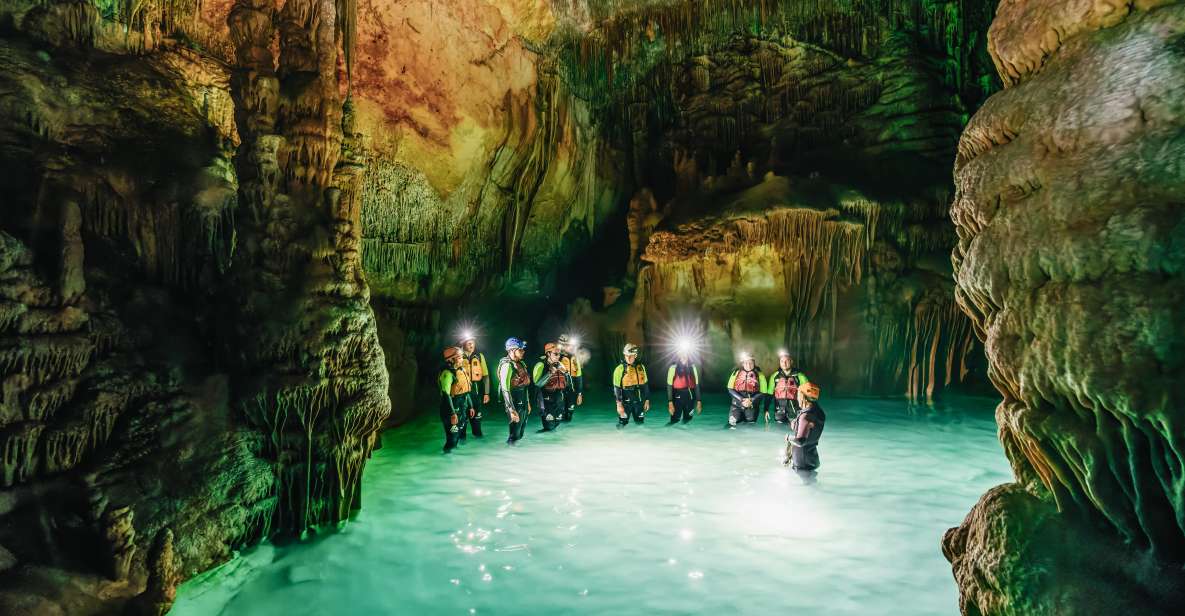
This is a half-day tour, typically around 4 hours from pickup to return (though exact timing depends on the day’s conditions). The day usually starts with minibus pickup from select hotels in Mallorca’s main coastal areas. If you’re not on the pickup route, you’ll meet at Passeig Voramar, 94.
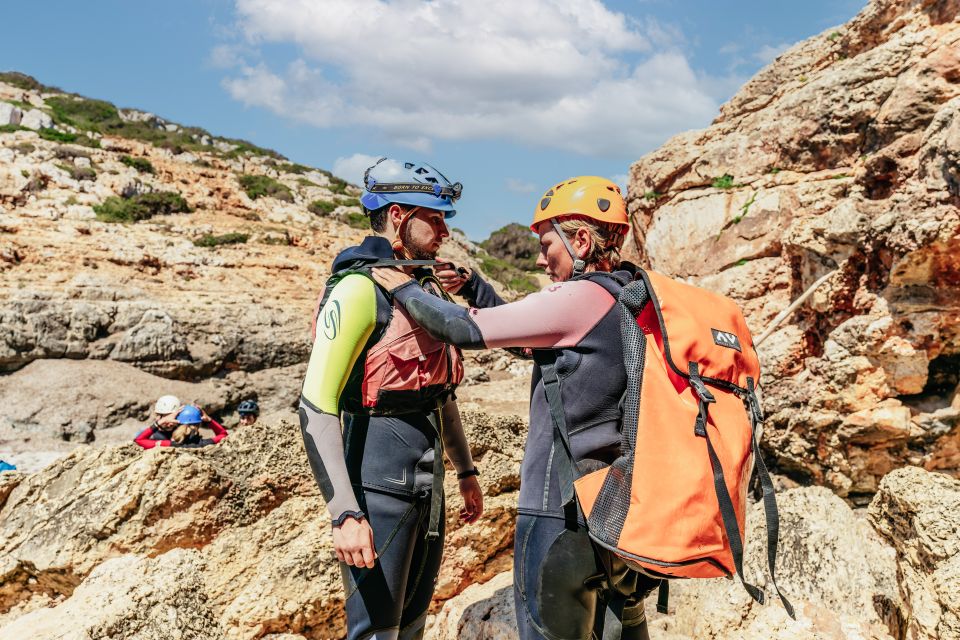
Once you’re at the starting point, you’ll meet your guide and get kitted out with the essential stuff:
- protective helmet
- wetsuit
- water shoes
- buoyancy aid
- a light
- and the guide-led instruction that ties it all together
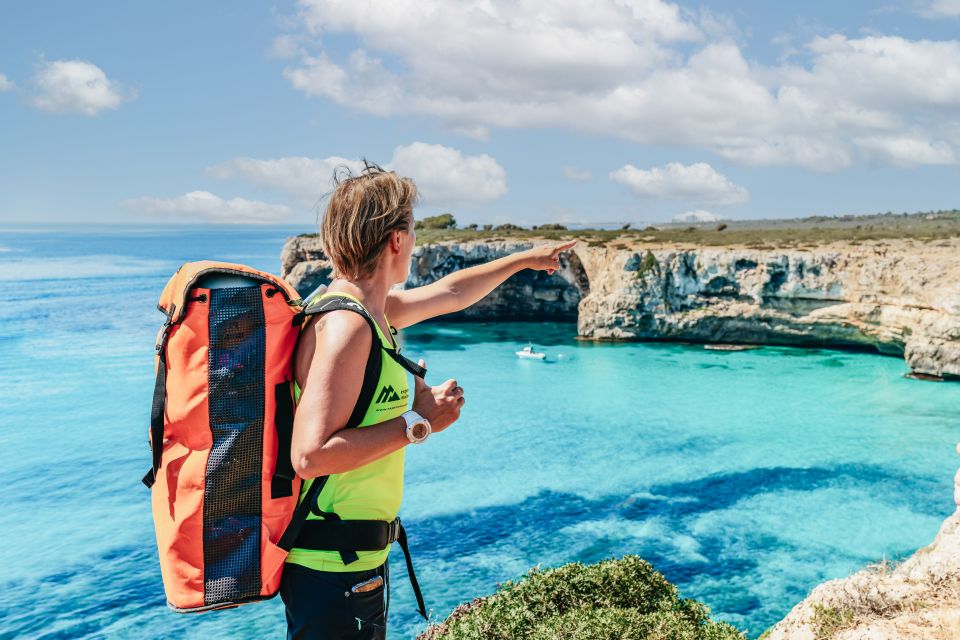
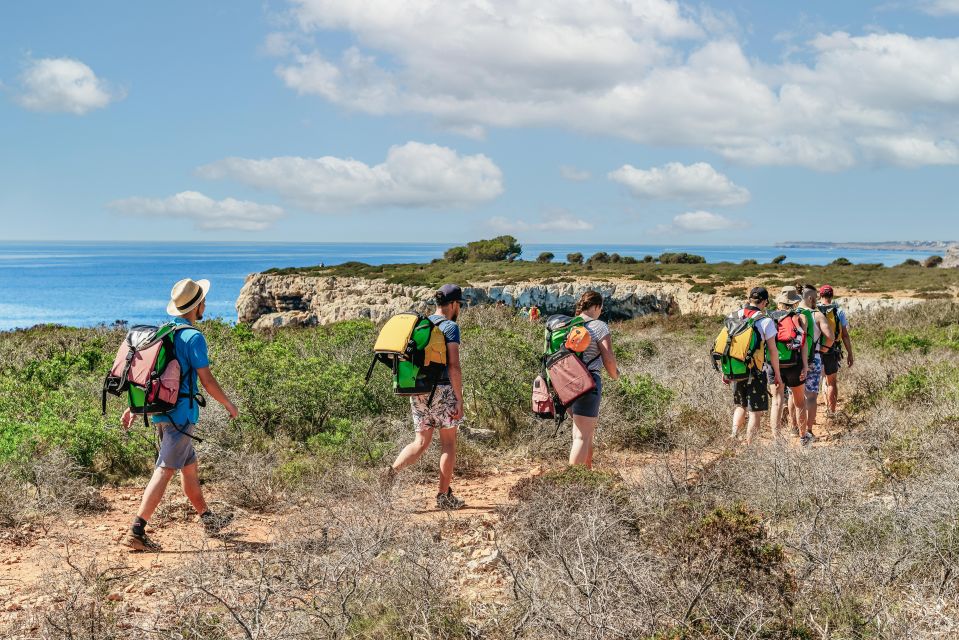
You’ll then do a coastal walk of about 40 minutes. That hike matters, because it’s the warm-up for the rest of the day. The ground can be uneven and the route can be sunny. Even if you’re excited, treat it like a mini workout: wear the right shoes and expect some sweat. You’ll also carry gear in a manageable way, but it’s still work.
Then comes the signature moment: you swim out to the cave, about 300 meters. The big reassuring point is that you’re guided so you can do it at your comfort level. You don’t have to go under water. That makes it much more approachable than some adventure tours that quietly assume you’re already a swimmer.
If you choose the cliff jump option (many people do), that’s typically from a height around 4 meters. It’s optional, but it’s one of those Mallorca bragging-right moments. If you’re nervous, you can still participate fully by swimming instead.
Inside the caves: pools, climbing, and safety that feels hands-on
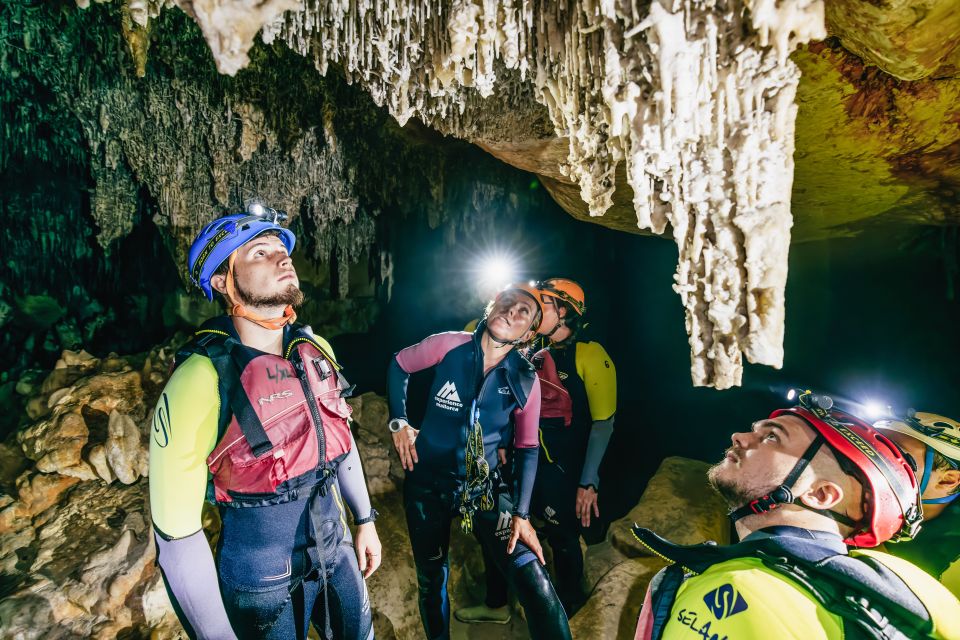
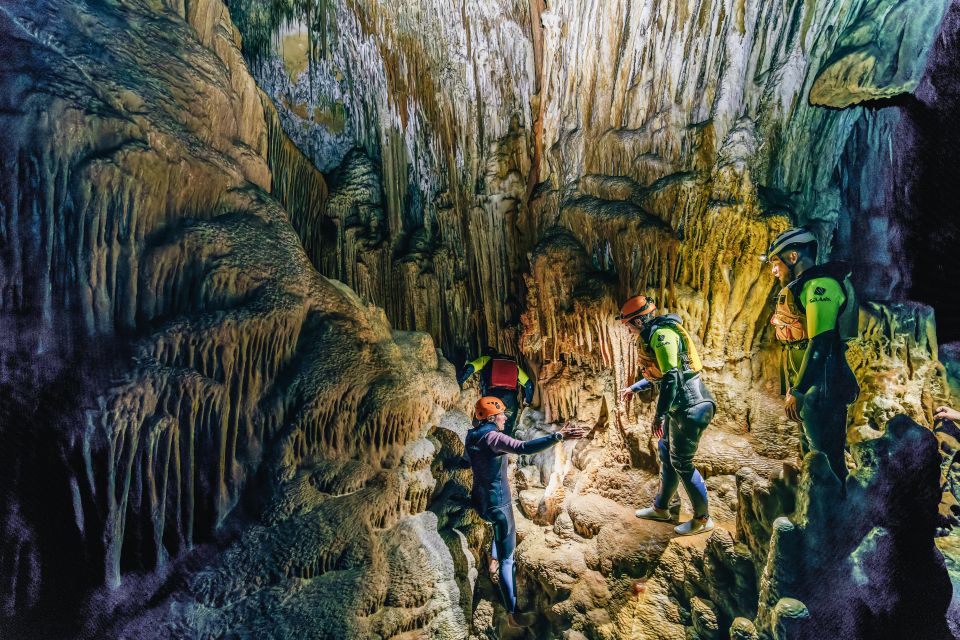
Cave time here is active. After the swim, you’ll explore through cave sections that involve scrambling, climbing over uneven surfaces, and moving through areas that feel narrow compared to what you expect from a “cave tour.” The good news is that it’s guided with real coaching, not just a quick safety talk.
This is where the best guides really earn their pay. Across the experiences, names like Patrick, Jose, Nico, Mario, Aina, Mika, Joseph, and Sam show up, and the common thread is the same: safety first, constant check-ins, and clear instructions on how to place feet and hands. People mention a calm, encouraging style that helps even when the route looks tricky.
You’ll also feel the cold. Multiple people note the water being around 17°C / under 50°F, which is normal for sea caves. The wetsuit helps, but your body still notices. If you’re prone to cold shock, slow your pace and listen closely during the first minutes in the water.
Inside, the cave’s most memorable feature is the mix of space and water. The pools let you pause and look around. Then you move again—over limestone textures, through sections where water depth and footing change. That blend is why the experience sticks. It’s not just swimming in a tunnel; it’s a guided route through a living system of sea caves and freshwater-like pockets.
Also, a practical note: don’t expect it to feel like a museum. The guide will keep you from touching delicate formations. That’s part of the adventure code here, and it keeps the caves looking the way they’re meant to.
When the sea gets rough: how the tour adapts
Ocean conditions matter for sea caves. The operator can modify the plan if entering the sea poses a safety risk. When that happens, you won’t be forced into an unsafe plan—you’ll visit alternative caves that don’t require entering the sea.
On days with wind or swell, people often describe a smooth switch rather than a cancellation. That matters because it reduces the chance you lose your day. Still, it’s worth remembering: if the sea part can’t happen, the experience won’t be identical to the version that includes the sea swim and the sea-entry cave route.
Guides make the day: the Patrick, Jose, Nico, and Mario vibe
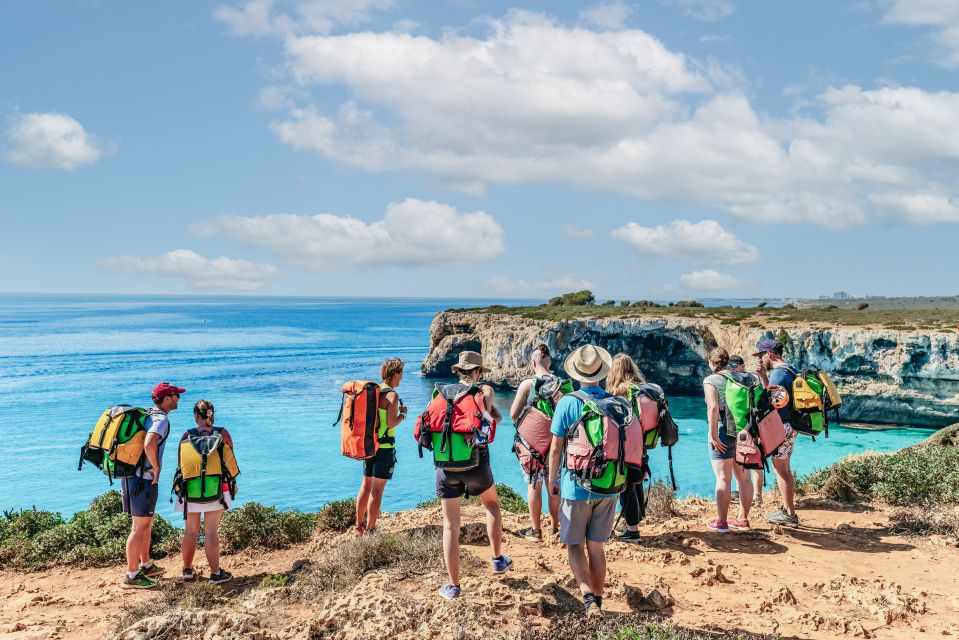
If you care about how an adventure day feels, you’ll care about the guide. The strongest recurring detail is the blend of energy and control. Guides like Patrick are repeatedly described as high-energy and safety-focused. Jose shows up in feedback as cheerful, professional, and calm during tricky moments. Nico is mentioned with an enthusiastic coaching style and patient attention. Mario pops up as friendly and very passionate about what you’re seeing.
Even when you don’t get the exact guide mentioned in someone else’s story, you’ll likely recognize the same pattern:
- safety checks before each key step (water, climbing, transitions)
- coaching on where to grip or step
- encouragement that keeps you moving without rushing
You’ll also hear guide storytelling about the caves and the island. This isn’t scripted trivia. It’s the kind of context that helps the formations make sense while you’re there, not after you get home.





What to bring (and what actually matters day-of)
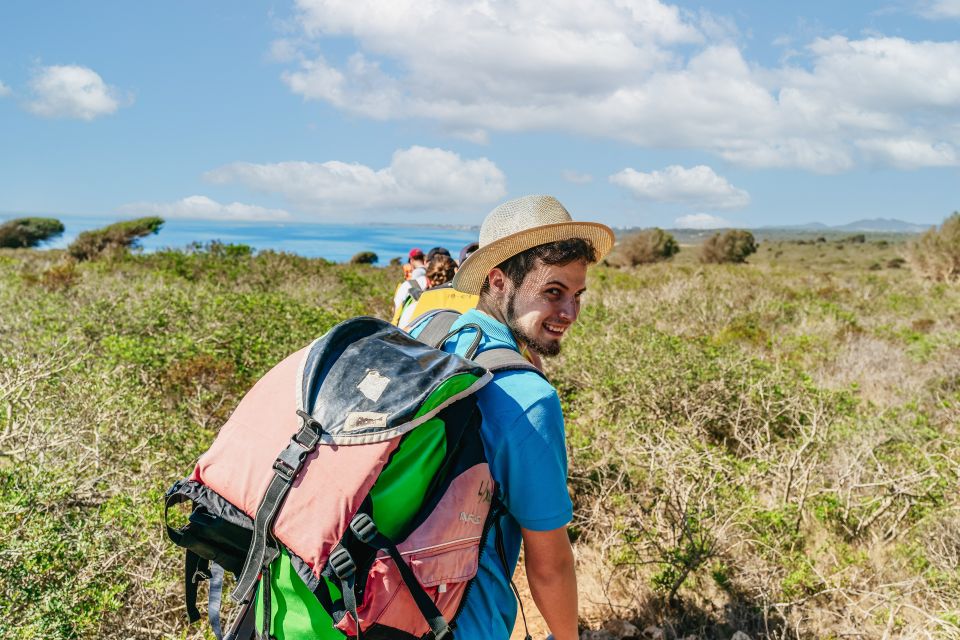
This tour includes your core cave gear, so you’re not stuck hunting for wetsuit rentals. But you still need to show up prepared.
Bring:
- sports shoes for the coastal walk (not flip-flops, not sandals)
- swimwear
- sunscreen
- snack and at least 1.5 liters of water per person
- any medication you need
Optional but smart:
- a waterproof phone case if you want photos. People clearly love documenting the swim and inside-the-cave scenes.
- a change of dry clothes for the ride back
What not to bring:
- alcohol and drugs
- valuables (the tour rules say not to take them)
One more practical reality: you might not find much time to eat. So treat your snack like part of the plan, not an afterthought. A small energy boost helps if the hike and cold water hit you harder than expected.
Price and value: why $88 can be worth it here
At $88 per person for a half-day, the price looks simple. The value is more complicated—and it’s where this tour makes sense.
You’re paying for:
- a professional guide
- full safety equipment (helmet, wetsuit, water shoes, buoyancy aid, light)
- insurance included
- guided instruction through climbing/scrambling
- and round-trip hotel pickup and drop-off (where available)
That’s not just a “walk and look” ticket. You’re getting a structured adventure with gear and risk-managed coaching. Also, the experience is genuinely rare: Mallorca has famous caves, but this one is a sea cave system where you can swim as part of the route.
The best comparison isn’t another cave tour. It’s trying to do the same day independently. Independent cave exploration is not realistic in this context. Here, you get the route, equipment, and safety mindset packed into about 4 hours.
Is it perfect value for everyone? No. If you hate swimming, hate cold water, or aren’t comfortable climbing over uneven surfaces, you might feel like the cost reflects the effort. For the right traveler, though, the price aligns with the gear, time, and the “how is this even possible” factor.
Who should book this (and who should skip it)
This is a great fit if you:
- can handle a hike of about 40 minutes
- are comfortable in open water and okay with chilly temps
- want guided cave scrambling and a swim-to-cave adventure
- like small groups and clear instructions
It’s not for you if:
- you’re traveling with children under 12
- you have mobility impairments
- you’re above 110 kg (243 lbs)
And a reality check: a “beginner-friendly” tour still asks you to participate. One person described the hike as sweaty and the water as cold. That’s accurate. If you can physically do the work, you’ll likely love the result.
Should you book Cova des Coloms sea caving with transfers?
I’d book it if your Mallorca trip needs one standout day that mixes swimming, limestone caves, and hands-on guidance. The fact that you don’t have to go underwater makes it far more approachable than many “cave swim” experiences, and the included gear plus pickup makes the logistics feel light.
I’d hesitate if cold water and active movement sound like the wrong kind of adventure. This isn’t a gentle sightseeing stroll. It’s a wetsuit day with real effort and real time in the cave.
If you match the basics—able to hike a bit, comfortable in the sea, and ready for a guided scrambling route—this is one of the best-value ways to experience Mallorca’s underground world in a way you can’t fake at home.
FAQ
Do I need prior caving or underwater experience?
No. You’ll get equipment and instruction, and the plan is beginner-friendly. You don’t have to go under water during the swim.
What equipment is provided?
You’re provided with sea cave equipment including a helmet, wetsuit, water shoes, buoyancy aid, a light, and you’ll have a guide throughout.
Is there a hotel transfer included?
Yes, hotel pickup and drop-off are included. Pickup is available from most hotels in the main coastal areas of Mallorca, and a meeting point is provided if you’re staying in a private residence. If you’re not on pickup, you meet at Passeig Voramar, 94.
How long is the tour and what’s the main activity time?
The duration is about 4 hours. The day includes a coastal walk of roughly 40 minutes and a swim out to the caves of about 300 meters, plus time exploring the caves.
What should I bring with me?
Bring comfortable shoes for the coastal walk, swimwear, sunscreen, and a minimum of 1.5 liters of water per person. You also need a snack and any required medication.
What if sea conditions are unsafe?
If entering the sea to access Cova de Coloms poses a safety risk, the operator can modify the schedule and you’ll visit alternative caves that do not require entering the sea. No refunds are issued in that situation.
Are there age, weight, or mobility limits?
Children under 12 are not permitted. The tour isn’t suitable for people with mobility impairments, and there is a weight limit of 110 kg (243 lbs).